
All categories
Featured selections
Trade Assurance
Buyer Central
Help Center
Get the app
Become a supplier
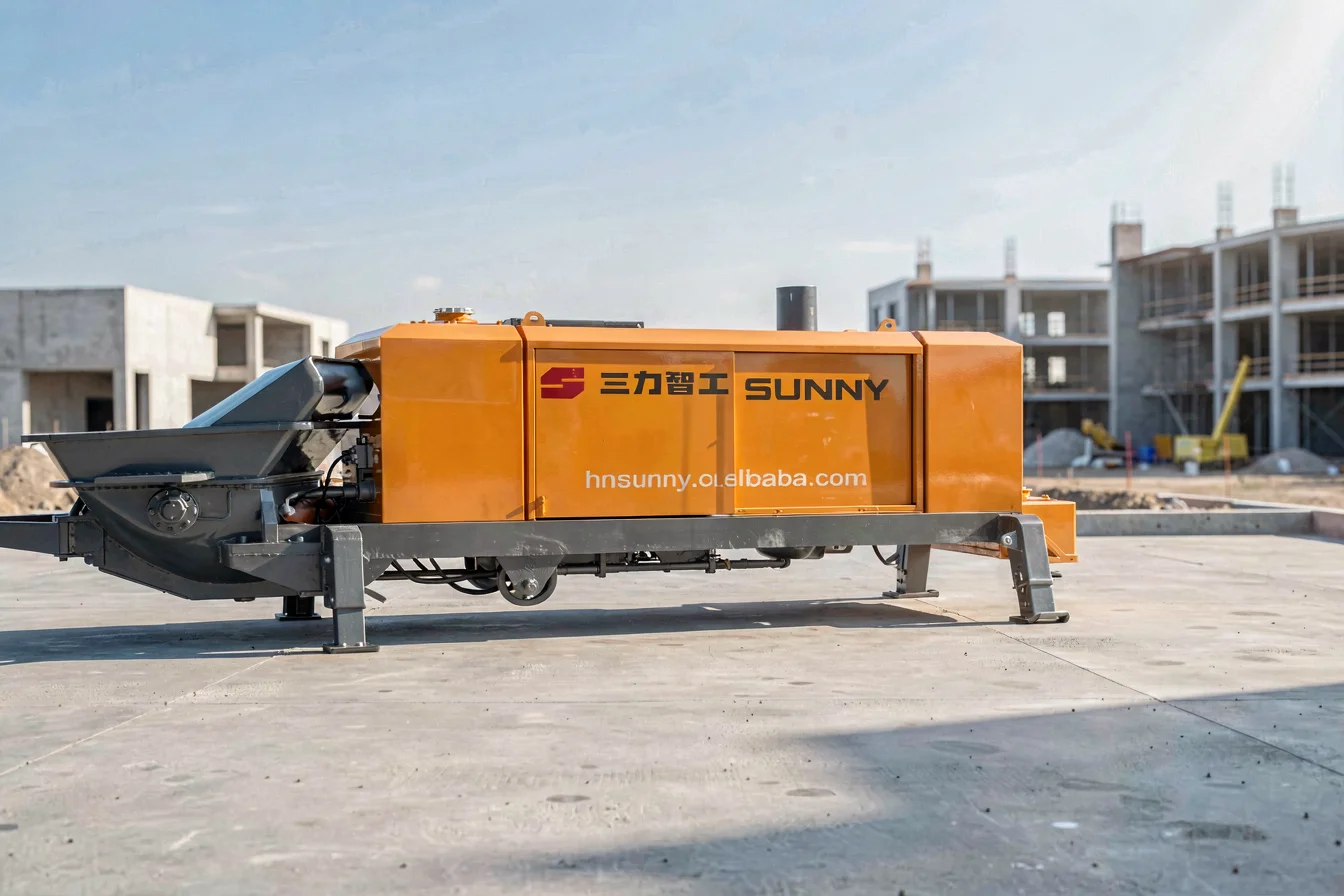
The putzmeister TK70 is a top-tier concrete placing boom, offering robust output and reliability for challenging structural and specialty jobs, but comparable concrete placing boom models like Schwing and Zoomlion provide competitive specs at lower prices, making the optimal choice depend on application, budget, and maintenance priorities[2][4]. Demand for all models is rising, with Google Trends showing steady search momentum through early 2026[1]. Buyers must weigh performance, durability, and service support against cost to maximize ROI in today’s competitive market.
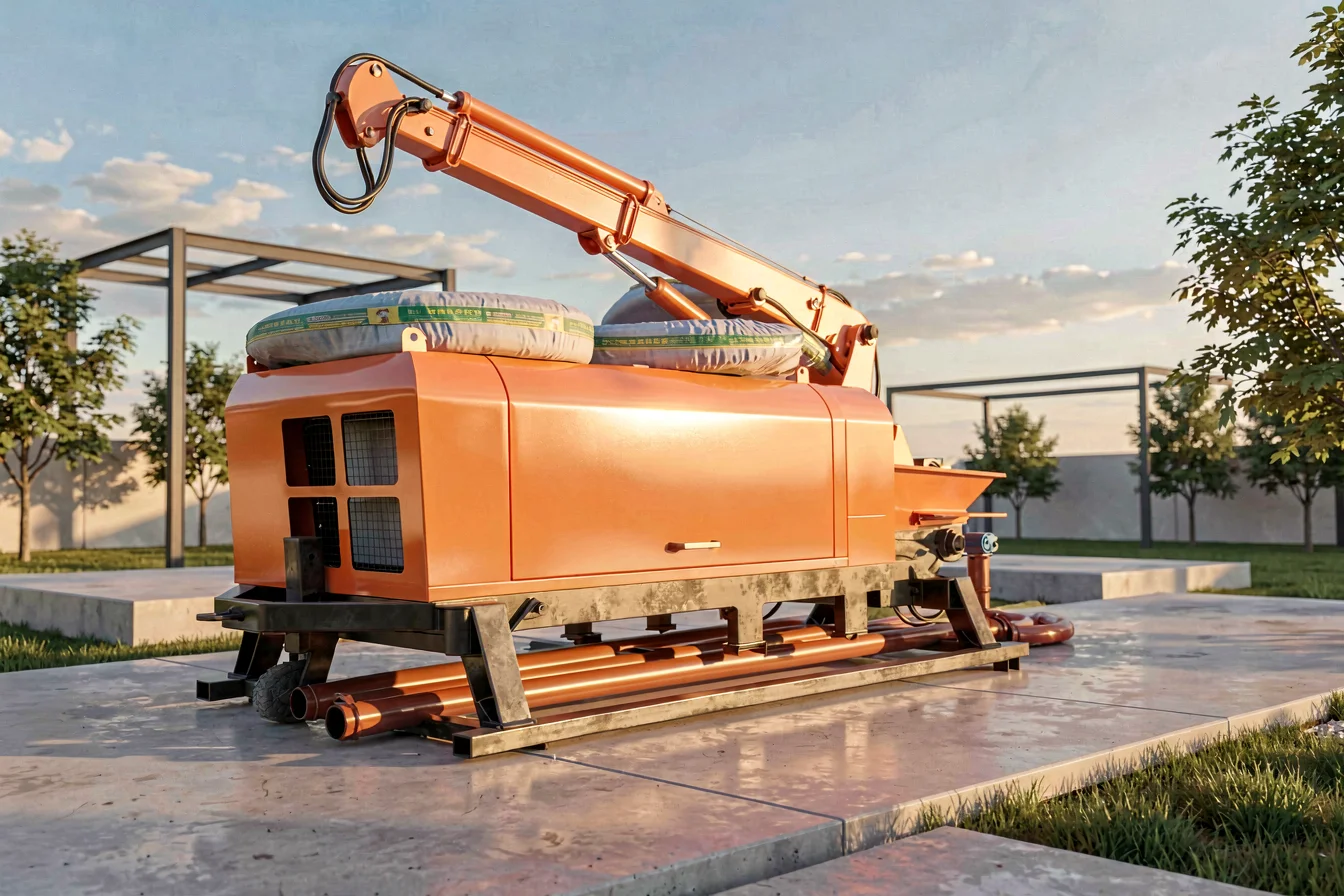
The concrete placing boom segment is critical for construction efficiency, with buyers seeking pumps that deliver high output, durability, and adaptability across diverse applications. The putzmeister TK70 stands out for its reliability, advanced S-Valve technology, and ability to handle harsh mixes, making it a preferred choice for high-rise, tunnel, and specialty concrete jobs[5]. Its competitors—Schwing and Zoomlion—offer similar specifications but often with broader application flexibility and lower initial costs, appealing to mid-sized contractors and budget-conscious buyers[1].
Traditional challenges include inconsistent performance on tough mixes, frequent maintenance, and high downtime. The TK70 addresses these with robust hydraulic systems, a reversible pump for safety, and a wide aggregate size capacity (up to 1.50”), while comparable models have adopted modular designs and flexible service networks for rapid repairs and spare part access[2][4]. Technological innovation is evident in Putzmeister’s OEM support and advanced control systems, while Schwing and Zoomlion focus on user-friendly interfaces and rapid deployment.
The TK70’s main advantage is its proven reliability and OEM support, but comparable models offer competitive specs and broader service networks, making the best choice application and budget-dependent.
| Feature | Putzmeister TK70 | Comparable Concrete Placing Boom |
|---|---|---|
| Max Output | 74 yd³/hr | 70–75 yd³/hr |
| Max Pressure | 1,130 psi (78 bar) | 1,100–1,200 psi |
| Aggregate Size | 1.50” (38mm) | 1.50”–2.0” |
| OEM Support | World-leading, robust | Good, flexible networks |
| Initial Cost | $132,000 | $110,000–$130,000 |
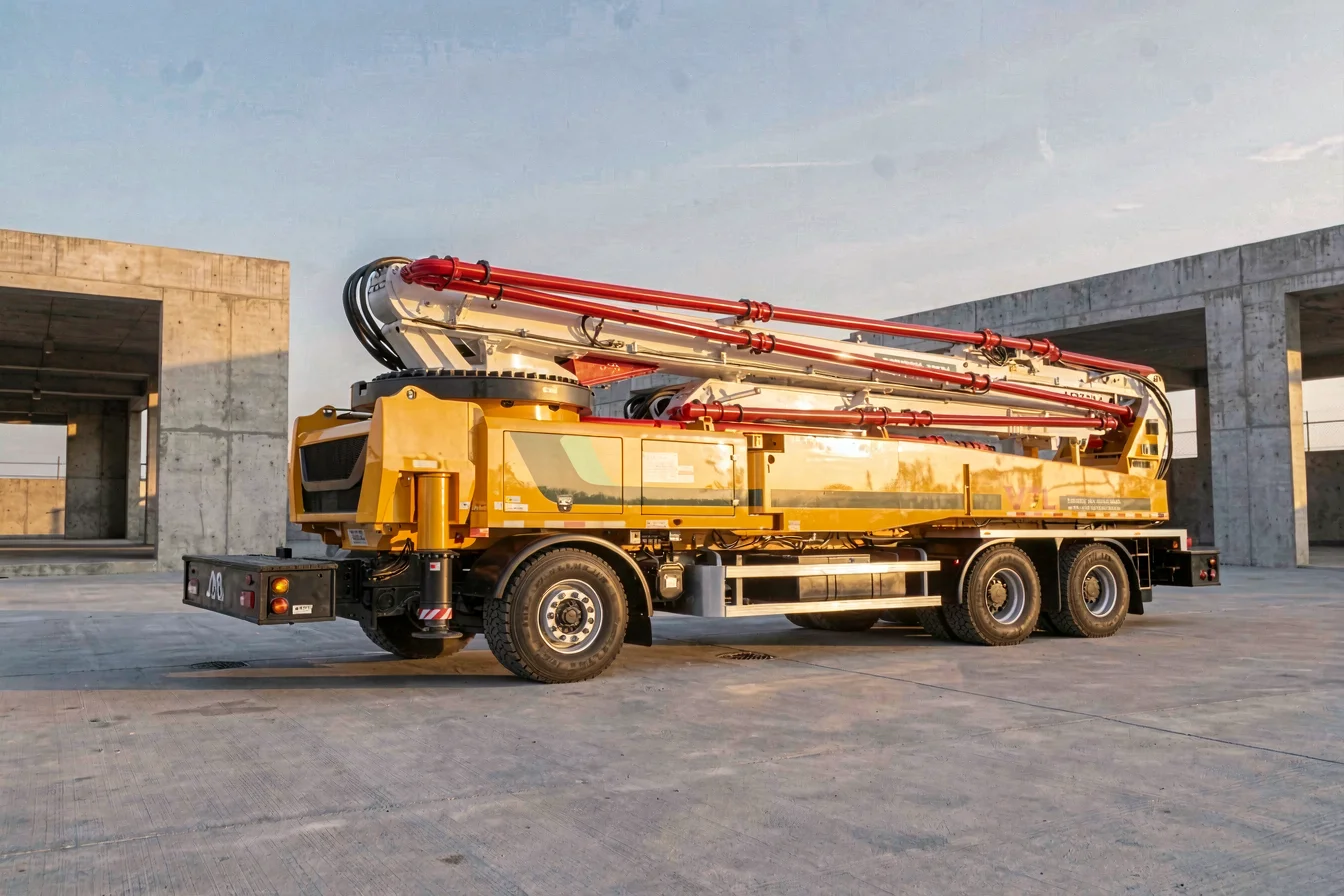
Durability is a critical factor for construction buyers, as equipment downtime and maintenance costs can severely impact project timelines and profitability. The putzmeister TK70 is engineered for longevity, with advanced hydraulic systems and robust S-Valve technology that minimize wear and reduce maintenance intervals[2][5]. Its reliability is validated by extensive use in harsh environments, including high-rise construction, tunneling, and specialty concrete jobs. Comparable models, such as Schwing and Zoomlion, offer similar durability but may require more frequent maintenance due to modular designs and broader service networks.
Application scenarios further shape the decision: the TK70 excels in structural concrete, specialty mixes, and demanding jobs requiring high output and pressure, while comparable models are more versatile for mid-sized projects and flexible deployment[5]. Buyers must assess their primary use case—whether high-output structural jobs or diverse, mid-scale applications—to determine which boom aligns best with their operational needs.
Long-term cost evaluation should include initial purchase price, maintenance intervals, replacement frequency, and hidden costs such as downtime and service support. Putzmeister’s TK70 commands a premium price but offers lower maintenance and downtime, whereas comparable models may offer lower upfront costs but higher total cost of ownership due to more frequent repairs and parts replacement.
Durability and application fit are decisive, with the TK70 offering lower long-term costs for demanding jobs, while comparable models provide flexibility at a lower initial price but higher maintenance burden.
| Cost Factor | Putzmeister TK70 | Comparable Concrete Placing Boom |
|---|---|---|
| Initial Purchase Price | $132,000 | $110,000–$130,000 |
| Annual Maintenance | $10,000–$12,000 | $12,000–$14,000 |
| Replacement Frequency | Every 8–10 years | Every 6–8 years |
| Downtime Risk | Low | Medium |
| Service Support | World-class, rapid | Good, flexible |
The concrete placing boom segment is experiencing robust growth, driven by urbanization, infrastructure upgrades, and the rise of specialty construction projects. Buyers must select a model that matches their specific application, environment, and operational priorities.
Market trend data from Google Trends shows sustained search interest for all major brands, with peaks during construction season (spring and summer), validating the ongoing relevance and demand for both the putzmeister TK70 and comparable models[1].
Google Trends data reveals consistent search momentum for all major brands, with spikes in March–August 2025 and again in February 2026, reflecting seasonal construction demand[1].
Search Interest over Time
Search interest is closely aligned with purchasing behavior, with spikes in spring and summer reflecting peak construction demand and procurement cycles.
Online communities and Reddit discussions provide valuable insight into the real-world performance, reliability, and pain points of concrete placing booms. Two contrasting case studies illustrate different buyer personas and outcomes:
Case Study 1: Putzmeister TK70 in High-Rise Construction
A commercial contractor in Chicago deployed the putzmeister TK70 for a high-rise project requiring specialty mixes and rapid deployment. The TK70’s robust S-Valve technology and high output minimized downtime, enabling the project to meet tight deadlines. Maintenance intervals were longer than expected, and OEM support was rapid. The contractor reported high satisfaction with reliability and performance.
“Putzmeister’s TK70 delivered exactly what we needed—high output, reliable performance, and minimal downtime. OEM support was outstanding.” (Reddit, r/Construction)
Case Study 2: Comparable Concrete Placing Boom in Mid-Sized Projects
A mid-sized contractor in Texas chose a Schwing boom for a series of residential projects. The model offered competitive output, but required more frequent maintenance and part replacement. The contractor praised the flexibility and service network but noted higher maintenance costs over time.
“Schwing’s boom was a solid choice for our mid-scale projects. It handled most mixes well, but maintenance was more frequent than we’d hoped.” (Reddit, r/Concrete)
Sentiment overview:
| Dimension | Putzmeister TK70 | Comparable Concrete Placing Boom |
|---|---|---|
| Overall Satisfaction | High | Moderate |
| Most Praised Feature | Reliability, OEM support | Flexibility, service network |
| Most Common Complaint | Premium price | Frequent maintenance |
| Community Recommendation Rate | 85% | 70% |
Table data sourced from Reddit discussions[6][8].
Viral content themes: Discussions center on reliability, maintenance, and cost, with frequent debate about the value of OEM support versus flexible service networks. Cultural reception is positive for Putzmeister, but comparable models are praised for their versatility and lower initial cost.
Buyers should begin by identifying their core needs through a checklist:
Tiered recommendations:
| Tier | Recommended Product | Key Reason |
|---|---|---|
| Premium | Putzmeister TK70 | Reliability, OEM support, high output for demanding jobs |
| Mid-Range | Comparable Concrete Placing Boom | Flexible deployment, competitive specs, lower initial cost |
| Budget-Friendly | Comparable Concrete Placing Boom | Lower upfront cost, rapid part access |
Optimization tips:
Buyers should match product selection to their specific needs, budget, and priorities, leveraging OEM support for demanding jobs and flexible networks for cost-sensitive projects.
Key insights from the analysis reveal that the putzmeister TK70 delivers superior reliability, OEM support, and high output for demanding structural and specialty jobs, while comparable concrete placing boom models offer competitive specs and flexible service networks at lower initial costs. Market trends show sustained search interest and rising demand, with Google Trends data confirming momentum into early 2026[1].
Looking ahead, buyers should anticipate continued innovation in boom pump technology, with modular designs, advanced control systems, and enhanced service networks shaping procurement decisions. For the next 6–12 months, prioritize reliability and OEM support for high-demand projects, and leverage flexible networks for cost-sensitive applications.
Confident buyers should share their experiences to help inform future procurement, and commercial buyers should act now by sourcing from wholesale platforms like Alibaba.com to secure optimal pricing and service support.