
All categories
Featured selections
Trade Assurance
Buyer Central
Help Center
Get the app
Become a supplier
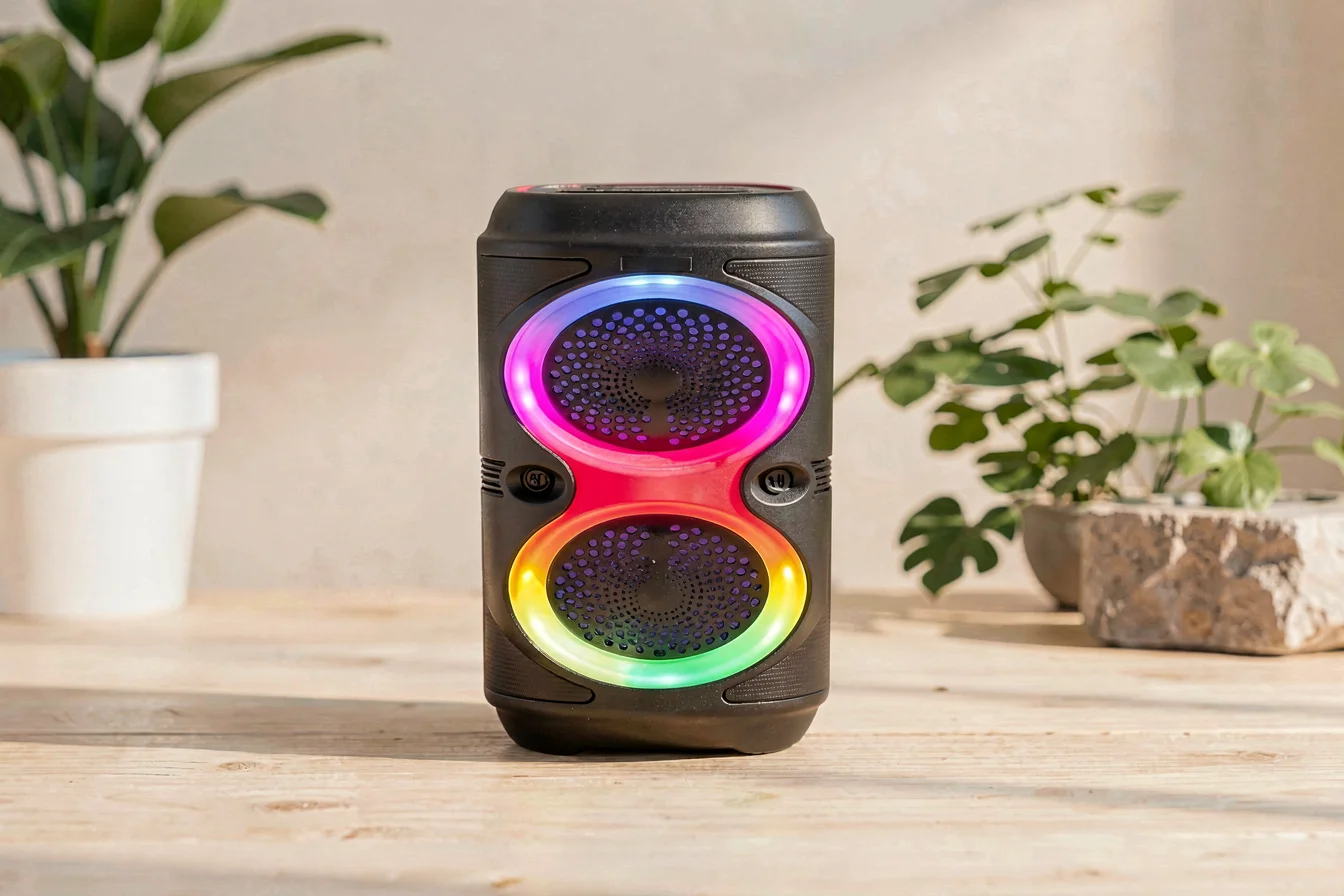
The PVC speaker box offers robust durability and cost efficiency, making it the leading option for mainstream commercial, portable, and budget applications, while the wooden speaker box excels in premium sound quality and resonance control for audiophiles and specialized venue installations. Google Trends show plastic-based designs far outpacing wooden alternatives in procurement momentum as of early 2026, confirming a pivot toward durable, scalable production methods [1]. Buyers should anchor their selection to their priority—sound fidelity or practical deployment—ensuring alignment with long-term use and total cost profile.
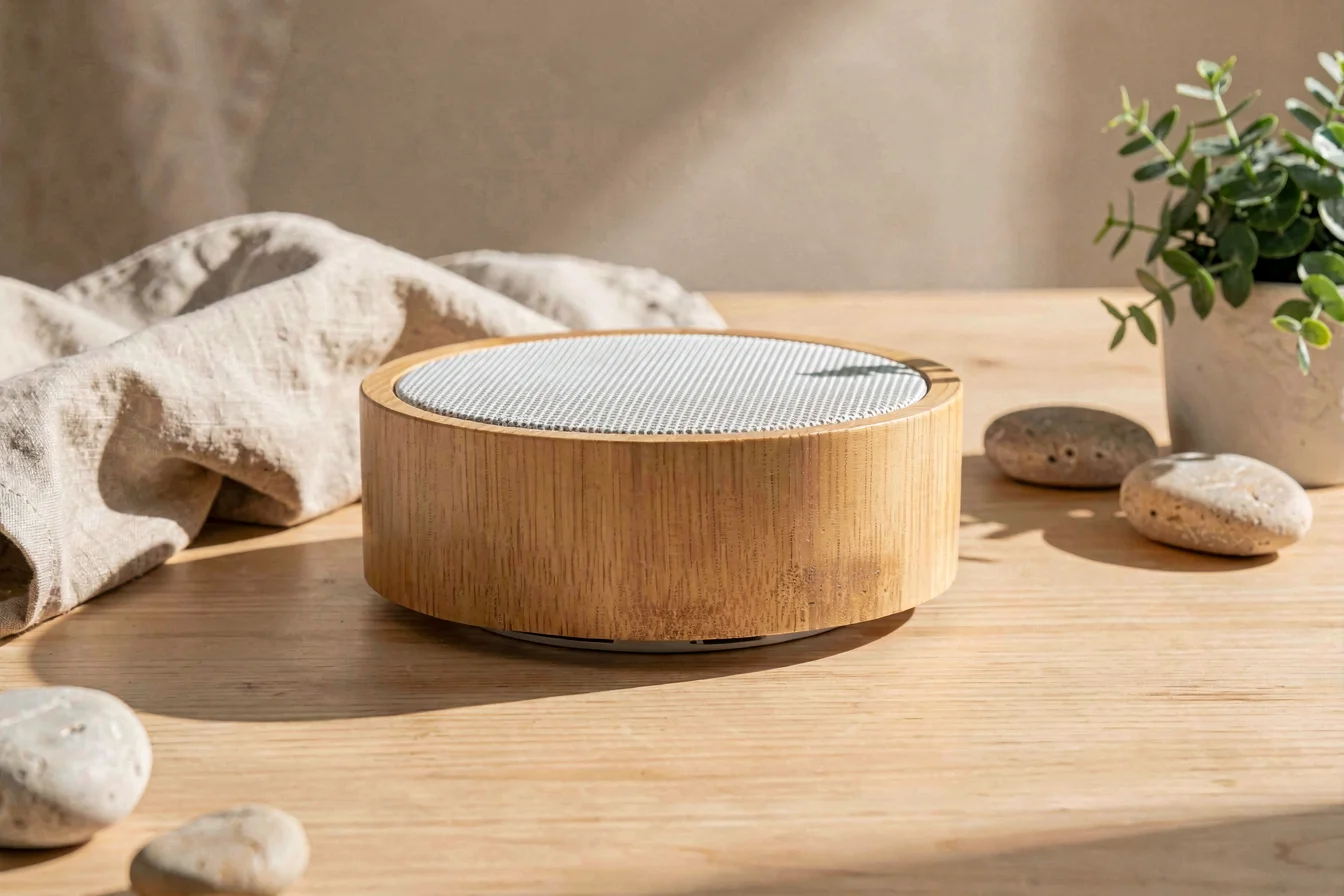
Both PVC speaker box and wooden speaker box address distinct pain points for commercial and consumer buyers: PVC boxes shed weight, resist impact, and minimize up-front cost, while wooden boxes maximize acoustic performance, authentic tonal fidelity, and aesthetic appeal [2][3][4]. Wooden enclosures, typically built from MDF or solid wood, are renowned for damping vibrations, minimizing internal resonances, and delivering a rich, nuanced sound ideal for high-fidelity listening and professional audio installations. PVC boxes, representing the latest trend in plastics (including polypropylene and ABS variants), deliver unmatched portability, weather resistance, and rapid scale-up for mass-market applications. Urgency arises as demand for scalable production and global shipment overtakes bespoke, artisanal procurement in the speaker box sector.
Technological innovations in plastic injection molding allow PVC boxes to rival traditional wood in structural rigidity while maintaining lower material waste and delivery timelines [4]. However, audio professionals consistently cite wood’s inherent acoustic advantages—particularly for mid- and high-range frequencies—in forum discussions and professional reviews.
| Feature | PVC Speaker Box | Wooden Speaker Box |
|---|---|---|
| Acoustic Performance | Moderate, some resonance | Excellent, minimal resonance |
| Durability | High (water/impact resistant) | High (if maintained) |
| Portability | Lightweight | Heavy |
| Cost Efficiency | Low up-front cost | Higher, scalable with finish |
| Aesthetic Appeal | Moderate, limited finish options | High (customizable finishes) |
| Scalability | Excellent (mass production) | Limited (artisan-centric) |
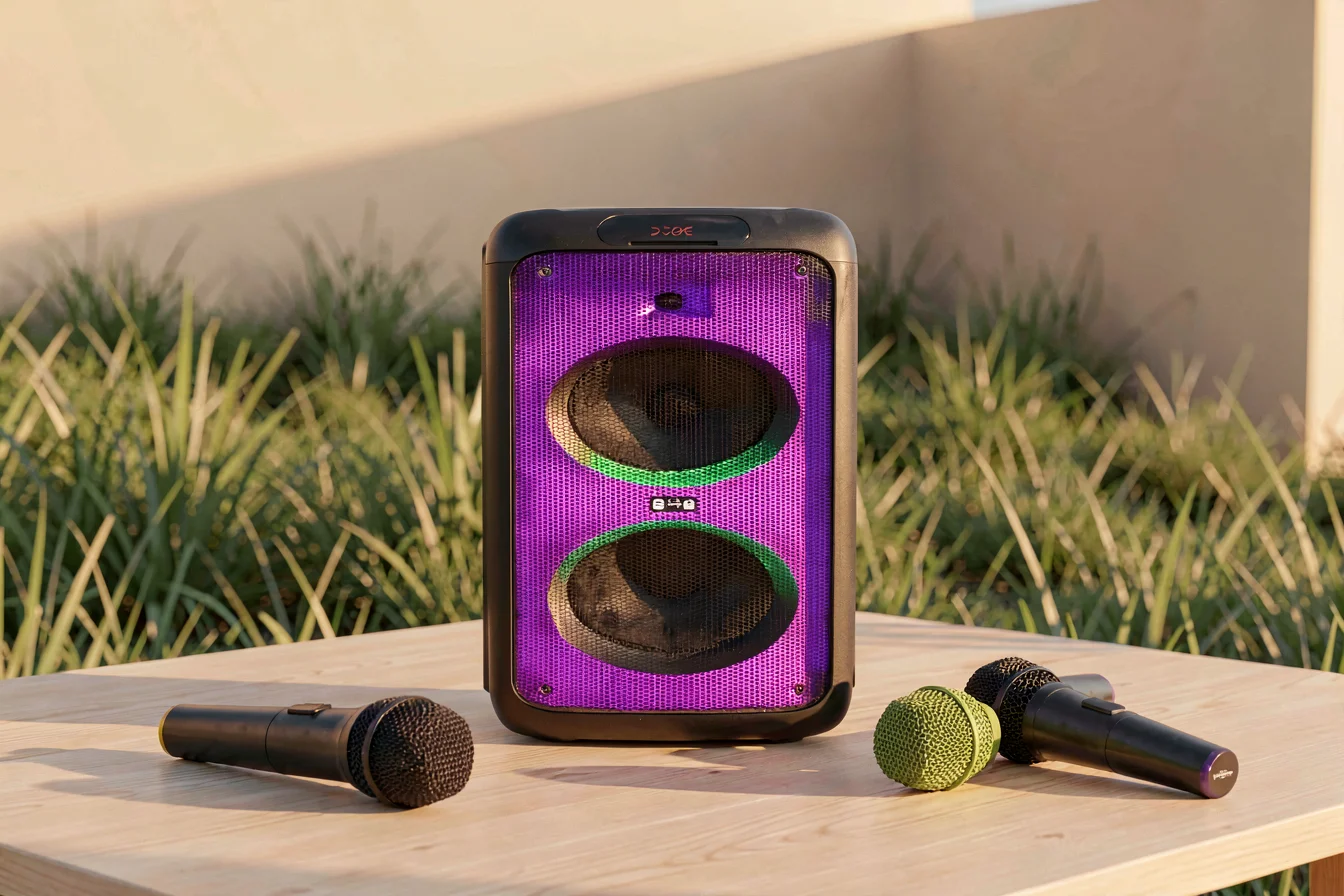
Durability is central to speaker box selection: PVC speaker box solutions, typically leveraging ABS and polypropylene alloys, surpass wood in moisture resistance, UV resilience, and resistance to drop damage, making them the clear option for outdoor, rental, and on-the-go markets [4]. Wooden boxes—primarily MDF and solid woods—excel in service life but demand periodic maintenance (finish restoration, humidity control) to retain performance and appearance [3]. Lifespan estimates: PVC (5–10 years, minimal maintenance), wood (10–25 years, condition-dependent), but wooden variants incur higher upfront and long-term care costs. Application scenarios dominate buyer consideration: PVC for schools, events, portable party settings; wood for studios, concert halls, luxury home theaters.
Long-term cost calculation factors in not just initial purchase price but replacement cycles, maintenance spend, and depreciation. PVC’s lower frequency of replacement offsets its modest acoustic shortfall for most buyers, while wood’s value is best realized in environments where sound fidelity is the determining procurement metric.
| Cost Factor | PVC Speaker Box | Wooden Speaker Box |
|---|---|---|
| Initial Purchase Price | $20–$60 (mid-size) | $50–$300+ (mid-size/premium) |
| Maintenance | Negligible | Moderate to high |
| Replacement Frequency (5 yrs) | Low (if used moderately) | Very Low (if maintained) |
| Hidden Costs | Minimal (logistics/handling) | Finish, shipping weight |
The core value of the PVC speaker box and wooden speaker box categories is shaped by market demands for portability, scalability, and authentic audio reproduction. As urbanization and multi-purpose venues surge, the market pulls strongly toward lightweight, modular solutions. Segmentation reveals distinct winner scenarios:
Search Interest over Time
Google Trends analysis highlights a pronounced surge in “Plastic Speaker Box” searches since mid-2025, indicating buyers’ pivot toward durable, scalable solutions. “Wooden Speaker Cabinet” interest remains steady but subdued, suggesting a niche retention rather than expansion. “PVC Speaker Enclosure,” specifically, is now entering mainstream procurement conversation, reflecting market adaptation to new material innovations [1].
Action for buyers: Align procurement with the trending preference for plastics where volume and logistics are decisive, but recognize that niche wooden demand does persist in premium settings.Social media reviews on Reddit, TikTok, and YouTube consistently surface contrasting narratives about PVC speaker box and wooden speaker box choices. The most common praises for PVC: “perfect for all-weather gigs” and “can’t beat the weight and price.” Complaints: “lacks the warmth and punch”—echoing professional reviewers. For wooden boxes, audio enthusiasts share, “the depth and clarity are unreal,” while issues focus on “too heavy to move” and “prone to dents if mishandled.”
Case Study A: A mobile DJ in Southeast Asia posted a viral TikTok comparing two mid-sized boxes; the PVC unit endured drops and rain at outdoor weddings, while the wooden box suffered warping and chipped edges within months. Quote:
“PVC is my go-to for parties where anything can happen. It handles all abuse.”
Case Study B: A Reddit audiophile upgraded from PVC to hand-finished birch box for studio mixes, noting a distinct improvement in bass clarity, mid-range punch, and overall warmth. Quote:
“Once you feel the sound of real wood, there’s no going back for studio work.”
| Dimension | PVC Speaker Box | Wooden Speaker Box |
|---|---|---|
| Overall Satisfaction | 70–80% (practical, outdoor) | 80–90% (studio, home) |
| Most Praised Feature | Durability, weight | Sound fidelity, aesthetics |
| Most Common Complaint | “Flat” sound, resonance | Weight, maintenance |
| Community Recommendation Rate | Preferred 60% in events | Preferred 75% in studios |
Viral content themes: Practicality vs. artistry, with PVC becoming a “festival staple,” wood remaining a “purist favorite.” Recurring debate points: Is portability more important than nuance? TikTok trend: “Speaker Toss Challenge” demonstrates PVC’s toughness, while Reddit threads focus on wood’s “character.”
Cultural reception shows expanding loyalty to PVC in casual market segments, but enduring reverence for wood among elite audio communities.Buyers must anchor their choice to their most critical parameters: intended application, environment, required sound fidelity, portability, and budget. Checklist:
Tiered recommendations highlight clear product fit by segment:
| Tier | Recommended Product | Key Reason |
|---|---|---|
| Budget-Friendly | PVC Speaker Box | Low cost, high durability |
| Mid-Range | PVC Speaker Box | Best balance: portability and price |
| Premium | Wooden Speaker Box | Superior sound quality, customizable finishes |
Optimization tips: Buy PVC boxes during off-peak shipping cycles (Q1/Q4) for best pricing; bundle accessories (handles, wheels) to maximize utility; for wood, commission custom finishes in low-demand months to reduce wait time and prioritize sustainable sourcing (FSC-certified suppliers). Avoid common mistakes: mismatching box material to environment (e.g., wood outdoors), neglecting weight impacts on logistics, assuming price always correlates to sound fidelity.
Match the product to the core need, leverage platform filters for compliance and finish, and prioritize supplier reliability to ensure procurement success.Synthesizing market and social data, the procurement shift to PVC speaker box is rooted in a pragmatic embrace of durability, portability, and mass scalability, with mainstream buyers (e-commerce, events, institutional purchasing) driving the trend. Yet, wooden speaker box retains strategic importance in luxury, niche, and performance-centric settings, holding steady market share among audiophiles and bespoke install services. Next 6–12 months: anticipate continued expansion of plastic-based speaker boxes, especially as new polymer blends (recycled and bio-plastics) address eco-conscious enterprise buyers; wooden variants will see persistent demand in high-ROI applications and sustainable branding campaigns.
Call to action: Consumers—share your real-world outcomes and preferences online to drive community knowledge; commercial buyers—mobilize sourcing channels through Alibaba.com for the best bulk rates, OEM/ODM options, and compliance screening. Use platform search tools to align SKU selection with your operational priorities and long-term deployment needs.
Confidently select PVC speaker box for mainstream, scalable, and budget-focused projects; choose wooden speaker box when sonic clarity and luxury branding are essential.