
All categories
Featured selections
Trade Assurance
Buyer Central
Help Center
Get the app
Become a supplier
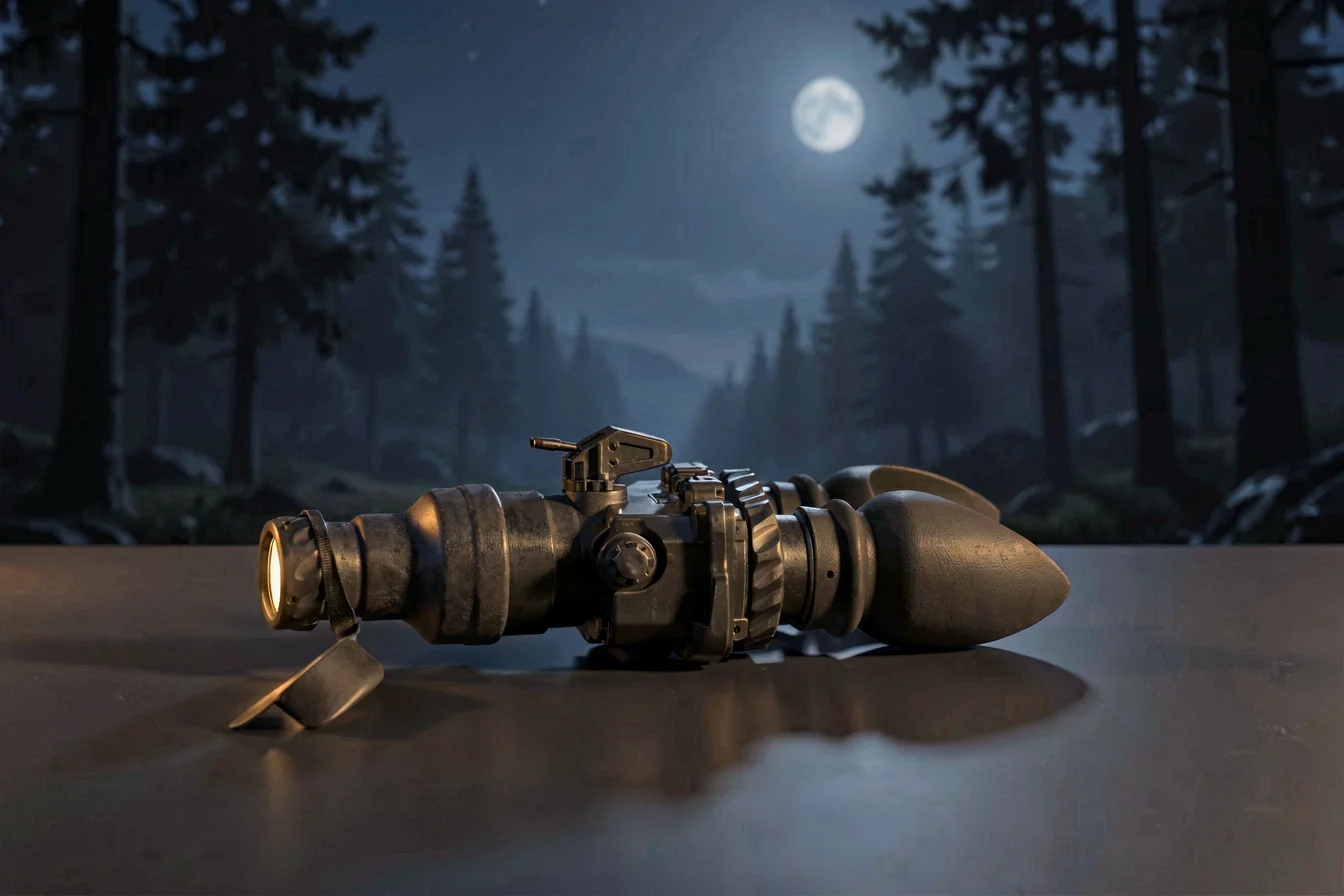
The PVS-17 night vision device is the preferred choice for mission-critical tactical, military, and commercial applications, offering lightweight Gen III imaging, high reliability, and water resistance. Other night vision devices, like the PVS-14 night vision device and PVS-7 night vision device , remain dominant for budget-conscious buyers and multi-role use. Procurement logic favors the PVS-17 night vision device for specialized, high-performance needs, but alternatives suit broader, cost-sensitive, or consumer applications.
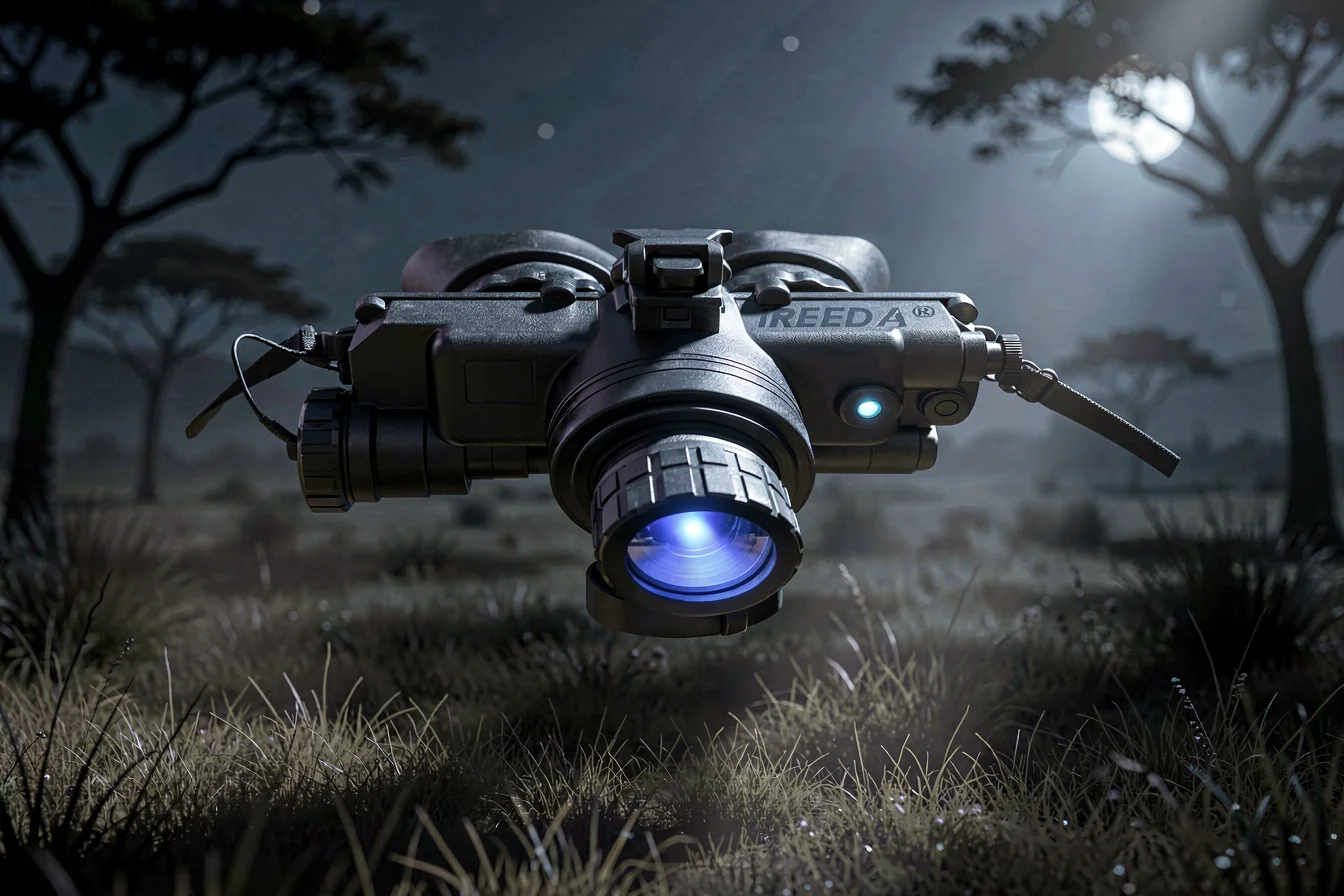
The core value in night vision procurement is achieving reliable, high-performance vision in low-light environments for tactical, commercial, or consumer use. The PVS-17 night vision device stands out as a Gen III miniature sight, weighing under 2lbs, with magnification options (2.25x or 4.5x), and water resistance up to 66 feet [2][3][6]. It’s widely used by US Special Operations Forces (SOF) and Marine Corps for weapon mounting on M4, M16, M249, and M240 systems. The PVS-14 night vision device is a Gen III monocular, favored for its versatility across rifles and helmets, with longer battery life and broader compatibility [5][11]. The PVS-7 night vision device is a Gen III monocular with 1x magnification, praised for simplicity, but heavier and less flexible [15].
Traditional challenges addressed by the PVS-17 night vision device include lightweight portability, high reliability, and water resistance—critical for SOF operations. Other devices, such as the PVS-14 night vision device , excel in versatility and longer battery life, while the PVS-7 night vision device is valued for simplicity and ease of use. Innovations in the PVS-17 include rapid target acquisition, quick-detach mounts, and improved detection range (350–500m), with recent fixes for technical issues like power interruption [2][3].
| Feature | PVS-17 Night Vision Device | PVS-14 Night Vision Device | PVS-7 Night Vision Device |
|---|---|---|---|
| Image Intensifier Gen | Gen III | Gen III | Gen III |
| Weight | <2lbs | ~1.8lbs | ~1.6lbs |
| Magnification | 2.25x or 4.5x | 2x | 1x |
| Detection Range | 350–500m | 250–300m | 200–300m |
| Battery Life | 16–32 hours | 28–32 hours | 22–24 hours |
| Water Resistance | 66ft | None | None |
| Mount Compatibility | Mil-std 1913 rail | Rifle, helmet | Rifle, helmet |
| Price (New) | $1,999–$9,000 | $2,800–$4,500 | $1,000–$3,000 |
| Certifications | Mil-Spec | Mil-Spec | Mil-Spec |
The PVS-17 night vision device delivers superior tactical performance and reliability for specialized procurement, while other devices offer broader versatility and lower entry costs for general use.
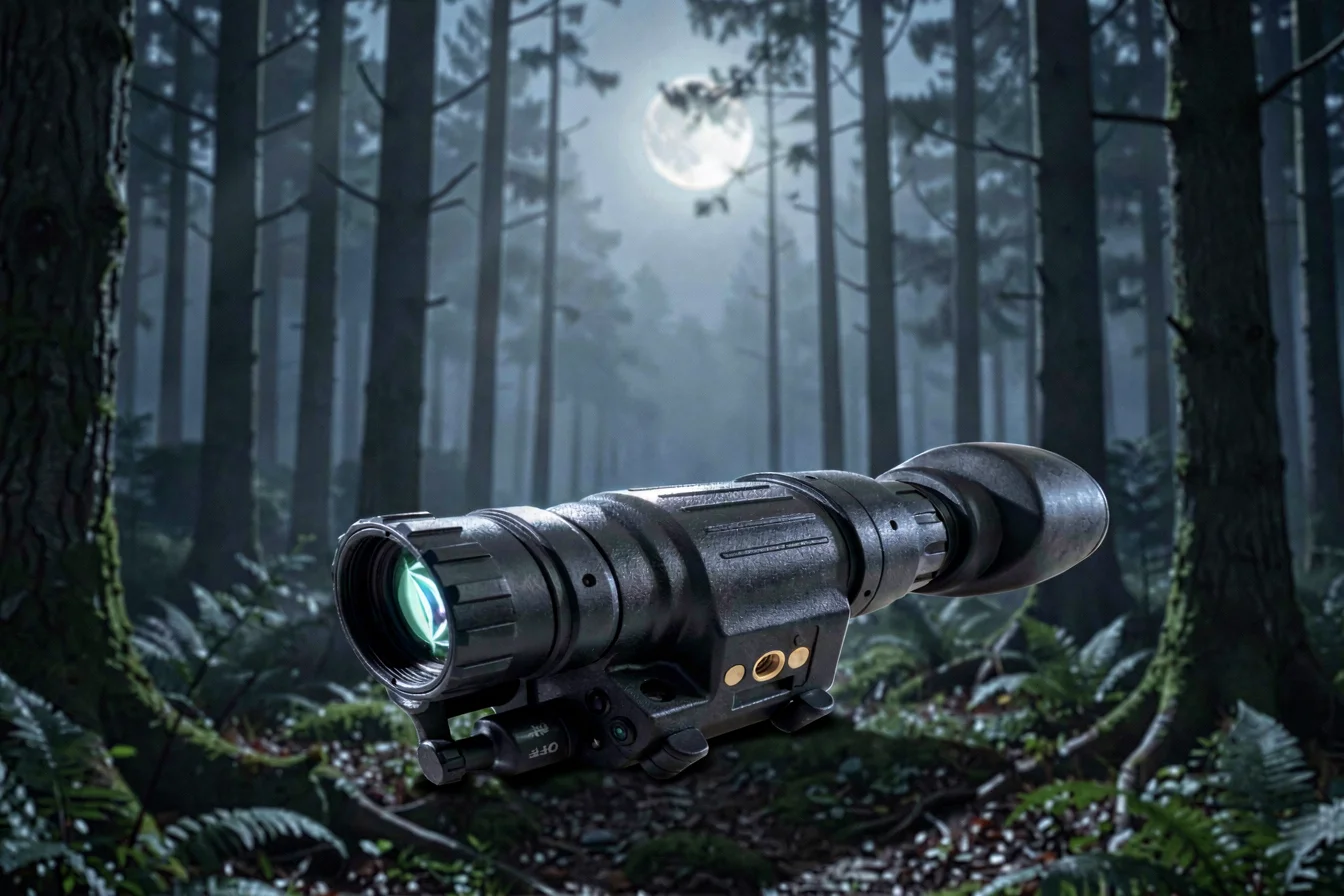
Durability is a critical procurement factor for night vision devices, especially in tactical and commercial applications. The PVS-17 night vision device is built for extreme environments, with water resistance up to 66 feet, Gen III tubes for long lifespan, and robust mounting systems [2][3]. Its lightweight design minimizes fatigue during extended operations, and its quick-detach mount ensures rapid field repairs or swaps. The PVS-14 night vision device is durable but heavier, with longer battery life and versatile mounting options, but is more prone to blem and wear issues [11]. The PVS-7 night vision device is less rugged, heavier, and lacks water resistance, making it less suitable for harsh tactical conditions [15].
Application scenarios differ: The PVS-17 night vision device excels in weapon mounting for SOF, rifle, and machine gun operations; the PVS-14 night vision device suits rifles, helmets, and general tactical use; the PVS-7 night vision device is best for entry-level tactical or consumer applications. Long-term costs are influenced by initial price, battery replacement, maintenance, and replacement frequency. PVS-17’s high price is offset by longer tube life and fewer replacements, while PVS-14 and PVS-7 require more frequent maintenance and battery swaps [11][14].
| Cost Factor | PVS-17 Night Vision Device | PVS-14 Night Vision Device | PVS-7 Night Vision Device |
|---|---|---|---|
| Initial Purchase Price | $1,999–$9,000 | $2,800–$4,500 | $1,000–$3,000 |
| Battery Life (Nominal) | 16–32 hours | 28–32 hours | 22–24 hours |
| Maintenance Frequency | Low | Medium | High |
| Replacement Tube Life | 5–7 years | 4–6 years | 3–5 years |
| Total 5-Year Ownership Cost | $2,200–$10,000 | $3,500–$5,500 | $2,000–$4,000 |
For buyers prioritizing long-term durability and minimal maintenance, the PVS-17 night vision device is the optimal investment, while the PVS-14 night vision device and PVS-7 night vision device suit cost-sensitive, multi-role, or consumer applications.
The core value of night vision devices is enabling mission-critical operations in low-light environments, with urgency rising as global security and commercial sectors demand reliable, high-performance vision solutions. The PVS-17 night vision device excels in tactical, SOF, and commercial applications where lightweight, high reliability, and water resistance are essential. Other devices, like the PVS-14 night vision device and PVS-7 night vision device , dominate budget, consumer, and multi-role use cases.
Market trend data: Google Trends shows rising interest in PVS-17 and PVS-14, with PVS-7 leading consumer demand [1]. Urbanization, multi-generational living, and e-commerce drive demand for versatile night vision devices, but specialized tactical needs favor the PVS-17.
Google Trends data reveals steady search interest for PVS-17 and PVS-14, with PVS-7 consistently leading consumer queries [1]. Peaks in search volume for PVS-17 occur in late 2025 and early 2026, correlating with procurement cycles and military upgrades.
Search Interest over Time
Interest in PVS-17 and PVS-14 aligns with tactical procurement cycles, but consumer demand for PVS-7 remains steady, reflecting broad application scenarios.
Reddit and TikTok discussions highlight contrasting buyer personas: tactical SOF users praise the PVS-17 night vision device for reliability and water resistance but criticize its high price and limited versatility. Consumers and budget buyers favor the PVS-14 night vision device and PVS-7 night vision device for affordability and multi-role use, but report issues with blem, battery life, and maintenance [10][11][14].
Case Study 1: Tactical SOF Buyer (PVS-17)
A Marine with Force Reconnaissance used the PVS-17 night vision device
during Operation Iraqi Freedom, noting its reliability and quick target acquisition. Technical issues were resolved, and the device is praised for water resistance and lightweight design. Quote: “It’s a cool optic, but especially at that point, it felt limiting, running a rifle that was optimized only for night vision. Now, I’d run an angled red dot, and be more ok with it.” [10]
Case Study 2: Budget Consumer (PVS-14)
A Reddit user purchased a PVS-14 night vision device
but received a unit with blem issues, highlighting the importance of warranty and accurate representation. Community advice focuses on returning defective units and prioritizing warranty coverage. Quote: “Buy cheap get cheap. Save money and get a warrantied non surplus system. Aurora can get a brand new Mil Spec PVS-14, 1800+ FOM WP to you for about $2,800.” [11]
| Dimension | PVS-17 Night Vision Device | PVS-14 Night Vision Device | PVS-7 Night Vision Device |
|---|---|---|---|
| Overall Satisfaction | High (SOF, tactical) | Medium (consumer) | Medium (consumer) |
| Most Praised Feature | Water resistance, reliability | Battery life, versatility | Simplicity, affordability |
| Most Common Complaint | Price, limited versatility | Blem, warranty issues | Weight, maintenance |
| Community Recommendation Rate | High (tactical) | Medium (consumer) | Medium (consumer) |
Viral content themes: PVS-17 praised for reliability and water resistance, PVS-14 and PVS-7 debated for affordability and blem issues. Cultural reception: Tactical buyers value performance and durability, while consumers prioritize price and versatility.
Social pulse confirms the PVS-17 night vision device as the top choice for tactical buyers, but alternatives remain popular for budget and multi-role use.
Buyers should clarify their core needs before purchasing: primary use case (tactical, commercial, consumer), budget range, must-have vs. nice-to-have features, and compatibility requirements. Key questions:
Tiered recommendations:
| Tier | Recommended Product | Key Reason |
|---|---|---|
| Budget-Friendly | PVS-14 Night Vision Device | Long battery life, versatility, lower entry cost |
| Mid-Range | PVS-7 Night Vision Device | Simplicity, affordability, entry-level tactical |
| Premium | PVS-17 Night Vision Device | Lightweight, water resistance, high reliability |
Optimization tips: Buy during procurement cycles for best pricing; prioritize warranty and maintenance support; bundle accessories for enhanced performance; avoid common mistakes like daylight exposure and improper cleaning [12].
Tactical buyers should prioritize the PVS-17 night vision device for reliability and performance; budget buyers should opt for PVS-14 or PVS-7 for versatility and affordability.
Key insights: The PVS-17 night vision device delivers superior tactical performance, durability, and reliability for mission-critical, commercial, and SOF applications, while alternatives suit broader, cost-sensitive, or consumer needs. Forward-looking trend recommendation: Expect continued demand for Gen III night vision devices, especially PVS-17, as military and commercial buyers prioritize reliability and water resistance. Over the next 6–12 months, anticipate rising procurement cycles, increased warranty support, and innovation in lightweight, multi-role devices.
Confident buyers should prioritize the PVS-17 night vision device for tactical needs, share their experiences, and commercial buyers should leverage wholesale platforms like Alibaba.com for bulk sourcing and optimized procurement.