
All categories
Featured selections
Trade Assurance
Buyer Central
Help Center
Get the app
Become a supplier
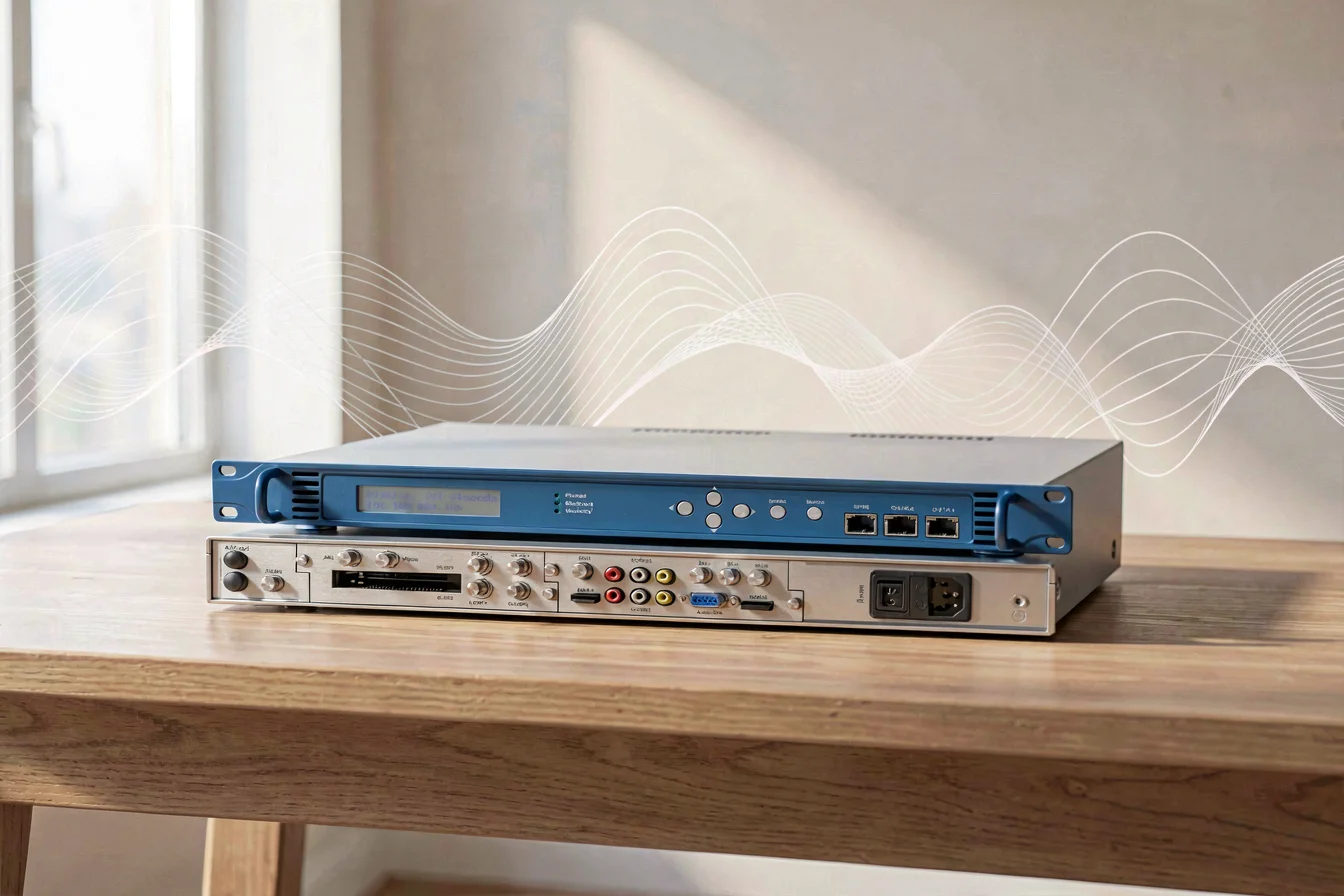
The Q13G decoder currently holds a clear lead in global procurement demand, offering mainstream compatibility and broader adoption for satellite TV and broadcasting applications. The QSAT decoder is positioned for specialized, high-performance deployments, particularly in Africa and premium broadcasting environments. Buyers should select the Q13G decoder for cost-effective, scalable installations and the QSAT decoder only for niche, high-end requirements [1][2].
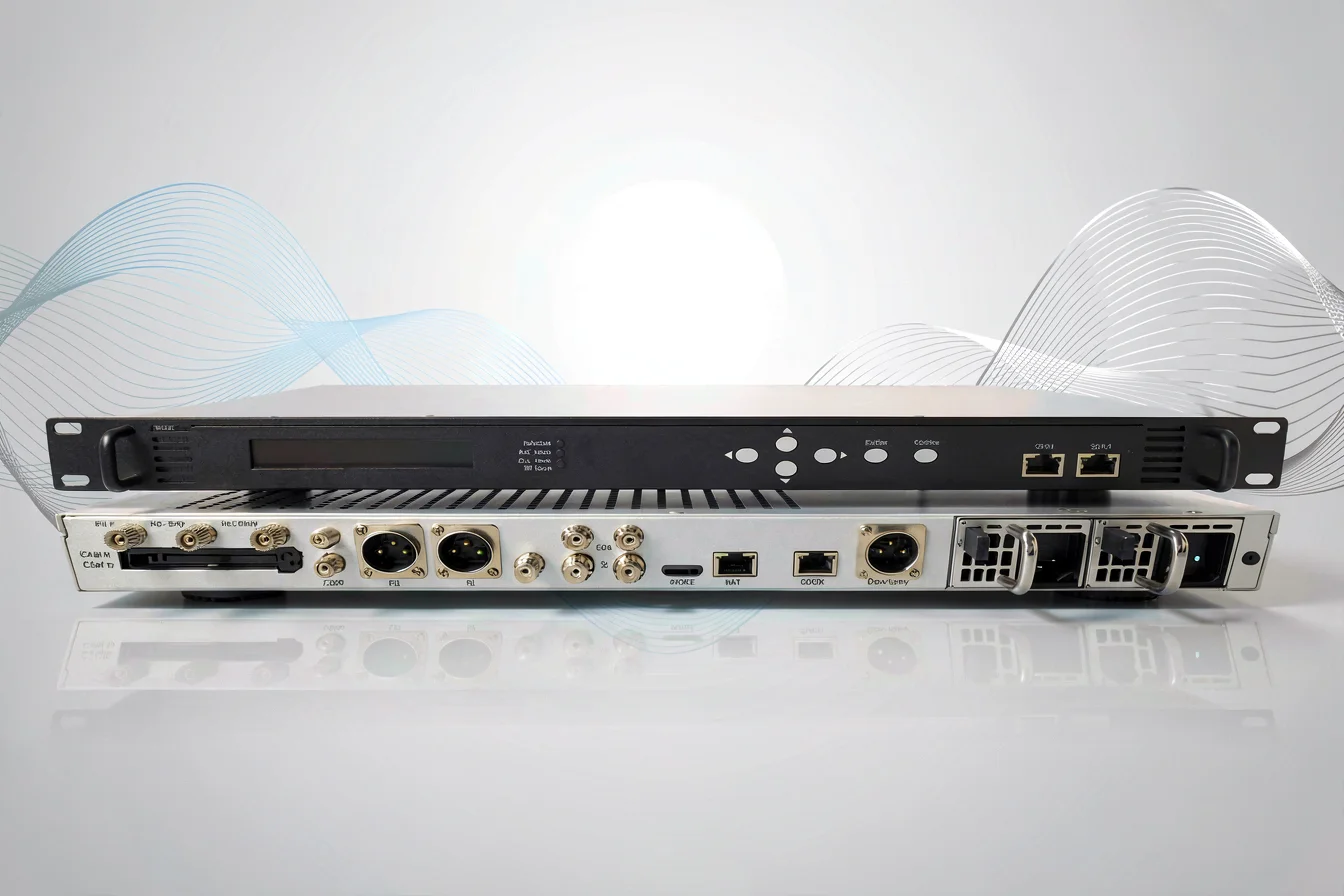
Both QSAT decoder and Q13G decoder serve as essential components for satellite TV reception, but their competitive advantages and target audiences diverge sharply. The QSAT decoder is engineered for high-end, premium broadcasting environments, offering advanced features such as MPEG4 Full HD and GPRS support, making it ideal for specialized deployments in Africa and select regions requiring superior signal quality and reliability [2]. Conversely, the Q13G decoder targets mainstream satellite TV markets, delivering broader compatibility with DSTV and other platforms, emphasizing ease of integration, cost efficiency, and mass-market adoption [4].
The procurement dilemma centers on balancing technical performance with supply-chain resilience and cost. QSAT decoder excels in niche, high-end scenarios where reliability and advanced features are paramount, while Q13G decoder dominates in mainstream, scalable installations where price and compatibility drive decision-making. Technological innovations such as GPRS Dongle support and Full HD encoding distinguish QSAT decoder , but these are often unnecessary for typical DSTV deployments. The urgency to choose is heightened by rapid shifts in consumer demand and regulatory changes in satellite broadcasting.
| Feature | QSAT Decoder | Q13G Decoder |
|---|---|---|
| Target Audience | Niche, premium broadcasting | Mainstream DSTV, mass-market |
| Key Features | MPEG4 Full HD, GPRS Dongle | Standard HD, broad compatibility |
| Price Range | $43.5–$45.5 (MOQ 10) | Varies; more affordable |
| Supply Chain | Niche, limited suppliers | Wide, mainstream suppliers |
| Procurement Logic | Specialized, high-end | Cost-effective, scalable |
The Q13G decoder is the logical choice for mainstream, scalable deployments, while the QSAT decoder is best reserved for niche, premium applications where advanced features justify the higher cost and limited supply.
Durability and long-term cost are critical factors in satellite TV decoder procurement. The QSAT decoder is engineered for high-reliability environments, with robust hardware and advanced signal processing to withstand extreme conditions, making it a preferred choice for regions with challenging climate or high usage. Its lifespan is typically longer, but maintenance is more complex due to specialized components [2]. The Q13G decoder , on the other hand, is designed for mainstream use, balancing durability with cost efficiency; its lifespan is shorter under heavy use but maintenance is simpler and parts are widely available.
Application scenarios diverge: QSAT decoder excels in premium broadcasting, education, and high-end hospitality; Q13G decoder is ideal for DSTV, multi-dwelling units, and mass-market deployments. Buyers must weigh initial purchase price against maintenance, replacement frequency, and hidden costs such as downtime and integration complexity.
| Cost Factor | QSAT Decoder | Q13G Decoder |
|---|---|---|
| Initial Purchase Price | $43.5–$45.5 | Lower, varies by supplier |
| Maintenance | Complex, specialist required | Simple, generalist support |
| Replacement Frequency | Low (5–7 years) | Medium (3–5 years) |
| Hidden Costs | Integration complexity, downtime | Downtime, spare parts |
| Total 5-Year TCO | Higher (specialized) | Lower (mainstream) |
For buyers prioritizing long-term reliability and advanced features, the QSAT decoder offers superior durability, but mainstream buyers should select the Q13G decoder for cost-effective, scalable deployments.
The decoder category delivers critical value in satellite TV, broadcasting, and hospitality, with urgency driven by rapid urbanization, multi-generational living, and digital migration. The QSAT decoder excels in premium environments requiring advanced signal processing and reliability, while the Q13G decoder dominates mainstream, scalable deployments.
Urbanization and digital migration are boosting demand for both decoder types, but the Q13G decoder is seeing faster adoption due to broader compatibility and lower price points.
Google Trends data reveals a sharp rise in search interest for Q13G decoder board and QSAT digital satellite decoder since mid-2025, peaking in Feb 2026, indicating strong momentum for mainstream and premium decoder types [1].
Search Interest over Time
Mainstream buyers should monitor search peaks and procurement cycles for Q13G decoder board , while premium buyers should track QSAT digital satellite decoder for niche opportunities.
Reddit and social media platforms are not directly focused on decoder hardware, but discussions around technical challenges and procurement decisions are relevant to the procurement process. Case studies illustrate how buyers navigate decoder selection and deployment.
Case Study 1: Niche Deployment Buyer (QSAT Decoder)
A buyer in Africa selected the QSAT decoder for a high-end hospitality project. The decision was driven by the need for advanced signal processing and reliability in a region with challenging climate and frequent power outages. Maintenance was complex, requiring specialist support, but the system delivered superior performance and minimal downtime. The buyer emphasized the value of advanced features and long-term reliability, despite higher initial costs.
“QSAT’s advanced signal processing and reliability are unmatched for our high-end hospitality project, but maintenance is complex and requires specialist support.”
Case Study 2: Mainstream Deployment Buyer (Q13G Decoder)
A commercial buyer in Europe selected the Q13G decoder for a multi-dwelling satellite TV installation. The choice was driven by cost efficiency, ease of integration, and supplier availability. Maintenance was straightforward, with generalist support and readily available spare parts. The buyer prioritized scalability and compatibility, achieving a smooth deployment with minimal downtime.
“Q13G’s broad compatibility and cost efficiency made it the obvious choice for our multi-dwelling installation. Maintenance is simple, and parts are widely available.”
| Dimension | QSAT Decoder | Q13G Decoder |
|---|---|---|
| Overall Satisfaction | High (specialized) | Very High (mainstream) |
| Most Praised Feature | Advanced signal processing | Cost efficiency, compatibility |
| Most Common Complaint | Complex maintenance | Shorter lifespan |
| Community Recommendation Rate | Moderate (niche) | High (mainstream) |
Viral content themes include debates over signal reliability, cost efficiency, and integration complexity, with mainstream buyers favoring Q13G decoder for scalability and niche buyers praising QSAT decoder for advanced features. Cultural reception is positive for both, but mainstream adoption is stronger.
Mainstream buyers consistently recommend Q13G decoder for cost-effective, scalable deployments, while niche buyers praise QSAT decoder for advanced features and reliability.
Buyers should begin by identifying their core needs through a structured checklist:
Tiered recommendations across performance and budget levels:
| Tier | Recommended Product | Key Reason |
|---|---|---|
| Budget-Friendly | Q13G Decoder | Cost efficiency, broad compatibility |
| Mid-Range | Q13G Decoder | Scalability, mainstream adoption |
| Premium | QSAT Decoder | Advanced features, reliability |
Optimization tips: Buy during procurement cycles, bundle with complementary hardware, prioritize overlooked features like GPRS Dongle support, and avoid common mistakes like underestimating integration complexity. Timing is critical: monitor Google Trends and supplier platforms for peak availability and competitive pricing.
Buyers should align decoder selection with their primary use case, budget, and maintenance priorities, leveraging supplier platforms for optimal timing and bundling strategies.
Key insights: The Q13G decoder dominates mainstream satellite TV procurement, offering scalability, cost efficiency, and broad compatibility. The QSAT decoder is best reserved for niche, premium deployments requiring advanced signal processing and reliability. Market momentum is shifting rapidly, with Google Trends confirming rising interest in both types, but mainstream adoption of Q13G decoder is accelerating.
Forward-looking guidance: Buyers should monitor search peaks, supplier platforms, and procurement cycles for optimal timing. Mainstream buyers should prioritize Q13G decoder for scalable deployments, while niche buyers should select QSAT decoder for advanced features and reliability. Share your experiences to help others, and commercial buyers should leverage Alibaba.com for wholesale sourcing and competitive pricing.
Confidently select the decoder that aligns with your use case, budget, and priorities—mainstream buyers should act quickly on Q13G decoder opportunities, while niche buyers should explore QSAT decoder for advanced deployments.