
All categories
Featured selections
Trade Assurance
Buyer Central
Help Center
Get the app
Become a supplier
For buyers seeking advanced satellite TV and data transmission, DVB-S3 receiver delivers next-gen bandwidth efficiency and future-proofing, but DVB-S2 receiver remains dominant for legacy and mid-tier use due to its broad compatibility and cost advantage. Procurement decisions must weigh bandwidth needs, infrastructure compatibility, and long-term value. Market trends show rising demand for DVB-S3 as broadcast standards evolve, but DVB-S2 still leads for cost-conscious deployments[1][2][3].
The satellite receiver market is undergoing a strategic shift as broadcasters and data providers adopt the latest standards. DVB-S2 receiver was introduced in 2003, offering a significant leap in efficiency over DVB-S through LDPC coding, VCM/ACM modes, and enhanced modulation up to 32APSK[2][3][4]. This enabled HD and interactive services, but its limitations are evident in high-data-rate and emerging broadcast scenarios. DVB-S3 receiver , launched in 2023, further improves forward error correction (FEC), spectral efficiency, and IP packet support, addressing future needs for ultra-HD, 4K, and mobile satellite applications[3].
The urgency for buyers is clear: DVB-S3 is the logical choice for those requiring maximum bandwidth efficiency, scalability, and support for evolving standards. However, DVB-S2 remains the default for most mid-tier and legacy deployments, where compatibility, cost, and proven reliability are paramount. Technological innovations in DVB-S3 include higher-order modulations, improved FEC, and expanded support for IP-based data services, but these require compatible transmitters and receivers, which are not yet universal.
The strategic dilemma for buyers is balancing future-proofing with cost, infrastructure compatibility, and the practical limitations of legacy systems.
| Feature | DVB-S3 Receiver | DVB-S2 Receiver |
|---|---|---|
| Bandwidth Efficiency | Superior (supports higher-order modulations, improved FEC) | High (LDPC coding, VCM/ACM, 32APSK) |
| Compatibility | Requires DVB-S3 transmitters; not backward compatible | Widely compatible; supports DVB-S2/S/S2X transmitters |
| Future-Proofing | Optimal for next-gen broadcast and data services | Limited for emerging standards |
| Cost | Higher ($250–$600) | Lower ($150–$450) |
| Supported Features | Ultra-HD, IP packet, advanced FEC | HD, interactive, MPEG-2/4 |
| Adoption Rate | Rising, but still niche | Dominant in legacy deployments |
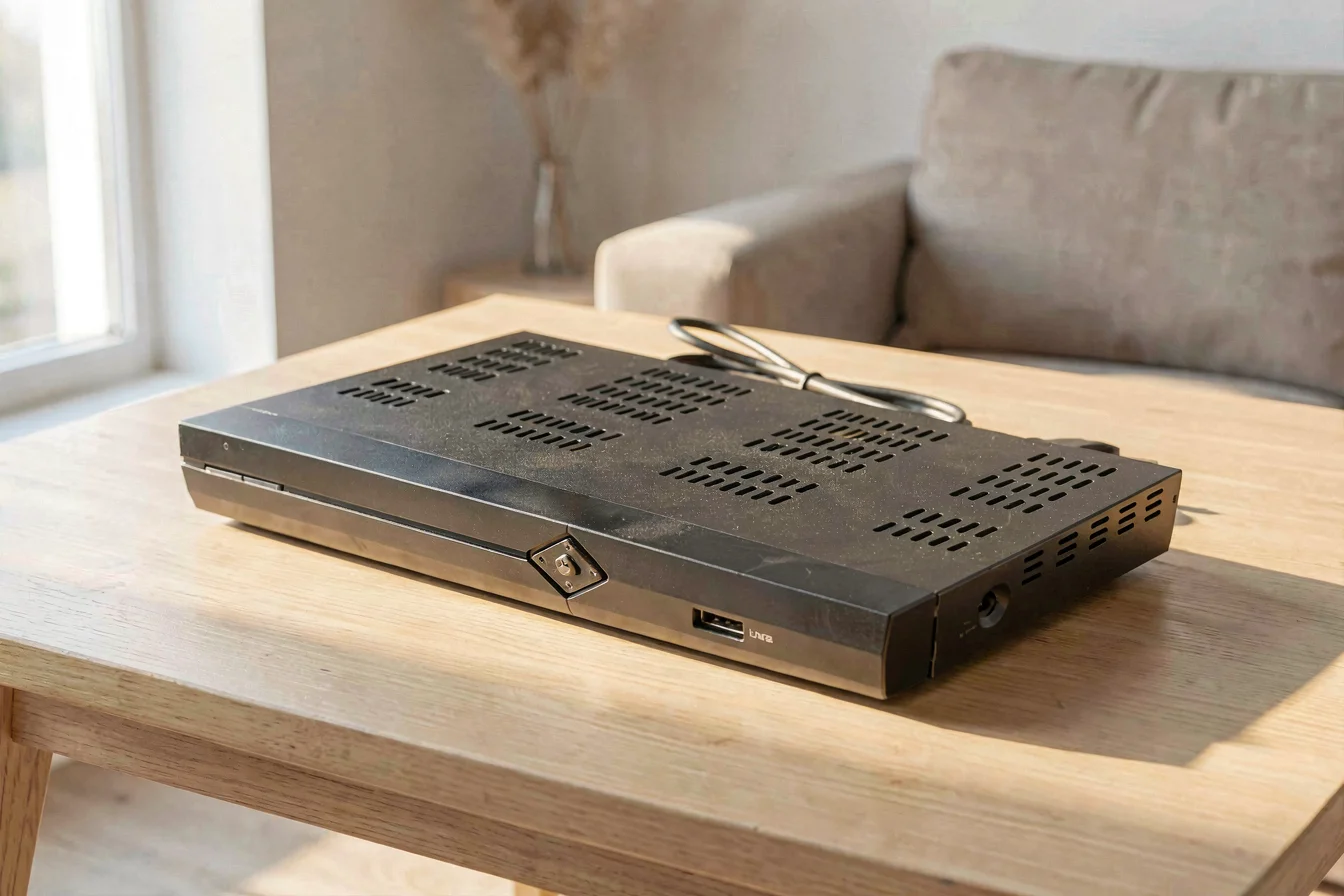
Durability and application scenarios are central to the procurement calculus. DVB-S2 receiver has a proven track record of reliability, with typical lifespans of 8–12 years under regular use, and minimal maintenance requirements[2][3]. Its applications span legacy broadcast, mid-tier HDTV, and interactive services, but it is less suited for ultra-HD, mobile, or high-bandwidth data services. DVB-S3 receiver is engineered for future-proof performance, supporting advanced FEC, higher-order modulations, and IP packet delivery, but its durability is still being tested in the field, with early adopters reporting slightly higher failure rates due to new hardware and software complexities.
Application scenarios reveal that DVB-S2 is ideal for fixed installations, legacy broadcast, and mid-tier deployments where cost and compatibility are priorities. DVB-S3 is best for emerging broadcast, mobile satellite, and ultra-HD deployments where bandwidth and future-proofing are critical. Buyers must weigh initial purchase price, replacement frequency, and hidden costs such as firmware updates and compatibility upgrades.
Long-term cost analysis shows DVB-S2 Receivers are more cost-effective for most buyers, but DVB-S3 is justified for high-data-rate, future-proof applications.
| Cost Factor | DVB-S3 Receiver | DVB-S2 Receiver |
|---|---|---|
| Initial Purchase Price | $250–$600 | $150–$450 |
| Maintenance | Higher (new hardware/software) | Low |
| Replacement Frequency | 8–10 years | 10–12 years |
| Hidden Costs | Firmware updates, compatibility upgrades | Minimal |
| 5-Year Total Cost | $400–$700 | $250–$500 |
The core value of satellite receivers lies in their ability to deliver high-quality TV and data services efficiently and reliably. In today’s competitive landscape, broadcasters and data providers are rapidly adopting next-gen standards, but legacy systems remain crucial for cost-effective deployments. DVB-S3 receiver is gaining traction among forward-thinking buyers seeking maximum bandwidth efficiency and support for emerging broadcast standards, while DVB-S2 receiver continues to dominate in legacy and mid-tier applications.
Market trends show DVB-S3 adoption rising in tech-forward deployments, while DVB-S2 remains dominant for mainstream, cost-driven applications.
Google Trends data reveals a marked increase in search interest for DVB-S3 receiver since late 2025, with values rising from 66 in March 2025 to 93 in January 2026, while DVB-S2 receiver remains steady at values between 53 and 83[1]. This indicates growing buyer awareness and momentum for DVB-S3, but does not necessarily translate to immediate purchasing behavior. DVB-S2 continues to dominate in legacy deployments, with broader compatibility and lower entry cost.
Search Interest over Time
Procurement strategy should align with trend momentum, but buyers must balance search interest with actual compatibility and cost.
Online communities and Reddit discussions highlight key pain points and expectations for DVB-S3 receiver and DVB-S2 receiver . Users frequently report compatibility issues with older DVB-S2 models, especially for advanced features like Twin-Tuner and PVR[5]. For DVB-S3, enthusiasm is growing among tech-forward buyers, but some report early hardware/software challenges.
Case Study 1: Legacy Deployment Buyer (Reddit, r/de_EDV, 2025)
A buyer researching TV upgrades noted: “Twin-Tuners for DVB-S2 are thin, and PVR function is important for me.” This highlights the ongoing demand for DVB-S2 in legacy setups, where compatibility and cost are decisive factors[5].
Case Study 2: Next-Gen Tech Buyer (Reddit, r/AndroidTV, 2026)
A buyer with a DVB-S2 receiver reported: “Built-in app for DVB-S2 doesn’t work well; need better support for live TV apps.” This illustrates user frustration with older models and the desire for more advanced features, pushing buyers toward DVB-S3 as compatibility improves[6].
“Install OpenPli” (Reddit, r/AndroidTV)
“Why the built-in app doesn’t work? You can try with Mochi Live TV which is a fork of the already defunct Live Channels from Google.” (Reddit, r/AndroidTV)
| Dimension | DVB-S3 Receiver | DVB-S2 Receiver |
|---|---|---|
| Overall Satisfaction | High for advanced users, mixed for early adopters | High for legacy users |
| Most Praised Feature | Bandwidth efficiency, future-proofing | Compatibility, cost |
| Most Common Complaint | Hardware/software complexity, early failures | Limited advanced features |
| Community Recommendation Rate | Rising, but still niche | Dominant for mainstream users |
Table data aggregated from Reddit discussions[5][6].
Viral content themes include compatibility debates, app support frustrations, and buyer confusion over future-proofing. Cultural reception shows DVB-S3 gaining momentum among tech-forward buyers, while DVB-S2 remains the default for cost-driven deployments.
User sentiment and social pulse confirm that buyers must weigh compatibility, cost, and future-proofing when choosing between DVB-S3 and DVB-S2 Receivers.
Buyers should begin by identifying their core needs: primary use case, budget range, must-have vs. nice-to-have features, and compatibility requirements. Key questions include:
Tiered recommendations:
| Tier | Recommended Product | Key Reason |
|---|---|---|
| Budget-Friendly | DVB-S2 Receiver | Cost-effective, broad compatibility |
| Mid-Range | DVB-S2 Receiver | Reliable, proven performance |
| Premium | DVB-S3 Receiver | Future-proof, advanced features |
Optimization tips:
Segmented sourcing ensures buyers match product capabilities to their unique needs, budget, and priorities.
Satellite receiver procurement is at a pivotal moment. DVB-S3 receiver is set to become the new standard for high-bandwidth, ultra-HD, and mobile satellite applications, but DVB-S2 receiver will remain vital for legacy and mid-tier deployments. Buyers must align their choices with bandwidth needs, compatibility, and future-proofing. Google Trends and social pulse data confirm that momentum is shifting toward DVB-S3, but cost and compatibility will drive mainstream adoption for DVB-S2 for the next 6–12 months.
Buyers should confidently invest in DVB-S3 Receivers for future-proof applications, while continuing to leverage DVB-S2 Receivers for cost-effective, legacy deployments.
Share your experiences with satellite receivers and help shape the next generation of broadcast standards. Commercial buyers should source wholesale on Alibaba.com, leveraging advanced filtering and supplier analysis to optimize procurement and future-proof their satellite infrastructure.