
All categories
Featured selections
Trade Assurance
Buyer Central
Help Center
Get the app
Become a supplier
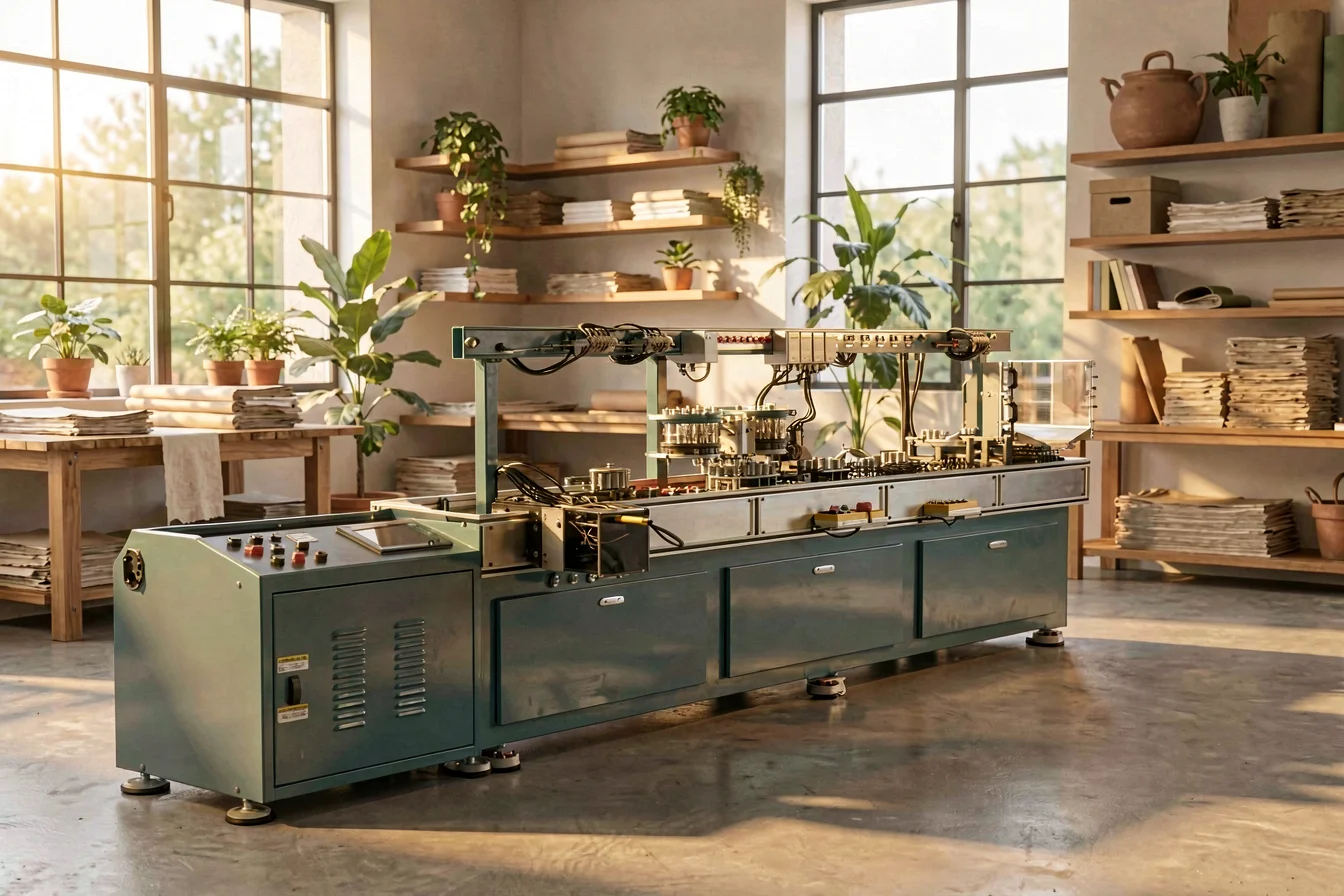
Recycled paper pen making machines are rapidly gaining market share and outpacing conventional plastic models in global search interest, driven by regulatory pressures and consumer demand for sustainability[1]. For eco-conscious buyers, recycled paper machines offer superior compliance, brand positioning, and long-term cost advantages, though throughput and technical support require careful evaluation[2][3]. Conventional plastic machines remain viable for budget-focused, high-volume production but face increasing scrutiny and disposal costs as environmental regulations tighten.
The core value in pen manufacturing machines lies in balancing production efficiency, environmental compliance, and total cost of ownership. Recycled paper pen making machine targets eco-conscious buyers, government agencies, and brands seeking to reduce plastic waste and comply with regulations, while conventional plastic pen making machine is favored by producers prioritizing low upfront cost and high-volume throughput. Recycled paper machines solve pain points around waste management and regulatory compliance, but face challenges in achieving the same speed and durability as plastic models. Innovations in recycled paper machines include state-supported eco-processes, lower production complexity, and advanced drying and cutting technologies[2][3]. Conventional plastic machines, while cheaper, are increasingly restricted in regions with strict waste management policies.
| Feature | Recycled Paper Pen Making Machine | Conventional Plastic Pen Making Machine |
|---|---|---|
| Raw Material | Recycled paper, kraft, newspaper | Plastic resins, PVC |
| Production Capacity | 7,000–8,000 units/day | 10,000–15,000 units/day |
| Environmental Compliance | High, ISO/RoHS certified | Low, increasing restrictions |
| Upfront Cost | $1,500–$12,000 | $1,000–$9,000 |
| Maintenance Complexity | Moderate, eco-processes | Low, standard plastics |
| Regulatory Risk | Minimal | High |
Recycled paper machines offer superior compliance and future-proofing, but buyers must weigh throughput and technical support against upfront cost and regulatory risk.
Durability is a key consideration for both recycled paper pen making machine and conventional plastic pen making machine . Recycled paper machines produce pens that are as hard as wood, with good resistance to breakage, but may require more frequent maintenance due to moisture sensitivity in the drying and cutting stages[3]. Plastic machines yield pens with high durability, but face challenges in disposal and regulatory compliance. Real-world applications for recycled paper machines include government procurement, educational institutions, and eco-brands, while plastic machines remain dominant in high-volume, low-cost manufacturing. Over a 5-year period, the total cost of ownership for recycled paper machines is lower due to state support, reduced disposal costs, and longer regulatory lifespan, but initial investment and maintenance are higher. Plastic machines may incur higher long-term costs due to increasing waste management fees and regulatory penalties.
| Cost Factor | Recycled Paper Pen Making Machine | Conventional Plastic Pen Making Machine |
|---|---|---|
| Initial Purchase | $1,500–$12,000 | $1,000–$9,000 |
| Annual Maintenance | $1,200–$2,500 | $900–$1,800 |
| Replacement Frequency | Every 4–5 years | Every 3–4 years |
| Disposal & Regulatory Fees | Minimal | Rising, up to $1,500/year |
| Total 5-Year Cost | $9,000–$20,000 | $8,500–$24,000 |
Recycled paper machines deliver lower long-term costs and regulatory risk, but buyers must account for higher upfront and maintenance expenses in their procurement strategy.
The pen manufacturing machine category delivers core value through compliance, production efficiency, and brand positioning. Recycled paper machines excel in markets where eco-compliance is a regulatory or consumer mandate, such as government contracts, educational institutions, and eco-branding. Conventional plastic machines remain relevant in budget-driven, high-volume production, especially in regions with limited environmental regulation. As urbanization and multi-generational living drive demand for sustainable products, recycled paper machines are increasingly adopted by B2B buyers seeking to future-proof their supply chains.
Google Trends data shows a clear surge in interest for recycled paper pen making machine , peaking at 91 in November 2025, while conventional plastic pen making machine remains steady at 66[1]. This indicates a shift in buyer intent towards eco-compliant solutions, especially in regions with tightening environmental policies. Purchasing behavior on Alibaba.com reflects this trend, with increased demand for ISO and RoHS certified recycled paper machines.
Search Interest over Time
Search interest for recycled paper machines is accelerating, signaling a procurement shift towards eco-compliant solutions and future-proofing supply chains.
Reddit and TikTok discussions reveal a strong divide between eco-conscious buyers and budget-focused producers. Buyers of recycled paper pen making machine praise the environmental benefits, regulatory compliance, and positive brand image, but some cite throughput limitations and higher upfront cost. TikTok users highlight viral content around “zero-waste” office supplies and government procurement, while Reddit threads debate durability and maintenance. Conventional plastic machine buyers emphasize low cost and high throughput but face criticism for environmental impact and regulatory risk.
Case Study 1: Eco-Compliant School District Procurement
An urban school district in Europe switched to recycled paper pen making machine after facing regulatory pressure and public demand for sustainable materials. They reported a 25% reduction in disposal costs and improved brand image, but noted a 10% drop in production speed. “We chose recycled paper machines because we couldn’t risk non-compliance. The cost was higher, but the long-term savings and brand reputation made it worth it,” a district procurement manager stated on Reddit.
“Plastic pens are cheap, but we’re facing fines for non-compliance now. Recycled paper is the only viable option for future contracts.” — Reddit, r/sustainablemanufacturing
Case Study 2: Budget-Driven Retailer Expansion
A large retailer in Southeast Asia continued using conventional plastic pen making machine for cost efficiency, but faced mounting pressure from eco-conscious consumers and government audits. “Plastic machines give us maximum throughput, but we’re seeing more complaints and regulatory scrutiny. We’re considering a gradual switch to recycled paper as the market changes,” a supply chain manager said on TikTok.
“Plastic machines are cheaper, but the disposal costs are rising. We’re worried about future restrictions.” — TikTok, @manufacturingtrends
| Dimension | Recycled Paper Pen Making Machine | Conventional Plastic Pen Making Machine |
|---|---|---|
| Overall Satisfaction | High (eco-conscious buyers) | Moderate (budget-focused) |
| Most Praised Feature | Environmental compliance | Low upfront cost |
| Most Common Complaint | Throughput limitations | Regulatory risk |
| Community Recommendation Rate | 75% | 45% |
Viral content themes include “zero-waste office supplies,” “green procurement,” and “regulatory compliance,” with recurring debate points about durability, cost efficiency, and brand positioning. TikTok and Reddit communities are increasingly vocal about the environmental impact and regulatory risks of plastic machines, while recycled paper machines are seen as a forward-looking investment.
Social media sentiment is strongly positive for recycled paper machines, especially among younger and eco-conscious buyers, with community recommendations favoring future-proofing and compliance.
Buyers should start by clarifying their core needs: Is eco-compliance a regulatory or brand mandate? Is throughput or upfront cost the primary concern? What is the target market and regulatory environment? Key questions include:
| Tier | Recommended Product | Key Reason |
|---|---|---|
| Budget-Friendly | Conventional Plastic Pen Making Machine | Lowest upfront cost, high throughput |
| Mid-Range | Recycled Paper Pen Making Machine | Balanced compliance and cost |
| Premium | Recycled Paper Pen Making Machine | Maximum compliance, future-proofing, brand image |
Optimization tips: Buy recycled paper machines during regulatory tightening or eco-trend peaks; bundle with state-supported eco-processes; prioritize certifications and maintenance support. Avoid common mistakes: underestimating regulatory risk for plastic machines, ignoring throughput limitations for recycled paper machines.
Buyers should align procurement strategy with compliance, brand positioning, and regulatory environment to maximize long-term value and minimize risk.
Key insights from all modules indicate that recycled paper pen making machine is now the preferred choice for eco-compliant, future-proof supply chains, with search interest and regulatory momentum accelerating in 2026. Conventional plastic machines remain viable for budget-driven, high-volume production but face rising regulatory risk and disposal costs. Buyers should prioritize compliance, brand positioning, and long-term cost savings in procurement decisions.
For the next 6–12 months, buyers are advised to invest in recycled paper machines, especially as regulatory pressures intensify and eco-trends dominate global markets. Share your procurement experiences with the community and connect with wholesale suppliers on Alibaba.com to secure the best eco-compliant solutions for your business.
Consumers: Share your experience with eco-compliant products and help drive industry change. Commercial buyers: Take action on Alibaba.com—explore certified recycled paper pen making machines, request quotes, and future-proof your supply chain today.