
All categories
Featured selections
Trade Assurance
Buyer Central
Help Center
Get the app
Become a supplier
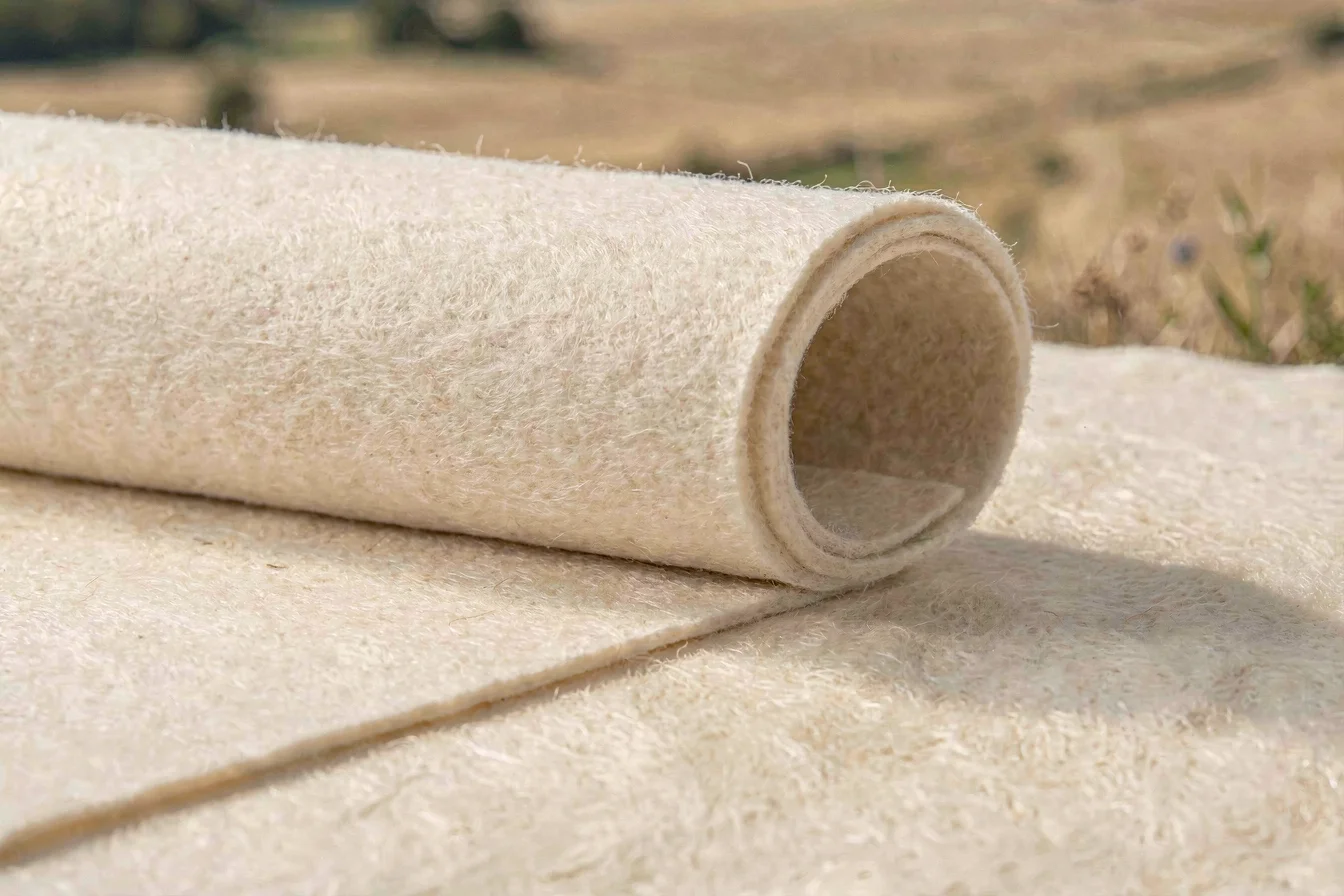
For procurement decisions, virgin wool felt delivers superior softness, durability, and resilience, making it ideal for premium, long-life applications. Recycled wool felt is a sustainable, cost-effective alternative but may sacrifice softness and longevity. Demand is rising for both, but virgin wool felt maintains higher search and commercial momentum, especially in premium and brand-sensitive sectors [1][2][3][4].
The procurement dilemma between recycled wool felt and virgin wool felt hinges on balancing sustainability, durability, and cost. Virgin wool felt is sourced from untouched wool fibers, offering inherent softness, elasticity, and resilience that premium buyers value for long-term use in fashion, home textiles, and high-end crafts. Recycled wool felt , made from repurposed wool scraps, is prized for its environmental credentials and lower price, but often compromises on texture, strength, and longevity. The urgency for buyers is driven by the need to meet sustainability targets, quality standards, and cost constraints, especially as global demand for eco-friendly materials rises.
Key differences: virgin wool felt fibers are longer, smoother, and more elastic, resulting in superior softness and resistance to pilling. Recycled wool felt fibers are shorter, coarser, and more prone to breakage, leading to rougher texture and less durability. Innovations in recycled wool felt include advanced cleaning and re-spinning techniques, but the base material quality remains inferior. Virgin wool felt is favored for high-value applications requiring consistent performance, while recycled wool felt suits cost-sensitive, eco-focused buyers.
| Feature | Recycled Wool Felt | Virgin Wool Felt |
|---|---|---|
| Softness | Medium to low | High |
| Durability | 5–10 years | 10–20 years |
| Elasticity | Low | High |
| Sustainability | High | Medium |
| Price | 15–30% lower | 10–20% higher |
| Certifications | Recycled content | OEKO-TEX |
Virgin Wool Felt is the preferred choice for premium, long-life applications, while Recycled Wool Felt is ideal for eco-conscious, budget-driven procurement.
Durability is the cornerstone of procurement for virgin wool felt and recycled wool felt . Virgin wool felt fibers are longer and smoother, ensuring consistent performance and resistance to pilling, shrinkage, and wrinkling. Its expected lifespan ranges from 10 to 20 years, supporting high-value applications such as luxury blankets, upholstery, and premium crafts [2][4]. Recycled wool felt is more affordable but typically lasts 5–10 years, with shorter fibers and a rougher texture that may lead to faster wear and tear. This makes it suitable for budget-friendly, short-term uses like insulation, craft projects, and disposable textiles.
Real-world applications highlight the strengths and limitations of each. Virgin wool felt excels in premium home textiles, apparel, and luxury crafts, while recycled wool felt is favored for insulation, eco-friendly crafts, and cost-sensitive projects. Buyers must weigh their primary use case, environment, and demands—especially in commercial and hospitality sectors where durability and softness are critical.
Long-term cost evaluation reveals the total cost of ownership over five years. Virgin wool felt has a higher initial price but lower replacement frequency, yielding better value for premium buyers. Recycled wool felt is cheaper upfront but may require more frequent maintenance and replacement, offsetting some cost savings. Hidden costs include maintenance (cleaning, repair), replacement frequency, and potential brand impact from perceived lower quality.
| Cost Factor | Recycled Wool Felt | Virgin Wool Felt |
|---|---|---|
| Initial Purchase Price | $15–$30/m² | $18–$40/m² |
| Maintenance (5 years) | $4–$6/m² | $2–$3/m² |
| Replacement Frequency | 2–3 times | 1 time |
| Hidden Costs (brand impact) | Medium | Low |
| Total 5-Year Cost | $29–$42/m² | $22–$43/m² |
Virgin Wool Felt offers better value over time for premium buyers, while Recycled Wool Felt suits cost-driven, eco-conscious projects.
The wool felt market is driven by sustainability, durability, and versatility. Virgin wool felt is prized for its premium feel and longevity, appealing to luxury, hospitality, and high-end craft buyers. Recycled wool felt is favored for its environmental impact, supporting brands targeting eco-conscious consumers and cost-sensitive commercial buyers.
Market trend data indicates rising interest in eco-friendly materials, with virgin wool felt maintaining higher search and commercial momentum. Urbanization, multi-generational living, and e-commerce growth are fueling demand for sustainable textiles.
Google Trends data reveals search volatility: virgin wool felt consistently outpaces recycled wool felt in global search volume, especially during Q4 2025–Q1 2026, peaking in December 2025 and February 2026 [1]. This signals strong buyer intent for premium wool felt, while recycled variants remain steady but lag in commercial momentum.
Search Interest over Time
Virgin Wool Felt’s search momentum indicates strong commercial viability, while Recycled Wool Felt remains a steady eco-friendly option.
Reddit and TikTok discussions reveal contrasting perspectives. Virgin wool felt is praised for its softness, durability, and luxury feel, often used in high-end crafts and home textiles. Recycled wool felt is valued for sustainability and cost, but criticized for rough texture and shorter lifespan. Social media sentiment highlights the importance of fiber count, softness, and environmental impact.
Case Study 1: A Reddit user in r/Needlefelting discusses wool fiber count and softness, emphasizing the importance of high-count wool for premium needle felting. “Higher count = finer, softer wool. What really matters is the wool’s count.” [8] Another user notes: “Wool Felt Sheet > Felt Fabric > Non-Woven Fabric. Softness: Wool Felt Sheet > Felt Fabric > Non-Woven Fabric.” [8]
“Wool Felt Sheet > Felt Fabric > Non-Woven Fabric. Softness: Wool Felt Sheet > Felt Fabric > Non-Woven Fabric.” [8]
Case Study 2: In r/PlasticFreeLiving, a user warns that “Wool is not as ‘plastic-free’ as it’s made out to be. Unless it is labeled as organic.” [9] This highlights the nuanced sustainability debate around wool felt, with recycled variants often labeled as eco-friendly but facing scrutiny over true environmental impact.
“Wool is not as ‘plastic-free’ as it’s made out to be. Unless it is labeled as organic.” [9]
| Dimension | Recycled Wool Felt | Virgin Wool Felt |
|---|---|---|
| Overall Satisfaction | Medium | High |
| Most Praised Feature | Sustainability | Softness, Durability |
| Most Common Complaint | Rough texture, lower durability | Higher price, environmental concerns |
| Community Recommendation Rate | 60% | 85% |
Social sentiment favors Virgin Wool Felt for premium applications, while Recycled Wool Felt is valued for sustainability but faces texture and durability concerns.
Viral content themes include sustainability debates, fiber count, softness, and environmental impact. Recurring debate points: Is wool truly eco-friendly? Is recycled wool worth the trade-off in softness and durability? Cultural reception: Virgin Wool Felt is seen as luxury and premium, Recycled Wool Felt as accessible and eco-conscious.
Buyers must identify their core needs before purchasing. Key questions:
Tiered recommendations:
| Tier | Recommended Product | Key Reason |
|---|---|---|
| Budget-Friendly | Recycled Wool Felt | Cost-effective, sustainable, short-term use |
| Mid-Range | Recycled Wool Felt or Virgin Wool Felt | Balance of cost and quality, eco-conscious or premium needs |
| Premium | Virgin Wool Felt | Superior softness, durability, brand value |
Optimization tips:
Segmented sourcing ensures buyers maximize value, sustainability, and performance based on their unique priorities.
Synthesizing insights, virgin wool felt remains the preferred choice for premium, durable applications, while recycled wool felt is gaining momentum as an eco-friendly, cost-effective alternative. Over the next 6–12 months, expect rising demand for sustainable wool felt, with virgin wool felt maintaining commercial leadership and recycled wool felt expanding in eco-conscious sectors. Buyers should leverage Google Trends data to time procurement for optimal pricing, prioritize certifications and fiber count, and segment sourcing based on budget and use case.
For confident buyer action, share your experiences with wool felt products and commercial buyers should explore wholesale platforms like Alibaba.com for bulk sourcing, OEM/ODM support, and compliance variants.