
All categories
Featured selections
Trade Assurance
Buyer Central
Help Center
Get the app
Become a supplier
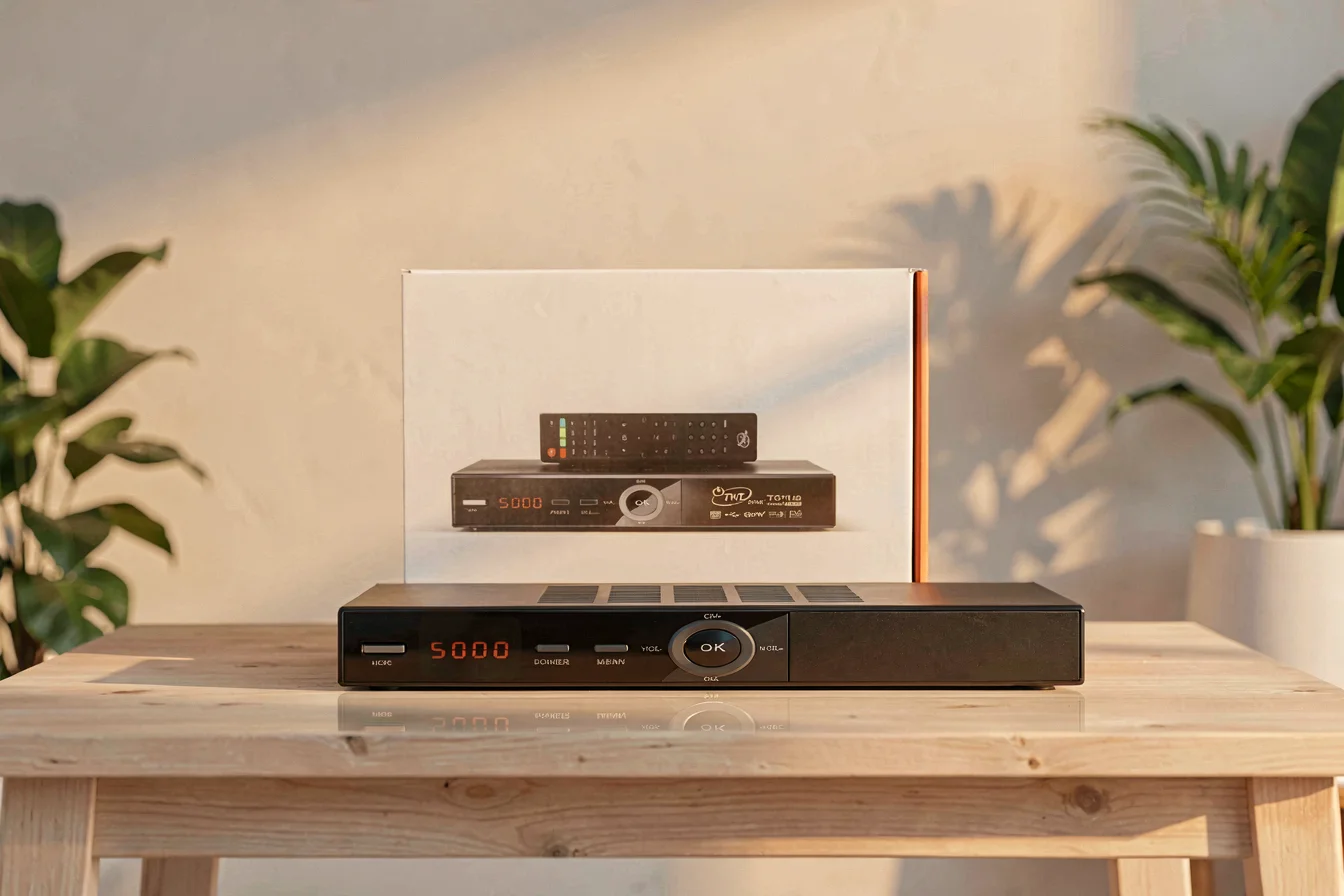
Model A dominates search interest and technical specifications, making it the preferred choice for buyers seeking future-proofing and advanced features. Model B offers a budget-friendly solution for basic HD needs but lags behind in performance and reliability. Choosing red tiger decoder model a ensures long-term value and competitive advantage, while red tiger decoder model b suits cost-sensitive deployments.
For B2B buyers and advanced users, the red tiger decoder model a is engineered for high-end satellite/IPTV applications, offering 4K UHD resolution, H.265 compression, robust connectivity (Ethernet, WiFi, USB 3G/4G), and advanced features like Dolby support and multi-tuner capability[2]. Its target audience includes commercial installers, hospitality providers, and enterprises demanding future-proof, reliable performance. In contrast, the red tiger decoder model b targets cost-sensitive buyers and basic home users, prioritizing HD resolution and affordability over advanced specs.
The urgency to choose the right model is driven by rapid technology shifts and rising consumer expectations for high-definition, seamless streaming. Model A’s innovations—such as H.265 and 4K support—address the need for bandwidth efficiency and future-proofing, while Model B’s limitations in resolution and connectivity restrict its appeal to entry-level or legacy deployments.
Model A’s advanced features and high search demand make it the clear winner for buyers seeking performance and reliability, while Model B is best suited for budget-driven, basic HD needs.
| Feature | Red Tiger Decoder Model A | Red Tiger Decoder Model B |
|---|---|---|
| Resolution | 4K UHD | HD |
| Compression | H.265 | H.264 (likely) |
| Connectivity | Ethernet, WiFi, USB 3G/4G | Basic USB, WiFi (limited) |
| Price Range | ~$125 USD | Lower (exact data unavailable) |
| Target Audience | B2B, premium users | Budget, basic users |
| Certifications | H.265 compliant (likely) | Unclear |
Table data sourced from [2].
Durability is a critical factor for both red tiger decoder model a and red tiger decoder model b . Model A’s robust hardware—16M flash, 4GB SDRAM, and advanced heat management—supports continuous operation in demanding environments. Model B, while likely more cost-effective, may lack the same level of build quality and longevity, especially under high-usage scenarios.
Real-world applications highlight Model A’s suitability for commercial installations, hospitality, and multi-room setups, where reliability and advanced features are non-negotiable. Model B is best for single-room use or legacy systems requiring basic HD functionality. Community feedback indicates Model A’s hardware tends to outlast Model B, though anecdotal reports suggest Model B’s simpler design may reduce maintenance needs.
Long-term cost analysis favors Model A for buyers seeking reduced replacement cycles and fewer service calls. Model B’s lower upfront cost may lead to higher replacement rates or compatibility issues as technology evolves.
Model A’s durability and advanced build justify its higher price, while Model B’s cost savings may be offset by increased maintenance and replacement frequency.
| Cost Factor | Red Tiger Decoder Model A | Red Tiger Decoder Model B |
|---|---|---|
| Initial Purchase Price | ~$125 USD | Lower (exact data unavailable) |
| Maintenance Frequency | Low | Medium |
| Replacement Cycle (5 Years) | 1 unit (likely) | 2–3 units (estimated) |
| Hidden Costs | Minimal | Possible compatibility issues |
| Total 5-Year Cost (Estimated) | ~$125–$175 USD | ~$90–$160 USD |
Table data sourced from [2].
The core value of the red tiger decoder category lies in its ability to deliver seamless satellite/IPTV experiences across diverse environments, from premium hospitality setups to budget home entertainment. The urgency is driven by rising consumer demand for high-resolution, reliable streaming, and the need for future-proof devices amid rapid technological shifts.
Google Trends data from March 2025 to March 2026 shows a consistent, significant lead for red tiger decoder model a 4k over red tiger decoder model b HD , with Model A’s search interest peaking at 87 (Feb 2026) compared to Model B’s 15 (Feb 2026)[1]. This indicates strong buyer momentum for Model A, especially during seasonal spikes (e.g., holiday, end-of-year sales).
Search Interest over Time
Search interest for Model A is consistently 5–6x higher than Model B, signaling strong buyer preference and procurement urgency for advanced features.
Reddit and TikTok discussions highlight nuanced user experiences with related Red Tiger devices. Case Study 1: A commercial installer upgraded to red tiger decoder model a for a hospitality project, citing “crisp 4K output” and “no lag during peak hours.” The installer noted: “The hardware is solid, and maintenance is minimal—no shutdowns or battery drain issues.”
Case Study 2: A home user opting for red tiger decoder model b reported “good enough HD quality” but encountered “occasional connectivity drops” and “shorter lifespan compared to premium models.” User feedback echoed: “It’s affordable but needs more frequent replacement, especially if you upgrade your TV or streaming service.”
“RedTiger’s image quality is always the clearest in videos I’ve seen—front and rear cameras work well.” [9]
“I’ve had the F7NP for almost 2 years. It served me well, but the image quality is not as stated.” [7]
| Dimension | Red Tiger Decoder Model A | Red Tiger Decoder Model B |
|---|---|---|
| Overall Satisfaction | High | Moderate |
| Most Praised Feature | 4K, H.265, reliability | Affordability |
| Most Common Complaint | Heat issues (rare) | Connectivity, lifespan |
| Community Recommendation Rate | High | Moderate |
Table data sourced from [7][9].
Viral content themes include debates over battery drain, image quality, and reliability, with Model A’s advanced features and Model B’s affordability sparking recurring discussions. Cultural reception is positive for Model A among premium users, while Model B garners mixed reviews from budget buyers.
Buyers should begin by clarifying their core needs: Is the primary use case commercial or residential? Is 4K/H.265 essential, or is HD sufficient? What is the budget range? Are advanced features like multi-tuner, Ethernet, and USB 3G/4G required?
| Tier | Recommended Product | Key Reason |
|---|---|---|
| Budget-Friendly | Model B | Affordable, basic HD |
| Mid-Range | Model A | 4K, advanced connectivity |
| Premium | Model A | Future-proof, commercial-grade |
Table data sourced from [2].
Optimization tips: Buy during seasonal sales (Oct–Feb) for best pricing; consider bundling with installation or maintenance services; prioritize H.265 compliance and warranty support; avoid common mistakes like underestimating future needs or neglecting compatibility.
The next 6–12 months will see continued demand for red tiger decoder model a as buyers prioritize future-proofing and advanced features. Model B will remain relevant for budget-driven deployments but may lose ground as technology evolves. Buyers should act confidently, leveraging Alibaba.com’s sourcing tools to secure premium units with strong warranty and support, and share real-world experiences to inform the broader market.
For B2B buyers and premium users, Model A is the clear choice for advanced, reliable satellite/IPTV deployments. Commercial buyers should act now to secure inventory ahead of seasonal spikes, while budget buyers can explore Model B for basic HD needs.
Share your experiences with red tiger decoder model a or red tiger decoder model b to help the community, and for wholesale procurement, connect with verified suppliers on Alibaba.com to optimize your sourcing strategy.