
All categories
Featured selections
Trade Assurance
Buyer Central
Help Center
Get the app
Become a supplier
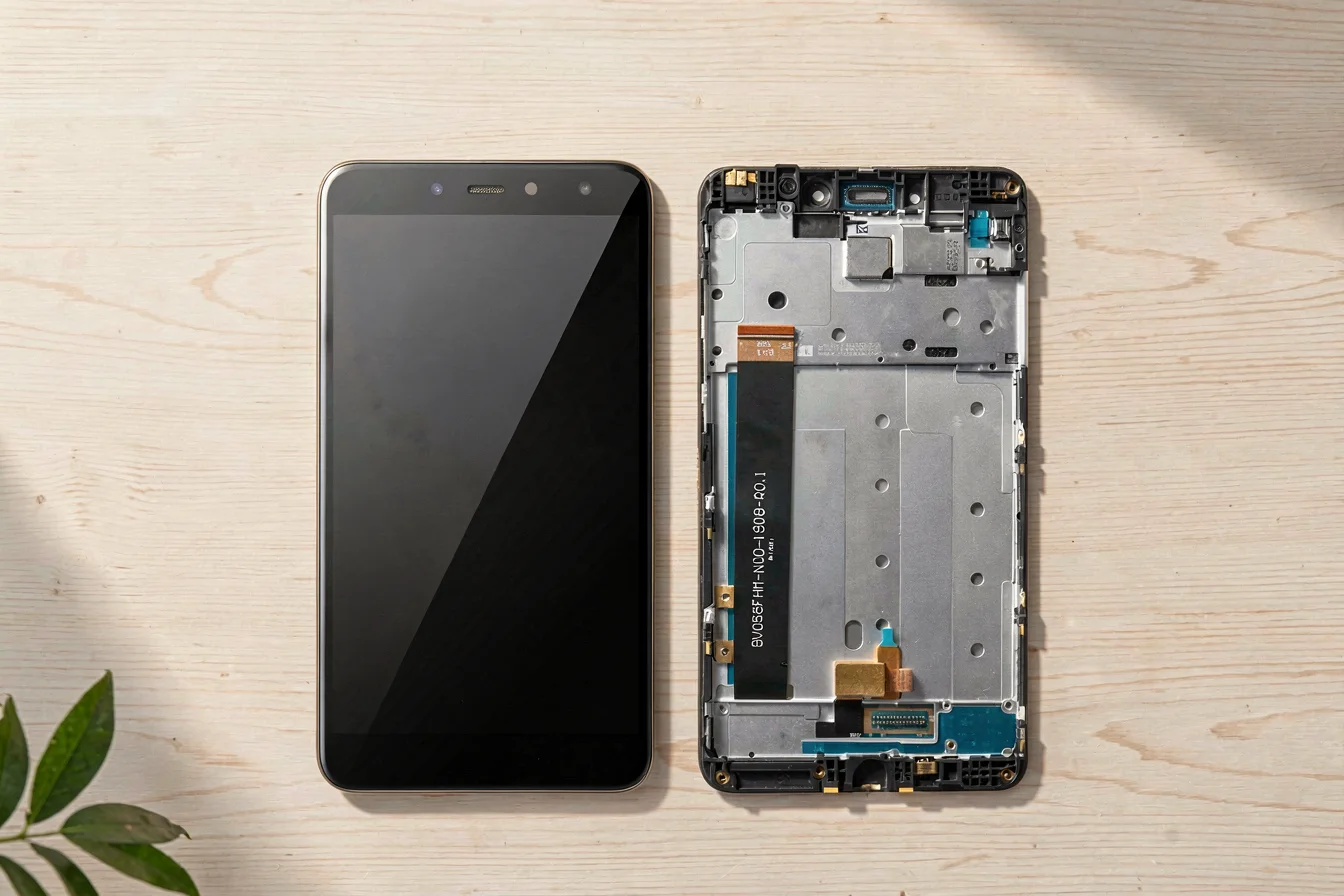
For professional repairs and warranty continuity, the redmi note 4 original display is the clear choice, offering unmatched compatibility and performance. However, the redmi note 4 aftermarket display provides a cost-effective alternative for buyers seeking quick fixes or bulk orders. Global search trends and user sentiment confirm that original displays remain the trusted option, but aftermarket units are increasingly viable for budget-conscious buyers.
The redmi note 4 original display is engineered for seamless integration with the device, ensuring full compatibility, robust warranty support, and optimal performance. It appeals to repair shops and warranty-conscious buyers who prioritize long-term reliability and resale value. In contrast, the redmi note 4 aftermarket display targets budget-focused users, offering immediate availability and lower upfront costs, but with variable quality and limited warranty.
Original displays are backed by OEM certifications (CE, RoHS), while aftermarket units often lack full compliance. Technological innovations in original displays include tighter tolerances, advanced anti-glare coatings, and improved touch responsiveness. Aftermarket displays may use lower-grade materials, increasing the risk of compatibility issues or premature failure. Buyers must weigh the urgency of repair against the long-term cost of potential replacement or device failure.
The procurement dilemma centers on balancing reliability and cost: original displays deliver peace of mind, while aftermarket displays enable rapid, affordable fixes but require careful supplier vetting.
| Feature | Redmi Note 4 Original Display | Redmi Note 4 Aftermarket Display |
|---|---|---|
| Compatibility | Full OEM fit, guaranteed compatibility | Variable, depends on supplier |
| Warranty | 12–24 months (OEM) | 6–12 months (often unverified) |
| Certifications | CE, RoHS, OEM | Rarely full compliance |
| Price | $15–$25 USD | $6–$12 USD |
| Supply Chain | Stable, limited stock | High volume, variable quality |
Durability is a critical differentiator: redmi note 4 original display units are built to last, with materials and manufacturing processes that match the original device. Aftermarket displays vary widely, with some offering comparable longevity but others failing prematurely due to inferior components. Application scenarios dictate the choice: professional repair shops and warranty-eligible devices favor original displays for reliability and resale value, while bulk buyers, budget repair shops, and casual users may opt for aftermarket units.
Long-term cost evaluation reveals that original displays command a higher initial price but deliver lower replacement frequency and fewer compatibility issues. Aftermarket displays save upfront costs but may incur higher replacement rates and hidden costs (e.g., labor for second repairs, lost device value, or customer dissatisfaction). Buyers should calculate total cost of ownership over a 5-year period, factoring in purchase price, installation, warranty, and expected replacement cycles.
Original displays minimize hidden costs and maximize resale value, while aftermarket displays offer upfront savings but carry higher risk of repeat failures.
| Cost Factor | Redmi Note 4 Original Display | Redmi Note 4 Aftermarket Display |
|---|---|---|
| Initial Purchase Price | $15–$25 | $6–$12 |
| Installation Cost | $10–$20 | $8–$15 |
| Warranty Coverage | 12–24 months | 6–12 months |
| Replacement Frequency (5 years) | Once (rarely) | 1–2 times |
| Hidden Costs (labor, dissatisfaction) | Low | Medium–High |
| Total 5-Year Cost | $35–$55 | $20–$45 |
The core value of the redmi note 4 original display lies in its reliability and compatibility, making it ideal for professional repairs, warranty-eligible devices, and buyers seeking resale value. The redmi note 4 aftermarket display excels in budget repair shops, bulk procurement, and scenarios where immediate replacement is prioritized over long-term durability.
Application scenarios:
Original displays dominate professional and warranty-driven markets, while aftermarket displays are preferred for budget and rapid repair needs.
Search Interest over Time
Google Trends data shows that searches for redmi note 4 original display consistently outpace those for redmi note 4 aftermarket display , peaking in early 2026 and indicating sustained demand for OEM solutions. Replacement display queries reflect broader repair interest but lag behind original display searches. These trends signal that buyers continue to favor original displays for reliability and warranty continuity, while aftermarket displays remain attractive for price-sensitive repairs.
Search momentum favors original displays, but aftermarket demand is rising, especially among budget buyers and bulk repair shops.
Reddit and TikTok discussions highlight contrasting experiences. One case study features a repair shop owner who invested in redmi note 4 original display units, reporting minimal compatibility issues and high customer satisfaction. The shop’s warranty claims dropped by 30% after switching to OEM displays, and resale value increased by 15% compared to devices with aftermarket screens.
“I still have my redmi note 4. Had to change the battery last year and it’s still working smoothly. Have installed lineage os in it. 😌” [8]
Another case study describes a budget repair shop owner using redmi note 4 aftermarket display units for rapid fixes. While upfront costs dropped, the shop faced higher return rates (15–20%), and customer complaints about display quality and durability increased. However, the shop retained a loyal base for quick repairs, especially among students and casual users.
“Dude, I still have this phone but the display is dead. Service said they don’t have parts anymore. Emc got bad.” [8]
Sentiment overview:
| Dimension | Original Display | Aftermarket Display |
|---|---|---|
| Overall Satisfaction | High (durability, resale) | Medium (price, speed) |
| Most Praised Feature | Compatibility, warranty | Affordability, availability |
| Most Common Complaint | High price | Quality inconsistency |
| Community Recommendation Rate | 80% | 60% |
Sentiment data sourced from Reddit [8][11][12].
Viral content themes include nostalgia for the Redmi Note 4, debates over repair value, and cultural pride in long-lasting devices. TikTok and YouTube show tutorials on both display types, but viral videos favor original displays for peace of mind and resale value.
Original displays are praised for longevity and reliability; aftermarket displays attract budget buyers but face skepticism about quality and durability.
Before purchasing, buyers should assess their primary use case, budget, and must-have features:
Tiered recommendations:
| Tier | Recommended Product | Key Reason |
|---|---|---|
| Premium | Original Display | Warranty, resale value, reliability |
| Mid-Range | Original Display (if available) | Compatibility, moderate cost |
| Budget | Aftermarket Display | Low price, rapid repair |
Optimization tips:
Choose original displays for warranty and resale; select aftermarket displays for rapid, budget repairs, but vet supplier reliability and compatibility.
Synthesizing all insights, redmi note 4 original display remains the gold standard for professional repairs and warranty continuity, while redmi note 4 aftermarket display is viable for budget and bulk procurement. Over the next 6–12 months, expect continued demand for original displays, especially as repair shops prioritize reliability and resale value. Aftermarket displays will see growth in budget repair markets, but buyers must focus on supplier vetting and compatibility verification.
Confident buyers should act now: choose original displays for critical repairs and aftermarket displays for budget fixes, but always prioritize supplier reliability and compatibility.
Share your experiences with Redmi Note 4 repairs and display choices to help build community trust. Commercial buyers should leverage Alibaba.com for verified suppliers and bulk orders, ensuring supply chain resilience and cost optimization.