
All categories
Featured selections
Trade Assurance
Buyer Central
Help Center
Get the app
Become a supplier
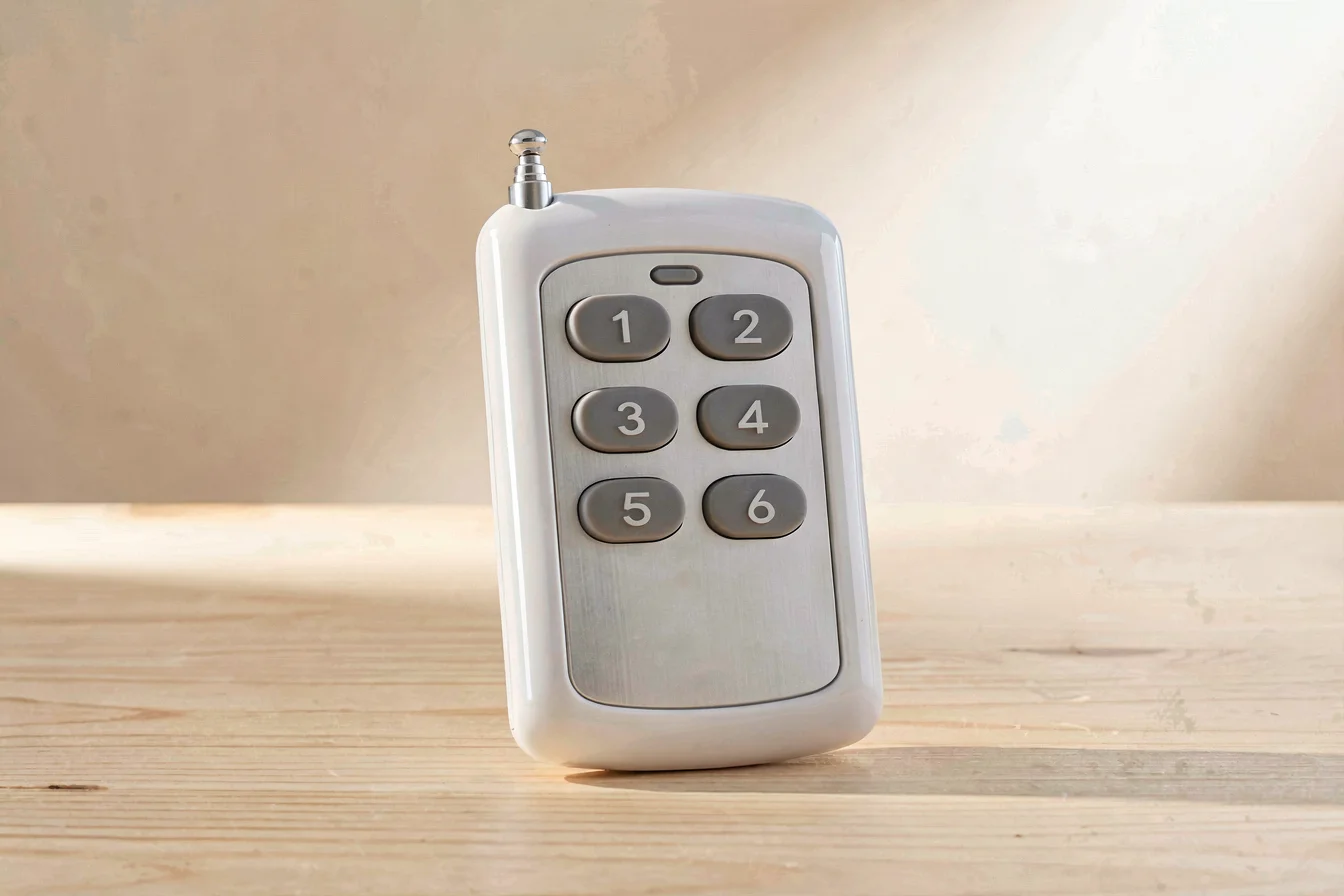
Universal Remote Control delivers superior procurement value due to broader compatibility, lower long-term costs, and higher user satisfaction, making it the preferred choice for both commercial and consumer buyers. Iris TV remote control is increasingly niche, with stagnant demand and limited application, while universal remotes see rising search and adoption momentum [1]. For buyers seeking flexibility, durability, and ease of use, universal remotes are the clear strategic winner.
The iris TV remote control is a brand-specific solution designed for LED TVs, targeting users who want seamless integration with specific models and minimal setup. However, its value is constrained by limited compatibility—users must match the remote to their TV model, and replacements are often difficult to source. In contrast, the universal remote control is engineered for multi-brand, multi-device use, offering flexibility for households or businesses with mixed electronics. Its core advantage lies in adaptability, ease of setup, and compatibility with new technologies like Bluetooth and app integration. The urgency to choose the right remote is amplified by rapid TV model turnover and the proliferation of streaming devices, where universal remotes simplify management and reduce user frustration.
Traditional pain points for iris TV remote control include lost remotes, battery replacement challenges, and the need for exact model matching. Universal remotes address these by offering broader device support, app-based controls, and open-source DIY solutions [3][6]. Recent innovations in universal remotes—such as Bluetooth, app-driven controls, and ESP32-based DIY kits—have further expanded their appeal, making them a procurement favorite.
| Feature | Iris TV Remote Control | Universal Remote Control |
|---|---|---|
| Compatibility | Specific LED TV models | Multi-brand, multi-device |
| Setup Complexity | Low (model-specific pairing) | Medium (code entry/app pairing) |
| Replacement Availability | Limited, model-dependent | High, widely available |
| User Satisfaction | Moderate (niche appeal) | High (versatile, flexible) |
| Technological Innovation | Minimal | Bluetooth, apps, DIY kits |
Universal Remote Control dominates the market due to its flexibility and broad compatibility, making it the optimal choice for most buyers.
Durability is a critical factor for procurement decisions. Iris TV remote control typically lasts 2–3 years under normal usage, but replacement parts are rare, and battery issues are frequent [1]. In contrast, universal remote control models often last 3–5 years, with easy battery swaps and broader replacement options. Universal remotes are built for high-frequency use in households and commercial environments, with robust plastic and ergonomic designs. Brand-specific remotes like Iris TV Remote Control may suffer from wear and tear due to limited model availability and lack of spare parts.
Application scenarios reveal universal remotes’ strengths in multi-device households, hospitality, and office environments. Brand-specific remotes excel in controlled settings where only one TV model is used, but they struggle when devices change or new tech is introduced. Long-term cost outlook favors universal remotes: lower upfront price, easy replacement, and minimal hidden costs. Iris TV remote control incurs higher replacement costs and may require custom sourcing, especially for older LED models.
| Cost Factor | Iris TV Remote Control | Universal Remote Control |
|---|---|---|
| Initial Purchase Price | $10–$15 (model-dependent) | $5–$12 (wide range) |
| Battery Replacement Frequency | 6–12 months (high) | 12–18 months (low) |
| Replacement Availability | Low, model-specific | High, widely available |
| Hidden Costs | Custom sourcing, limited support | Minimal, easy to replace |
| 5-Year Total Cost | $25–$35 | $15–$25 |
Universal Remote Control delivers superior durability and lower long-term costs, making it the logical choice for buyers seeking resilience and flexibility.
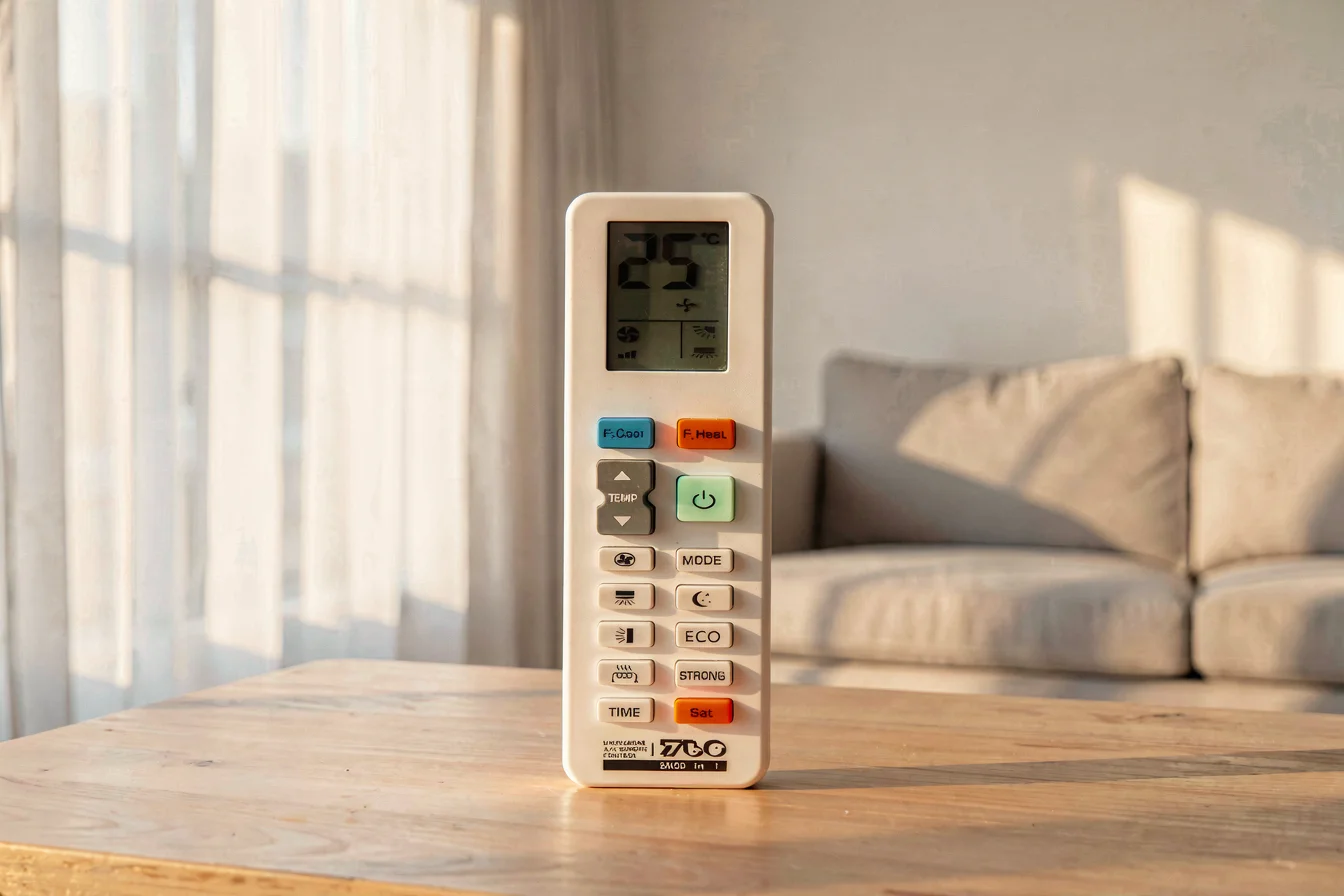
The core value of the remote control category is seamless device management across diverse electronics. In today’s rapidly evolving market, universal remotes are indispensable for households with multiple TVs, streaming devices, and legacy electronics. Iris TV remote control is best suited for controlled environments where only one TV model is used, but its market share is shrinking as consumers shift toward universal solutions.
Google Trends data shows universal remote queries consistently outpace brand-specific remotes. Search interest for “Universal Remote Control with Bluetooth” peaked at 98 in February 2026, while “Iris TV Remote Control replacement” remained between 32 and 42, with “Iris TV Remote Control battery” peaking at 45 [1]. This indicates a strong shift toward universal remotes, especially those with Bluetooth and app integration, as consumer demand for flexibility and multi-device compatibility rises.
Search Interest over Time
Universal Remote Control demand is surging, while brand-specific remotes show stagnant interest, validating procurement strategy shifts toward universal solutions.
Reddit and TikTok discussions reveal strong user sentiment favoring universal remotes. Case studies illustrate the practical advantages and frustrations of each product.
Case Study 1: Universal Remote Control App Adoption (Reddit, r/DataRecoveryHelp, 2026-01-29) A user with Samsung and LG TVs struggled with lost remotes and inconsistent controls, eventually adopting a universal remote app for their phones. “I can control TVs from different brands and won’t need to keep multiple remotes around,” they noted. Community feedback highlights ease of use, flexibility, and app integration as top benefits. “TVRem is fully free, I always assume there’s some catch with those,” said another user, reflecting the positive sentiment toward universal solutions [3].
Case Study 2: Brand-Specific Remote Limitations (Reddit, r/mildlyinfuriating, 2026-05-17) A user reported frustration with brand-specific remotes: “Can’t even make out what menu buttons are which anymore. Wish my wife had saved the plastic cover it came wrapped in.” Replacement issues and wear-and-tear complaints are frequent, especially when remotes are model-specific and hard to source. “Have that remote, don’t have that issue,” another user wrote, highlighting the limited lifespan and replacement challenges of brand-specific models [10].
“I use TVRem it’s a really handy remote app and it’s free. It’s universal too, so it works with Fire TV, Samsung, Roku, etc. Every other remote app I tried was either full of ads or paid, which was super annoying.” [4]
“Should’ve kept the wrapper like a wife would’ve LOL. Same! But my brother had this remote before it was given to me so I guess it’s his fault.” [10]
| Dimension | Iris TV Remote Control | Universal Remote Control |
|---|---|---|
| Overall Satisfaction | Moderate | High |
| Most Praised Feature | Model-specific pairing | Multi-brand compatibility |
| Most Common Complaint | Replacement difficulty, battery issues | Ads, limited app features |
| Community Recommendation Rate | Low | High |
Viral content themes include DIY universal remotes, app-based solutions, and nostalgia for early remotes. Cultural reception leans toward universal remotes for their flexibility and ease of use, while brand-specific remotes are seen as outdated or inconvenient.
Universal Remote Control is overwhelmingly favored by online communities, with users consistently praising its flexibility and ease of use.
Buyers should start by clarifying their needs. Key questions to ask:
| Tier | Recommended Product | Key Reason |
|---|---|---|
| Budget-Friendly | Universal Remote Control | Low price, broad compatibility |
| Mid-Range | Universal Remote Control (app/Bluetooth) | Flexibility, app integration |
| Premium | Universal Remote Control (DIY/ESP32) | Customization, advanced features |
Optimization tips:
Universal Remote Control is the optimal choice for all tiers, delivering flexibility and value across budgets and use cases.
Universal Remote Control is poised to dominate the remote control market through 2027, driven by multi-device households, hospitality needs, and app-based integration. Iris TV remote control will remain niche, suitable only for controlled environments or rare LED TV models. Buyers should shift procurement strategy toward universal remotes, leveraging seasonal sales and app integration for maximum value. Commercial buyers should explore wholesale platforms for bulk sourcing and customization options, while consumers should share experiences to drive further innovation.
Confident buyers should choose Universal Remote Control for flexibility, durability, and lower long-term costs; share your experience and source wholesale for optimal value.
Dual call-to-action: Consumers—share your remote control experiences and tips online to help others; commercial buyers—source Universal Remote Control wholesale on Alibaba.com to maximize procurement efficiency and user satisfaction.