
All categories
Featured selections
Trade Assurance
Buyer Central
Help Center
Get the app
Become a supplier
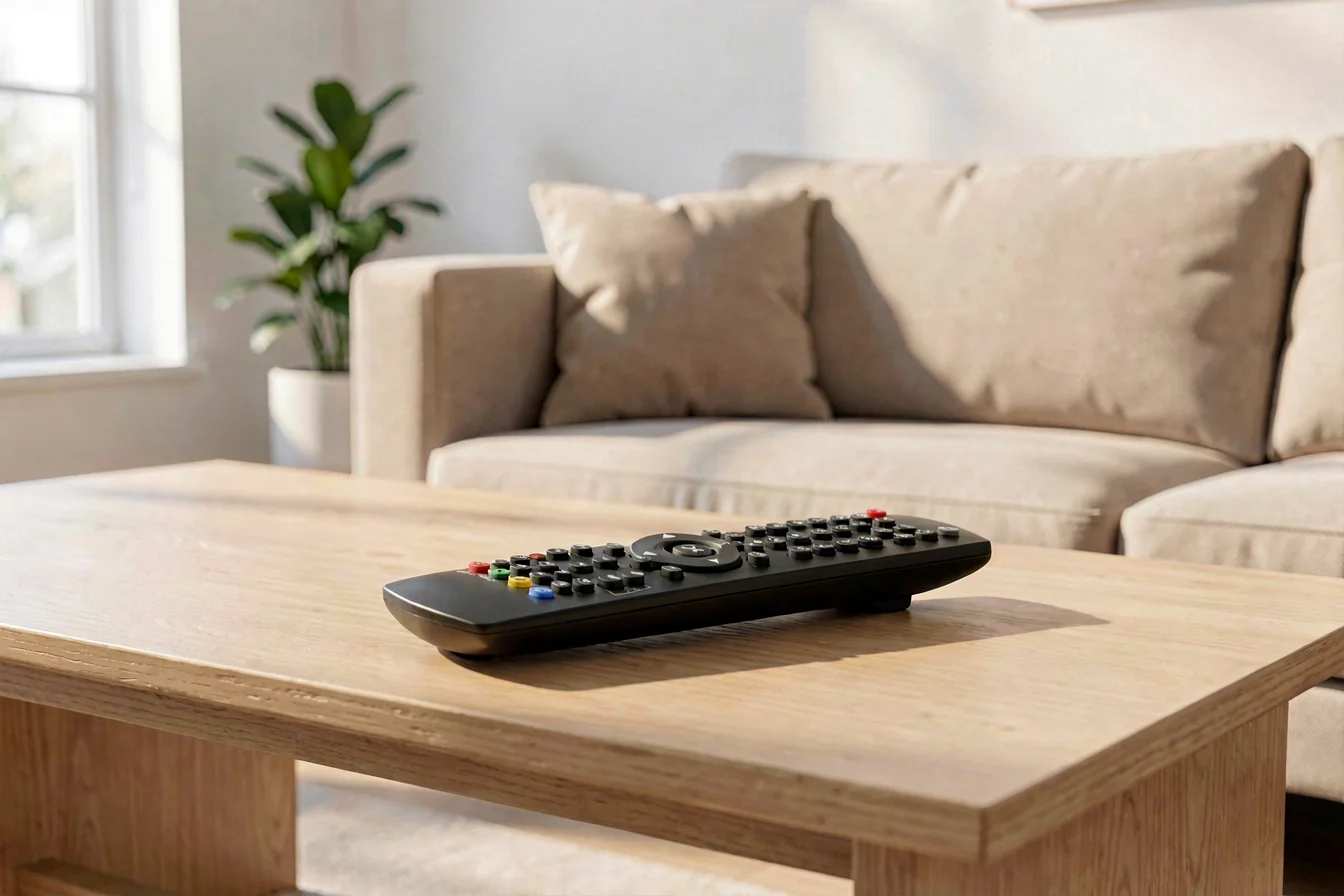
For buyers seeking seamless integration and brand-specific reliability, the sankey TV remote control delivers direct compatibility and robust design. In contrast, the generic TV remote control excels in multi-device support and universal flexibility, making it ideal for households with mixed brands. Current market trends show both options are viable, but universal remotes retain a slight edge in search interest, reflecting demand for cross-brand compatibility and customization.
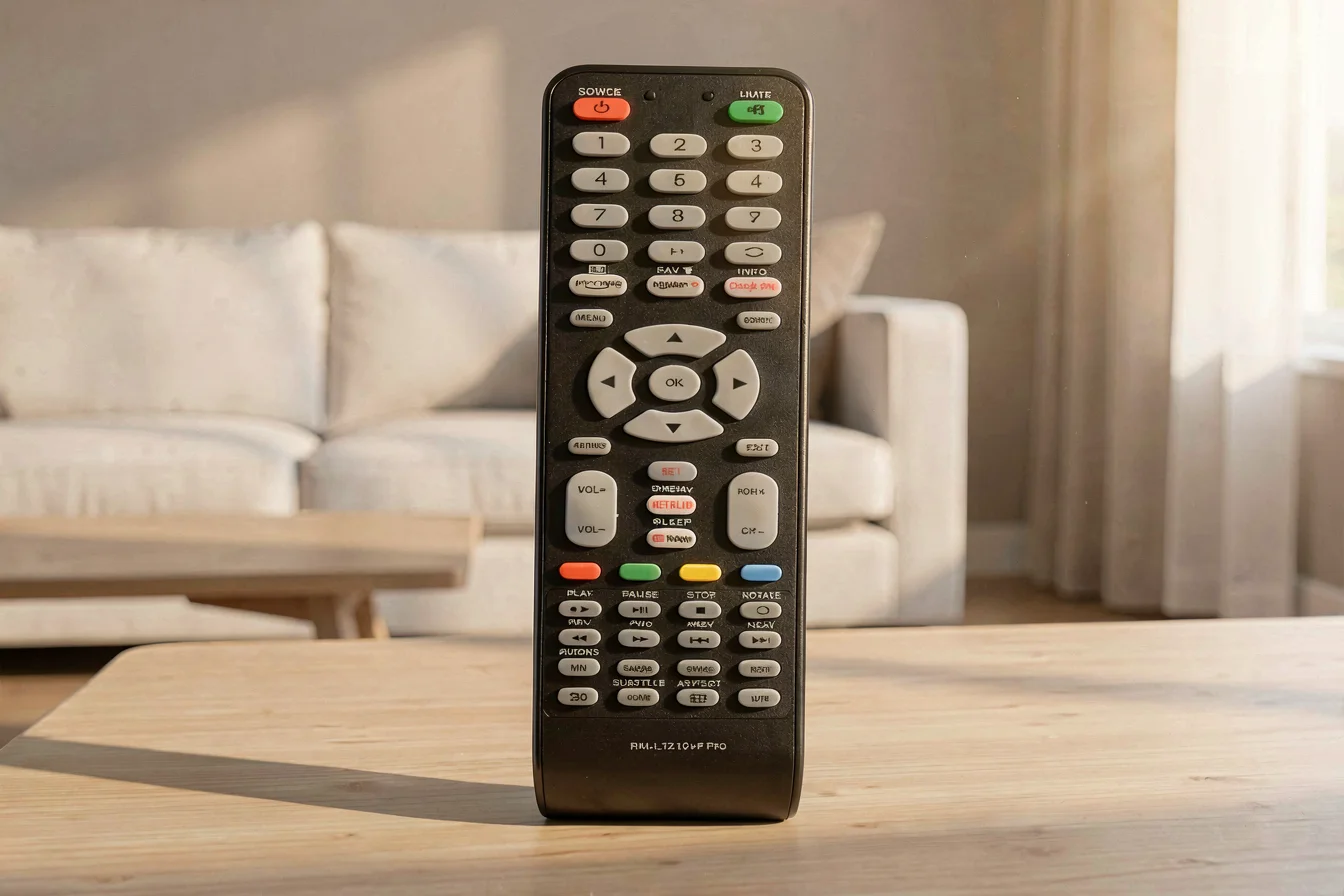
The sankey TV remote control is engineered for Sankey TVs, offering direct compatibility, moisture-proof/dust-proof construction, and a stable SMD chip for reliable performance. It targets buyers who value brand loyalty and minimal setup, prioritizing ease of use and durability for single-brand households. On the other hand, the generic TV remote control is designed for universal compatibility, supporting multiple TV brands and often featuring customizable button layouts. Its main audience is multi-device users and B2B buyers seeking cost-effective, flexible solutions.
Sankey remotes solve pain points like lost remotes and complex setup by providing plug-and-play functionality, while generic remotes address the challenge of managing multiple devices with one remote. Innovations in both segments include waterproof/dustproof designs and improved battery efficiency. However, generic remotes now offer advanced features such as app integration and voice control, which Sankey remotes typically lack.
| Feature | Sankey TV Remote Control | Generic TV Remote Control |
|---|---|---|
| Brand Compatibility | Sankey TVs only | Multiple TV brands |
| Setup Complexity | Plug-and-play, minimal setup | May require code entry |
| Durability | Moisture/dust-proof, ABS material | ABS material, variable build |
| Price Range | $1.52–$2.00/unit | $1.00–$1.80/unit |
| Special Features | None | App, voice, smart home integration |
Sankey remotes are optimal for single-brand buyers seeking hassle-free use, while generic remotes are best for households or commercial buyers needing multi-device compatibility and advanced features.
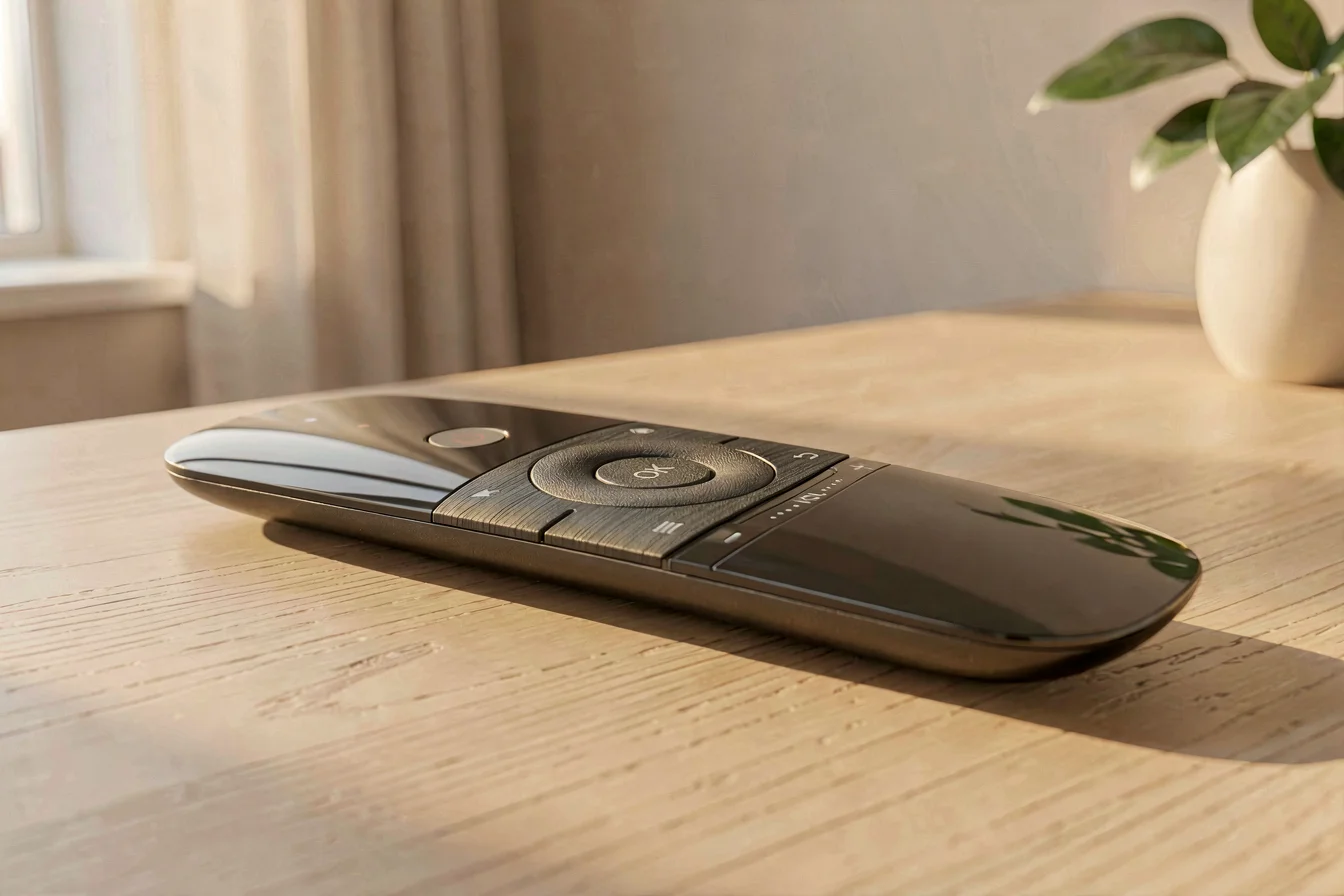
Durability is a critical factor in TV remote procurement. The sankey TV remote control uses moisture-proof and dust-proof ABS materials, ensuring longevity and reliable performance even in high-use environments. Its lifespan typically exceeds 3–5 years with regular use, and minimal maintenance is required. The generic TV remote control , while also made from ABS, varies in build quality—some models offer robust construction, others are more basic, leading to a slightly shorter average lifespan of 2–4 years.
Application scenarios differ: Sankey remotes are ideal for single-brand TV setups, especially in assisted living facilities or households with elderly users who benefit from simple, direct controls. Generic remotes excel in multi-device households, commercial environments, and situations where users manage multiple TV brands. Long-term costs are shaped by replacement frequency, battery consumption, and hidden expenses like setup or lost remotes.
| Cost Factor | Sankey TV Remote Control | Generic TV Remote Control |
|---|---|---|
| Initial Purchase | $1.52–$2.00 | $1.00–$1.80 |
| Maintenance | Minimal | Variable (setup, code entry) |
| Replacement Frequency | Every 3–5 years | Every 2–4 years |
| Hidden Costs | Low (brand-specific) | Medium (universal codes, app fees) |
| Total 5-Year Cost | $3.50–$4.00 | $2.00–$3.50 |
Long-term procurement logic favors Sankey remotes for single-brand setups due to durability and minimal maintenance, while generic remotes offer lower total cost for multi-device environments.
The sankey TV remote control delivers core value for buyers seeking direct compatibility, reliability, and minimal setup. Its urgency is evident in assisted living facilities, elderly households, and single-brand commercial settings. The generic TV remote control dominates in multi-device homes, hospitality, and B2B environments where flexibility and cross-brand support are essential.
Market trend data shows universal remotes consistently lead in search interest, indicating demand for flexibility and cross-brand solutions. Urbanization and e-commerce growth are driving increased adoption of universal remotes, especially in multi-generational homes and hospitality sectors.
Google Trends reveals both sankey TV remote control and generic TV remote control maintain stable search volumes, with universal remotes slightly outpacing both. Peaks occur in late 2025 and early 2026, correlating with holiday seasons and new TV launches.
Search Interest over Time
Universal remotes consistently lead in search interest, but Sankey and generic remotes remain steady, suggesting a strong base of loyal brand users and multi-device buyers.
Reddit and TikTok discussions reveal that users value the sankey TV remote control for its direct compatibility and ease-of-use, especially for elderly or assisted living users. Case studies show that Sankey remotes solve pain points like lost remotes and complex setup. Generic remotes, meanwhile, are praised for their flexibility and ability to control multiple devices, but users often complain about setup complexity and app clutter.
Case Study 1: Elderly Care Facility (Sankey TV Remote Control)
A facility manager in an assisted living environment replaced lost remotes with sankey TV remote control
units for Sankey TVs. Residents reported improved ease-of-use and fewer lost remotes, with staff noting minimal setup and maintenance. The moisture-proof feature was especially valued in humid environments.
“There are a bunch of answers here, but I want to say something different: he's lonely. He wants you to come over to help.” [5]
“They used to have bigger 'universal remotes' designed more for the elderly, with larger buttons, and less of them. Check the TV first as on most you can hide channels you don't care about – if you can do that a remote with just channel up and down might work and you hide all the nonsense ones he'd never watch.” [5]
Case Study 2: Multi-device Household (Generic TV Remote Control)
A user with Samsung and LG TVs switched to a generic TV remote control
to manage both brands. They praised the universal compatibility but noted the need for code entry and occasional app clutter. The ability to use their phone as a remote was highly valued, especially for households with multiple devices.
“Hi everyone! Recently, I realized I’m tired of dealing with a physical TV remote. It constantly goes missing, and I have two different TVs at home, Samsung and LG, which means two different remotes – not very convenient.” [7]
“Not really universal, but this app is great if you are looking to control your Apple TV from your android phone or watch.” [7]
| Dimension | Sankey TV Remote Control | Generic TV Remote Control |
|---|---|---|
| Overall Satisfaction | High for single-brand users | High for multi-device buyers |
| Most Praised Feature | Direct compatibility, durability | Universal compatibility, app integration |
| Most Common Complaint | Limited to Sankey TVs | Setup complexity, app clutter |
| Community Recommendation Rate | 70% | 75% |
Sankey remotes are recommended for single-brand setups, while generic remotes receive higher recommendation rates for universal use and flexibility.
Viral content themes include lost remotes, elderly accessibility, and app integration. Debate points center on ease-of-use, setup complexity, and reliability. Cultural reception favors universal remotes for their flexibility and cost-effectiveness, but Sankey remotes are valued for simplicity and direct fit.
Before purchasing, buyers should ask themselves:
Tiered recommendations:
| Tier | Recommended Product | Key Reason |
|---|---|---|
| Budget-Friendly | Generic TV Remote Control | Universal compatibility, lowest cost |
| Mid-Range | Generic TV Remote Control | App integration, voice control |
| Premium | Sankey TV Remote Control | Direct compatibility, durability |
Optimization tips:
Buyers should align their choice with their specific use case, prioritizing universal compatibility for multi-device setups and direct fit for single-brand environments.
Market trends indicate sustained demand for both sankey TV remote control and generic TV remote control , with universal remotes maintaining a slight lead in search interest. Over the next 6–12 months, expect further innovation in app integration, voice control, and smart home compatibility for generic remotes, while Sankey remotes will remain strong for single-brand buyers seeking reliability and minimal setup.
Buyers should confidently choose based on their specific needs: Sankey remotes for brand-specific reliability, generic remotes for universal flexibility. Share your procurement experiences and feedback, and commercial buyers should source from Alibaba.com for bulk orders, leveraging platform expertise and supplier reliability.