
All categories
Featured selections
Trade Assurance
Buyer Central
Help Center
Get the app
Become a supplier
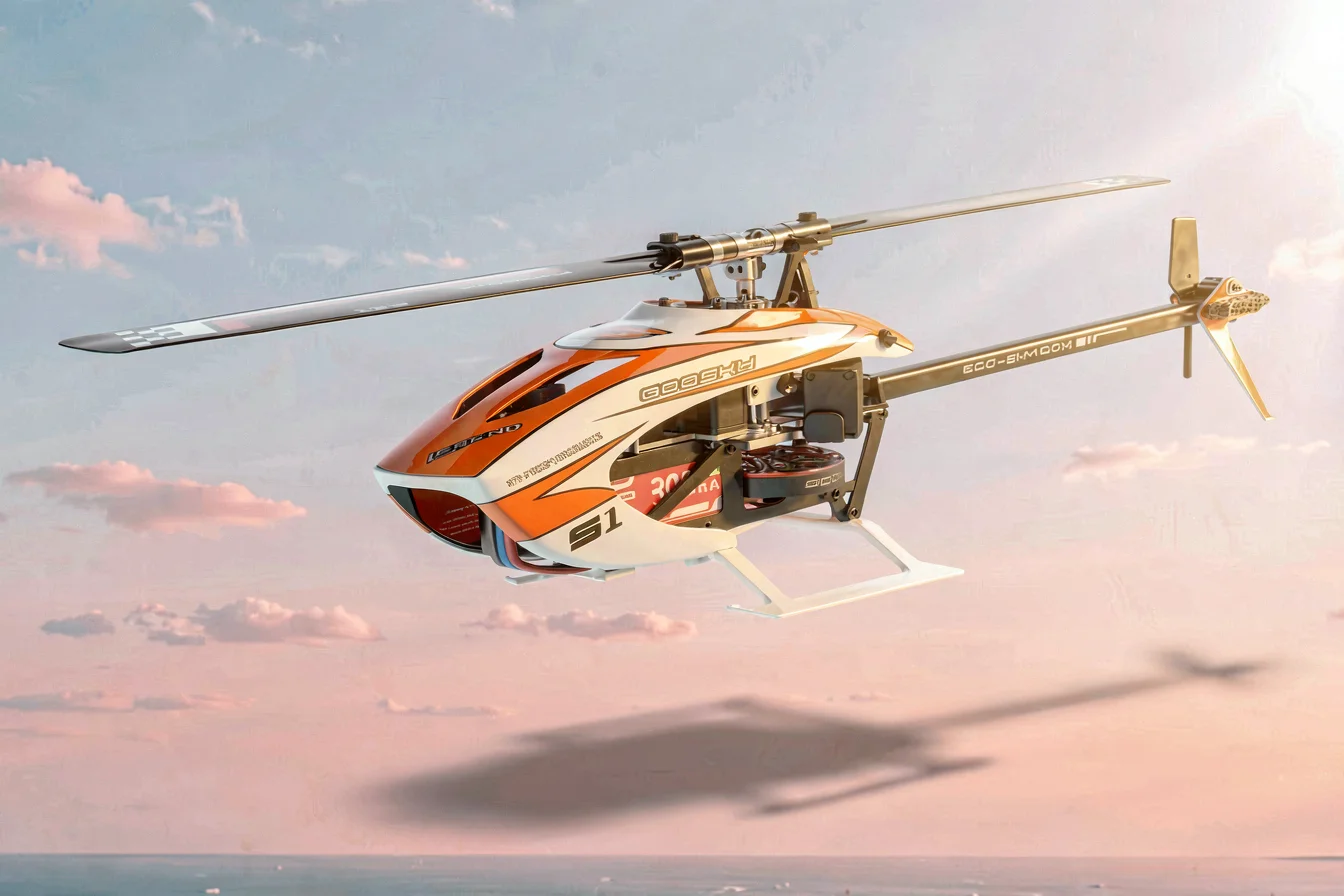
Buyers seeking recreational and skill-building value should prioritize remote control helicopter for direct engagement, while those focused on operational longevity and cost efficiency must invest in remote control helicopter charger . Charger demand is rising due to frequent battery cycles and replacement needs, making both products viable but serving distinct procurement logic. Seasonality and search trend data suggest buyers should balance ownership with maintenance for optimal value [1][2][3].
Remote control helicopter is designed for direct recreational, educational, and skill-building experiences, appealing to hobbyists, families, and B2B training programs. Its core value lies in flight precision, maneuverability, and the joy of mastering aerial control. In contrast, remote control helicopter charger addresses operational continuity and cost management, especially for frequent users, educators, and commercial operators who require sustained battery cycles.
Helicopters face traditional challenges such as mechanical complexity, battery life, and durability, while chargers must solve compatibility, safety, and charging speed. Innovations in GPS, auto-hover, and return-to-home features have enhanced helicopter usability, but charger technology has advanced with smart charging protocols, fast charge cycles, and universal connectors (USB, XT-60, Molex). Buyers must choose based on their primary intent—ownership for engagement or maintenance for operational resilience.
| Feature | Remote Control Helicopter | Remote Control Helicopter Charger |
|---|---|---|
| Core Value | Recreation, Education, Skill Development | Operational Longevity, Cost Efficiency |
| Target Audience | Hobbyists, Families, Training Programs | Frequent Users, Educators, Commercial Operators |
| Pain Points | Battery Life, Mechanical Complexity, Durability | Compatibility, Safety, Charging Speed |
| Innovations | GPS, Auto-Hover, Return-to-Home | Smart Charging, Universal Connectors, Fast Charge |
| Procurement Logic | Ownership for Engagement | Maintenance for Operational Resilience |
Both products deliver unique value, but buyers must align procurement with their core intent—ownership or maintenance.
Durability is critical for both remote control helicopter and remote control helicopter charger . Helicopters typically last 1–3 years with moderate use, but frequent battery cycles and mechanical wear can reduce lifespan. Chargers, if well-maintained, can last 5–7 years but require periodic replacement due to evolving battery technologies and connector standards.
Helicopters excel in scenarios demanding flight precision, skill-building, and recreational engagement—indoors, outdoors, and in educational settings. Chargers are indispensable for users needing frequent battery swaps, commercial operations, or training programs with multiple units. Buyers must weigh initial purchase price, maintenance, replacement frequency, and hidden costs (battery replacements, charger upgrades).
| Cost Factor | Remote Control Helicopter | Remote Control Helicopter Charger |
|---|---|---|
| Initial Purchase Price | $20–$150 | $10–$40 |
| Maintenance | Battery Replacement, Mechanical Repairs | Periodic Upgrades, Connector Replacement |
| Replacement Frequency | 1–3 years | 5–7 years |
| Hidden Costs | Spare Parts, Charger Upgrades | Battery Replacements, Connector Upgrades |
| 5-Year Total Cost | $100–$300 | $50–$120 |
Buyers should prioritize helicopters for direct engagement but invest in chargers for sustained operational efficiency and cost management.
The core value of remote control helicopter and remote control helicopter charger is driven by recreational engagement, skill development, and operational continuity. In today’s competitive landscape, helicopters are in demand for hobbyist fun, family play, and educational programs, while chargers are critical for frequent users, commercial operators, and training environments.
Market trend data shows urbanization and e-commerce growth are driving helicopter sales, while charger demand is rising due to increased battery turnover and replacement cycles [1]. Both products are relevant in dual-market contexts—B2C lifestyle and B2B commercial.
Google Trends data reveals a surge in searches for helicopter batteries and chargers from March 2025 to February 2026, peaking in late 2025 [1]. This aligns with increased helicopter ownership and operational use, suggesting buyers should time procurement to seasonal peaks for best value.
Search Interest over Time
Search trends indicate rising demand for helicopter batteries and chargers, with peak periods in late 2025—buyers should time procurement for optimal value.
Reddit and TikTok highlight frequent pain points around battery failures, charger compatibility, and operational frustration. Case studies reveal contrasting buyer experiences: hobbyists value helicopters for skill-building and fun, while frequent users emphasize the necessity of reliable chargers for sustained operation.
Case Study 1: Hobbyist Engagement
A Reddit user describes how flying a remote control helicopter
improved their precision and control discipline. “I noticed my throttle management on planes became smoother, probably because collective pitch timing forces a different kind of attention,” they write [8]. The user settled on a local RC shop model after experimenting with Alibaba imports, highlighting the importance of quality and compatibility for optimal engagement.
It improved my rudder control.
Huh, no. No issues whatsoever. I'm getting better at acro like knife edge and hover if anything. Why should controls interfere?
Case Study 2: Charger Reliability and Frustration
Another Reddit user reports frustration with a remote control helicopter charger
that fails to charge a new helicopter. “Most likely that battery is dead and won’t change because the charger detects a very low voltage and won’t charge due to safety reasons. That’s a very common battery, appears to be a 150mah or 250mah (check the words on the battery) 1 cell LIPO battery with a molex connector. They are a dime a dozen and you can get a 5 pack with a charging cable for like $20 or less,” the user explains [9]. This highlights the need for reliable, compatible chargers and the prevalence of battery replacement cycles.
Hey so like these things could have been sitting on shelves for years before they can be sold/manufactured and those batteries have a shelf life of less than 2 years.
Look what capacity it has and look for new lipos with the same connector and shape on Amazon.
| Dimension | Remote Control Helicopter | Remote Control Helicopter Charger |
|---|---|---|
| Overall Satisfaction | High for engagement, moderate for reliability | Moderate for reliability, high for frequent users |
| Most Praised Feature | Skill-building, flight precision | Operational continuity, fast charging |
| Most Common Complaint | Battery life, mechanical complexity | Compatibility, safety, charging speed |
| Community Recommendation Rate | High for hobbyists, moderate for frequent users | High for frequent users, moderate for hobbyists |
Viral content themes include skill-building, operational frustration, battery replacement cycles, and charger compatibility debates. Cultural reception is positive for helicopters as fun and educational, but charger reliability remains a persistent pain point for frequent users.
User sentiment highlights the need for both helicopters and chargers, but charger reliability is a recurring concern for frequent users.
Buyers should clarify their core needs before purchasing, considering primary use case, budget, and must-have features. Key questions include:
Tiered recommendations:
| Tier | Recommended Product | Key Reason |
|---|---|---|
| Budget-Friendly | Remote Control Helicopter | Direct engagement, recreational value |
| Mid-Range | Remote Control Helicopter Charger | Operational continuity, frequent use |
| Premium | GPS Remote Control Helicopter | Advanced features, skill-building |
Optimization tips: Buy during seasonal peaks for best value, bundle helicopters with chargers for frequent users, prioritize charger compatibility and fast charge protocols, and avoid common mistakes like neglecting battery replacement cycles or using incompatible chargers.
Buyers should align procurement with their core needs, prioritizing helicopters for engagement and chargers for sustained operation.
Synthesizing insights, remote control helicopter delivers direct recreational and educational value, while remote control helicopter charger is essential for operational continuity and cost management. Google Trends and Reddit data confirm rising demand for both products, with charger reliability and battery replacement cycles as persistent pain points. Buyers should balance ownership with maintenance, timing procurement to seasonal peaks for optimal value.
Looking ahead, the next 6–12 months will see sustained growth in helicopter ownership and charger demand, driven by urbanization, e-commerce, and increased skill-building needs. Buyers should confidently invest in both products, aligning procurement with their core intent—engagement or operational resilience.
Share your experiences with remote control helicopter and remote control helicopter charger to help others make informed decisions, and commercial buyers should leverage Alibaba.com for wholesale sourcing and bulk procurement.