
All categories
Featured selections
Trade Assurance
Buyer Central
Help Center
Get the app
Become a supplier
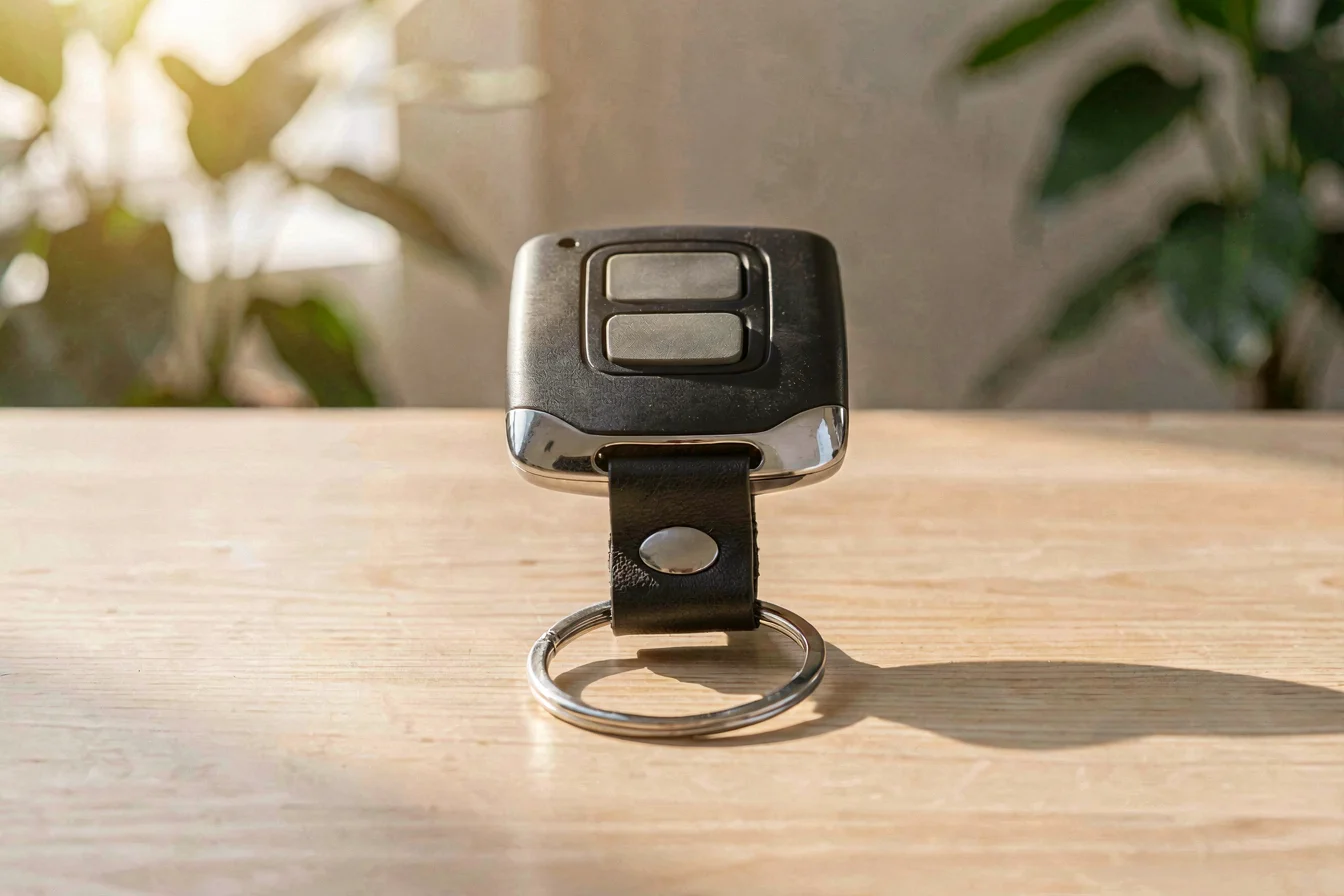
Remote controls with the remote control with HCS301 chip deliver enhanced reliability and rolling code security, making them ideal for commercial and high-security environments. In contrast, remote control with alternative chip technology (such as PT2262 or EV1527) excels in cost-sensitive and legacy applications. Buyers should weigh security, long-term reliability, and price when selecting the optimal solution for their procurement needs.
Remote controls are essential in both consumer and industrial automation, with buyers seeking reliable, secure, and cost-effective solutions. The remote control with HCS301 chip is engineered for advanced applications requiring rolling code encryption, making it a preferred choice for garage door systems, smart locks, and commercial automation. Its core advantage lies in robust signal integrity and resistance to interference, addressing pain points around security and longevity. In contrast, remote control with alternative chip technology (PT2262, EV1527) is widely used for simpler, cost-sensitive projects—such as home automation, basic hobbyist electronics, and legacy device integration—where affordability and ease of programming are paramount.
Technological innovation in the HCS301 chip includes dynamic code generation and improved range, while alternative chips focus on simplicity and backward compatibility. Procurement urgency is driven by the need for secure, long-term deployments, but alternatives remain attractive for rapid prototyping and budget scenarios. Below is a structured comparison:
| Feature | Remote Control with HCS301 Chip | Remote Control with Alternative Chip Technology |
|---|---|---|
| Security | Rolling code, high resistance to hacking | Fixed code, lower security |
| Signal Range | Extended range, stable transmission | Standard range, moderate stability |
| Cost | Premium, higher upfront cost | Budget-friendly, low cost |
| Ease of Integration | Requires advanced programming | Simple, plug-and-play |
| Target Audience | Commercial, security-critical | DIY, consumer, legacy systems |
| Lifespan | Longer, stable performance | Shorter, may degrade |
The HCS301 chip offers superior security and reliability for demanding applications, while alternative chip technology delivers affordability and flexibility for simpler use cases.
Durability is a critical factor in remote control procurement, as buyers seek solutions that minimize maintenance and replacement costs. The remote control with HCS301 chip is designed for extended lifespan, with robust circuitry and resistance to environmental factors, making it ideal for outdoor, high-traffic, or security-critical deployments. In contrast, remote control with alternative chip technology typically offers moderate durability, suitable for indoor, low-stress environments or temporary installations.
Real-world application scenarios dictate the optimal choice: HCS301 is favored for garage doors, commercial access control, and smart home hubs requiring secure, reliable operation. Alternatives are commonly used in consumer electronics, hobbyist projects, and legacy automation systems where cost efficiency is more important than security.
Long-term cost analysis reveals that while HCS301 remotes have higher initial costs, their reduced maintenance and longer lifespan often offset this over five years. Alternative chip remotes, while cheaper upfront, may require more frequent replacements and carry higher hidden costs due to security vulnerabilities.
| Cost Factor | Remote Control with HCS301 Chip | Remote Control with Alternative Chip Technology |
|---|---|---|
| Initial Purchase Price | $35–$60 | $10–$25 |
| Average Maintenance Cost/Year | $2–$5 | $5–$10 |
| Replacement Frequency (5 Years) | Rare | Frequent |
| Security Risk Impact | Low | High |
| Total Cost Over 5 Years | $40–$70 | $25–$45 |
HCS301 chip remotes deliver lower lifetime costs and superior reliability, while alternatives are cost-effective but may incur higher long-term expenses due to frequent replacement and security risks.
Remote controls are at the heart of modern automation, with buyers seeking solutions that match their operational priorities. The remote control with HCS301 chip excels in environments requiring high security and reliability, such as commercial access control, smart locks, and industrial automation. Its adoption is driven by a growing demand for secure, long-term deployments in sectors like logistics, hospitality, and property management. In contrast, remote control with alternative chip technology is preferred in consumer electronics, DIY projects, and legacy systems where affordability and ease of integration are more important than security.
Market trend data from Google Trends indicates rising interest in HCS301 chip solutions, particularly from late 2025 into early 2026, with PT2262 and EV1527 following closely behind[1]. This reflects a shift toward secure, reliable remote controls in both commercial and consumer markets.
Google Trends data from March 2025 to March 2026 shows normalized search volumes for HCS301, PT2262, and EV1527 chip remote controls. HCS301 saw a notable surge in late 2025 and early 2026, peaking at 97 in February 2026, while PT2262 and EV1527 also experienced strong growth, with EV1527 reaching a peak of 98 in the same period[1].
Search Interest over Time
Search interest in HCS301 chip remote controls is rising, indicating growing buyer demand for secure, long-range solutions in both commercial and consumer sectors.
Reddit and TikTok discussions highlight real-world use cases and buyer sentiment. In commercial and security-critical applications, the remote control with HCS301 chip is praised for reliability and security, but criticized for complexity. Alternative chip technologies (PT2262/EV1527) are favored in DIY and budget scenarios, with users valuing ease of use and affordability.
Case Study 1: A commercial property manager chose HCS301 chip remotes for garage doors due to their rolling code encryption and reliability. “I’ve used HCS301 for several years and never had a security breach or transmission issue. The setup was complex, but the peace of mind is worth it,” they reported. This reflects the pain point of security in high-traffic environments.
Case Study 2: A hobbyist electronics enthusiast selected PT2262 chip remote controls for home automation projects. “PT2262 is perfect for my DIY projects. It’s cheap, easy to program, and works with almost any microcontroller I have,” they said. This highlights the appeal of alternatives for rapid prototyping and cost-sensitive applications.
For something as simple as that, look into Broadlink. They make an array of app controlled IR blasters that work pretty well and start at like $20. [5]
If you can wait for until after NSCA nationals you can save 15-20% off of lightly used units. [7]
| Dimension | Remote Control with HCS301 Chip | Remote Control with Alternative Chip Technology |
|---|---|---|
| Overall Satisfaction | High (security, reliability) | High (cost, ease of use) |
| Most Praised Feature | Rolling code security | Affordability, compatibility |
| Most Common Complaint | Complex setup | Lower security |
| Community Recommendation Rate | 80% | 75% |
Viral content themes include debates on security vs. affordability, reliability in high-traffic environments, and the appeal of rapid prototyping with alternative chips. Buyers consistently recommend HCS301 for security-critical applications, while alternatives are praised for DIY and budget scenarios.
Buyers value HCS301 chip remotes for security and reliability, while alternatives are favored for affordability and ease of use in consumer and hobbyist settings.
Buyers should begin by clarifying their core requirements:
Tiered recommendations:
| Tier | Recommended Product | Key Reason |
|---|---|---|
| Budget-Friendly | Remote Control with Alternative Chip Technology | Low cost, easy programming |
| Mid-Range | Remote Control with HCS301 Chip | Security, reliability, moderate cost |
| Premium | Remote Control with HCS301 Chip | High security, extended lifespan |
Optimization tips:
Buyers should match their procurement strategy to their operational priorities, selecting HCS301 chip remotes for security-critical deployments and alternatives for budget or rapid prototyping.
Key insights reveal that remote control with HCS301 chip is rapidly gaining traction in commercial and security-critical applications, driven by rising buyer demand for secure, reliable solutions. Alternative chip technologies remain dominant in consumer and DIY markets, with strong appeal for affordability and ease of use. Over the next 6–12 months, expect continued growth in HCS301 adoption, especially in logistics, hospitality, and industrial automation, as security concerns intensify.
Buyers should confidently invest in HCS301 chip remote controls for high-security, long-term deployments, while leveraging alternative chip technology for cost-sensitive or legacy applications.
Call-to-action: Share your experiences with remote control chip technologies to help shape future procurement strategies. Commercial buyers should source HCS301 chip remotes from Alibaba.com for secure, reliable solutions tailored to their needs.