
All categories
Featured selections
Trade Assurance
Buyer Central
Help Center
Get the app
Become a supplier
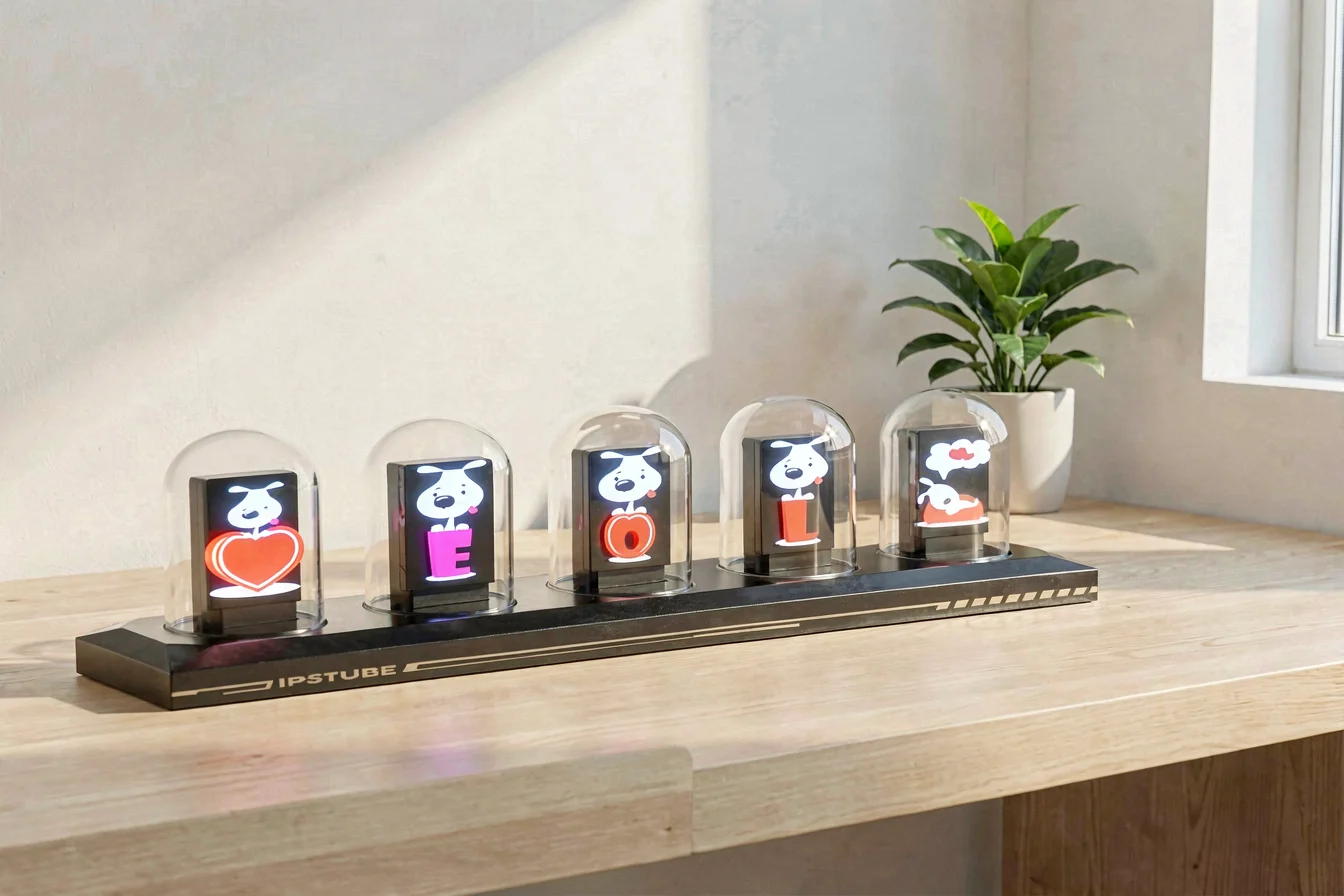
Traditional LED clocks remain the preferred choice for reliability, clarity, and low power consumption, making them ideal for commercial and home settings. RGB LED clocks are gaining traction among buyers who prioritize dynamic aesthetics, programmability, and customization, but require more power and offer niche appeal. The right procurement decision depends on your primary use case, budget, and the balance between practicality and visual impact.
Both RGB LED clock and traditional LED clock serve the fundamental need for accurate timekeeping, but they diverge sharply in design, functionality, and target audience. Traditional LED clock models are prized for their straightforward, high-visibility displays, minimal power consumption, and reliable operation—ideal for commercial spaces, offices, and homes where clarity and low maintenance are critical. RGB LED clock models, on the other hand, deliver dynamic visual experiences, programmable color schemes, and integration with smart devices, appealing to buyers seeking personalization and creative flair, especially in design studios, tech-forward offices, and maker communities.
The procurement dilemma is increasingly urgent as buyers face rising demand for visually engaging products and a growing need for energy-efficient solutions. Traditional LED clock excels in environments where continuous visibility and battery operation are required, while RGB LED clock shines in spaces where aesthetics and programmability drive purchasing decisions. Technological innovation in RGB LED clock includes programmable color displays, smart integration, and customizable animations, but comes at the cost of higher power consumption and more complex installation. Traditional LED clock remains the default for buyers prioritizing reliability, low maintenance, and battery-powered flexibility.
| Feature | RGB LED Clock | Traditional LED Clock |
|---|---|---|
| Display Type | Programmable color, dynamic effects | Static, high-contrast numbers |
| Power Source | Continuous power, USB/Cord | Battery or AC, low consumption |
| Customization | High (colors, animations, smart integration) | Low (style, size, placement) |
| Reliability | Medium (complex electronics) | High (simple electronics) |
| Target Audience | Designers, makers, tech buyers | Commercial, home, battery users |
RGB LED clocks offer creative customization but require more power and maintenance, while traditional LED clocks deliver consistent reliability and low energy usage.
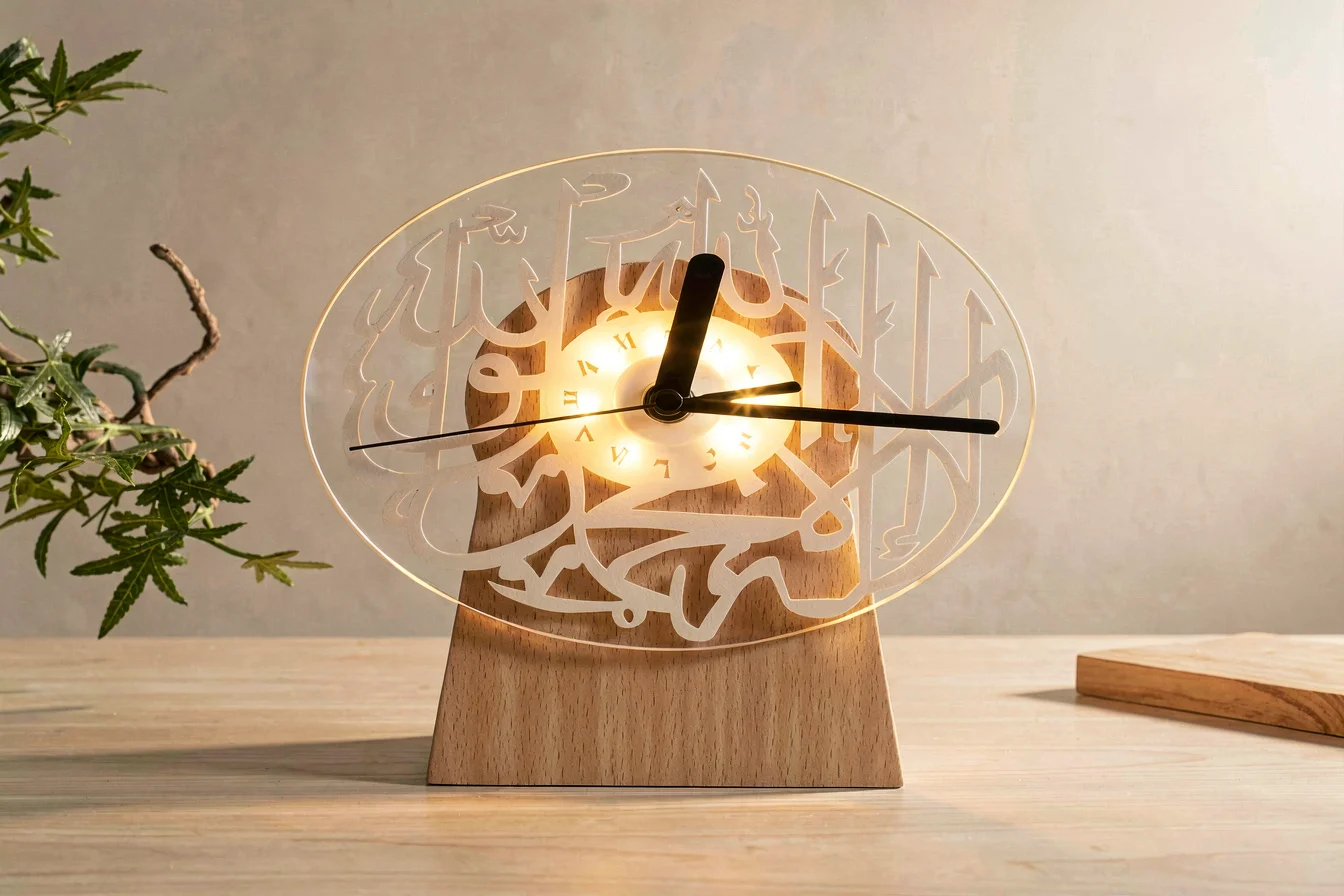
Durability is a critical factor for both RGB LED clock and traditional LED clock , but the underlying technology and application scenarios yield distinct performance profiles. Traditional LED clock models feature simple, robust electronics and often support battery operation, resulting in long lifespans (5–10 years) and minimal maintenance. RGB LED clock models, with their programmable color and dynamic effects, require more complex circuitry and are more susceptible to failures from continuous power use and software updates, typically lasting 3–5 years under heavy use.
Real-world applications further differentiate these products: traditional LED clock is preferred in high-traffic commercial spaces, schools, hospitals, and homes where clarity and reliability are paramount. RGB LED clock excels in creative studios, maker spaces, and tech-forward offices where visual impact and programmability are valued. Over a five-year period, traditional LED clock incurs lower total cost of ownership due to lower power consumption, fewer replacements, and minimal maintenance. RGB LED clock commands a higher initial price and ongoing power costs, but offers value through unique features and customization.
| Cost Factor | RGB LED Clock | Traditional LED Clock |
|---|---|---|
| Initial Purchase Price | $25–$80 | $10–$40 |
| Maintenance | Moderate (software updates, power) | Low (battery replacement) |
| Replacement Frequency | 3–5 years | 5–10 years |
| Hidden Costs | Power, software, accessories | Battery, mounting |
| Total 5-Year Cost | $60–$130 | $20–$60 |
Traditional LED clocks offer lower lifetime costs and longer durability, while RGB LED clocks justify their price with creative features and visual appeal.
The core value of the clock category is accurate timekeeping, but each product type addresses distinct buyer needs and market trends. The urgency in procurement is driven by evolving consumer preferences, urbanization, and the rise of design-centric spaces. Traditional LED clock remains the default for commercial buyers, schools, and homes, where clarity, reliability, and low power consumption are non-negotiable. RGB LED clock is increasingly sought after in creative studios, tech-forward offices, and maker communities, where dynamic aesthetics and programmability enhance user experience.
Traditional LED clocks dominate practical, high-traffic settings, while RGB LED clocks are rising in creative and tech-forward environments.
Google Trends data shows that traditional LED clock consistently outpaces RGB LED clock in search volume, peaking at 81 in February 2026 versus 56 for RGB variants[1]. Both types show seasonal spikes around back-to-school and holiday periods, indicating demand is driven by practical needs and gifting trends. However, RGB clocks are gaining steady momentum, especially among younger, design-oriented buyers.
Search Interest over Time
Traditional LED clocks maintain higher search interest, but RGB LED clocks show steady growth, especially among creative and tech buyers.
Reddit and TikTok data reveal a nuanced social pulse: RGB LED clock is celebrated for visual creativity and maker projects, but some buyers find it less practical for everyday use. Traditional LED clock is praised for reliability, clarity, and sentimental value, especially among older generations and commercial buyers. Two contrasting case studies illustrate these themes:
Case Study 1: RGB LED Clock—Maker Community
A Reddit user in r/functionalprint describes building an RGB LED clock using a Raspberry Pi Pico and WS2812b ring, highlighting the fun and customization. The clock features programmable colors, a daylight-saving switch, and USB-C power. The user shares code and 3D-printed files, and the project is saved by others for future builds. A comment notes, “Very neat! Saved for future project! Thanks for sharing!” The design is praised for its visual appeal but some question its practicality as a timekeeping tool, with one user stating, “Kinda neat. I would have a hard time using it as a clock, I think. But the design is interesting. It reminds me a little of Stargate SG-1.”[5][6][7]
Case Study 2: Traditional LED Clock—Commercial Buyer
A Reddit user in r/battlestations discusses practical digital clock setups for the home office, emphasizing simplicity and reliability. One user shares, “I just searched Amazon for a LED alarm clock and what color I wanted. There are some really sleek and minimalistic ones out there.” Another notes, “I use one for my home office and it’s really nice, also has a thermometer on it and has a wireless charger built in. It’s hella ugly though and probably won’t match your set up.” Commercial buyers value clarity and reliability, with some preferring battery operation for backup and silent ticking for bedrooms.
“Awesome! What is the white material?” (r/functionalprint)
“I just use an old phone. I actually just use my phone, put it on a charging stand with an OLED clock app.” (r/battlestations)
| Dimension | RGB LED Clock | Traditional LED Clock |
|---|---|---|
| Overall Satisfaction | High among makers, mixed among buyers | High among commercial and home users |
| Most Praised Feature | Customization, visual appeal | Clarity, reliability |
| Most Common Complaint | Power consumption, practicality | Battery replacement, aesthetics |
| Community Recommendation Rate | Moderate (creative buyers) | High (commercial, home buyers) |
Viral content themes include maker projects, DIY clock builds, and debates over practicality versus visual impact. TikTok and YouTube see RGB LED clocks featured in design and tech tutorials, while traditional LED clocks are showcased in home office and commercial settings. Cultural reception is split: RGB clocks are embraced in creative communities, while traditional clocks retain timeless appeal across generations.
RGB LED clocks are praised for creativity but questioned for practicality, while traditional LED clocks are trusted for reliability and clarity.
Buyers should begin by identifying their core needs through a checklist:
Tiered recommendations based on performance and budget:
| Tier | Recommended Product | Key Reason |
|---|---|---|
| Budget-Friendly | Traditional LED Clock | Low cost, long lifespan, battery operation |
| Mid-Range | Traditional LED Clock | Clarity, reliability, commercial appeal |
| Premium/Design-Focused | RGB LED Clock | Customization, visual impact, smart integration |
Optimization tips:
Match your clock choice to your primary needs—reliability and cost for traditional, customization and impact for RGB.
Synthesizing all insights, traditional LED clock remains the default for buyers prioritizing reliability, clarity, and low energy consumption, especially in commercial and home settings. RGB LED clock is steadily gaining momentum among creative and tech buyers, offering unique customization and dynamic visual effects, but at the cost of higher power consumption and complexity. Forward-looking trends suggest continued demand for traditional clocks in practical environments, while RGB clocks will see growth in design studios, maker communities, and smart home setups.
For confident procurement, commercial buyers should prioritize traditional LED clock for high-traffic spaces, while creative buyers should invest in RGB LED clock for dynamic, customizable displays. Share your experiences with both clock types to inform future buyers, and commercial buyers are encouraged to source wholesale options from Alibaba.com for bulk procurement and customized solutions.
Choose your clock based on your needs—traditional for reliability, RGB for creativity—and confidently source from Alibaba.com for bulk and customized options.