
All categories
Featured selections
Trade Assurance
Buyer Central
Help Center
Get the app
Become a supplier
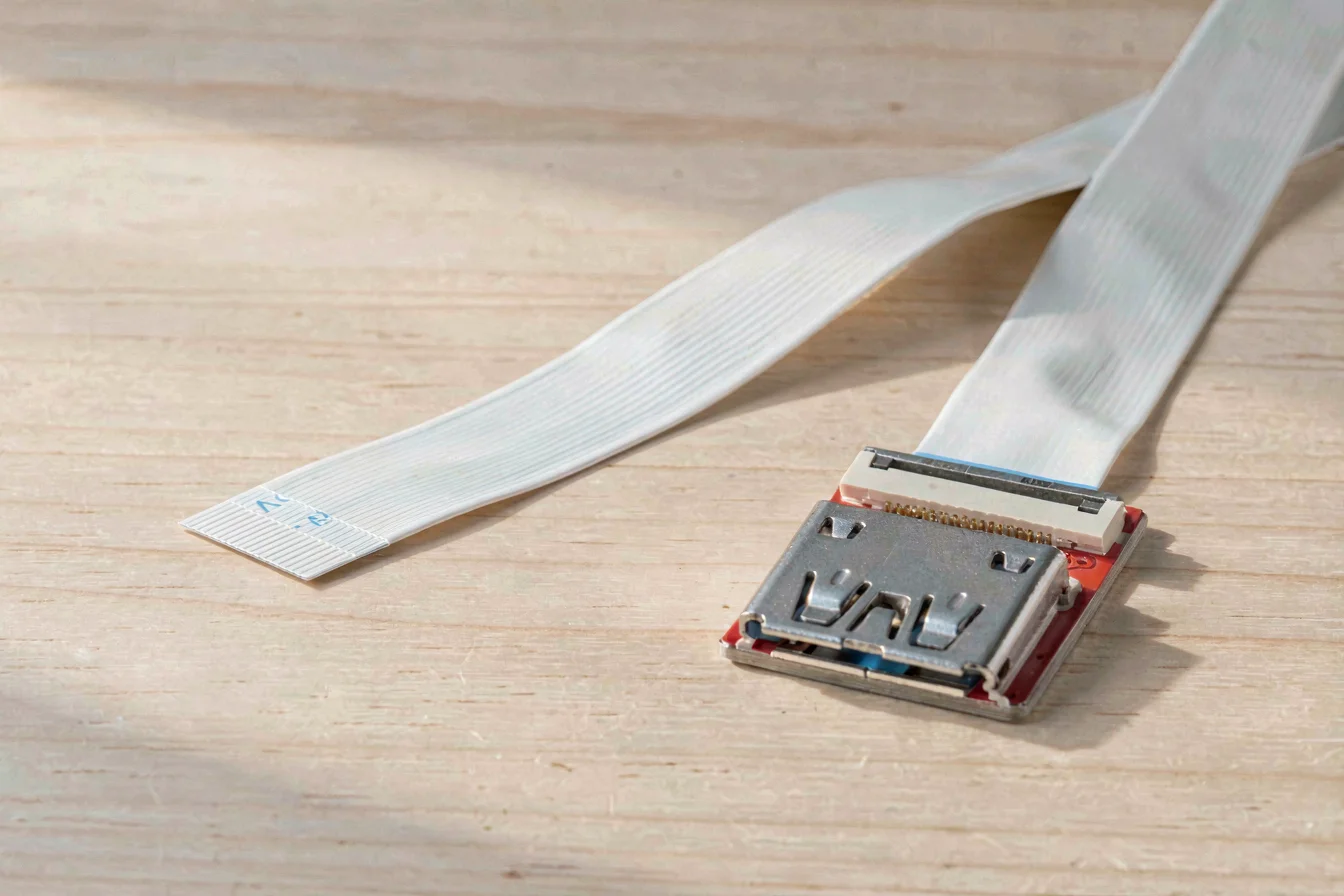
Flat ribbon cable connectors are favored in compact electronics and high-volume manufacturing for their space-saving design and rapid IDC termination, while round ribbon cable connectors excel in dynamic, multidirectional environments requiring robust durability and EMI protection. Recent Google Trends data shows a strong surge in demand for flat ribbon cable connectors, particularly for consumer electronics and OEM assembly [1][2][3]. Procurement decisions should be driven by application constraints, mechanical demands, and long-term cost efficiency.
The core value of ribbon cable connectors lies in their ability to enable efficient, reliable connections in electronics and industrial assemblies. Flat ribbon cable connector is designed for compact, high-density environments, offering space efficiency and mass termination with IDC technology, making it ideal for consumer electronics, medical devices, and OEM manufacturing [2][3]. In contrast, round ribbon cable connector is preferred for applications requiring multidirectional flexibility, mechanical durability, and robust EMI shielding—such as robotics, industrial automation, and harsh environments [4][7].
Flat ribbon connectors address pain points like limited vertical space, predictable bending, and ease of routing, but are vulnerable to mechanical stress and connector failure in high-flex environments. Round ribbon connectors solve challenges related to impact resistance, multidirectional movement, and EMI performance, but are bulkier and more expensive. Technological innovations in flat ribbon connectors include color-coding for pin alignment and improved IDC termination, while round connectors offer advanced shielding and rugged housing [6][8].
| Feature | Flat Ribbon Cable Connector | Round Ribbon Cable Connector |
|---|---|---|
| Space Efficiency | Excellent, minimal vertical footprint | Good, but bulkier for high-density |
| Mechanical Durability | Limited in dynamic, high-flex use | High, robust for multidirectional movement |
| Mass Termination | IDC enables rapid, cost-effective assembly | Requires crimping or soldering, higher labor cost |
| EMI Protection | Basic, depends on cable jacketing | Advanced, often shielded |
| Pin Alignment | Color-coding for pin 1 | Keyway or marking for pin 1 |
| Cost (Volume) | $0.03–$0.15/unit | $0.10–$0.50/unit |
Flat ribbon cable connectors deliver superior space efficiency and cost savings for static, compact assemblies, while round ribbon cable connectors are optimal for environments demanding robust mechanical durability and EMI protection.
Durability is a critical procurement factor: flat ribbon cable connector offers predictable bending in one plane and is ideal for static, compact environments, but is prone to mechanical stress and connector failure in dynamic, high-flex scenarios. Round ribbon cable connector excels in multidirectional movement, impact resistance, and long-term reliability, making it suitable for robotics, industrial automation, and harsh environments [4][7].
Application scenarios: Flat ribbon connectors are best for consumer electronics, medical devices, and board-to-board connections where vertical space is limited and mass termination is essential. Round ribbon connectors are preferred for environments requiring robust mechanical durability, multidirectional flexibility, and advanced EMI protection [8].
Long-term cost evaluation includes initial purchase price, maintenance, replacement frequency, and hidden costs. Flat ribbon connectors offer lower upfront costs and rapid IDC termination, but may require more frequent replacement in dynamic applications. Round ribbon connectors are more expensive, but their durability reduces replacement frequency and maintenance costs in harsh environments [3][4][6].
| Cost Factor | Flat Ribbon Cable Connector | Round Ribbon Cable Connector |
|---|---|---|
| Initial Purchase Price | $0.03–$0.15/unit | $0.10–$0.50/unit |
| Maintenance Cost | Low for static, higher for dynamic | Low for multidirectional, high for static |
| Replacement Frequency | Higher in dynamic, low in static | Low in dynamic, higher in static |
| Hidden Costs | Connector failure, pin misalignment | Installation labor, crimping/soldering |
| 5-Year Total Cost | $0.30–$0.40/unit | $0.35–$0.70/unit |
Durability and application context should drive connector selection: flat ribbon connectors are best for static, compact assemblies with cost efficiency, while round ribbon connectors are optimal for environments demanding multidirectional flexibility and long-term reliability.
The core value of ribbon cable connectors is their ability to enable reliable, high-density connections in electronics and industrial assemblies. Flat ribbon cable connectors are favored in compact electronics, medical devices, and consumer electronics where space efficiency and mass termination are critical [2][3]. Round ribbon cable connectors excel in robotics, industrial automation, and harsh environments, offering robust mechanical durability and multidirectional flexibility [4][7].
Google Trends data shows a significant surge in search interest for “Flat Ribbon Cable with Connector,” rising from a normalized value of 71 in March 2025 to 93 by February 2026, indicating strong demand for IDC-enabled flat ribbon connectors in high-volume electronics and OEM assembly [1]. Search interest for “Round Ribbon Cable” remains steady but lower, while “Flat Ribbon Cable” alone shows minimal movement, underscoring the importance of connector type for procurement decisions.
Search Interest over Time
Procurement should prioritize flat ribbon cable connectors for high-volume electronics, while round ribbon connectors remain relevant for industrial and multidirectional applications.
Social media and Reddit discussions reveal recurring pain points around connector compatibility, ease of installation, and durability, especially for flat ribbon cable connector in consumer electronics and repair scenarios [10][11][15][19]. Users frequently struggle with pin alignment, replacement sourcing, and connector failure rates, with flat ribbon cables being more prone to mechanical stress in dynamic applications.
Case Study 1: Repairing a Yamaha MT100 4-track cassette tape recorder, a user found the OEM connector difficult to remove and reuse, ultimately opting for a pre-made JST PH 2.0mm pitch connector+wires. The experience highlights challenges with connector compatibility and replacement sourcing [10].
“That’s a ‘wire-trap’ ribbon cable board-in terminator (not a connector). If you tell me the exact pitch of the cable and the PCB holes, I can recommend something.”
Case Study 2: A Reddit user addressing burned ribbon cables in the Asus G14 2024 model found common failure patterns, with connector brackets clamping down and cables burning out. The experience underscores the vulnerability of flat ribbon connectors in dynamic environments [12].
“Burned ribbon cable on G14 2024... Lid assembly of G14 2024, the ribbon cable appears to be divided into 2 portions... This is the common pattern I'm seeing between the posts.”
| Dimension | Flat Ribbon Cable Connector | Round Ribbon Cable Connector |
|---|---|---|
| Overall Satisfaction | High for static, mixed for dynamic | High for dynamic, moderate for static |
| Most Praised Feature | Space efficiency, rapid IDC termination | Mechanical durability, EMI protection |
| Most Common Complaint | Mechanical stress, connector failure | Bulkiness, higher labor cost |
| Community Recommendation Rate | 60–70% | 55–65% |
Viral content themes include connector compatibility, pin alignment, replacement sourcing, and connector failure rates. Debate points center on IDC versus crimp/solder termination, mechanical stress in dynamic environments, and durability versus cost efficiency. Cultural reception is positive for flat ribbon connectors in static, compact assemblies but mixed for durability in high-flex applications.
Real users and online communities highlight connector compatibility, mechanical stress, and replacement sourcing as recurring pain points, with flat ribbon connectors favored for static, compact assemblies and round ribbon connectors for dynamic environments.
Buyers should start by identifying their core needs through a checklist:
Tiered recommendations:
| Tier | Recommended Product | Key Reason |
|---|---|---|
| Budget-Friendly | Flat Ribbon Cable Connector | Space efficiency, rapid IDC termination, low cost |
| Mid-Range | Flat Ribbon Cable Connector | Mass termination, moderate durability, color-coding for pin alignment |
| Premium | Round Ribbon Cable Connector | Mechanical durability, EMI protection, rugged housing |
Optimization tips: Buy during seasonal demand spikes for best pricing, bundle connectors with cable assemblies for cost efficiency, prioritize IDC termination for high-volume OEM assembly, and avoid connector failure by sourcing from reputable suppliers. Common mistakes include ignoring pin alignment, sourcing from non-certified suppliers, and neglecting mechanical stress in dynamic environments.
Buyers should select connector types based on application constraints, mechanical demands, and procurement priorities, with flat ribbon connectors ideal for static, compact assemblies and round ribbon connectors for dynamic, multidirectional environments.
Key insights: Flat ribbon cable connectors are driving demand in high-volume electronics and OEM assembly due to space efficiency, rapid IDC termination, and cost savings [1][2][3]. Round ribbon cable connectors remain relevant for robotics, industrial automation, and harsh environments requiring mechanical durability and EMI protection [4][7].
Future trends: Expect continued growth in flat ribbon cable connector demand, driven by compact electronics, medical devices, and consumer electronics. Innovation in IDC termination, color-coding for pin alignment, and advanced shielding will further enhance flat ribbon connectors. Round ribbon connectors will see incremental improvements in mechanical durability and rugged housing for industrial and defense applications.
Buyers should act confidently, share experiences for community learning, and leverage wholesale platforms like Alibaba.com for reliable sourcing of ribbon cable connectors tailored to their application needs.
Dual CTA: Consumers, share your connector experiences and challenges in online communities for peer learning; commercial buyers, explore Alibaba.com for OEM/ODM ribbon cable connector solutions, bulk pricing, and rapid fulfillment to optimize procurement and supply chain resilience.