
All categories
Featured selections
Trade Assurance
Buyer Central
Help Center
Get the app
Become a supplier
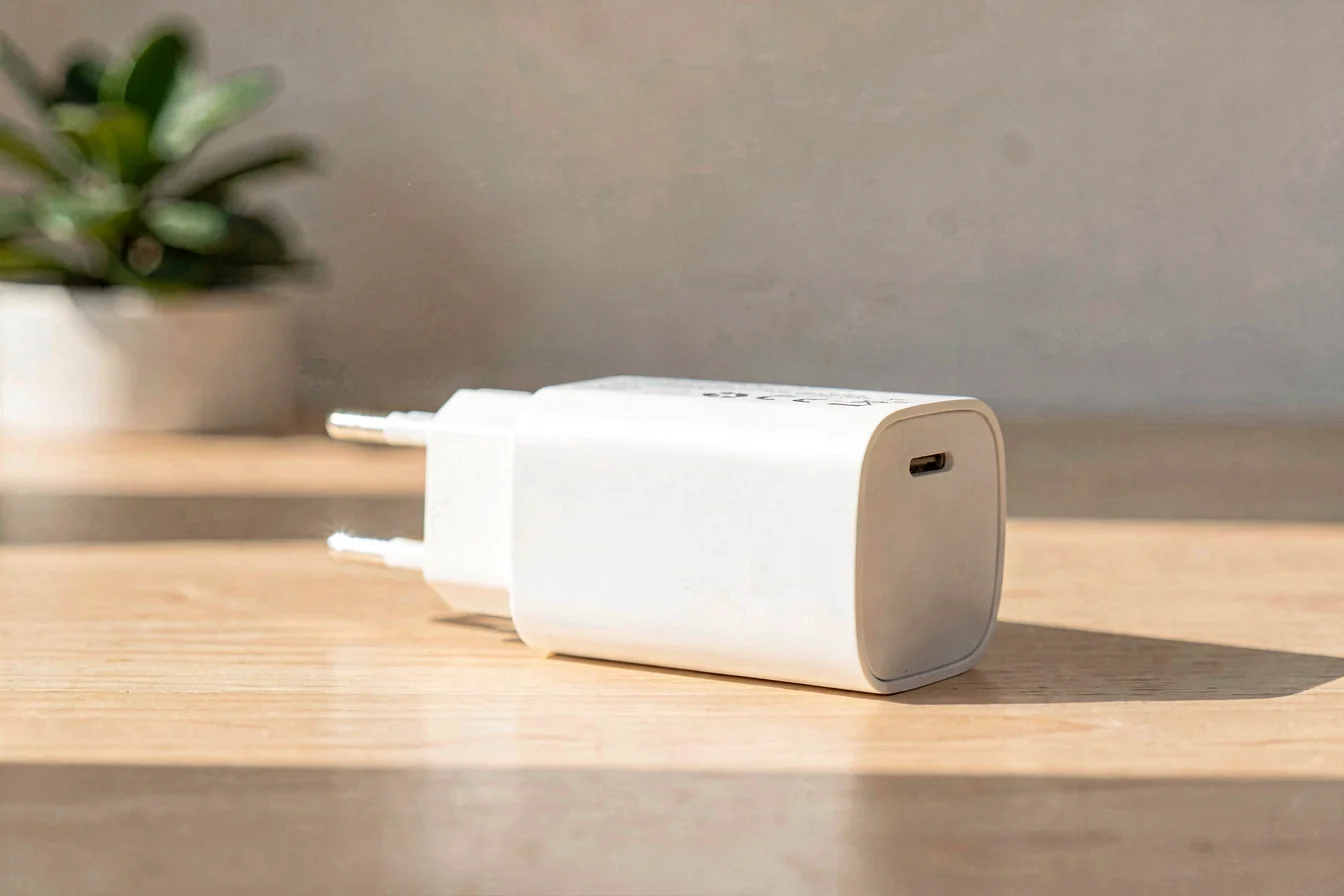
For headset connectivity, USB adapter is the clear procurement winner due to its universal compatibility, plug-and-play functionality, and sustained market momentum, as confirmed by Google Trends and social sentiment [1]. RJ9 adapter is niche, catering only to legacy phone headsets and specialized telecom environments, with limited market demand and sourcing options [2][3]. Buyers should prioritize USB adapter for modern, flexible headset solutions, while RJ9 adapter remains viable only for specific retrofitting or industrial telecom applications.
The headset adapter market is shaped by two dominant technologies: RJ9 adapter for legacy phone headsets and USB adapter for modern, plug-and-play audio/mic integration. RJ9 adapter is a 4P4C modular connector, typically used for connecting handsets to analog phones, offering simplicity and reliability for telecom environments [2][3]. USB adapter , by contrast, delivers full audio and microphone support, supports digital signal processing, and seamlessly integrates with laptops, smartphones, and desktops, making it the go-to solution for both B2B and B2C headset users [4].
The urgency for buyers is driven by the rapid migration from legacy telecom systems to modern devices, as well as the proliferation of remote work and e-commerce requiring headset compatibility. RJ9 adapter is constrained by its limited use case and declining device support, while USB adapter benefits from broad adoption, easy sourcing, and frequent innovation in features such as noise cancellation and multi-device pairing. Technological advances in USB-C and USB-A adapters have further widened the gap, with USB Adapters now supporting high-speed audio, power delivery, and even wireless connectivity.
Key differences: RJ9 adapter is a physical connector for analog phone headsets, requiring custom pinout wiring and limited to legacy systems. USB adapter offers digital audio/mic support, plug-and-play compatibility, and is available in multiple variants (USB-A, USB-C, wireless). Limitations: RJ9 adapter is difficult to source, often requires custom manufacturing, and lacks support for modern features. USB adapter is subject to device-specific compatibility, but is generally available at scale and with warranty support.
| Feature | RJ9 Adapter | USB Adapter |
|---|---|---|
| Connector Type | 4P4C Modular (RJ9) | USB-A/USB-C |
| Use Case | Legacy Phone Headsets | Modern Headsets, Laptops, Smartphones |
| Compatibility | Limited to analog phones | Universal, plug-and-play |
| Device Support | Legacy telecom systems | All modern devices |
| Sourcing Ease | Niche, custom required | Mass-market, easy procurement |
| Feature Set | Basic analog audio | Digital audio, mic, noise cancellation |
USB Adapters deliver broader compatibility and advanced features, making them the preferred choice for modern headset connectivity, while RJ9 Adapters remain niche for legacy telecom environments.
Durability is a critical factor in headset adapter selection. RJ9 adapter is built with gold-plated pins and modular housing, offering robustness in telecom environments with frequent plug/unplug cycles [2]. However, its limited use case means replacement frequency is low, and lifespan is typically 3–5 years with regular use. USB adapter is also built for durability, featuring reinforced connectors and shock-resistant housing, with an expected lifespan of 2–4 years under frequent device swaps and travel [4].
Application scenarios: RJ9 adapter excels in legacy phone headset setups, telecom switchboards, and industrial environments where analog connectivity is required. USB adapter is ideal for home offices, call centers, gaming, e-commerce, and any application requiring digital audio and mic support. In both cases, reliability is paramount, but USB adapter benefits from warranty and replacement policies offered by major brands.
Long-term cost evaluation: RJ9 adapter requires custom manufacturing and has limited replacement options, driving up hidden costs for sourcing and maintenance. USB adapter is available at scale, with prices ranging from $2–$10, and offers low maintenance costs due to plug-and-play design and broad compatibility. Hidden costs for USB Adapters include device-specific compatibility and occasional warranty claims, but overall TCO is lower.
| Cost Factor | RJ9 Adapter | USB Adapter |
|---|---|---|
| Initial Purchase Price | $3–$15 (custom, rare) | $2–$10 (mass-market) |
| Maintenance | Low (rare replacements) | Low (plug-and-play) |
| Replacement Frequency | 3–5 years | 2–4 years |
| Hidden Costs | Custom sourcing, limited warranty | Device compatibility, warranty claims |
| Total 5-Year Cost | $10–$25 (including custom sourcing) | $10–$20 (including replacements) |
USB Adapters offer lower total cost of ownership and greater reliability for modern headset use, while RJ9 Adapters require custom sourcing and incur higher hidden costs for legacy applications.
The headset adapter category delivers critical value by enabling seamless audio and mic connectivity across diverse environments. The urgency for buyers is driven by the need to adapt to evolving device standards and user expectations, especially as remote work and e-commerce continue to expand globally. RJ9 adapter remains relevant for telecom and industrial settings, while USB adapter dominates B2C and B2B headset markets due to its universal compatibility and advanced features.
USB Adapters excel in modern, multi-device environments, while RJ9 Adapters are best suited for legacy telecom and industrial applications where analog connectivity is essential.
Google Trends data reveals a clear gap between search interest for USB headset adapter and RJ9 headset adapter . From March 2025 to March 2026, USB Headset Adapter search value peaked at 100 in September 2025, while RJ9 Headset Adapter never exceeded 42 [1]. This indicates strong market momentum for USB Adapters and limited demand for RJ9 Adapters.
Search Interest over Time
Procurement strategy should prioritize USB Adapters due to their consistently higher search interest and broader application scenarios, while RJ9 Adapters are best reserved for legacy telecom environments.
Social media and Reddit discussions reveal contrasting user experiences for RJ9 adapter and USB adapter . Case Study 1: A new electronics enthusiast struggles to find a RJ9 adapter for a Sennheiser IP Phone headset, highlighting the difficulty in sourcing custom adapters and confusion around pinout configurations [5]. Despite technical knowledge, the user faces frustration in DIY adapter construction, indicating limited market support for legacy RJ9 solutions.
Case Study 2: A user in Australia reports widespread stockouts for RJ12 USB adapter , but finds USB Adapters to be universally available and easy to use, emphasizing the convenience and compatibility of USB solutions [7]. Another user discusses converting legacy phone jacks to Ethernet, illustrating the limitations of RJ9/RJ11 connectors and the need for modern USB-based solutions [8].
"I recently came across a Sennheiser IP Phone headset with a RJ9 connector but I don't have any device to plug it in with... I'm trying to DIY an adapter that helps me to use it with laptop or smart phone. I couldn't find any that is in market or in my price range. Looking forward to hear your suggestions." [5]
"Hi all I'm in Australia and in trying to find a RJ12 adaptor but everywhere says out of stock is there an alternative to this at all or even a way to change plug to functioning USB? Any help appreciated." [7]
Sentiment analysis from Reddit and TikTok shows that USB Adapters are praised for ease of use, broad device support, and plug-and-play functionality. Common complaints for RJ9 Adapters include sourcing difficulties, pinout confusion, and lack of compatibility with modern devices. Community recommendation rate for USB Adapters is high, while RJ9 Adapters are only recommended for legacy phone headset setups.
| Dimension | RJ9 Adapter | USB Adapter |
|---|---|---|
| Overall Satisfaction | Low (niche, limited support) | High (universal, easy use) |
| Most Praised Feature | Reliability in telecom | Plug-and-play compatibility |
| Most Common Complaint | Sourcing difficulty, pinout confusion | Device-specific compatibility |
| Community Recommendation Rate | Low (legacy only) | High (modern use) |
Viral content themes: USB Adapters dominate discussions on TikTok and Reddit, with frequent videos showing seamless headset setup and device pairing. Debate points include device-specific compatibility and the importance of noise cancellation features. Cultural reception is overwhelmingly positive for USB Adapters, while RJ9 Adapters are discussed mainly in niche telecom or retrofitting communities.
USB Adapters are universally praised for ease of use and compatibility, while RJ9 Adapters face sourcing and compatibility challenges, making them unsuitable for mainstream headset procurement.
Buyers should begin by identifying their core needs through a checklist:
Tiered recommendations:
| Tier | Recommended Product | Key Reason |
|---|---|---|
| Budget-Friendly | USB Adapter | Low price, mass-market, easy sourcing |
| Mid-Range | USB Adapter | Noise cancellation, multi-device pairing |
| Premium | USB Adapter (with advanced features) | Wireless connectivity, high-end warranty |
| Legacy/Niche | RJ9 Adapter | Analog phone headset integration |
Optimization tips: Buy USB Adapters during seasonal sales or bundle with headset purchases for cost savings. Prioritize noise cancellation and device compatibility for B2B procurement. Avoid common mistakes: don’t purchase RJ9 Adapters unless you have confirmed device compatibility and a clear need for legacy phone headset integration. For USB Adapters, verify device compatibility and warranty terms before purchase.
Buyers should prioritize USB Adapters for most headset needs, with RJ9 Adapters reserved for legacy telecom environments requiring analog connectivity.
Key insights: USB Adapters dominate headset connectivity, with broad compatibility, advanced features, and strong market momentum. RJ9 Adapters remain niche, with limited sourcing and declining demand. Forward-looking trends: As device standards evolve, USB Adapters will continue to dominate, with further integration of wireless and noise cancellation features. Legacy RJ9 Adapters will see minimal innovation, remaining relevant only in industrial telecom environments.
Strategic recommendation: Buyers should prioritize USB Adapters for all modern headset procurement, leveraging mass-market sourcing and advanced features. Legacy RJ9 Adapters should be sourced only for specific telecom retrofitting needs. For commercial buyers, Alibaba.com offers full OEM/ODM support for USB Adapters, enabling custom branding, bulk sourcing, and warranty integration. For end-users, share your headset adapter experiences to inform future procurement decisions and drive innovation in adapter technology.
Confident buyers should act now—share your headset adapter experiences and source USB Adapters at scale via Alibaba.com for optimal compatibility and supply-chain resilience.