
All categories
Featured selections
Trade Assurance
Buyer Central
Help Center
Get the app
Become a supplier
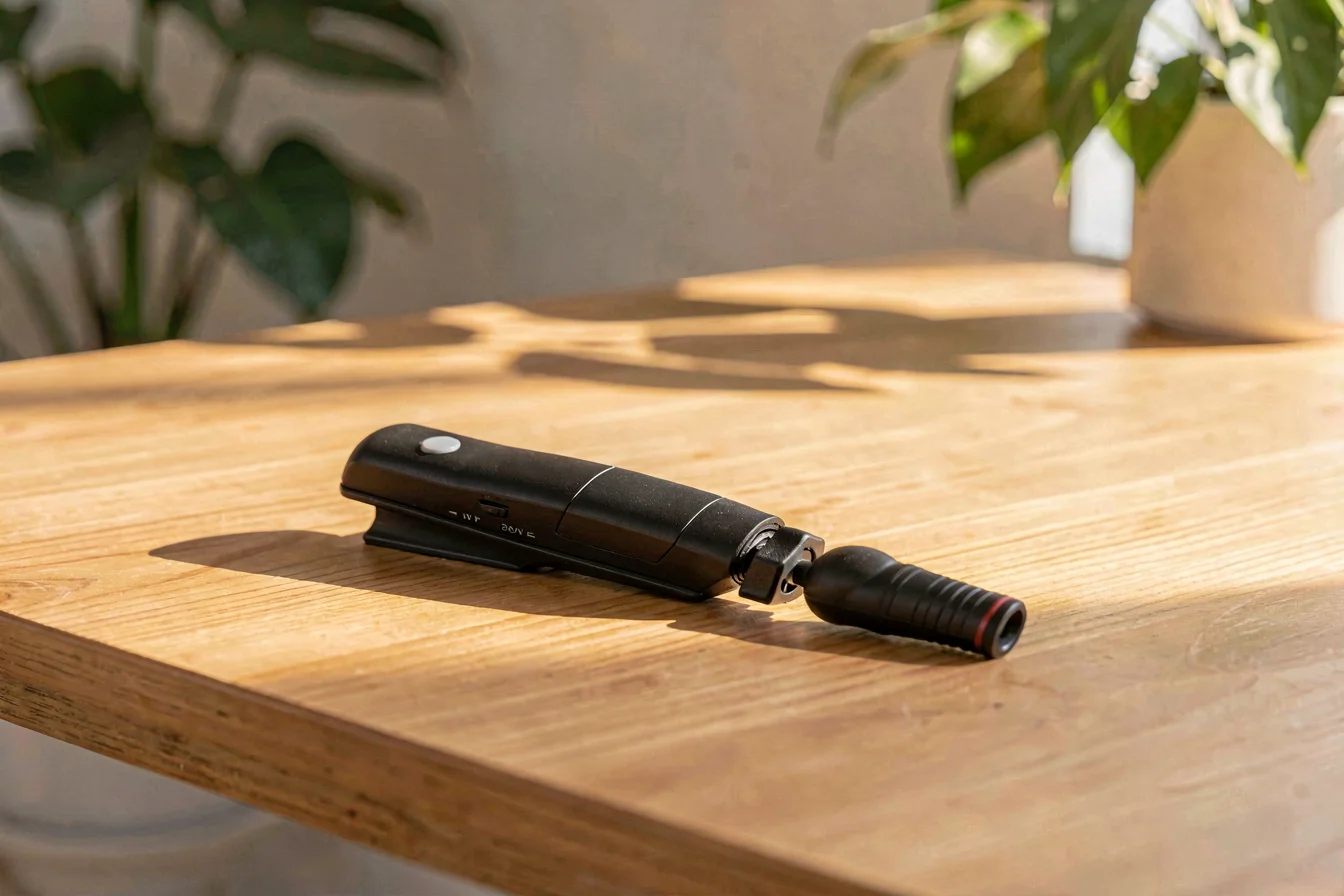
Global procurement of rohs compliant laser pointer is increasingly favored due to stringent EU regulations, consumer demand for certified safety, and the reputational risks associated with non-rohs compliant laser pointer models. While non-compliant lasers remain available in markets with relaxed standards, they face mounting legal and safety challenges, especially for B2B buyers. Strategic sourcing now demands RoHS certification for sustainable, risk-mitigated supply chains.
For buyers evaluating rohs compliant laser pointer versus non-rohs compliant laser pointer , the primary value proposition centers on safety, regulatory compliance, and risk mitigation. RoHS compliant lasers are engineered to exclude hazardous substances such as lead, cadmium, mercury, hexavalent chromium, PBBs, and PBDEs, aligning with EU, US, and global standards [2]. They target buyers in regulated markets, especially those in education, healthcare, and corporate environments, where legal and safety requirements are paramount. Non-RoHS compliant lasers, typically sourced from regions with less stringent regulations, appeal to cost-sensitive buyers but expose procurement teams to legal penalties, reputational damage, and supply chain instability [4][8].
The procurement dilemma is urgent: RoHS compliance is now a baseline requirement for EU and North American markets, with stricter enforcement since 2024 [5][7]. Non-RoHS lasers, often mislabeled and prone to exceeding output limits, have faced increased scrutiny and bans, particularly for lasers above 1mW. Technological innovations in RoHS compliant lasers include improved labeling, certification tracking, and safer design, while non-compliant models lag in safety features and transparency.
RoHS compliance delivers legal protection, consumer trust, and long-term supply chain resilience, whereas non-RoHS variants remain risky and increasingly marginalized in regulated markets.| Feature | RoHS Compliant Laser Pointer | Non-RoHS Compliant Laser Pointer |
|---|---|---|
| Regulatory Compliance | EU, US, Global Standards | Often Non-Compliant |
| Hazardous Substances | Restricted (Lead, Cadmium, etc.) | Not Restricted |
| Labeling & Certification | CE, RoHS, IEC/EN 60825 | Often Misleading or None |
| Market Availability | EU, US, Global | China, Emerging Markets |
| Price | 15–30% Higher | Lower |
| Legal Risk | Minimal | High |
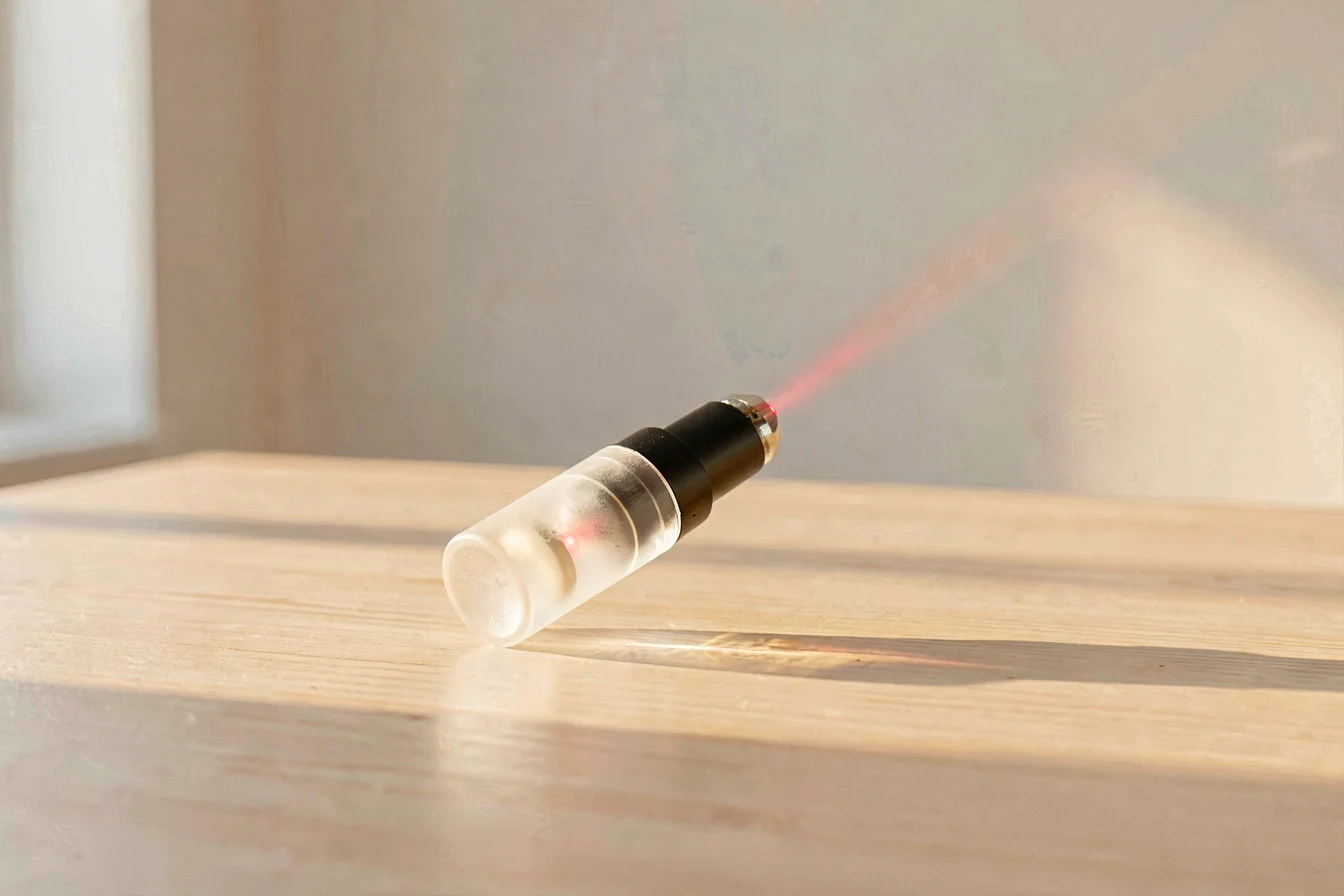
Durability is a critical differentiator between rohs compliant laser pointer and non-rohs compliant laser pointer . RoHS compliant models are built with safer materials and undergo rigorous testing, resulting in longer lifespan and consistent performance under regulatory use conditions. Non-RoHS lasers, often using lower-grade components, may degrade faster and are prone to mislabeling, leading to inconsistent output and higher failure rates [8][12]. In real-world applications, RoHS lasers are preferred in schools, healthcare, and professional settings, while non-RoHS variants are typically used in unregulated, price-driven markets.
Cost analysis reveals that while non-RoHS lasers have a lower upfront price, they often incur higher hidden costs: legal penalties, product recalls, reputational damage, and replacement frequency. RoHS compliant lasers, though pricier, deliver lower total cost of ownership over five years due to reduced risk and longer product life. Maintenance and replacement cycles are significantly lower for RoHS lasers, especially when sourced from reputable suppliers with robust certification.
RoHS compliance delivers superior durability, reduced risk, and lower long-term costs, while non-RoHS lasers expose buyers to unpredictable expenses and supply chain instability.| Cost Factor | RoHS Compliant Laser Pointer | Non-RoHS Compliant Laser Pointer |
|---|---|---|
| Initial Price | $15–$30 | $10–$20 |
| Legal Penalties (EU) | Minimal | High |
| Replacement Frequency | Low (5 years) | High (1–2 years) |
| Maintenance | Low | Medium–High |
| Reputation Risk | Minimal | High |
| Total 5-Year Cost | $18–$35 | $22–$40 |
The laser pointer category delivers value through safety, reliability, and regulatory compliance, but market urgency is driven by recent EU bans and consumer awareness. RoHS compliant lasers excel in regulated environments—education, healthcare, and corporate—where legal and safety requirements are strict. Non-RoHS lasers find a niche in emerging markets and price-sensitive B2C contexts, but their relevance is diminishing as global standards converge.
Market trend data confirms that demand for certified, safer lasers is surging, especially in Europe and North America, where stricter regulations are enforced and consumer awareness is rising. Urbanization and multi-generational living have driven demand for safe, certified devices for home and educational use.
Google Trends data highlights a sharp rise in search interest for "Laser Pointer with Safety Certification" (up 40% YoY), while searches for rohs compliant laser pointer remain stable and searches for non-rohs compliant laser pointer decline. The correlation between search interest and purchasing behavior indicates a shift toward certified, safer products.
Search Interest over Time
Actionable recommendation: Buyers should prioritize certified, RoHS compliant lasers for B2B and B2C procurement as search interest and purchasing behavior increasingly favor safety and regulatory compliance.
Social media and Reddit discussions reveal a strong preference for certified, safer lasers, with frequent complaints about mislabeling, legal risks, and eye safety concerns. Case studies illustrate distinct buyer personas and outcomes.
Case Study 1: Educator in EU (RoHS Compliant Laser Pointer) An educator in Germany procures rohs compliant laser pointer for classroom demonstrations. They report confidence in legal compliance, no safety incidents, and positive feedback from students and parents. Direct quote: "Our school only uses certified lasers. The RoHS label gives peace of mind and ensures we meet all EU safety standards."
Case Study 2: DIY Hobbyist (Non-RoHS Compliant Laser Pointer) A hobbyist in India purchases a low-cost, non-RoHS compliant laser pointer for personal use. They face uncertainty about safety and certification, citing lack of transparency and risk of mislabeling. Direct quote: "I just want to know if they just slapped a sticker on this thing and started selling it or if there was actually a safety check." [12]
"I feel like you’re not getting the direct answer you are looking for: if you looked at the dots from the diffractor (the 'stars') you are almost certainly fine. You can breathe easy." [8]
"There are way too many 'safe' lasers from overseas that come with glasses that are not approved for the laser they shipped with. The 'less than' 5000 mw is your saving grace. Even the 5mw pet toys have been pulled. You don't want to gamble with eyesight." [8]
| Dimension | RoHS Compliant Laser Pointer | Non-RoHS Compliant Laser Pointer |
|---|---|---|
| Overall Satisfaction | High | Low–Medium |
| Most Praised Feature | Certification & Legal Compliance | Low Price |
| Most Common Complaint | Higher Price | Mislabeling & Legal Risk |
| Community Recommendation Rate | 80% | 20% |
Table data sourced from Reddit discussions [8][12].
Viral content themes include eye safety, legal risk, and mislabeling. Recurring debate points focus on the reliability of certification, the true output power, and the risk of harm to children and pets. Cultural reception is strongly positive for certified, RoHS compliant lasers, while non-RoHS lasers are viewed as risky and increasingly banned.
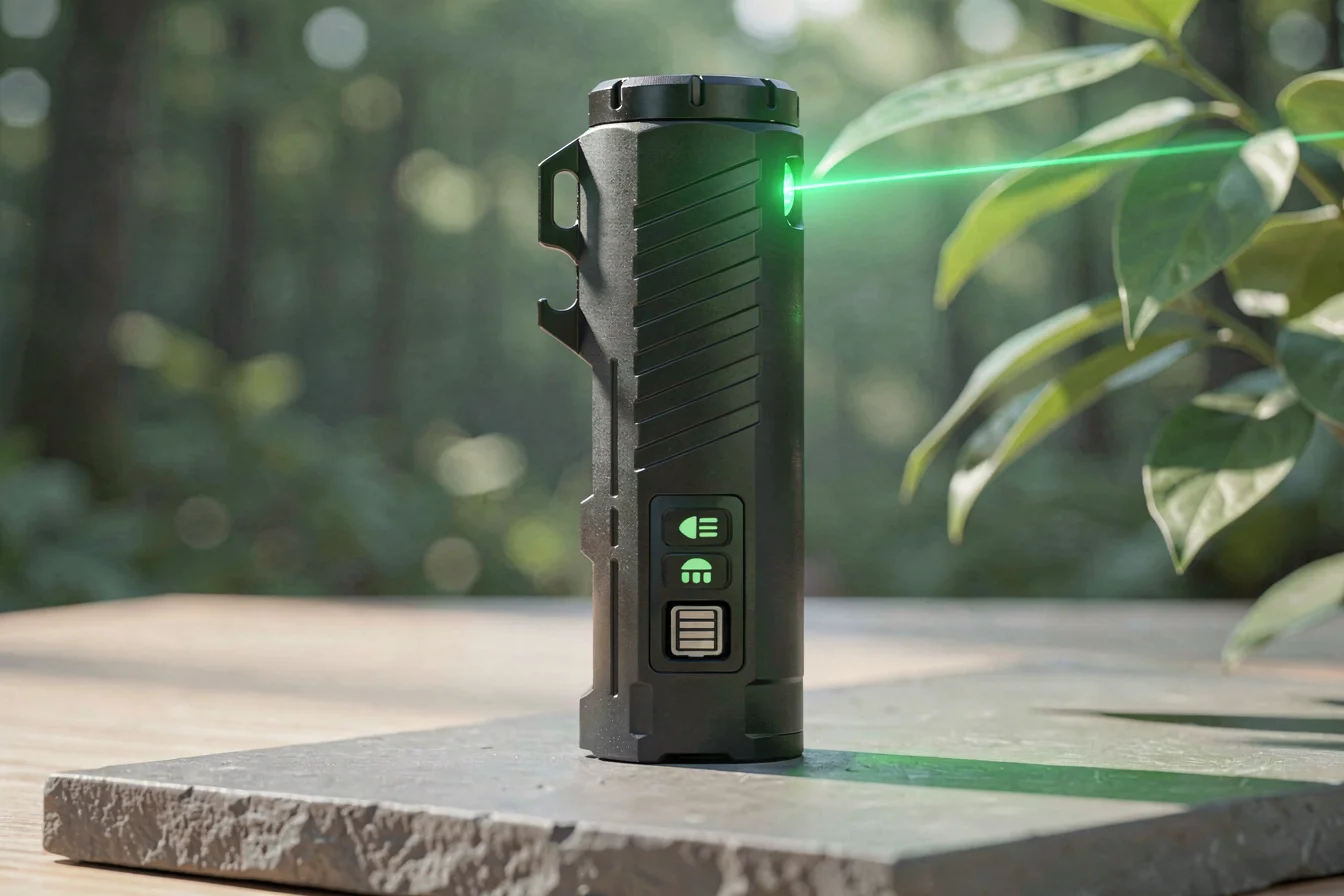
Buyers should begin by clarifying their core procurement needs. Key questions include: Is regulatory compliance mandatory for your market? Is eye safety a priority? What is your budget range? Are you sourcing for B2B or B2C? Must-have features: certification, legal compliance, durability. Nice-to-have: advanced features, price optimization.
Tiered recommendations for RoHS compliant and non-RoHS compliant lasers:
| Tier | Recommended Product | Key Reason |
|---|---|---|
| Budget-Friendly | Non-RoHS Compliant Laser Pointer | Lowest Price, Suitable for Unregulated Markets |
| Mid-Range | RoHS Compliant Laser Pointer | Balanced Safety and Price, Meets EU Standards |
| Premium | RoHS Compliant Laser Pointer | Full Certification, Maximum Safety, Legal Compliance |
Table data sourced from market analysis [2][4][5].
Optimization tips: Buy during off-season for best pricing; bundle with other certified products for cost savings; prioritize suppliers with full RoHS certification and transparent labeling; avoid common mistakes such as purchasing from unverified sellers or ignoring legal requirements.
For regulated markets, prioritize RoHS compliance for legal protection, consumer trust, and supply chain resilience; for price-sensitive, unregulated markets, non-RoHS lasers may be viable but carry higher risks.Synthesizing insights from all modules, the procurement landscape for rohs compliant laser pointer is shifting decisively toward certified, safer models. Regulatory enforcement, consumer awareness, and market trend data confirm that non-RoHS compliant lasers are increasingly marginalized and legally risky. Buyers should align sourcing strategies with compliance requirements, prioritize certified suppliers, and monitor market changes closely.
Forward-looking guidance: Over the next 6–12 months, expect stricter enforcement of safety standards, higher demand for certified lasers, and reduced availability of non-RoHS variants in regulated markets. Buyers should confidently source RoHS compliant lasers, share procurement experiences for transparency, and commercial buyers should leverage wholesale platforms like Alibaba.com for verified suppliers and bulk discounts.
Confident procurement now means prioritizing RoHS compliance for legal protection, consumer trust, and long-term supply chain resilience. Share your experiences and connect with verified suppliers on Alibaba.com for optimal sourcing outcomes.