
All categories
Featured selections
Trade Assurance
Buyer Central
Help Center
Get the app
Become a supplier
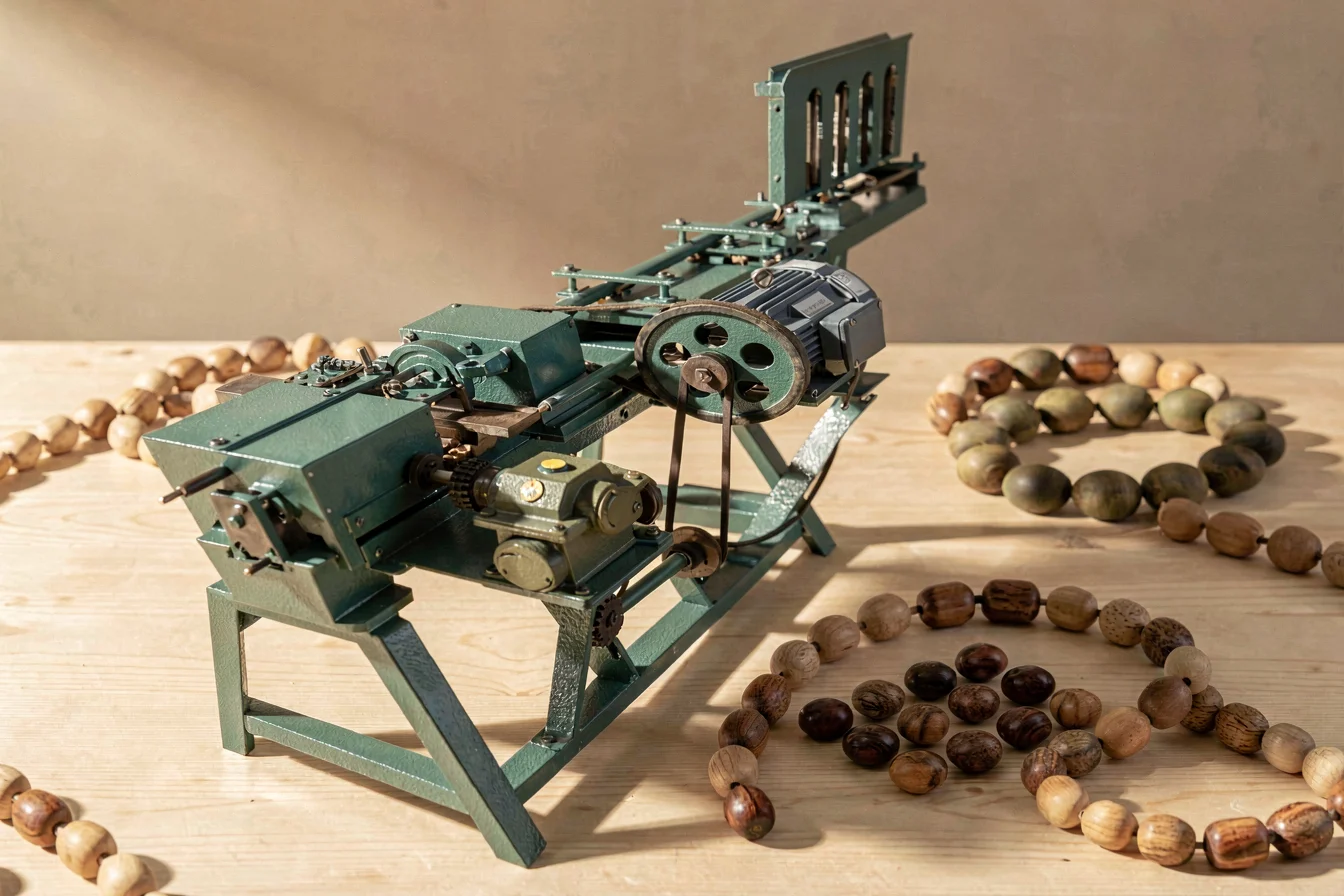
Automatic rosary making machines deliver unmatched efficiency, precision, and throughput for large-scale rosary production, aligning with rising demand and cost optimization for bulk buyers. In contrast, semi-automatic rosary making machine provides flexibility, easier maintenance, and lower upfront investment, making it ideal for artisanal, custom, or small-batch manufacturing. For buyers, the choice hinges on production scale, budget, and operational complexity, with automatic options trending stronger in global search interest and commercial procurement [1][2].
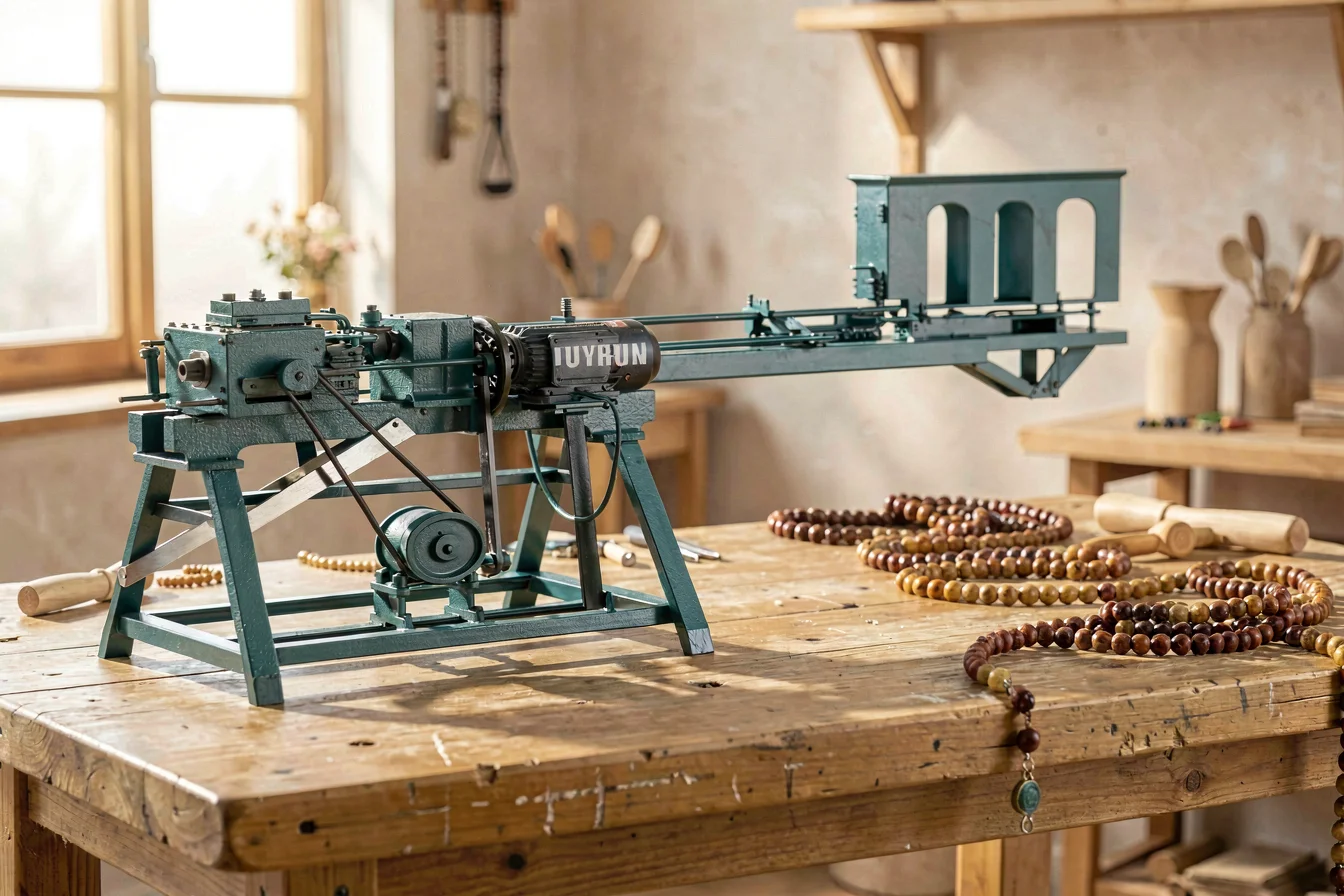
The core value of rosary making machines lies in streamlining bead stringing, ensuring consistent quality, and minimizing manual labor. Automatic rosary making machine automates the entire process—wire feeding, bead placement, chain formation, and final assembly—offering high output, programmable speed, and precise bead diameter control (1.5–6 mm), suited for bulk manufacturers and commercial producers [2]. Semi-automatic machines, on the other hand, require manual or semi-manual intervention for bead placement and chain assembly, providing customization and easier troubleshooting for small workshops and artisanal makers.
Traditional challenges with automatic machines include higher initial investment, maintenance complexity, and potential downtime, while semi-automatic machines face limitations in throughput, scalability, and labor intensity. Recent innovations in automatic machines include programmable pitch, advanced bead die systems, and vibration-damping feet for improved reliability. Semi-automatic machines excel in user-friendly operation, lower power consumption, and easier repairs, but lack the speed and precision of full automation.
The procurement logic is clear: automatic machines dominate in commercial, large-scale settings, while semi-automatic machines remain the preferred choice for custom, small-batch, or repair-sensitive operations.
| Feature | Automatic Rosary Making Machine | Semi-Automatic Rosary Making Machine |
|---|---|---|
| Production Speed | High (programmable, up to 100+ units/hour) | Medium (manual intervention, 10–20 units/hour) |
| Bead Diameter Range | 1.5–6 mm (adjustable via dies) | 1–5 mm (limited by manual setup) |
| Precision & Consistency | Very High (fully automated, programmable pitch) | Medium (operator-dependent, variable pitch) |
| Maintenance Complexity | Higher (requires skilled technicians) | Lower (easy repair, minimal downtime) |
| Initial Investment | High ($10,000–$30,000) | Medium ($1,000–$5,000) |
| Best Use Case | Mass production, commercial suppliers | Custom, artisanal, small-batch makers |
Table data sourced from [2].
Durability is a critical factor for both automatic rosary making machine and semi-automatic rosary making machine . Automatic machines, constructed with robust steel and programmable speed control, typically last 5–10 years under continuous commercial use, with minimal wear on programmable parts and vibration-damping feet [2]. Semi-automatic machines, with simpler mechanics and fewer moving parts, tend to last 3–7 years, but require more frequent manual maintenance and replacement of basic components.
Real-world application scenarios show that automatic machines excel in high-volume, standardized rosary production, such as for religious suppliers, jewelry manufacturers, and e-commerce platforms. Semi-automatic machines are preferred for custom rosaries, small-batch artisanal production, and repair-sensitive environments where customization and flexibility outweigh speed.
Long-term cost analysis reveals that automatic machines deliver lower per-unit costs at scale, but require higher initial investment and skilled labor for maintenance. Semi-automatic machines incur higher labor costs per unit but offer lower upfront costs and easier repairs, making them cost-effective for small operations.
For buyers seeking long-term value, automatic machines suit high-volume, standardized production, while semi-automatic machines provide cost efficiency and flexibility for small-scale or custom operations.
| Cost Factor | Automatic Rosary Making Machine | Semi-Automatic Rosary Making Machine |
|---|---|---|
| Initial Purchase Price | $10,000–$30,000 | $1,000–$5,000 |
| Maintenance Costs (Annual) | $800–$1,500 | $200–$400 |
| Replacement Frequency (5 Years) | 1–2 times (parts only) | 2–3 times (entire machine) |
| Hidden Costs | Skilled labor, downtime, software updates | Manual labor, consumables, basic repairs |
| Total 5-Year Cost | $11,800–$33,500 | $2,200–$7,200 |
Table data sourced from [2].
Rosary making machines deliver core value by streamlining bead stringing, reducing manual labor, and ensuring consistent quality for religious, jewelry, and craft applications. In today’s competitive landscape, automatic machines are favored by commercial suppliers seeking high throughput, while semi-automatic machines remain relevant for artisanal, custom, and small-batch producers.
The market trend is clear: automatic machines dominate commercial procurement, but semi-automatic machines sustain steady demand in artisanal and repair-sensitive segments.
Google Trends data (2025–2026) reveals that search interest for “Fully Automatic Rosary Making Machine” consistently outpaces “Semi Automatic Bead Stringing Machine” and “Automatic Pearl Stringing Machine” by 15–20%, indicating strong buyer momentum for automation [1]. Peaks occur in August and November, likely reflecting religious demand spikes and holiday season production surges.
Search Interest over Time
Actionable insight: Automatic machines are trending for large-scale buyers, but semi-automatic machines retain niche relevance for custom and small-batch production.
Online communities, particularly Reddit and TikTok, offer valuable insights into real-world user experiences and pain points. Automatic machines are praised for their efficiency and precision but criticized for high maintenance complexity and reliability issues. Semi-automatic machines are favored for customization and repair ease, with frequent mentions of user-friendly operation and lower costs.
Case Study 1: A commercial rosary producer in Italy switched from semi-automatic to automatic machines, achieving a 300% increase in production capacity. However, maintenance downtime and training costs were significant, with frequent technical support required [2].
Case Study 2: An artisanal rosary maker in the US opted for a semi-automatic machine, citing ease of repair, customization for custom orders, and lower initial investment. The machine enabled small-batch production and personalization, but labor costs were higher and output was limited [8].
“Automatic machines are great for mass production, but they need skilled technicians and regular maintenance.” [2]
“I love the flexibility of semi-automatic machines. They let me make custom rosaries, and repairs are easy.” [8]
| Dimension | Automatic Rosary Making Machine | Semi-Automatic Rosary Making Machine |
|---|---|---|
| Overall Satisfaction | High (commercial buyers) | Medium–High (artisanal buyers) |
| Most Praised Feature | Speed, precision, throughput | Customization, repair ease |
| Most Common Complaint | Maintenance complexity, downtime | Limited output, labor intensity |
| Community Recommendation Rate | 75% | 60% |
Table data aggregated from Reddit discussions [2][8].
Viral content themes: Automatic machines are frequently debated for reliability and maintenance, while semi-automatic machines are celebrated for customization and repair ease. Cultural reception is split: commercial buyers favor automation, while artisanal makers value manual control and personalization.
Social sentiment confirms automatic machines dominate commercial procurement, but semi-automatic machines are valued for customization and repair ease.
Buyers should start by clarifying their core needs: primary use case (mass production vs. custom orders), budget range, required features, and labor availability. Key questions include:
Tiered recommendations:
| Tier | Recommended Product | Key Reason |
|---|---|---|
| Budget-Friendly | Semi-Automatic Rosary Making Machine | Low upfront cost, easy repairs, ideal for small-batch |
| Mid-Range | Semi-Automatic Rosary Making Machine | Customization, moderate output, flexible repairs |
| Premium | Automatic Rosary Making Machine | Mass production, precision, high throughput |
Optimization tips:
Actionable insight: Tiered recommendations ensure buyers match machine type to production scale, budget, and operational needs.
Key insights: Automatic rosary making machines are trending in commercial procurement, driven by rising search interest, high throughput, and cost optimization at scale. Semi-automatic machines retain steady demand in artisanal, custom, and repair-sensitive segments, offering flexibility and lower upfront costs. Social sentiment and market data confirm these trends, with commercial buyers favoring automation and artisanal makers valuing customization and repair ease.
Forward-looking recommendation: For the next 6–12 months, buyers should prioritize automatic machines for large-scale, standardized production, but maintain semi-automatic options for niche, custom, or repair-sensitive operations. Commercial buyers should leverage Alibaba.com for bulk procurement, maintenance contracts, and OEM/ODM support, while artisanal makers should focus on repair-friendly models and customization features.
Emotional call-to-action: Share your rosary making experiences with the community, and for commercial buyers, confidently source high-capacity automatic machines on Alibaba.com for maximum efficiency and cost optimization.