
All categories
Featured selections
Trade Assurance
Buyer Central
Help Center
Get the app
Become a supplier

Buyers must weigh optical rotary encoder wheel for ultra-high precision and contamination resistance against magnetic rotary encoder wheel for durability, cost efficiency, and resilience in harsh environments. Recent market data and industrial feedback indicate magnetic encoders are gaining ground in rugged, high-volume applications, while optical encoders remain preferred for precision-critical and clean environments. The decision hinges on specific application demands, maintenance frequency, and long-term cost considerations[1][2][3].
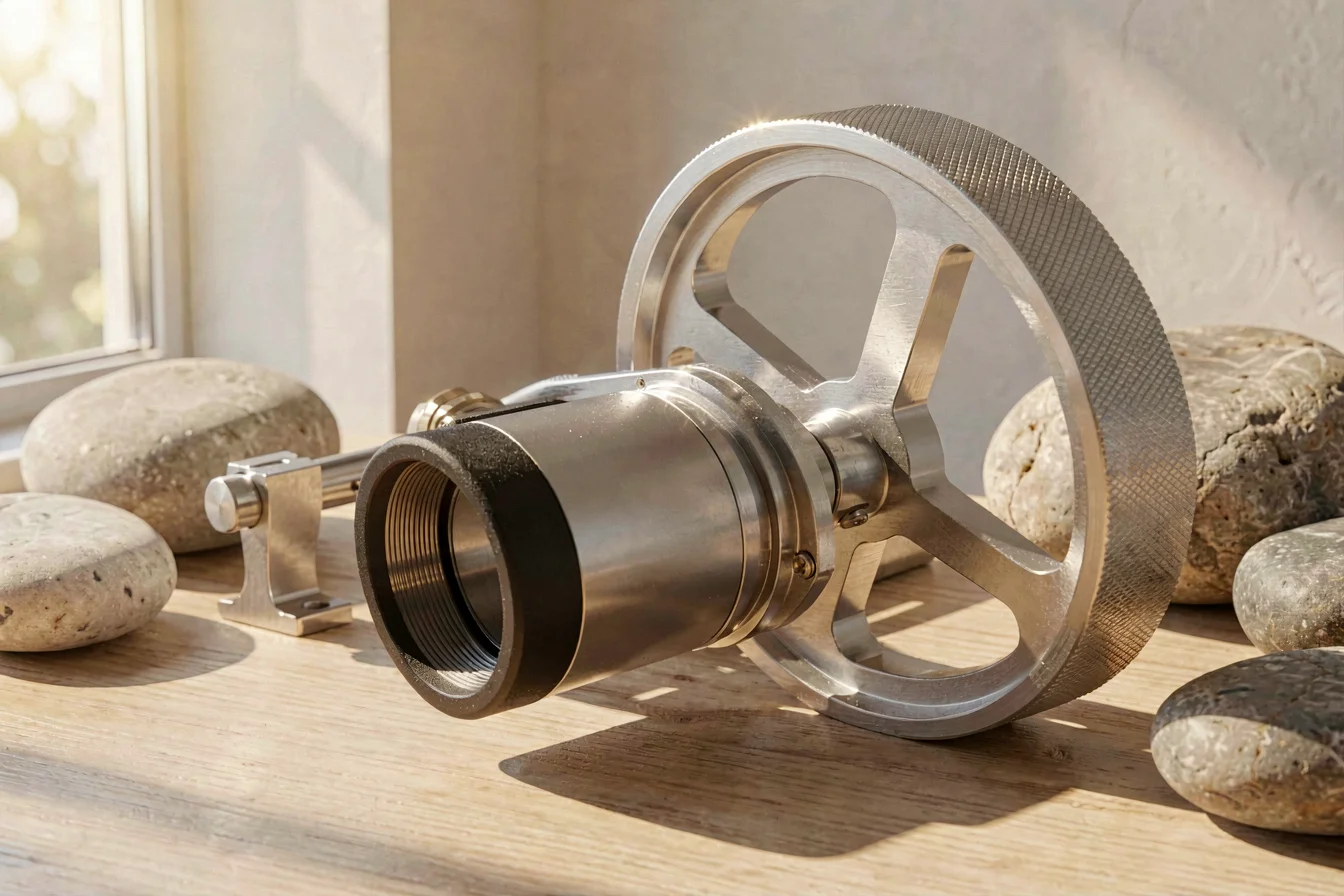
The core value of optical rotary encoder wheel and magnetic rotary encoder wheel lies in their ability to accurately measure shaft rotation, speed, and position for industrial automation, robotics, and consumer electronics. Optical encoders are favored for their unmatched resolution (up to 10,000 pulses per revolution, or PPR), making them ideal for precision applications such as medical devices, semiconductor manufacturing, and high-end robotics. Magnetic encoders, however, are rapidly emerging as a cost-effective alternative, especially for environments where dust, vibration, and shock are common, such as factory automation and mobile robotics[2][3][4].
Optical encoders use a light source and photodetector to read alternating transparent and opaque lines on a code wheel, offering high accuracy but requiring regular cleaning and maintenance to prevent contamination. Magnetic encoders use Hall-effect sensors to detect changes in a magnetized code wheel, providing robustness against environmental contaminants and mechanical wear but at the expense of slightly lower resolution. Traditional challenges for optical encoders include susceptibility to dust and higher replacement costs, while magnetic encoders may suffer from reduced accuracy in high-resolution applications and require careful calibration.
Technological innovations include dust-proofing and sealed housings for optical encoders, and advanced magnetic materials and sensor designs for magnetic encoders, improving both durability and reliability. The following table summarizes the key differences:
| Feature | Optical Rotary Encoder Wheel | Magnetic Rotary Encoder Wheel |
|---|---|---|
| Resolution (PPR) | 1,000–10,000 | 500–5,000 |
| Accuracy | ±0.01°–±0.1° | ±0.5°–±2° |
| Durability | 10–20 years (clean environments) | 5–10 years (industrial settings) |
| Maintenance | Regular cleaning required | Low maintenance |
| Cost | $30–$200/unit | $10–$50/unit |
| Environmental Resistance | Sensitive to dust and moisture | Dust, vibration, shock resistant |
Optical encoders deliver unmatched precision, but magnetic encoders offer superior durability and cost efficiency in rugged environments, making each technology optimal for distinct procurement scenarios.
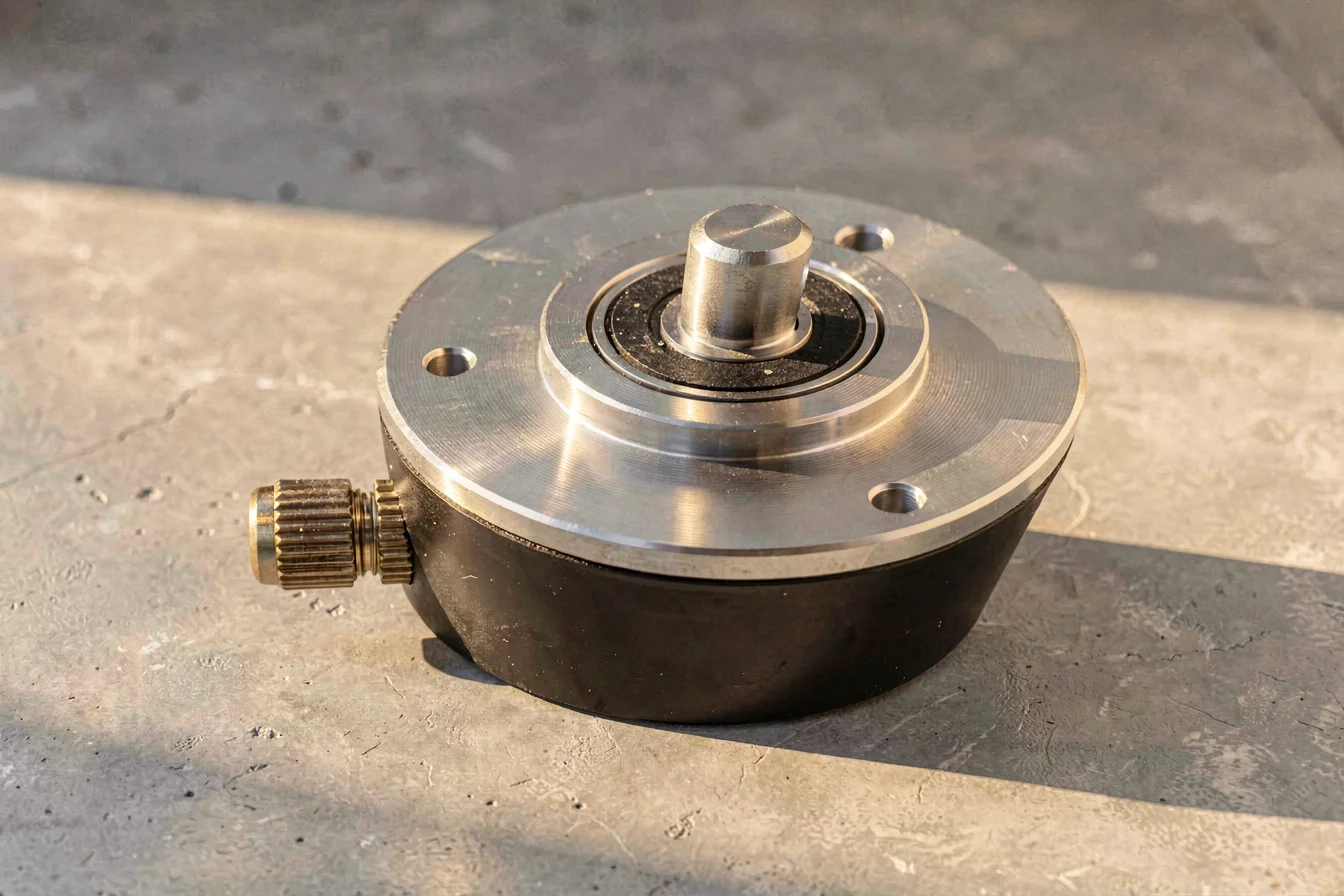
Durability is a decisive factor for buyers considering optical rotary encoder wheel versus magnetic rotary encoder wheel . Optical encoders typically last 10–20 years in clean, controlled environments, but require frequent cleaning and maintenance to prevent dust and contamination from degrading performance. Magnetic encoders, by contrast, are built for harsh industrial settings—resisting dust, moisture, vibration, and shock with a lifespan of 5–10 years, and often easier to replace or maintain[2][3][4].
Application scenarios further define the optimal choice: optical encoders excel in medical devices, semiconductor manufacturing, and precision robotics where contamination and accuracy are paramount. Magnetic encoders are preferred for factory automation, mobile robotics, and outdoor equipment where cost and resilience matter more than ultra-high precision. Real-world feedback from Reddit and TikTok shows magnetic encoders are favored for their smooth operation and longevity, while optical encoders are prized for their tactile feel and reliability in gaming mice and high-end consumer electronics[5][9][10][11].
Long-term cost outlook is shaped by initial purchase price, maintenance, replacement frequency, and hidden costs. Optical encoders have higher upfront costs and require regular cleaning, but deliver exceptional performance and longevity in clean environments. Magnetic encoders are cheaper, easier to maintain, and more robust, but may require more frequent replacement in high-resolution applications. No precise 5-year cost outlook is available; qualitative trends suggest magnetic encoders are more cost-effective in rugged, high-volume environments, while optical encoders justify their cost in precision-critical applications.
| Cost Factor | Optical Rotary Encoder Wheel | Magnetic Rotary Encoder Wheel |
|---|---|---|
| Initial Purchase Price | $30–$200/unit | $10–$50/unit |
| Maintenance | Frequent cleaning, occasional replacement | Minimal maintenance, easy replacement |
| Replacement Frequency | Low in clean environments | Higher in rugged environments |
| Hidden Costs | Contamination, downtime | Lower, easier to source |
Magnetic encoders offer lower long-term costs and easier maintenance in rugged environments, while optical encoders justify their price in precision-critical, clean applications.
The core value of optical rotary encoder wheel and magnetic rotary encoder wheel is their ability to deliver reliable, accurate position feedback for industrial automation, robotics, and consumer electronics. The urgency in today’s competitive market is driven by rapid technological advances, rising demand for precision and durability, and the need for cost-effective, scalable solutions.
Market trend data shows urbanization, multi-generational living, and e-commerce driving demand for both encoder types in industrial and consumer segments[1]. Google Trends indicates rising interest in magnetic encoders, especially in 2026, reflecting their growing adoption in cost-sensitive, rugged applications[1].
Google Trends data from March 2025 to February 2026 shows magnetic encoders overtaking optical encoders in search interest in several periods, suggesting rising demand for magnetic technology in rugged, high-volume applications[1].
Search Interest over Time
Magnetic encoders are gaining search momentum, indicating their rising adoption in rugged, high-volume industrial and consumer applications.
Case studies from Reddit and TikTok illustrate contrasting buyer personas and outcomes for optical rotary encoder wheel and magnetic rotary encoder wheel .
Case Study 1: Gaming Mouse Enthusiast (Optical Encoder)
A Reddit user replaced their mechanical encoder with a TTC optical encoder after years of failure, citing reliability and tactile feel as primary motivators. “In 9mm height, nothing beats the Alps. One of the few heights they make Alps in.” Another user praised the Alps and TTC optical encoders for their longevity and reliability, noting: “If you could let me know that’d be great :P”[9][11].
Case Study 2: Factory Automation Engineer (Magnetic Encoder)
An engineer repairing a CNC machine opted for a magnetic encoder after the optical one failed due to contamination. “Heidenhain is (usually) capable of repairing their systems for a fair price, much less than a new unit will cost you. We regularly have glass scales repaired by them, always without any issues.” The community recommended magnetic encoders for rugged, high-volume environments, noting: “You also might want to reach out to FANUC since their name is on there.”[14].
“Optical is absolutely the way, especially the raesha optical switches, since they're hotswappable. Unfortunately there are no hotswp sockets for encoders.” — Reddit, r/MouseReview [10]
“Nothing with the Name Heidenhain on it can be had for a bargain price. Maybe they can still repair it, at that age you might still get lucky.” — Reddit, r/CNC [14]
| Dimension | Optical Rotary Encoder Wheel | Magnetic Rotary Encoder Wheel |
|---|---|---|
| Overall Satisfaction | High in clean, precision environments | High in rugged, cost-sensitive environments |
| Most Praised Feature | Tactile feel, longevity | Durability, smooth operation |
| Most Common Complaint | Susceptibility to contamination | Lower resolution, calibration needed |
| Community Recommendation Rate | High in gaming mice, medical devices | High in factory automation, robotics |
Viral content themes include debates about tactile feel, reliability, and replacement ease, with recurring debate points about optical encoders for gaming mice and magnetic encoders for factory automation. Cultural reception shows optical encoders are valued for “crunchy” tactile feel and longevity, while magnetic encoders are favored for smooth operation and resilience[9][10][11][14].
Community sentiment confirms optical encoders are preferred for precision and tactile feel, while magnetic encoders are praised for durability and cost efficiency in rugged environments.
Buyers should begin by clarifying their core needs:
Tiered recommendations:
| Tier | Recommended Product | Key Reason |
|---|---|---|
| Budget-Friendly | Magnetic Rotary Encoder Wheel | Low cost, easy maintenance |
| Mid-Range | Magnetic Rotary Encoder Wheel | Durability, resilience in rugged environments |
| Premium | Optical Rotary Encoder Wheel | Ultra-high precision, contamination resistance |
Optimization tips:
Buyers should match encoder choice to application, budget, and environment—opting for optical in precision-critical settings and magnetic in rugged, cost-sensitive applications.
Key insights from all modules indicate that optical rotary encoder wheel remains the gold standard for ultra-high precision and contamination resistance, while magnetic rotary encoder wheel is rapidly gaining ground in rugged, cost-sensitive, and high-volume industrial applications[1][2][3][4]. Google Trends confirms rising interest in magnetic encoders, especially in 2026, reflecting their growing adoption in factory automation, robotics, and consumer electronics[1].
Forward-looking recommendations: buyers should monitor emerging innovations in magnetic encoder materials and sensor designs, anticipate further cost reductions, and expect continued improvements in durability and calibration. Precision-critical buyers should invest in optical encoders for medical devices, robotics, and gaming mice, while industrial buyers should prioritize magnetic encoders for factory automation and outdoor equipment.
Confident buyers should share their experiences with encoder technologies, and commercial buyers should leverage Alibaba.com for wholesale sourcing, comparing performance, certifications, and supplier reliability for optimal procurement outcomes.