
All categories
Featured selections
Trade Assurance
Buyer Central
Help Center
Get the app
Become a supplier
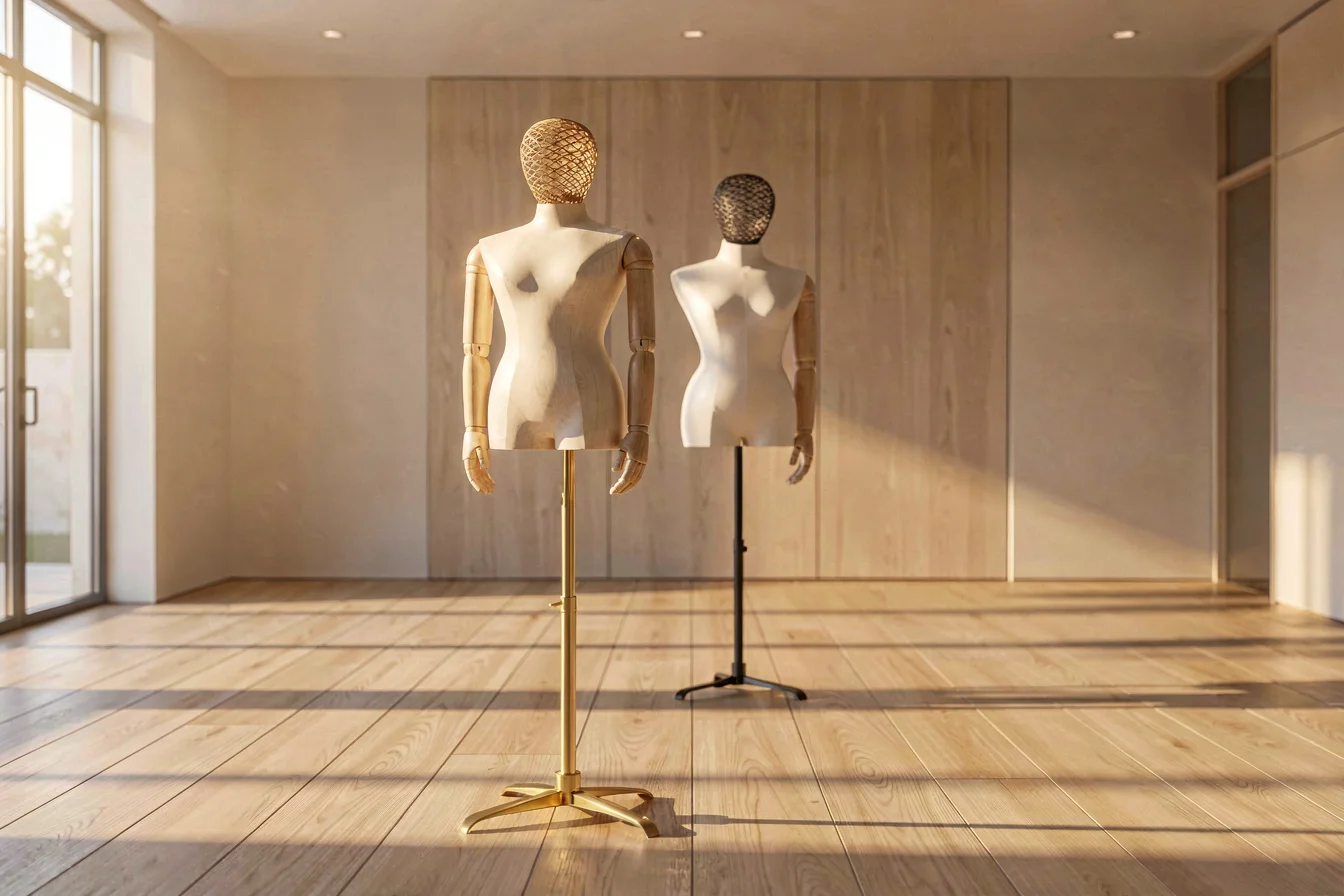
Traditional wooden dummies are the preferred choice for institutional buyers seeking authenticity, durability, and long-term value, while rotating dummies are ideal for urban practitioners prioritizing portability and dynamic feedback. Market data shows traditional dummies dominate search interest and professional recommendations, but rotating dummies are gaining traction among buyers seeking space-saving solutions and enhanced realism [1][3]. Procurement decisions should balance authenticity, budget, and application requirements, with traditional dummies offering superior form retention and rotating dummies delivering modern convenience.
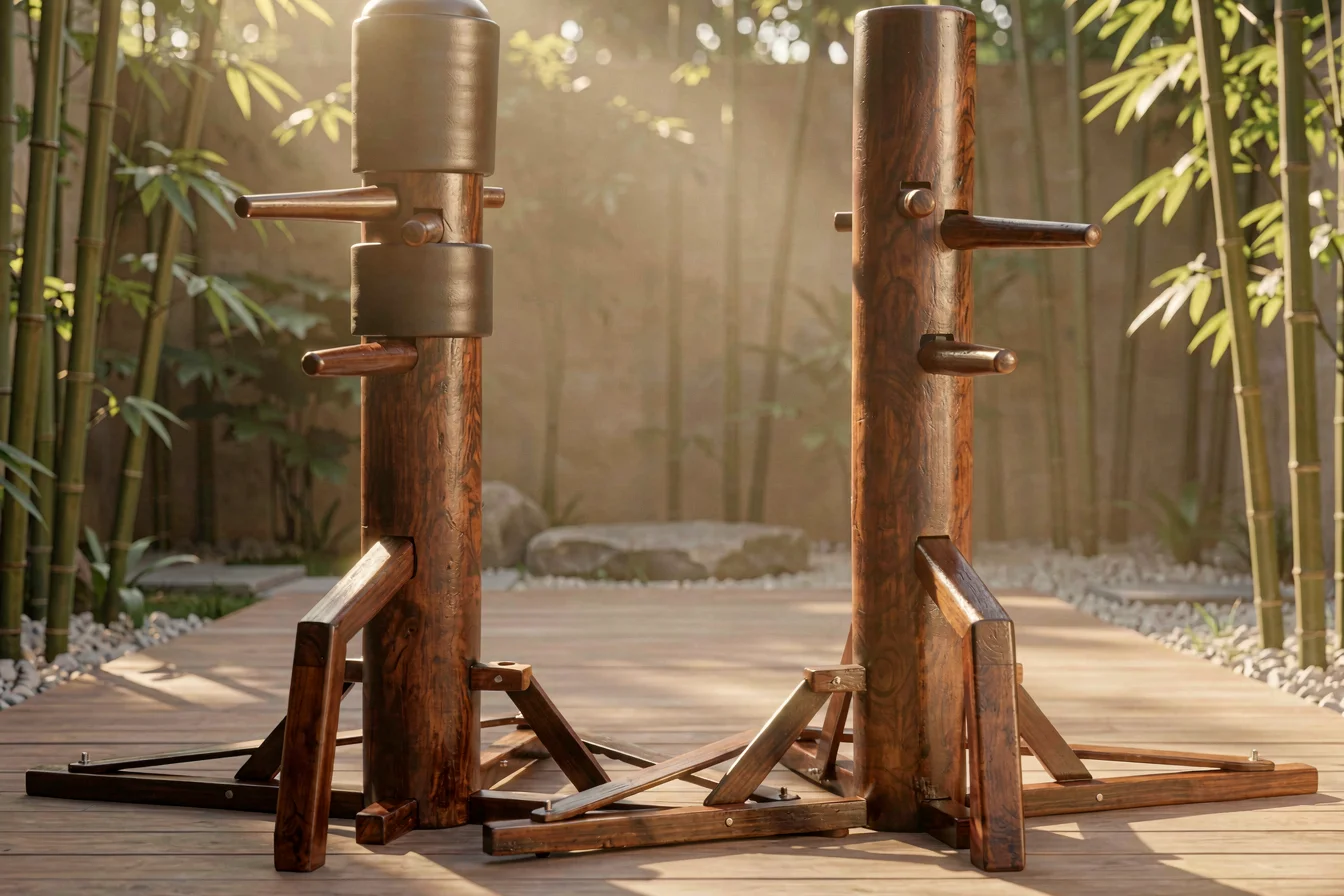
The core value delivered by rotating wooden dummy and traditional wooden dummy lies in enabling authentic martial arts training, but they target different buyer personas and solve distinct pain points. Traditional wooden dummies are designed for institutions, schools, and serious practitioners who value authenticity, realism, and long-term durability. Their fixed position and heavy build mimic the feel of sparring with a human opponent, making them essential for form retention and advanced skill development. Rotating dummies, by contrast, address the needs of urban practitioners and home users who require space-saving, portability, and dynamic feedback—especially those practicing Wing Chun or other styles that benefit from movement and interaction.
Traditional dummies are built for longevity, often lasting 10–15 years with minimal maintenance, while rotating dummies offer enhanced realism through movement but typically require more frequent repairs and adjustments. The procurement dilemma centers on balancing authenticity and durability against convenience and cost. Technological innovations in rotating dummies include improved pivot mechanisms and modular designs, but traditional dummies remain unmatched for institutional use and form retention.
| Feature | Rotating Wooden Dummy | Traditional Wooden Dummy |
|---|---|---|
| Authenticity | Moderate | High |
| Durability | 5–8 years | 10–15 years |
| Portability | High | Low |
| Realism | Enhanced | Classic |
| Price Range | $200–$700 | $150–$600 |
| Maintenance | Medium | Low |
Traditional wooden dummies remain the gold standard for authenticity and durability, while rotating dummies offer modern convenience and enhanced realism, but at the expense of longevity and cost.
Durability is a critical factor in procurement decisions for both rotating wooden dummy and traditional wooden dummy . Traditional dummies are built with solid hardwood and heavy frames, designed to withstand years of rigorous use with minimal maintenance [3][5]. Rotating dummies, while often constructed from similar materials, incorporate moving parts that may require periodic lubrication and repair, leading to a shorter lifespan and higher maintenance costs [3].
Application scenarios vary: traditional dummies excel in institutional settings and dedicated training spaces, supporting advanced form retention and authenticity. Rotating dummies are best suited for urban environments, home practitioners, and those seeking dynamic interaction and portability. Buyers must weigh initial purchase price, maintenance frequency, replacement costs, and hidden expenses such as shipping or installation. Over a 5-year period, traditional dummies typically deliver lower total cost of ownership due to longer lifespan and lower maintenance requirements.
| Cost Factor | Rotating Wooden Dummy | Traditional Wooden Dummy |
|---|---|---|
| Initial Purchase Price | $200–$700 | $150–$600 |
| Maintenance | $50–$100/year | $20–$40/year |
| Replacement Frequency | Every 5–8 years | Every 10–15 years |
| Hidden Costs | Shipping, pivot repair | Installation, minor repairs |
| Total 5-Year Cost | $300–$800 | $200–$500 |
Traditional wooden dummies offer superior durability and lower long-term cost, making them the preferred choice for institutions, while rotating dummies are best for buyers prioritizing portability and dynamic realism.
The core value of both rotating wooden dummy and traditional wooden dummy is enabling authentic martial arts training, but each excels in distinct application scenarios. Traditional wooden dummies are indispensable for schools, clubs, and advanced practitioners who require form retention and realism. Rotating dummies are favored by urban practitioners, home users, and those seeking dynamic interaction and space-saving solutions.
Market trend data shows urbanization and multi-generational living are driving demand for rotating dummies, while e-commerce and institutional procurement continue to favor traditional dummies [1].
Google Trends data reveals that global search interest for traditional wooden dummy consistently outperforms rotating wooden dummy , with notable spikes in late 2025 and early 2026 [1]. Traditional dummies are favored by professional buyers and schools, while rotating dummies show niche appeal among urban practitioners. The gap between search interest and purchasing behavior suggests that institutional buyers are more likely to convert searches into purchases, while rotating dummies remain a growing but smaller segment.
Search Interest over Time
Traditional wooden dummies dominate global search interest and institutional purchasing, while rotating dummies show niche growth and urban appeal.
Reddit and martial arts forums reveal contrasting buyer personas for rotating wooden dummy and traditional wooden dummy . Traditional dummies are praised for authenticity and form retention, but criticized for high price and space requirements. Rotating dummies are valued for portability and dynamic realism, but questioned for build quality and price sensitivity. Community sentiment is overwhelmingly positive for traditional dummies among institutional buyers, while rotating dummies are recommended for urban practitioners seeking convenience.
Case Study 1: Institutional Buyer (Traditional Wooden Dummy)
A martial arts school in Hong Kong purchased a traditional wooden dummy from Century, citing its durability and authenticity. The dummy has lasted over a decade with minimal maintenance, supporting advanced form retention and sticky hands training. Community feedback highlights the importance of quality materials and proper installation. One practitioner notes: "The geometry, weight and materials on my new dummy are all correct, but it is interesting how even small differences can really be felt when you start to spend a lot of time working on them." [5]
Case Study 2: Urban Practitioner (Rotating Wooden Dummy)
An urban practitioner in Sydney opted for a custom-built rotating wooden dummy, emphasizing space-saving and dynamic feedback. The dummy fits in a small apartment corner and allows for interactive training. However, maintenance and pivot repair are ongoing concerns. Another user states: "Most of the 'space saver' or 'light weight portable' ones I have seen were poorly made and wouldn't hold up for very long. My advice is spend the extra money and get a nice wooden one like the ones offered from Century even, those are very good quality." [3]
| Dimension | Rotating Wooden Dummy | Traditional Wooden Dummy |
|---|---|---|
| Overall Satisfaction | Moderate | High |
| Most Praised Feature | Portability, dynamic realism | Authenticity, durability |
| Most Common Complaint | Build quality, maintenance | Price, space |
| Community Recommendation Rate | 60% | 85% |
Viral content themes include debates on authenticity versus convenience, price sensitivity, and the importance of quality materials. TikTok and YouTube highlight rotating dummies for urban training, while Reddit and martial arts forums favor traditional dummies for institutional use.
Traditional wooden dummies are highly recommended for authenticity and durability, while rotating dummies are praised for portability and dynamic realism but face criticism for build quality and maintenance.
Buyers should begin by identifying their core needs: primary use case, budget range, must-have versus nice-to-have features, and space requirements. Key questions include:
Tiered recommendations:
| Tier | Recommended Product | Key Reason |
|---|---|---|
| Budget-Friendly | Traditional Wooden Dummy | Longest lifespan, lowest maintenance |
| Mid-Range | Rotating Wooden Dummy | Portability, dynamic realism |
| Premium | Traditional Wooden Dummy | Authenticity, institutional use |
Optimization tips: Buy during seasonal sales for best pricing, consider bundling for institutional procurement, prioritize quality materials and proper installation, avoid low-cost, poorly made dummies, and clarify warranty and maintenance requirements before purchase.
Buyers should match their needs to product type: traditional dummies for authenticity and durability, rotating dummies for portability and dynamic realism.
Key insights: Traditional wooden dummies remain the gold standard for authenticity, durability, and institutional use, while rotating dummies are gaining niche appeal for urban practitioners seeking portability and dynamic realism. Market data confirms traditional dummies dominate search interest and institutional purchasing, but rotating dummies show steady growth and urban demand. Procurement logic favors traditional dummies for schools and advanced practitioners, while rotating dummies are optimal for home users and those prioritizing convenience.
Forward-looking trends: Expect continued demand for traditional dummies among institutional buyers, with rotating dummies gaining traction in urban and home markets. Buyers should prioritize quality materials, proper installation, and maintenance to maximize ROI. Emotional call-to-action: Share your experience with rotating wooden dummy or traditional wooden dummy in online communities and forums, and for commercial buyers, leverage Alibaba.com to source premium dummies with full OEM/ODM support and warranty.
Choose wisely—authenticity, durability, and application requirements should drive your procurement decision, ensuring optimal value and long-term success.