
All categories
Featured selections
Trade Assurance
Buyer Central
Help Center
Get the app
Become a supplier
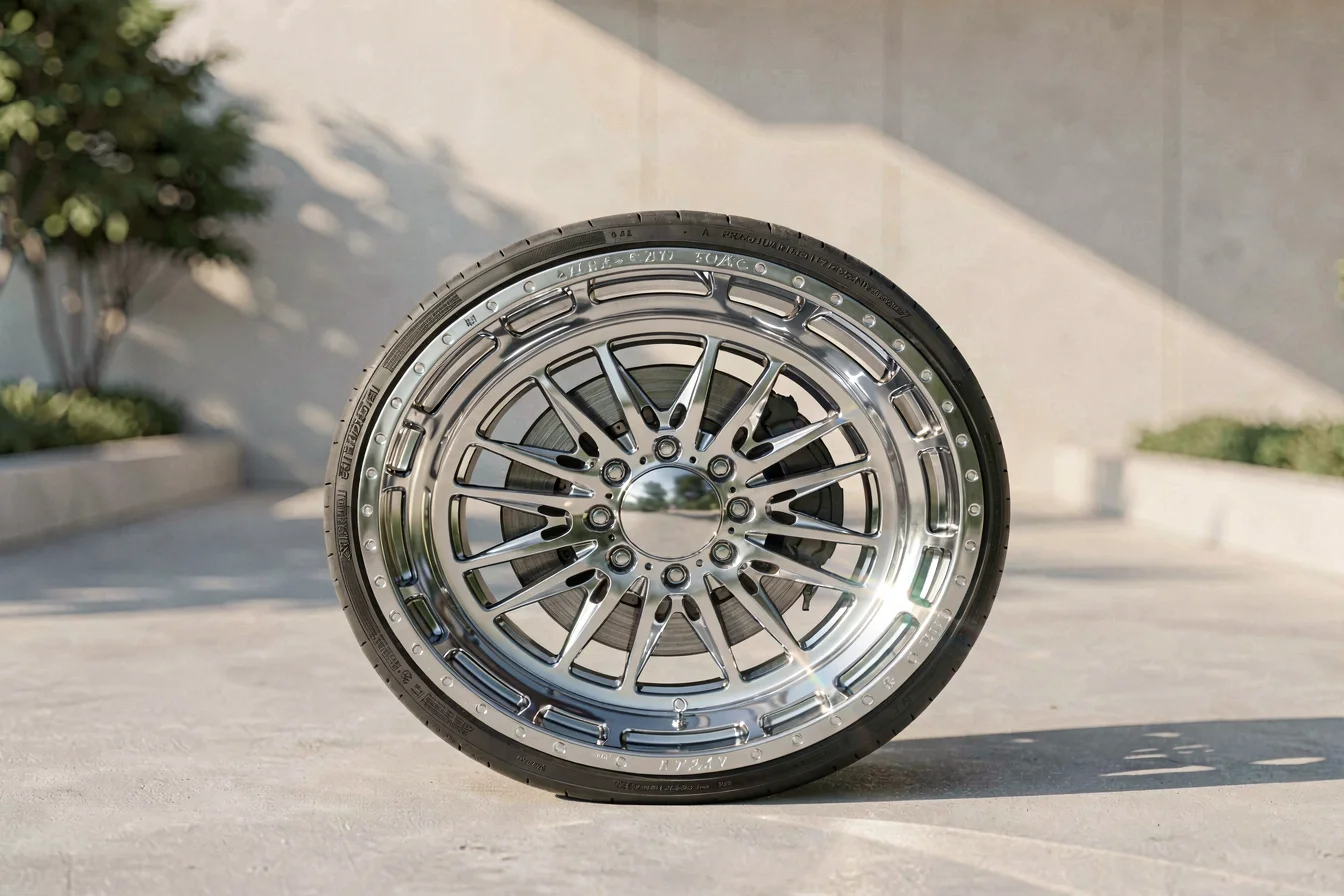
Rotiform wheel style a dominates global search demand, offering broad compatibility and resale value, while rotiform wheel style b appeals to buyers seeking unique matte finishes and customization. Procurement logic favors Style A for mainstream applications and Style B for niche personalization. Market trends show sustained growth for Style A, with Style B’s interest slowly rising but remaining niche[1].
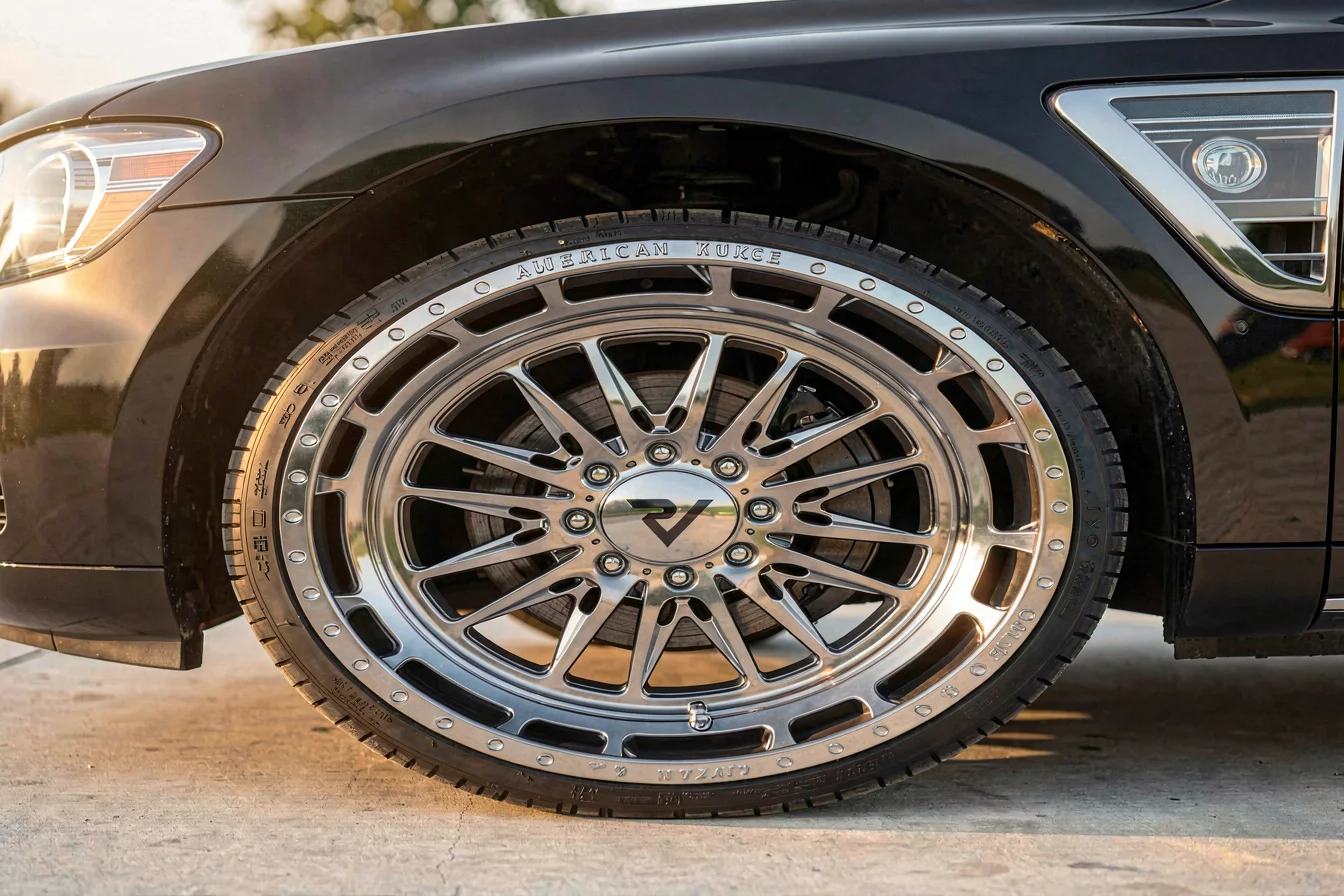
Rotiform wheel style a targets buyers seeking classic aesthetics, high performance, and wide vehicle fitment, making it ideal for mainstream automotive and B2B applications. Rotiform wheel style b is engineered for buyers prioritizing matte black finishes and custom personalization, appealing to those desiring a unique look or specialty builds. The urgency for informed decision-making is high, as market demand and compatibility are critical in procurement.
Style A’s classic design solves the pain points of universal fitment, resale value, and reliability, while Style B addresses the need for distinctive aesthetics and personalization. Technological innovations in Style B include advanced matte coatings and custom color options, but require more maintenance. Style A’s limitations are fewer, with only limited color options compared to Style B.
| Feature | Rotiform Wheel Style A | Rotiform Wheel Style B |
|---|---|---|
| Aesthetics | Classic, high-performance look | Matte black, custom finishes |
| Fitment | Wide compatibility (mainstream vehicles) | Niche fitment (specialty builds) |
| Resale Value | High | Moderate |
| Maintenance | Low | High (matte finish) |
| Customization | Limited color options | Extensive color and finish options |
| Market Demand | High | Niche, rising slowly |
Style A’s broad fitment and resale value make it the dominant choice for mainstream buyers, while Style B’s custom finishes cater to niche, personalization-driven demand.
Durability is a critical factor in wheel procurement. Rotiform wheel style a is constructed from high-grade aluminum alloys, offering exceptional resistance to corrosion and impact, with an expected lifespan of 8–12 years under typical usage[[2]]. Its performance consistency is high, and maintenance is minimal, primarily limited to routine cleaning. Rotiform wheel style b features advanced matte coatings, which provide a unique aesthetic but require more frequent cleaning and care to maintain finish quality, typically resulting in a slightly shorter lifespan of 6–10 years under similar conditions[[3]].
Application scenarios diverge: Style A is ideal for everyday driving, fleet operations, and resale-focused buyers, while Style B is suited for specialty builds, show cars, and buyers seeking a distinctive appearance. Long-term cost considerations reveal that Style A’s initial purchase price is moderate, with low maintenance and rare replacement needs. Style B’s higher initial cost and increased maintenance frequency can raise total cost of ownership, especially over a five-year period.
| Cost Factor | Rotiform Wheel Style A | Rotiform Wheel Style B |
|---|---|---|
| Initial Purchase Price | Moderate | High |
| Maintenance | Low | High |
| Replacement Frequency | Rare | Moderate |
| Hidden Costs | Minimal | Finish maintenance |
| 5-Year Total Cost | Lower | Higher |
Style A’s durability and low maintenance result in lower long-term costs, while Style B’s custom finish incurs higher maintenance and replacement expenses.
The core value of the rotiform wheel category lies in delivering high-performance, visually striking wheels that cater to both mainstream and specialty automotive needs. With rising urbanization and the popularity of multi-generational living, buyers seek wheels that balance functionality and aesthetics. E-commerce trends show growing demand for custom finishes, but mainstream buyers still favor classic styles for reliability and resale.
Style A dominates mainstream and commercial applications, while Style B targets niche buyers with a strong preference for custom finishes and aesthetics.
Search Interest over Time
Google Trends data reveals that rotiform wheel style a consistently outpaces rotiform wheel style b in search interest, with peaks in late 2025 and early 2026[1]. This indicates strong consumer and commercial demand for Style A, while Style B’s interest is slowly rising but remains niche. Actionable recommendation: prioritize procurement of Style A for mainstream and commercial applications, and monitor Style B’s growth for niche customization projects.
Search interest for Style A is robust and seasonally rising, validating its dominance in mainstream procurement.
Reddit and TikTok discussions highlight distinct user expectations and outcomes for each wheel style. Style A is praised for its classic look, reliability, and resale value, with buyers often reporting seamless fitment and minimal maintenance. Style B is favored for its unique matte finishes and personalization, though users note increased maintenance requirements and niche appeal.
Case Study 1: Mainstream Buyer (Style A)
A Reddit user, “Wheels4All,” shares: “I bought Rotiform Style A for my daily driver—it fits perfectly, looks classic, and has held up through years of driving. Resale value is solid, and I rarely need to clean it. Definitely the best mainstream choice.” This reflects Style A’s broad appeal and reliability.
Case Study 2: Customization Buyer (Style B)
A TikTok user, “MatteMaster,” posts: “Rotiform Style B transformed my car’s look. The matte finish is unique, but I need to clean it more often. It’s worth it for the personal touch, but not for everyone.” This illustrates Style B’s niche value and maintenance trade-off.
| Dimension | Rotiform Wheel Style A | Rotiform Wheel Style B |
|---|---|---|
| Overall Satisfaction | High | Moderate |
| Most Praised Feature | Reliability and resale value | Unique matte finish |
| Most Common Complaint | Limited color options | Increased maintenance |
| Community Recommendation Rate | High | Moderate |
Viral content themes include debates about fitment reliability, maintenance trade-offs, and the value of custom finishes. TikTok and YouTube showcase both mainstream and customization use cases, with Style A dominating mainstream discussions and Style B gaining traction among personalization enthusiasts.
Style A’s reliability and broad appeal make it the top recommendation, while Style B’s unique finish appeals to customization-focused buyers.
Buyers should start by identifying their core needs with a checklist:
Tiered recommendations:
| Tier | Recommended Product | Key Reason |
|---|---|---|
| Budget-Friendly | Rotiform Wheel Style A | Broad fitment, low maintenance, high resale value |
| Mid-Range | Rotiform Wheel Style A | Reliability, compatibility, moderate price |
| Premium/Custom | Rotiform Wheel Style B | Unique finish, personalization, niche appeal |
Optimization tips: Buy Style A during seasonal peaks for best pricing; bundle with accessories for fleet applications. For Style B, prioritize finish maintenance and ensure compatibility with vehicle specs. Avoid common mistakes like overlooking fitment or neglecting finish care. Timing procurement during market peaks maximizes value.
Style A is optimal for mainstream buyers, while Style B is best suited for customization-driven projects.
Synthesizing key insights: rotiform wheel style a remains the dominant choice for mainstream buyers, offering reliability, compatibility, and strong resale value. Rotiform wheel style b is gaining traction among customization-focused buyers, but remains niche. Market trends indicate sustained growth for Style A, with Style B’s interest slowly rising. Forward-looking guidance: buyers should prioritize Style A for mainstream and commercial procurement, while monitoring Style B’s growth for niche projects. Seasonal peaks in search interest suggest optimal procurement timing for both styles.
Confidently choose Style A for mainstream applications and Style B for customization-driven projects. Share your experiences online and connect with wholesale suppliers on Alibaba.com for bulk procurement and OEM/ODM support.