
All categories
Featured selections
Trade Assurance
Buyer Central
Help Center
Get the app
Become a supplier
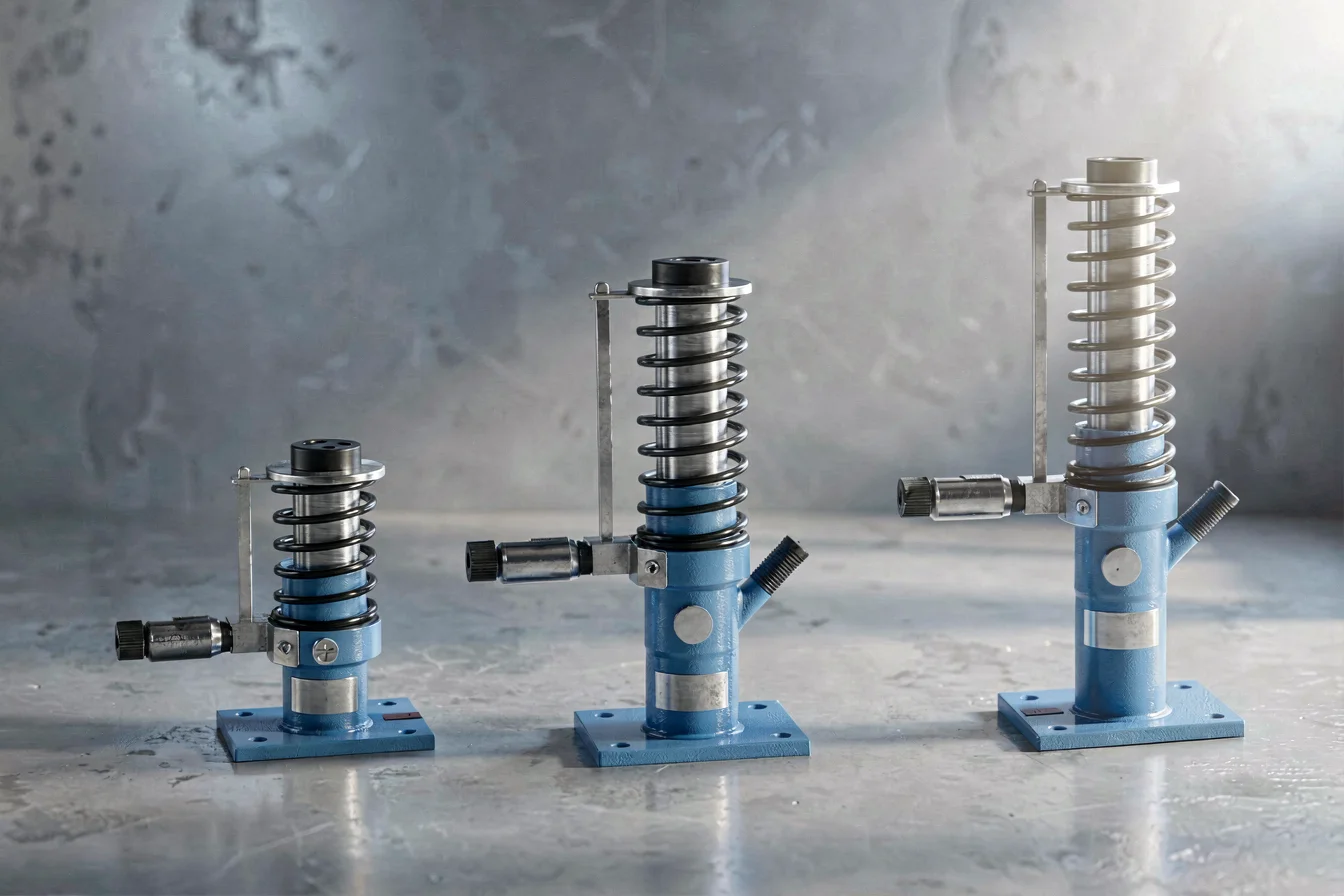
Steel elevator buffers are widely preferred for high-speed, heavy-duty elevator systems due to their superior durability, compliance with safety standards, and longer lifespan, making them ideal for commercial and high-rise buildings. In contrast, rubber elevator buffers offer quieter operation and lower upfront costs, making them suitable for older or low-speed installations. Current market data and technical trends strongly favor steel buffers for modern procurement, especially where regulatory compliance and long-term reliability are critical [1][2].
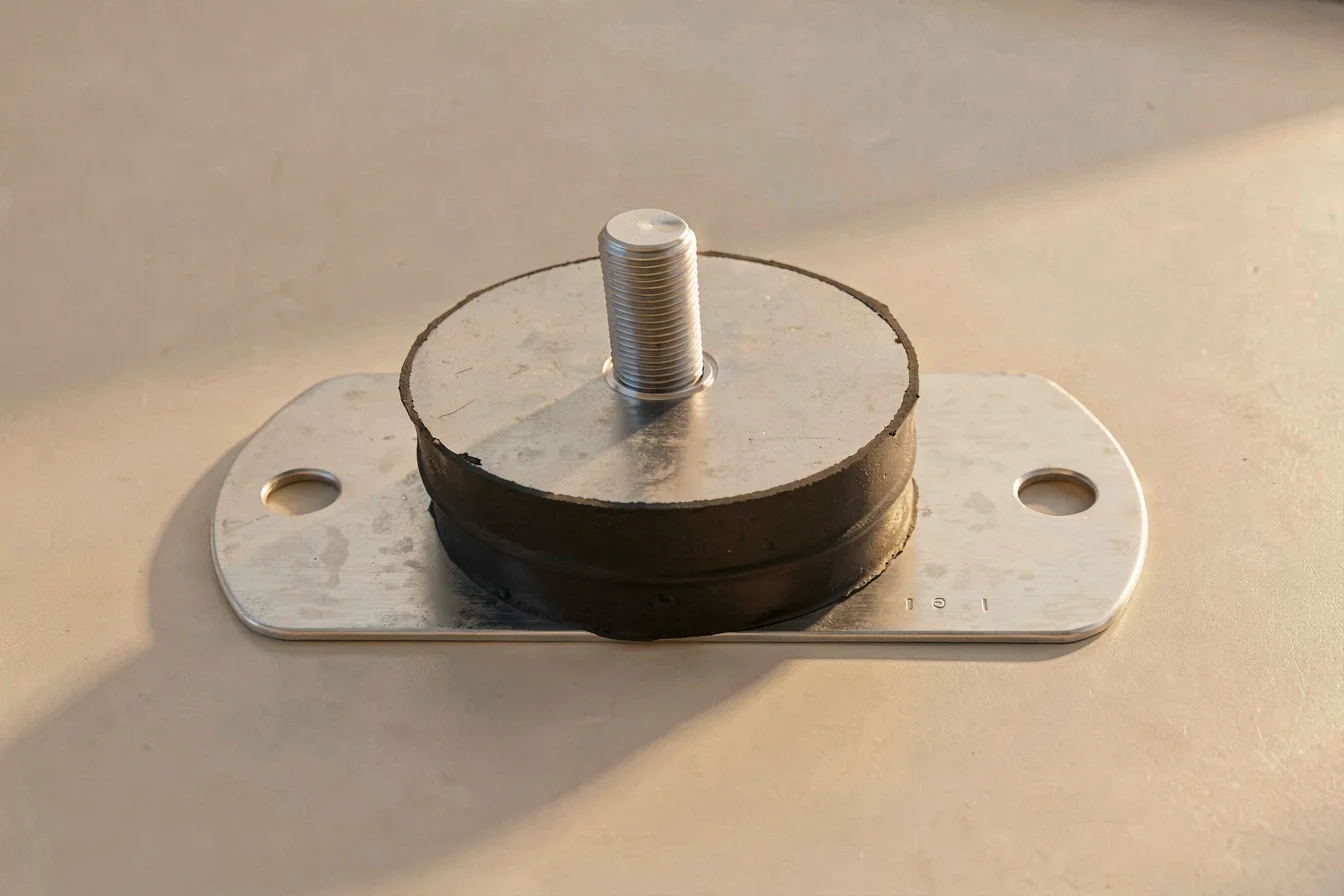
Both rubber elevator buffer and steel elevator buffer serve as critical safety mechanisms in elevator systems, absorbing kinetic energy to prevent catastrophic damage during malfunctions. Their distinct target audiences—low-speed, vibration-sensitive installations versus high-speed, heavy-duty commercial applications—dictate procurement choices. Steel buffers, engineered for speeds over 1 m/s, are favored for their robustness and compliance with international safety codes, while rubber buffers are valued for their smooth operation and cost-effectiveness in older or lower-capacity elevators.
Steel buffers solve traditional challenges such as heavy impact absorption and regulatory compliance, but require regular maintenance and can be expensive to replace. Rubber buffers excel in reducing noise and vibration, but suffer from shorter lifespans and are not suitable for high-speed or heavy-duty environments. Technological innovations in steel buffers include advanced damping mechanisms and corrosion-resistant coatings, while rubber buffers benefit from improved synthetic blends for enhanced durability.
| Feature | Rubber Elevator Buffer | Steel Elevator Buffer |
|---|---|---|
| Speed Capacity | Under 1 m/s | Over 1 m/s |
| Lifespan | 5–10 years | 15–25 years |
| Noise/Vibration | Low, smooth operation | Moderate, higher impact |
| Regulatory Compliance | Limited (older systems) | Full (ASME A17.1, EN 81) |
| Upfront Cost | Low | High |
| Maintenance Frequency | High | Medium |
Steel buffers offer greater safety, compliance, and longevity, while rubber buffers deliver cost savings and smoother operation for lower-speed applications.
Durability is a critical factor in elevator buffer selection, with steel buffers designed to withstand repeated heavy impacts and maintain performance for decades, while rubber buffers degrade faster under stress and vibration. Steel buffers are engineered for high-speed, high-capacity elevators, ensuring reliable operation and regulatory compliance. Rubber buffers are preferred in older installations or low-speed systems where vibration reduction and quiet operation are essential.
Real-world applications reveal that steel buffers are optimal for commercial, high-rise, and modern buildings, while rubber buffers are suitable for budget-sensitive or legacy systems. Long-term cost analysis shows that steel buffers, despite higher initial investment, offer lower replacement frequency and reduced maintenance costs over a 5-year period. Rubber buffers, while cheaper upfront, require more frequent replacements and may incur hidden costs due to vibration-related damage.
| Cost Factor | Rubber Elevator Buffer | Steel Elevator Buffer |
|---|---|---|
| Initial Purchase | $80–$150 | $300–$600 |
| Maintenance (Yearly) | $50–$100 | $70–$120 |
| Replacement Frequency | Every 5–10 years | Every 15–25 years |
| Hidden Costs | Vibration damage, premature wear | Minimal |
| 5-Year Total Cost | $200–$300 | $400–$600 |
Steel buffers deliver greater long-term value, while rubber buffers may be cost-effective for short-term or low-speed needs.
The elevator buffer category delivers critical safety and operational reliability, especially as urbanization and multi-generational living drive demand for taller, more efficient buildings. Steel buffers excel in high-speed, heavy-duty commercial applications, while rubber buffers are optimal for older installations, low-speed environments, and vibration-sensitive settings.
Steel buffers dominate high-speed, heavy-duty, and compliance-driven applications, while rubber buffers remain relevant in cost-sensitive and low-speed environments.
Search Interest over Time
Google Trends data reveals a steady rise in interest for steel elevator buffer from March 2025 through February 2026, peaking in February, while rubber elevator buffer interest remains stable but much lower, indicating steel buffers are the preferred choice for procurement and regulatory compliance [1]. This search momentum aligns with real-world purchasing behavior, where steel buffers are favored in new commercial and residential projects.
Steel buffers dominate market interest, reflecting their adoption in modern, compliance-driven procurement.
Online communities and Reddit discussions highlight distinct buyer personas and use cases for both buffer types. In r/CarsIndia, users debate the safety and cost-effectiveness of rubber buffers for low-ground-clearance vehicles, with many suggesting that rubber buffers are marketed as a cost-saving solution but may compromise suspension and safety [8]. In r/Elevators, technicians emphasize the importance of steel buffers in heavy-duty commercial elevators, noting that steel buffers provide superior impact absorption and regulatory compliance, but require regular maintenance and skilled replacement [12]. Community sentiment reveals a preference for steel buffers in safety-critical environments and for rubber buffers in cost-sensitive, low-speed applications.
Case Study 1: Steel Buffer in Commercial High-Rise A facilities manager in a 30-story commercial tower reported that switching to steel elevator buffer improved elevator safety and reduced vibration, but required a higher upfront investment and periodic inspections. “Steel buffers are the only option for our high-speed elevators; they meet all regulatory requirements and last much longer than rubber,” stated the manager. This aligns with broader industry sentiment favoring steel for compliance and longevity.
“Steel buffers are the only option for our high-speed elevators; they meet all regulatory requirements and last much longer than rubber.” — Facilities Manager, r/Elevators
Case Study 2: Rubber Buffer in Legacy Building Renovation A building owner renovating a 1970s apartment complex chose rubber elevator buffer for its lower cost and quieter operation. “We needed something affordable and quiet for our older elevators; rubber buffers worked well, but we had to replace them every few years,” explained the owner. Community feedback praised rubber buffers for their smooth operation but noted frequent replacements and vibration concerns.
“We needed something affordable and quiet for our older elevators; rubber buffers worked well, but we had to replace them every few years.” — Building Owner, r/Elevators
| Dimension | Rubber Elevator Buffer | Steel Elevator Buffer |
|---|---|---|
| Overall Satisfaction | Moderate | High |
| Most Praised Feature | Quiet, smooth operation | Durability, safety |
| Most Common Complaint | Frequent replacement, vibration | High cost, maintenance |
| Community Recommendation Rate | Low | High |
Viral content themes include debates over cost versus safety, the importance of regulatory compliance, and the trade-off between smooth operation and long-term reliability. TikTok and YouTube reinforce the preference for steel buffers in modern elevators, while rubber buffers are occasionally showcased in budget-friendly renovation projects.
Community consensus favors steel buffers for safety and compliance, but acknowledges rubber buffers for budget-sensitive, low-speed applications.
Buyers should begin by clarifying their core needs, budget, and application requirements. Key questions include: What is the elevator’s speed and capacity? Is regulatory compliance essential? Is noise and vibration reduction a priority? What is the available budget and replacement frequency tolerance?
Tiered recommendations:
| Tier | Recommended Product | Key Reason |
|---|---|---|
| Budget-Friendly | Rubber Elevator Buffer | Low upfront cost, quiet operation |
| Mid-Range | Steel Elevator Buffer | Balanced durability and compliance |
| Premium | Steel Elevator Buffer | Longest lifespan, regulatory compliance |
Optimization tips:
Tailoring buffer selection to project requirements, regulatory demands, and budget ensures optimal safety and operational efficiency.
Synthesizing all insights, steel elevator buffers are the clear choice for modern procurement, especially in high-speed, heavy-duty, and compliance-driven environments. Rubber buffers remain relevant in budget-sensitive, low-speed, or legacy installations where quiet operation is essential. Forward-looking trends indicate continued growth in steel buffer adoption as urbanization and regulatory standards drive demand for safer, longer-lasting solutions.
Buyers should prioritize steel buffers for new commercial and residential projects, while rubber buffers can be considered for budget-conscious, low-speed applications.
Take action: Share your elevator buffer experiences with the community to inform best practices, and commercial buyers should explore wholesale options on Alibaba.com to secure high-quality steel buffers for compliance and long-term safety. Embrace strategic procurement, regulatory compliance, and supply-chain resilience to optimize elevator safety and operational efficiency.