
All categories
Featured selections
Trade Assurance
Buyer Central
Help Center
Get the app
Become a supplier
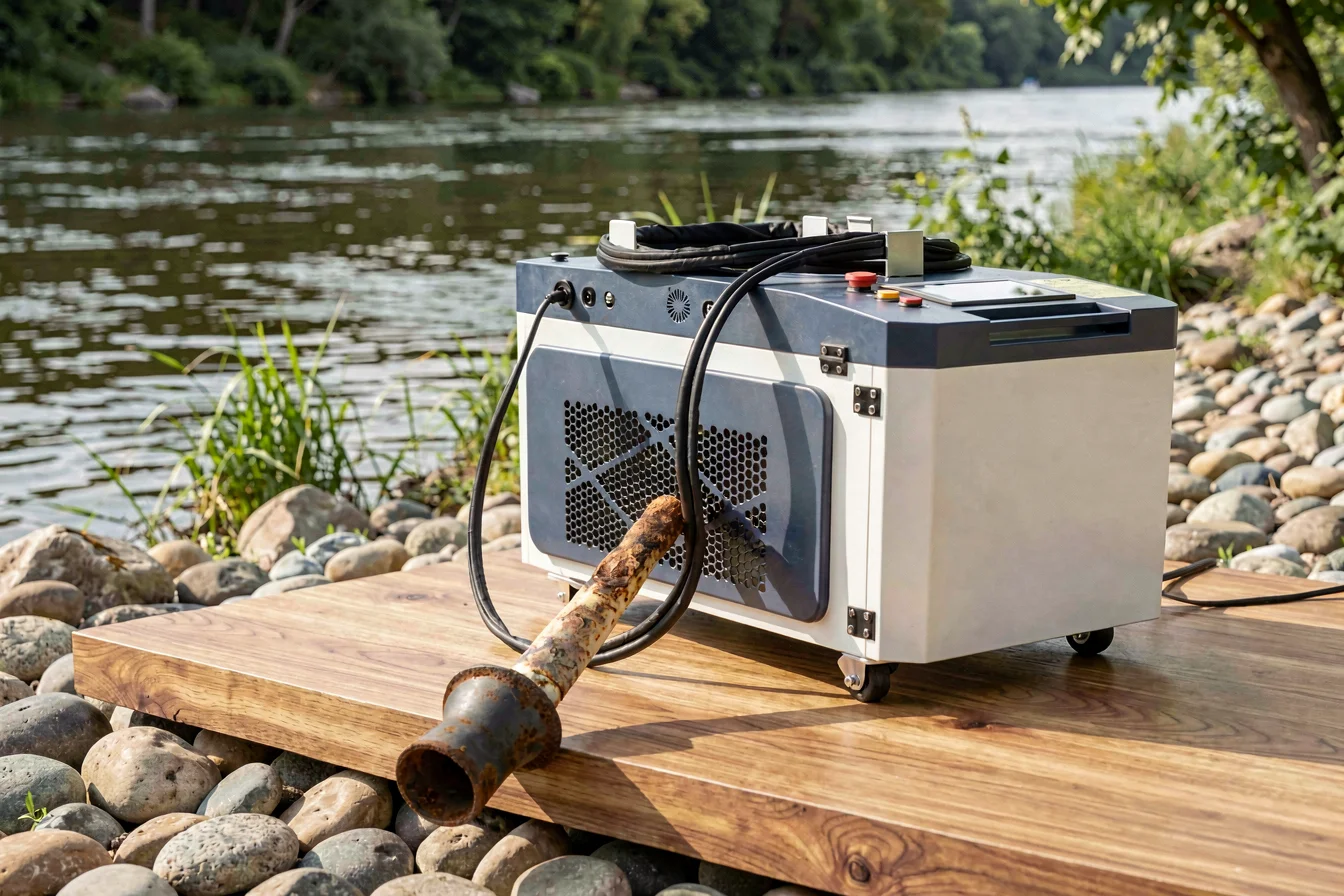
Chemical rust remover machines currently hold the lead in industrial markets due to their speed, cost-effectiveness, and ease of integration, but electrolytic rust remover machines are rapidly gaining traction for their eco-friendliness, precision, and deeper cleaning capability. Buyers must strategically select based on part sensitivity, environmental regulations, and volume requirements, as both technologies are trending upward in demand. Chemical removers remain the top choice for mainstream restoration, while electrolytic units excel in precision and regulatory environments[1][2][3].
Electrolytic rust remover machine and chemical rust remover machine serve the same fundamental need—efficient rust removal from metal surfaces—but deliver value through distinct mechanisms and buyer profiles. Chemical rust remover machines operate by immersing or spraying the metal in acidic or alkaline solutions that dissolve rust quickly, making them ideal for high-volume, fast-turn applications where speed and cost matter most. In contrast, electrolytic rust remover machines utilize an electric current and an electrolyte bath to convert rust into a non-adherent form, which is then easily scrubbed away. This method is gentler, minimizing metal loss and preserving delicate or antique surfaces, appealing to buyers in regulated or precision industries.
The core dilemma for procurement managers is balancing speed and cost against safety and part longevity. Chemical removers offer the lowest initial investment and fastest processing times, often under an hour per batch, but require careful handling and disposal due to environmental and health risks. Electrolytic machines, while generally more expensive and slower (typically 2–6 hours per batch), provide safer operation, minimal environmental impact, and superior preservation of metal integrity, especially for complex or historic parts[2][3][4].
Technological innovations in electrolytic machines include modular tank designs, programmable timers, and integrated safety controls, while chemical removers are seeing advances in biodegradable formulations and automated dosing. Recent industry reviews highlight electrolytic removers as the preferred choice for restoration, antique care, and compliance-driven environments, whereas chemical removers dominate in bulk restoration, automotive, and manufacturing sectors[2][3].
| Feature | Electrolytic Rust Remover Machine | Chemical Rust Remover Machine |
|---|---|---|
| Processing Speed | 2–6 hours per batch | Under 1 hour per batch |
| Metal Preservation | High (minimal metal loss) | Medium (risk of corrosion, especially with strong acids) |
| Safety & Environmental Impact | Low (eco-friendly, minimal hazardous waste) | Medium–High (requires proper disposal, potential chemical hazards) |
| Initial Cost | $150–$1200+ | $20–$150 per unit |
| Certifications | RoHS, REACH, CE | EN 71, ISO 9001 |
| Best Use Case | Precision, antique, delicate parts | Bulk restoration, automotive, mass production |
Chemical rust remover machines are ideal for high-volume, fast-turn restoration, while electrolytic rust remover machines excel in precision, safety, and compliance.
Durability and real-world application are critical factors for procurement decisions, as both electrolytic rust remover machine and chemical rust remover machine deliver different levels of part integrity and operational longevity. Electrolytic machines generally produce longer-lasting results by minimizing metal loss and preserving surface structure, making them ideal for antique, delicate, or regulatory-sensitive applications. Chemical machines, while effective for rapid rust removal, can compromise metal integrity if not properly neutralized, especially with aggressive acids or improper post-treatment.
Typical application scenarios for electrolytic removers include restoration of historic tools, cast iron cookware, and precision automotive components, where maintaining original shape and finish is crucial. Chemical removers are best suited for automotive bulk restoration, manufacturing lines, and environments where speed and cost are primary drivers. The expected lifespan of parts treated with electrolytic removers is often higher, reducing replacement frequency and maintenance costs over time. However, chemical removers can be more convenient for high-throughput environments, provided proper neutralization and disposal protocols are followed[6][7][8].
Long-term cost analysis reveals that while electrolytic machines have a higher initial investment, their operational costs are lower due to minimal waste, reduced part replacement, and compliance with environmental regulations. Chemical machines require ongoing supply of consumables, proper disposal fees, and occasional part replacement due to corrosion risk. Hidden costs for chemical removers include potential regulatory fines, worker training, and environmental compliance expenses.
| Cost Factor | Electrolytic Rust Remover Machine | Chemical Rust Remover Machine |
|---|---|---|
| Initial Purchase Price | $150–$1200+ | $20–$150 per unit |
| Maintenance (annual) | Low (electrolyte, tank cleaning) | Medium (chemical replenishment, disposal) |
| Replacement Frequency | Low (longer part life) | Medium–High (risk of corrosion, replacement) |
| Hidden Costs | Minimal (eco-compliance) | High (disposal, regulatory, training) |
| 5-Year Total Cost Estimate | $300–$1500 | $250–$1100 |
Electrolytic rust remover machines deliver lower long-term costs and higher part durability, while chemical removers offer lower upfront investment but higher hidden and maintenance costs.
The core value of electrolytic rust remover machine and chemical rust remover machine lies in their ability to restore metal integrity and appearance, but their optimal application scenarios differ. Electrolytic machines excel in precision restoration, antique preservation, and compliance-driven environments, while chemical removers dominate in fast-turn restoration, manufacturing, and automotive bulk processing.
Market trends indicate a surge in demand for both technologies, with chemical removers maintaining stronger mainstream adoption, especially in urbanization-driven manufacturing and automotive sectors. Meanwhile, electrolytic machines are seeing increased adoption in restoration, antique care, and regulated industries, supported by rising consumer awareness of environmental and safety standards[1][3].
Google Trends data shows that chemical rust removal liquids consistently outpace electrolytic kits and devices in global search interest, peaking at normalized scores of 90 in January 2026 versus 62 for electrolytic devices. This trend aligns with mainstream industrial adoption and consumer preference for speed and cost-effectiveness. However, electrolytic rust removal kits are experiencing steady growth, especially in niche restoration and eco-friendly markets[1].
Search Interest over Time
Chemical rust remover machines maintain higher search interest, but electrolytic rust remover machines show steady growth in niche and compliance-driven markets.
Reddit and TikTok discussions highlight distinct buyer personas and use cases for electrolytic rust remover machine and chemical rust remover machine . Electrolytic removers are praised for their gentle, thorough cleaning and minimal environmental impact, especially in restoration and antique care. Chemical removers are valued for speed, cost-effectiveness, and ease of use, but criticized for potential corrosion and disposal challenges.
Case Study 1: Restoration Enthusiast (Reddit/r/NZcarfix)
A user successfully restored a car rotor using an electrolytic setup, noting that the process was “mint” and “the best way to remove rust on anything really.” They emphasized the need for safety and the value of using a sacrificial anode. Community feedback praised electrolysis as superior to sand blasting and chemicals, especially for delicate parts, but noted the slower processing time[7].
Case Study 2: DIY Tool Restorer (Reddit/r/Tools)
A buyer sought advice on removing rust from pipe wrenches, with responses split between wire brushing, vinegar, and electrolysis. One user stated, “Electrolysis is the best for removing rust with minimal risk,” while others recommended chemical removers for speed and cost. The discussion highlighted the trade-off between gentle cleaning and rapid processing[8].
“Electrolysis is fucking mint. Vinegar on its own also works for lighter rust.”
“Dollar store white vinegar. Submerge them anywhere between a day and however long it takes you to realize why the shop smells like pickles. Scrub with a stiff bristle brush, rinse with hot water, wipe dry, light coat of wd40 and you're set. Vinegar works, it's completely safe for you, it's safe for the environment, it's cheaper than any other option.”
| Dimension | Electrolytic Rust Remover Machine | Chemical Rust Remover Machine |
|---|---|---|
| Overall Satisfaction | High (precision, gentle cleaning) | Medium–High (speed, cost) |
| Most Praised Feature | Minimal metal loss, eco-friendly | Fast processing, low upfront cost |
| Most Common Complaint | Slow processing, setup complexity | Potential corrosion, disposal challenges |
| Community Recommendation Rate | High for restoration, antique care | High for bulk restoration, DIY |
Viral content themes include debates on environmental impact, part longevity, and ease of use. TikTok and YouTube showcase quick rust removal videos for chemical removers, while Reddit communities favor electrolytic restoration for delicate or antique items. Cultural reception is positive for both, but electrolytic removers are increasingly seen as the “premium” choice for restoration and eco-conscious buyers[7][8][9].
Online communities recommend electrolytic rust remover machines for restoration and eco-friendly buyers, while chemical removers remain popular for speed and cost-conscious restoration.
Before purchasing, buyers should clarify their core needs by asking:
Tiered recommendations based on performance and budget:
| Tier | Recommended Product | Key Reason |
|---|---|---|
| Budget-Friendly | Chemical Rust Remover Machine | Low upfront cost, fast processing, suitable for DIY and small-batch restoration |
| Mid-Range | Electrolytic Rust Remover Machine | Balanced cost, deeper cleaning, suitable for restoration and precision work |
| Premium | Electrolytic Rust Remover Machine (Advanced) | High-performance, compliance, eco-friendly, ideal for regulated industries and antique restoration |
Optimization tips:
Buyers should match rust remover machine selection to volume, part sensitivity, compliance needs, and budget, optimizing for long-term cost and part integrity.
Both electrolytic rust remover machine and chemical rust remover machine are seeing rising demand, with chemical removers maintaining mainstream dominance due to speed and cost, while electrolytic units are rapidly gaining traction in precision, restoration, and compliance-driven markets. Future trends indicate increased adoption of eco-friendly electrolytic removers as environmental regulations tighten and consumer awareness grows. Chemical removers will continue to dominate high-volume, fast-turn restoration, but buyers must anticipate regulatory shifts and sustainability mandates.
For the next 6–12 months, prioritize electrolytic rust remover machines for precision, compliance, and eco-friendly restoration, while chemical removers remain optimal for bulk restoration and cost-sensitive operations.
Confident buyers should share restoration experiences and best practices on platforms like Reddit and TikTok, while commercial procurement teams should leverage Alibaba.com to source certified, high-performance rust remover machines tailored to their operational needs. Act now to secure supply, optimize cost, and future-proof your rust removal strategy.