
All categories
Featured selections
Trade Assurance
Buyer Central
Help Center
Get the app
Become a supplier
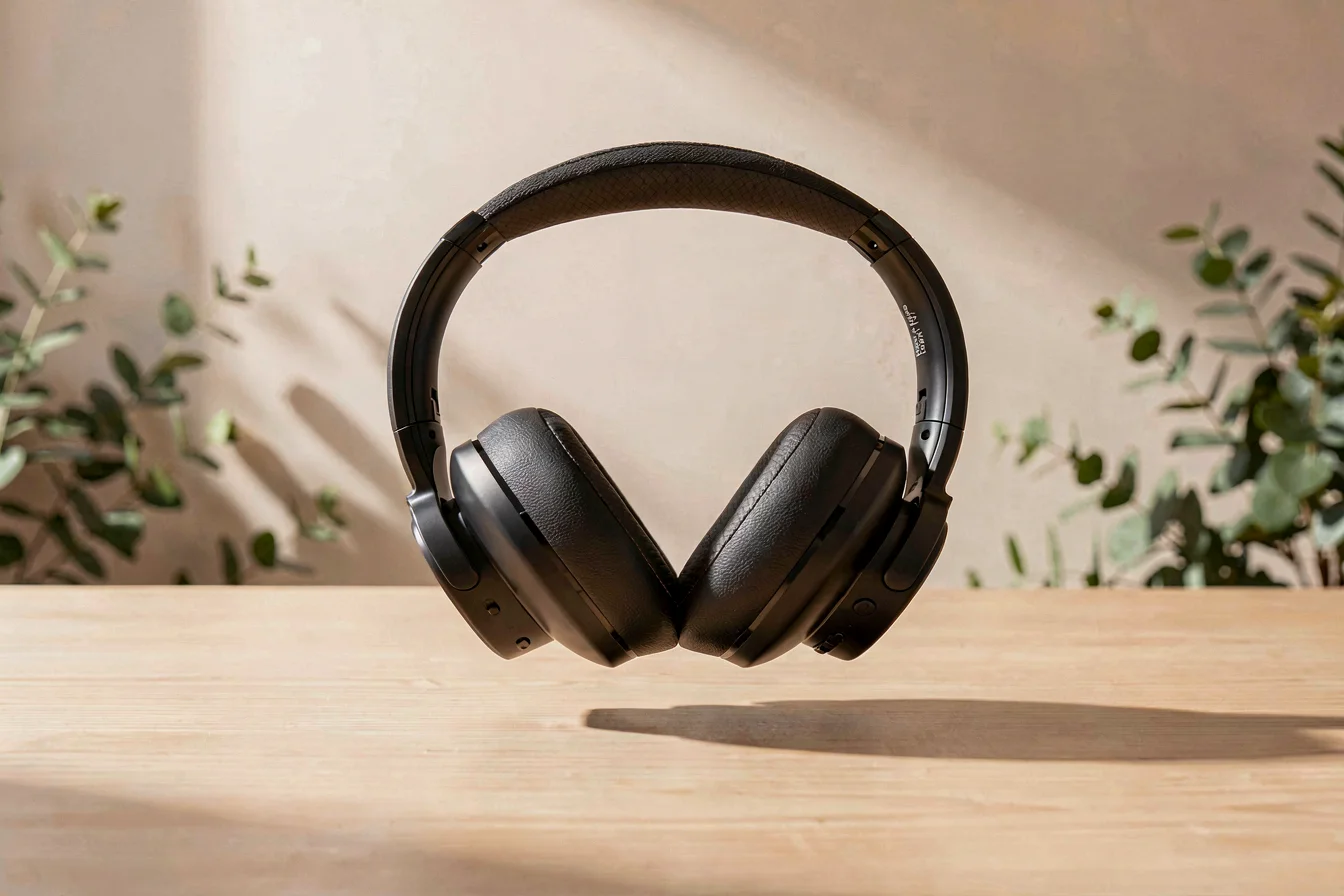
For most buyers, samsung level in-ear headphones deliver superior market appeal, portability, and cost efficiency, with consistently higher search interest and strong user satisfaction. Samsung level over-ear headphones target premium, specialized users seeking comfort and noise cancellation, but face weaker demand and higher price sensitivity. Procurement logic favors in-ear models for mass-market and cost-driven sourcing, while over-ear models fit niche, high-end applications[1][4][5].
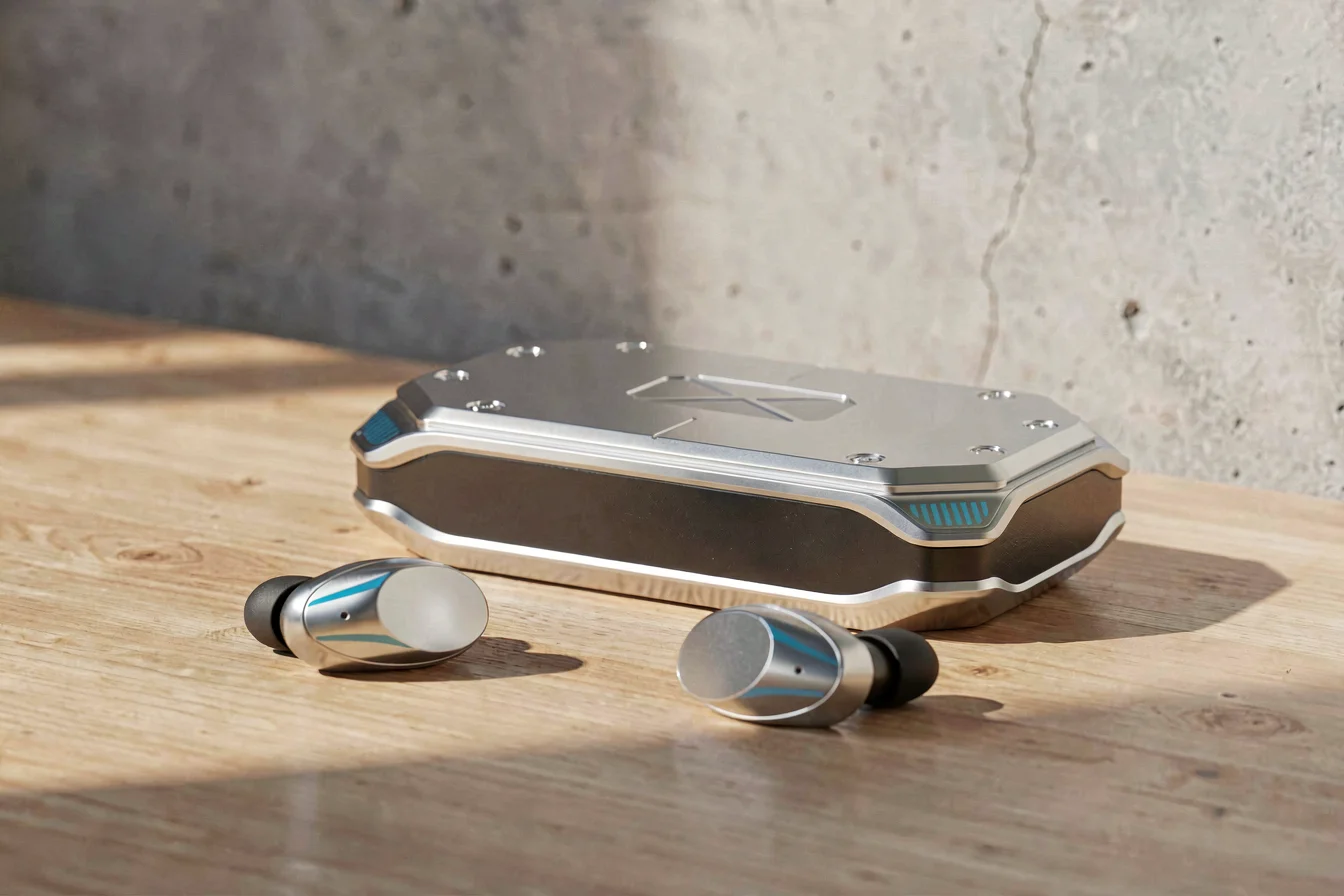
The samsung level over-ear headphones category is defined by premium comfort, noise cancellation, and robust audio performance, targeting audiophiles and office professionals. Their main pain points are bulk, price, and limited mobility. In contrast, samsung level in-ear headphones focus on portability, strong value, and versatility, appealing to casual listeners, commuters, and budget-conscious buyers. In-ear models offer high user satisfaction but face QC variability and cable fragility[8][9].
Over-ear models deliver 50mm drivers, 41Ω impedance, wired/wireless connectivity, and noise cancellation (average rating 4.0/5, $349.99 retail)[3][4]. In-ear models (EO-IA500) feature $8 retail price, but users report QC issues and cable durability[8][9]. Procurement urgency is higher for in-ear models due to their mass-market appeal, while over-ear models are niche—best suited for premium, specialized applications.
Technological innovation in over-ear models includes wireless and noise cancellation, but QC is average. In-ear models excel in modding, EQ customization, and budget flexibility[9].
| Feature | Samsung Level Over-Ear Headphones | Samsung Level In-Ear Headphones |
|---|---|---|
| Driver Size | 50 mm | Varies (typically 10–12 mm) |
| Impedance | 41 Ω | Low (typically 16–32 Ω) |
| Connectivity | Wired/Wireless | Wired |
| Noise Cancellation | Active (average quality) | None |
| Portability | Low (bulk) | High |
| Price Range | $349.99+ | $8–$100 |
| Target Audience | Audiophiles, professionals | Casual listeners, commuters |
In summary, in-ear models dominate mass-market appeal and cost efficiency, while over-ear models offer premium comfort and noise cancellation for specialized buyers.
Durability and reliability are critical for procurement decisions. Samsung level over-ear headphones feature robust build quality, removable cables, and noise cancellation, but their bulk increases risk of physical damage and wear[4]. Expected lifespan is 2–3 years with proper care. In contrast, samsung level in-ear headphones (especially EO-IA500) are lightweight and portable but face higher replacement rates due to QC variability and fragile cables[8][9]. Expected lifespan is 6–18 months, depending on usage and QC.
Application scenarios: Over-ear models excel in office, travel, and audiophile environments where comfort and noise cancellation are essential. In-ear models thrive in commuting, casual listening, and budget-driven settings, but may struggle in noisy environments or for extended wear.
Long-term cost outlook: Over-ear models require higher initial investment but lower replacement frequency. In-ear models have low upfront cost but higher replacement rates, especially if QC issues arise. Maintenance costs are minimal for both, but in-ear models may require frequent cable or tip replacement.
| Cost Factor | Samsung Level Over-Ear Headphones | Samsung Level In-Ear Headphones |
|---|---|---|
| Initial Purchase Price | $349.99 | $8–$100 |
| Expected Lifespan | 2–3 years | 6–18 months |
| Replacement Frequency | Low | High |
| Maintenance Costs | Minimal | Minimal (cable/tip replacement) |
| Total 5-Year Ownership Cost | $349.99 | $48–$300 (2–3 replacements) |
For cost-sensitive buyers, in-ear models are more economical despite higher replacement rates, while over-ear models offer long-term value for premium applications.
The core value of samsung level over-ear headphones is premium comfort, noise cancellation, and high-fidelity audio, targeting office professionals, audiophiles, and travelers. In contrast, samsung level in-ear headphones deliver portability, budget flexibility, and strong value, appealing to casual listeners, commuters, and budget-conscious buyers. Both products face intense competition, but in-ear models dominate search interest and user demand[1].
In-ear models excel in mass-market, cost-driven scenarios, while over-ear models are best for premium, specialized applications.
Google Trends data confirms samsung level in-ear headphones consistently outpace samsung level over-ear headphones in search interest, with spikes during holiday and back-to-school periods[1]. Over-ear models show minimal growth, indicating weak demand and niche appeal.
Search Interest over Time
Actionable recommendation: Focus procurement on in-ear models for mass-market and cost-driven sourcing, while over-ear models are best for premium, specialized buyers.
Reddit and TikTok reveal contrasting user experiences. Samsung level over-ear headphones are praised for comfort and noise cancellation but criticized for bulk and price. Samsung level in-ear headphones (especially EO-IA500) receive strong reviews for sound clarity and modding potential, but users report QC variability and cable fragility[8][9].
Case Study 1: Office Professional (Over-Ear Headphones)
“I would definitely be one of the first to buy this type of headphones. Although I have nothing against Buds headphones, when doing some active work, I still prefer the big headphones ;).”
“I feel like the field of headphones is not worth for phone manufacturers, for whatever reasons. Unless AirPods Max, the market is saturated by Bose and Sony, followed by other companies like focal or soundcore. Even Chinese companies like huawei or xiaomi don’t compete in this field.”
Case Study 2: Casual Listener (In-Ear Headphones)
“After about a month of intensive listening, I’ve been surprised by how realistic and resolving the Samsung EO-IA500 earbuds can sound when everything lines up (QC, seal, source). For me, they’ve changed how I perceive familiar recordings, revealing separation, spatial cues, and transient detail I hadn’t noticed before.”
“Some users report channel imbalance, which can severely compromise the listening experience. However, under ideal conditions, meaning a properly balanced unit and a good seal, there is no reason these should fail to perform as described below.”
| Dimension | Samsung Level Over-Ear Headphones | Samsung Level In-Ear Headphones |
|---|---|---|
| Overall Satisfaction | Moderate (comfort, noise cancellation) | High (sound clarity, modding) |
| Most Praised Feature | Comfort, noise cancellation | Sound clarity, EQ customization |
| Most Common Complaint | Bulk, price | QC variability, cable fragility |
| Community Recommendation Rate | Low (niche appeal) | High (mass-market appeal) |
Viral content themes: Over-ear models spark debates about comfort and noise cancellation, while in-ear models trend on modding, EQ customization, and budget flexibility. Cultural reception: In-ear models are favored for versatility and cost, while over-ear models are seen as premium but niche.
In-ear models receive higher community recommendation rates and viral content engagement, while over-ear models are valued for comfort but criticized for bulk and price.
Buyers should start by identifying their core needs. Key questions include: What is the primary use case? What is your budget range? Are comfort or portability more important? Do you require noise cancellation? Is modding or EQ customization essential?
Tiered recommendations:
| Tier | Recommended Product | Key Reason |
|---|---|---|
| Budget-Friendly | Samsung Level In-Ear Headphones | Low price, strong value, portability |
| Mid-Range | Samsung Level In-Ear Headphones | Sound clarity, modding, EQ customization |
| Premium | Samsung Level Over-Ear Headphones | Comfort, noise cancellation, premium audio |
Optimization tips: Buy in-ear models during holiday and back-to-school periods for best pricing. Bundle with ear tips or cables for enhanced durability. Prioritize modding and EQ customization for in-ear models. Avoid over-ear models if price or bulk is a concern. Common mistakes: Overlooking QC variability in in-ear models, ignoring replacement rates, and failing to consider application scenarios.
For most buyers, in-ear models are optimal for budget and mass-market scenarios, while over-ear models suit premium, specialized applications.
Key insights: samsung level in-ear headphones dominate search interest, user satisfaction, and procurement viability, with strong mass-market appeal and cost efficiency. Samsung level over-ear headphones offer premium comfort and noise cancellation but face niche demand and higher price sensitivity. Forward-looking trends: Expect continued growth for in-ear models, driven by portability, modding, and budget flexibility. Over-ear models may see incremental improvements in comfort and noise cancellation but remain niche.
Emotional call-to-action: Share your experiences with Samsung headphones to help the community. Commercial buyers should confidently source in-ear models for mass-market and cost-driven applications, and consider over-ear models for premium, specialized needs. Act now on Alibaba.com for optimized procurement and supply-chain resilience.
For the next 6–12 months, prioritize in-ear models for mass-market and cost-driven sourcing, while over-ear models fit premium, specialized applications.