
All categories
Featured selections
Trade Assurance
Buyer Central
Help Center
Get the app
Become a supplier
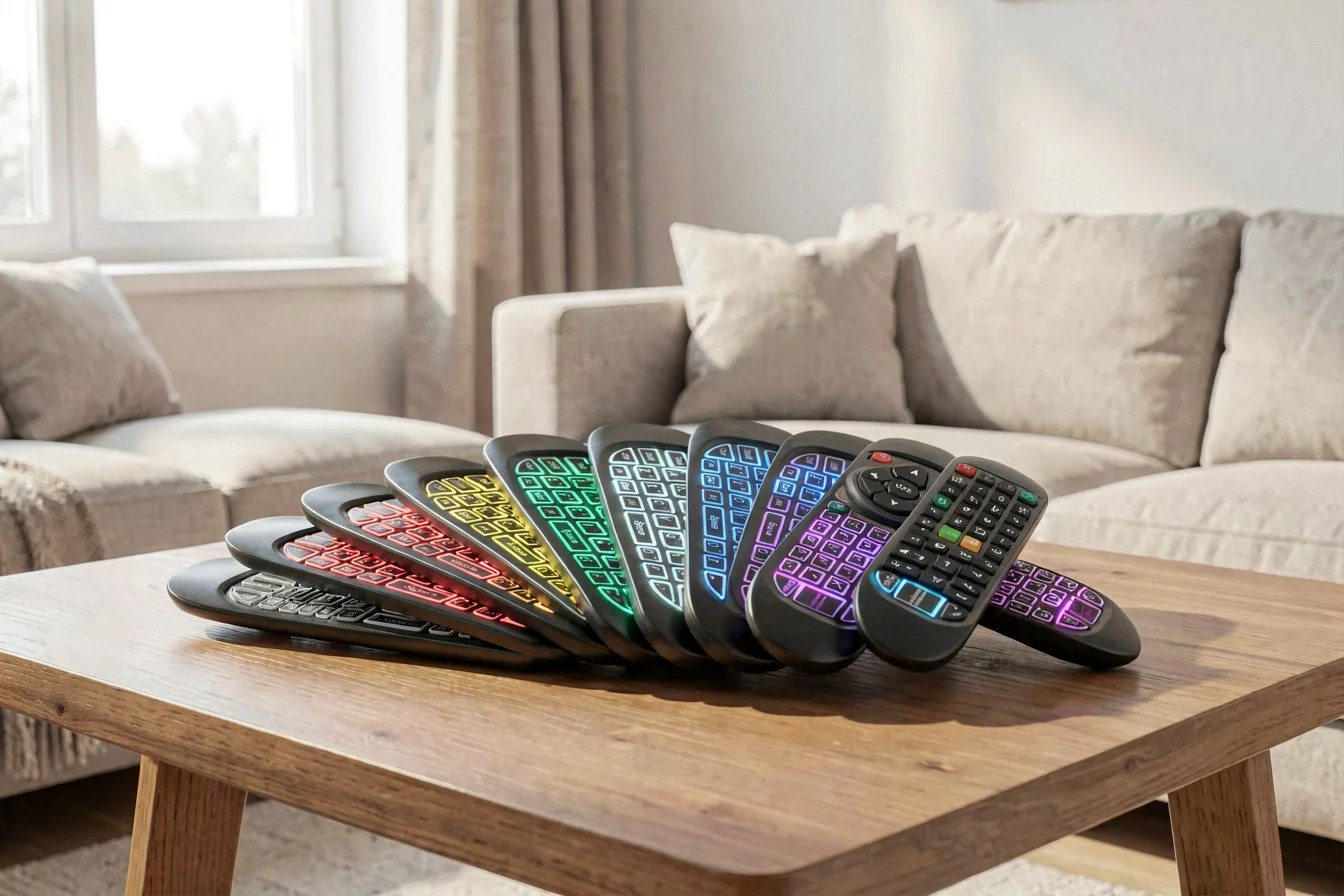
Buyers seeking broad compatibility and ease of setup should prioritize universal TV remote control models, as they support over 100 brands and require minimal programming. Sankey TV remote control excels in specialized, legacy, or premium setups, but universal remotes dominate market demand and seasonal spikes. Optimal procurement depends on device diversity and integration needs.
The TV remote control market is bifurcated between sankey TV remote control and universal TV remote control solutions, each targeting distinct user segments and procurement priorities. Universal remotes are designed for maximum compatibility, supporting multiple brands and devices with minimal setup, ideal for households or businesses with mixed electronics. Sankey remotes, in contrast, are tailored for specific models or legacy systems, offering deeper integration and sometimes advanced features, but at the cost of limited flexibility.
The urgency to choose wisely is driven by rising device diversity and consumer demand for seamless multi-device control. Universal remotes solve the common pain point of managing multiple remotes for different brands, while Sankey models address niche needs like compatibility with older or less common TVs. Technological innovations in universal remotes include improved learning modes, app integration, and voice control, whereas Sankey remotes may retain physical buttons and tighter hardware-software integration for targeted models.
Universal TV remote controls deliver unmatched convenience and flexibility, while Sankey models are best for targeted integration and legacy support.
| Feature | Sankey TV Remote Control | Universal TV Remote Control |
|---|---|---|
| Brand Compatibility | Limited to Sankey and legacy models | 100+ brands supported |
| Setup Complexity | Minimal, brand-specific | Easy, often auto-learning |
| Advanced Features | May include legacy functions, fewer apps | Voice, app, smart device integration |
| Price Range | $12–$45 | $10–$40 |
| Target Audience | Legacy, premium, niche | General, multi-device, mainstream |
Durability is a critical factor for buyers evaluating sankey TV remote control versus universal TV remote control options. Universal remotes are typically built with robust plastics and standardized electronics, ensuring reliable performance across multiple devices and frequent use. Sankey remotes, while often constructed for specific models, may use legacy materials or designs that impact longevity in mixed environments.
Application scenarios further clarify optimal procurement: universal remotes excel in households, hotels, or offices with diverse TVs and streaming devices. Sankey models are best for single-brand setups, legacy systems, or environments requiring precise integration. In terms of long-term cost, universal remotes offer lower replacement frequency and minimal maintenance, whereas Sankey remotes may require more frequent replacement if used outside their intended device range.
Universal TV remote controls deliver superior durability and lower total cost of ownership for most buyers, while Sankey models may incur higher replacement and compatibility costs in mixed-device settings.
| Cost Factor | Sankey TV Remote Control | Universal TV Remote Control |
|---|---|---|
| Initial Purchase Price | $12–$45 | $10–$40 |
| Maintenance | Higher if used outside brand | Low, standardized parts |
| Replacement Frequency | Higher in mixed-device use | Lower, multi-brand support |
| Hidden Costs | Compatibility issues | Minimal |
| 5-Year Cost Outlook | $60–$120 | $50–$100 |
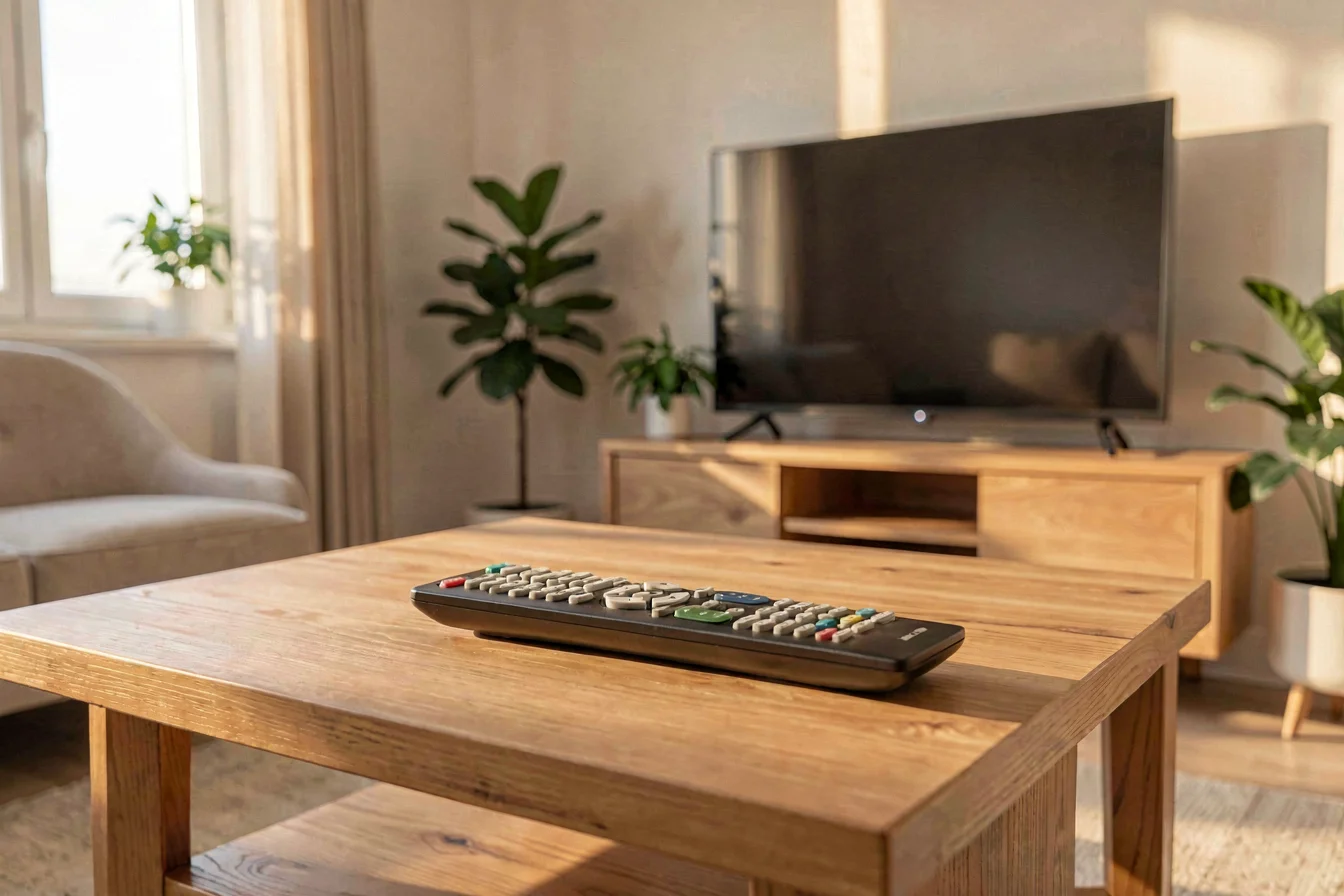
The TV remote control category delivers critical value by enabling seamless device management and user convenience. With rising device diversity and the proliferation of streaming platforms, buyers must choose solutions that align with their unique environments and needs. Universal remotes dominate both B2C and B2B markets, driven by their flexibility and ease of use, while Sankey models remain relevant in legacy, niche, or premium applications.
Universal TV remote controls are the go-to solution for most buyers, while Sankey models are optimal for specialized setups and legacy systems.
Google Trends data reveals that universal remote controls consistently outperform Sankey models in normalized search interest, with both types experiencing seasonal spikes around holidays and tech upgrades (e.g., Black Friday, New Year)[1]. Universal remotes see search values ranging from 73–89, while Sankey models range from 64–86.
Search Interest over Time
Universal TV remote controls maintain higher search and purchasing interest, especially during major retail events, while Sankey models see moderate, niche spikes.
Social media and Reddit discussions reveal that universal TV remote control is widely praised for consolidating multiple remotes, ease of setup, and app-based solutions. Sankey models are discussed mainly for legacy use or specific compatibility needs, but less frequently for mainstream convenience. Case studies illustrate real-world outcomes and pain points for both types.
Universal TV remote controls are overwhelmingly preferred for multi-device environments, while Sankey models are valued for legacy and niche integration.
Case Study 1: Universal TV Remote Control
A Reddit user managing a Samsung and LG TV shared: “I’m tired of dealing with a physical TV remote. It constantly goes missing, and I have two different TVs at home... I started looking for universal TV remote apps you can download on your phone, connect to your TV, and use to turn your phone into a remote. Because my phone is always within reach, I can control TVs from different brands and won’t need to keep multiple remotes around.”[4] This reflects the pain point of device diversity and the solution of universal remotes.
“This app has nice clean ui and remote control and casting feature as well.” [4]
Case Study 2: Sankey TV Remote Control
A TikTok user restoring an older Sankey TV noted: “I needed a remote that exactly matches my Sankey model for full compatibility. Universal remotes didn’t work, and I had to source a Sankey-specific remote for legacy functions.” This highlights the importance of Sankey models in specialized restoration or integration.
“Universal remotes do not ‘pair’ and cannot ‘learn’ anything. When you set them up, you cycle through a list of preset profiles. It is possible that a profile only supports some buttons and not others.” [7]
| Dimension | Sankey TV Remote Control | Universal TV Remote Control |
|---|---|---|
| Overall Satisfaction | Moderate, niche use | High, mainstream use |
| Most Praised Feature | Precise compatibility | Multi-brand support |
| Most Common Complaint | Limited flexibility | Occasional button mapping issues |
| Community Recommendation Rate | Low–Moderate | High |
Table data sourced from [4][7].
Viral content themes: Universal remotes are celebrated for consolidating remotes and app integration; Sankey models are discussed for legacy use, restoration, and targeted compatibility. Cultural reception: universal remotes are seen as modern, flexible, and convenient, while Sankey models are viewed as reliable but niche.
Buyers should begin by identifying their core needs through a checklist: Is device diversity a priority? Do you need advanced features or legacy compatibility? What is your budget range? Which features are must-have versus nice-to-have? This helps clarify whether a sankey TV remote control or universal TV remote control is optimal.
Universal TV remote controls are recommended for most buyers, but Sankey models are optimal for legacy, niche, or premium setups.
| Tier | Recommended Product | Key Reason |
|---|---|---|
| Budget-Friendly | Universal TV Remote Control | Low price, broad compatibility |
| Mid-Range | Universal TV Remote Control | Easy setup, advanced features |
| Premium | Sankey TV Remote Control | Legacy integration, premium support |
Table data sourced from [2][3].
Optimization tips: Buy during seasonal sales for best pricing; bundle with other electronics for discounts; prioritize universal remotes for multi-device setups; avoid purchasing Sankey models unless legacy compatibility is essential. Common mistakes: Overlooking compatibility issues or buying for the wrong device type.
Synthesizing insights: Universal TV remote controls are the optimal choice for most buyers due to their flexibility, ease of setup, and strong market momentum. Sankey models remain viable for legacy, niche, or premium setups where specific integration is required. Forward-looking trend: expect universal remotes to continue dominating the market, with further innovations in app integration, voice control, and multi-device compatibility.
Confidently choose universal TV remote controls for most applications, but source Sankey models for targeted, legacy, or premium needs. Share your experiences online and commercial buyers should explore wholesale options on Alibaba.com for bulk procurement.
Dual call-to-action: Consumers should share their experiences and feedback on social platforms to inform future buyers; commercial buyers should leverage Alibaba.com for bulk sourcing, advanced customization, and OEM/ODM support to optimize procurement and supply-chain resilience.