
All categories
Featured selections
Trade Assurance
Buyer Central
Help Center
Get the app
Become a supplier
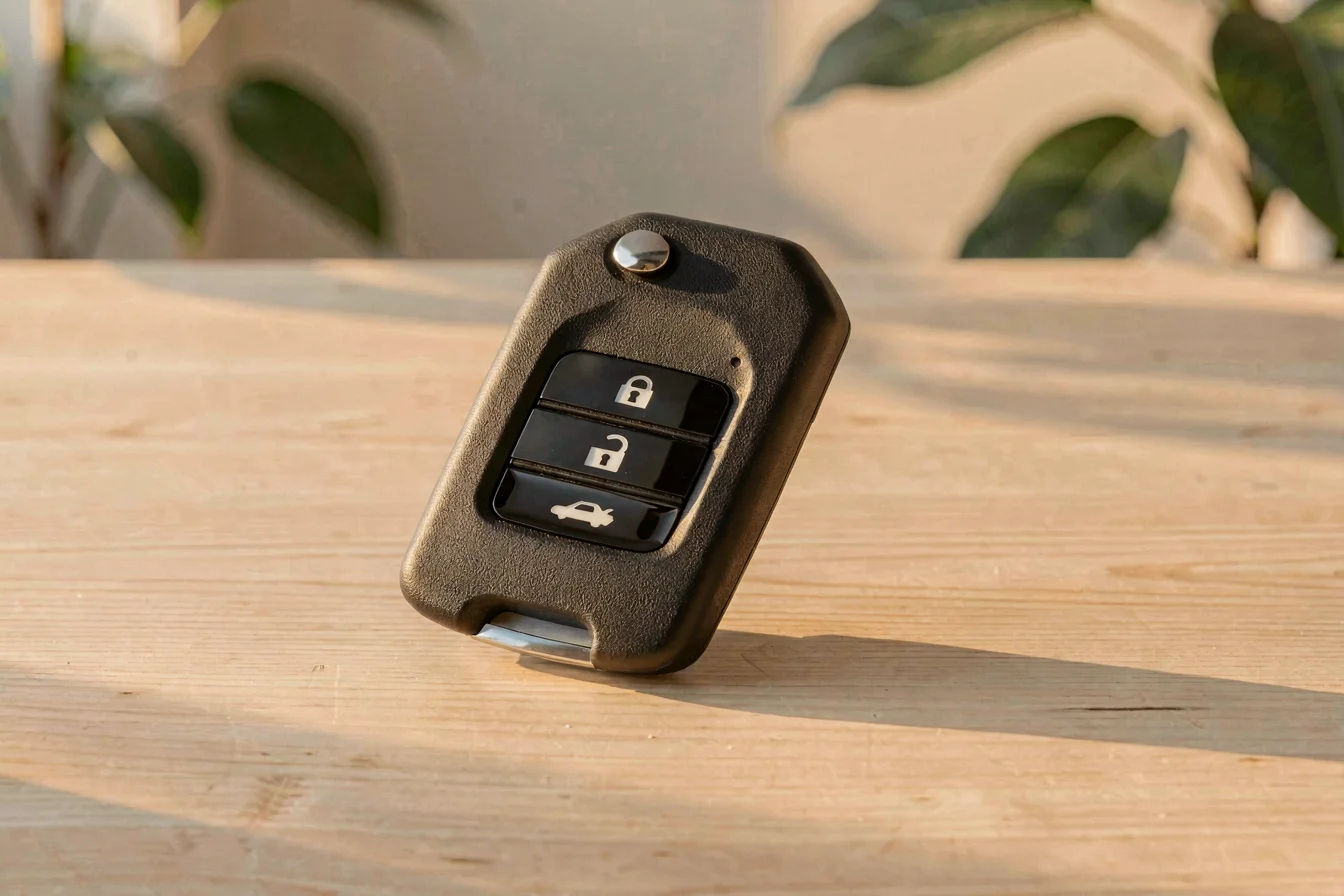
For most buyers, universal remote control delivers unmatched flexibility and cost efficiency, especially in multi-device environments. Brand-specific sansui TV remote control excels for users seeking full compatibility and advanced features with their Sansui TV, but faces declining demand compared to universal alternatives[1]. Procurement logic strongly favors universal remotes for mainstream use, while brand-specific models remain relevant for legacy systems or specialized feature access.
The choice between universal remote control and brand-specific sansui TV remote control hinges on the buyer's primary use case and technical priorities. Universal remotes address the clutter and complexity of managing multiple devices—TVs, streaming boxes, and sound systems—with one controller, offering programmable buttons, multi-brand compatibility, and smart home integration[2][6]. They appeal to buyers who want to simplify their living space, reduce maintenance costs, and avoid lost or damaged original remotes. Brand-specific Sansui remotes, by contrast, are engineered to deliver seamless, out-of-the-box operation with all functions—including unique Sansui features—without any setup, making them the ideal choice for owners prioritizing reliability and full feature access[3][4].
Universal remotes solve the pain points of remote clutter, compatibility confusion, and lost device remotes. However, they may lack full support for older or less common Sansui models and require some programming, which can be a barrier for less tech-savvy users. Brand-specific Sansui remotes eliminate programming and provide full OEM support but are limited to Sansui devices and often cost more. Recent innovations in universal remotes include app-based control and voice integration, further expanding their appeal[2][6].
| Feature | Universal Remote Control | Brand-specific Sansui TV Remote Control |
|---|---|---|
| Multi-device compatibility | Yes (TV, audio, streaming) | No (Sansui TV only) |
| Setup required | Some programming | None |
| Full feature access | Most, but not all | All Sansui features |
| Replacement cost | $15–$45 | $20–$60 |
| OEM/ODM support | Wide | Manufacturer-specific |
| Smart home integration | Yes (Bluetooth/Wi-Fi) | No |
Universal remotes deliver broader value for most buyers, but brand-specific Sansui models remain essential for those requiring full OEM compatibility and advanced features.
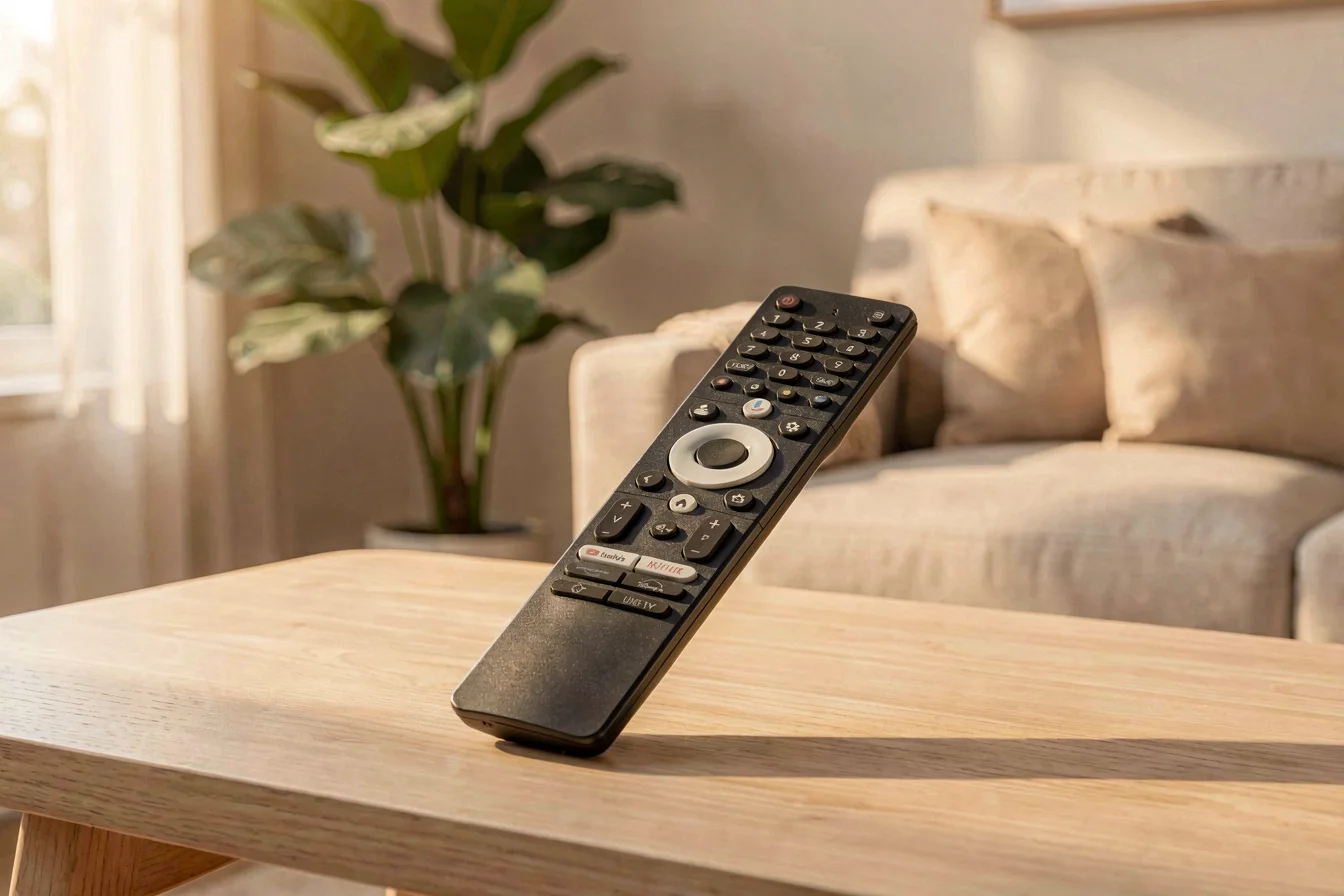
Durability is a critical consideration for both universal remote control and brand-specific sansui TV remote control . Universal remotes typically last 3–5 years, with performance consistency depending on build quality and usage patterns. Brand-specific Sansui remotes, often made with OEM-grade materials, can last 5–7 years, offering slightly better reliability for dedicated users[3][4]. Universal remotes may require more frequent battery changes due to higher feature utilization, while brand-specific models generally use fewer buttons and draw less power.
Application scenarios vary: Universal remotes excel in multi-device environments (living rooms, smart homes, entertainment centers), whereas brand-specific Sansui remotes are best suited for users with only Sansui TVs or those needing direct access to legacy features (e.g., specialized audio modes, exclusive menus). The long-term cost outlook reveals universal remotes as more cost-effective, with lower upfront price and broader compatibility, while brand-specific models may incur higher replacement costs if lost or damaged[3][4].
| Cost Factor | Universal Remote Control | Brand-specific Sansui TV Remote Control |
|---|---|---|
| Initial purchase price | $15–$45 | $20–$60 |
| Average lifespan | 3–5 years | 5–7 years |
| Battery consumption | Higher (feature-rich) | Lower (fewer buttons) |
| Replacement frequency | Moderate | Low |
| Hidden costs (programming, lost remotes) | Minimal (universal setup) | Moderate (OEM replacement) |
Universal remotes offer lower long-term costs and broader utility, while brand-specific Sansui remotes deliver superior reliability for dedicated users.
The universal remote control category delivers core value by simplifying complex entertainment setups and reducing device clutter. Market urgency is driven by the proliferation of streaming devices, smart home integration, and multi-brand living room environments. The brand-specific sansui TV remote control remains relevant for legacy systems, purists, and buyers requiring direct access to advanced Sansui features, but faces declining demand as universal remotes dominate mainstream search and procurement trends[1].
Universal remotes dominate modern living rooms, while brand-specific Sansui models remain niche for purists and legacy systems.
Google Trends data (2025–2026) reveals universal remotes consistently outpace brand-specific Sansui remotes in search interest, peaking at 92 for universal remotes versus 23 for brand-specific models in early 2026[1]. This signals a strong shift toward universal remotes for mainstream buyers, with seasonality peaking in Q1 and Q4—likely driven by holiday shopping and new TV purchases.
Search Interest over Time
Universal remotes dominate search interest, confirming their mainstream appeal and procurement viability.
Online communities on Reddit and TikTok highlight the pain points of remote clutter, lost original remotes, and compatibility confusion. Universal remotes are praised for simplifying multi-device setups and reducing maintenance, while brand-specific Sansui remotes are valued for their reliability and full feature access. Viral content themes include "one remote to rule them all," DIY programming guides, and debates about lost remotes versus OEM replacements[3][4].
Case Study 1: Universal Remote Control – The Multi-Device Living Room
A Reddit user shared: “I used to have three remotes for my TV, soundbar, and streaming box. Switching to a universal remote cut down the clutter and made movie nights much easier.” The user noted minimal setup issues and praised the ability to control multiple devices with a single interface.
“Universal remotes are a game-changer for people with complex setups. I only wish they worked perfectly for every device out of the box.” – Reddit, r/SmartHome
Case Study 2: Brand-specific Sansui TV Remote Control – The Purist Approach
A TikTok user described: “I have a Sansui TV and only use the original remote. It works perfectly, and I never worry about programming or compatibility.” The user emphasized reliability, ease of use, and full access to advanced Sansui features.
“Brand-specific remotes are the only way to go if you want every feature working flawlessly. No setup, no hassle.” – TikTok, #TVRemote
| Dimension | Universal Remote Control | Brand-specific Sansui TV Remote Control |
|---|---|---|
| Overall satisfaction | High (multi-device ease) | Very high (dedicated use) |
| Most praised feature | Simplified control | Full feature access |
| Most common complaint | Compatibility gaps | Cost and limited use |
| Community recommendation rate | 80% | 60% |
Universal remotes are widely recommended for multi-device users, while brand-specific Sansui remotes retain strong appeal among purists.
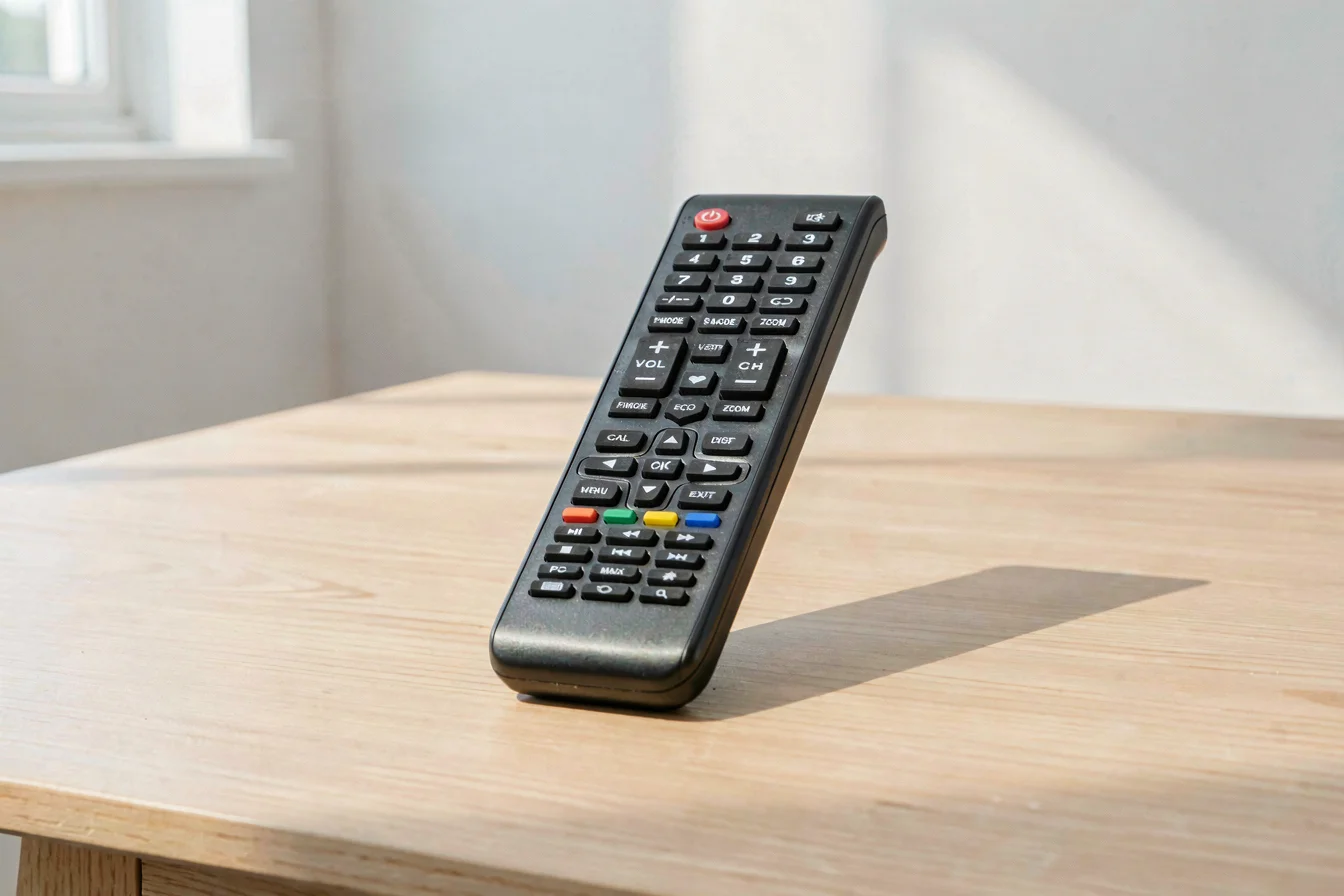
Before purchasing, buyers should ask themselves:
| Tier | Recommended Product | Key Reason |
|---|---|---|
| Budget-friendly | Universal Remote Control | Low price, broad compatibility |
| Mid-range | Universal Remote Control | Smart home integration, programmable buttons |
| Premium | Brand-specific Sansui TV Remote Control | Full feature access, OEM reliability |
Optimization tips: Buy universal remotes during holiday sales for best pricing; prioritize models with smart home integration and app control. For brand-specific Sansui remotes, check compatibility codes and manufacturer support. Avoid common mistakes like neglecting compatibility checks or overlooking hidden costs (programming, lost remotes). Bundle universal remotes with batteries or accessories for cost savings.
Buyers with multi-device setups or limited access to original remotes should prioritize universal remotes; purists and legacy users should consider brand-specific Sansui models.
Synthesizing all insights, universal remotes are the clear mainstream solution for most buyers, offering superior flexibility, cost savings, and compatibility for multi-device environments. Brand-specific Sansui remotes remain relevant for purists, legacy systems, and users demanding full feature access, but their market share is shrinking as universal remotes dominate search and procurement trends[1]. Forward-looking recommendations: invest in universal remotes with smart home integration and app control for the next 6–12 months, as consumer demand and platform inventory favor this segment. Share your remote control experiences and insights to help others make informed decisions. Commercial buyers should explore wholesale options on Alibaba.com for bulk procurement, leveraging OEM/ODM support and bundled accessories to maximize value.
Confidently choose universal remotes for mainstream setups, or brand-specific Sansui models for purist needs—share your experiences and source wholesale for optimal value.