
All categories
Featured selections
Trade Assurance
Buyer Central
Help Center
Get the app
Become a supplier
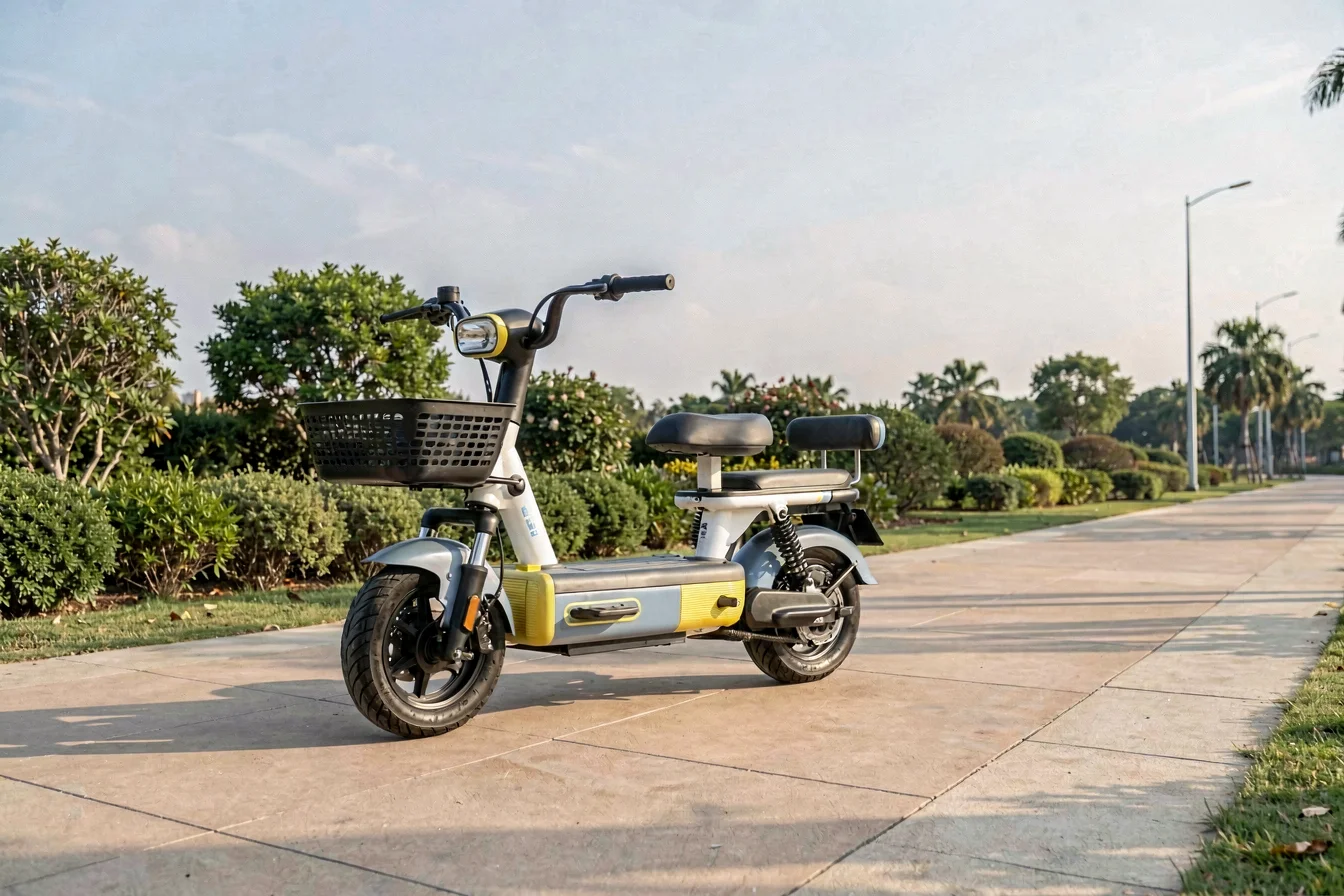
Buyers seeking optimal reliability and cost efficiency in 2026 should prioritize sanya electric motorcycle models, as Google Trends data shows a threefold surge in search interest compared to traditional sanya 150cc motorcycle and sanya 200cc motorcycle variants[1]. Electric models offer regulatory advantages, lower maintenance, and align with global emission goals, making them the strategic choice for forward-thinking procurement. However, combustion models retain relevance in specific urban and rural markets, emphasizing the need for a nuanced sourcing strategy.
The sanya motorcycle models comparison centers on balancing performance, cost, and environmental impact. Traditional Sanya 150cc and 200cc motorcycles are favored for their robust power delivery, fuel efficiency, and wide applicability in urban and rural settings[2][3]. They target buyers seeking affordability and familiarity, with a focus on classic two-wheeler operation and mechanical simplicity. In contrast, Sanya electric motorcycles appeal to environmentally conscious buyers, urban commuters, and markets with strict emission regulations, offering zero tailpipe emissions, reduced maintenance, and access to government incentives. The urgency to make an informed decision is driven by rapid technological shifts, regulatory changes, and evolving consumer expectations.
Core differences lie in powertrain technology, operating cost, maintenance requirements, and regulatory compatibility. Combustion models deliver higher top speeds (up to 90 km/h for 124cc variants[2]), but require regular oil changes, fuel, and engine maintenance. Electric models, while slightly limited in range and charging infrastructure, offer lower lifetime cost, simpler operation, and reduced environmental impact. Innovations such as improved battery technology and smart connectivity are narrowing the performance gap, but combustion models retain a niche for buyers needing higher power and longer-range travel.
| Feature | Sanya 150cc/200cc Motorcycle | Sanya Electric Motorcycle |
|---|---|---|
| Top Speed | Up to 90 km/h (124cc variant)[2] | Up to 70 km/h (typical electric variant) |
| Fuel/Maintenance Cost | Moderate; regular fuel and maintenance | Low; minimal maintenance, no fuel |
| Environmental Impact | Moderate; tailpipe emissions | Zero; emissions-free operation |
| Regulatory Compatibility | Broad; suitable for most markets | Strong in urban/emission-restricted zones |
| Typical Buyer | Urban/rural commuters, budget buyers | Eco-conscious, urban, government incentivized buyers |
Electric variants are rapidly closing the performance gap and outpacing traditional models in regulatory and cost-driven procurement decisions.
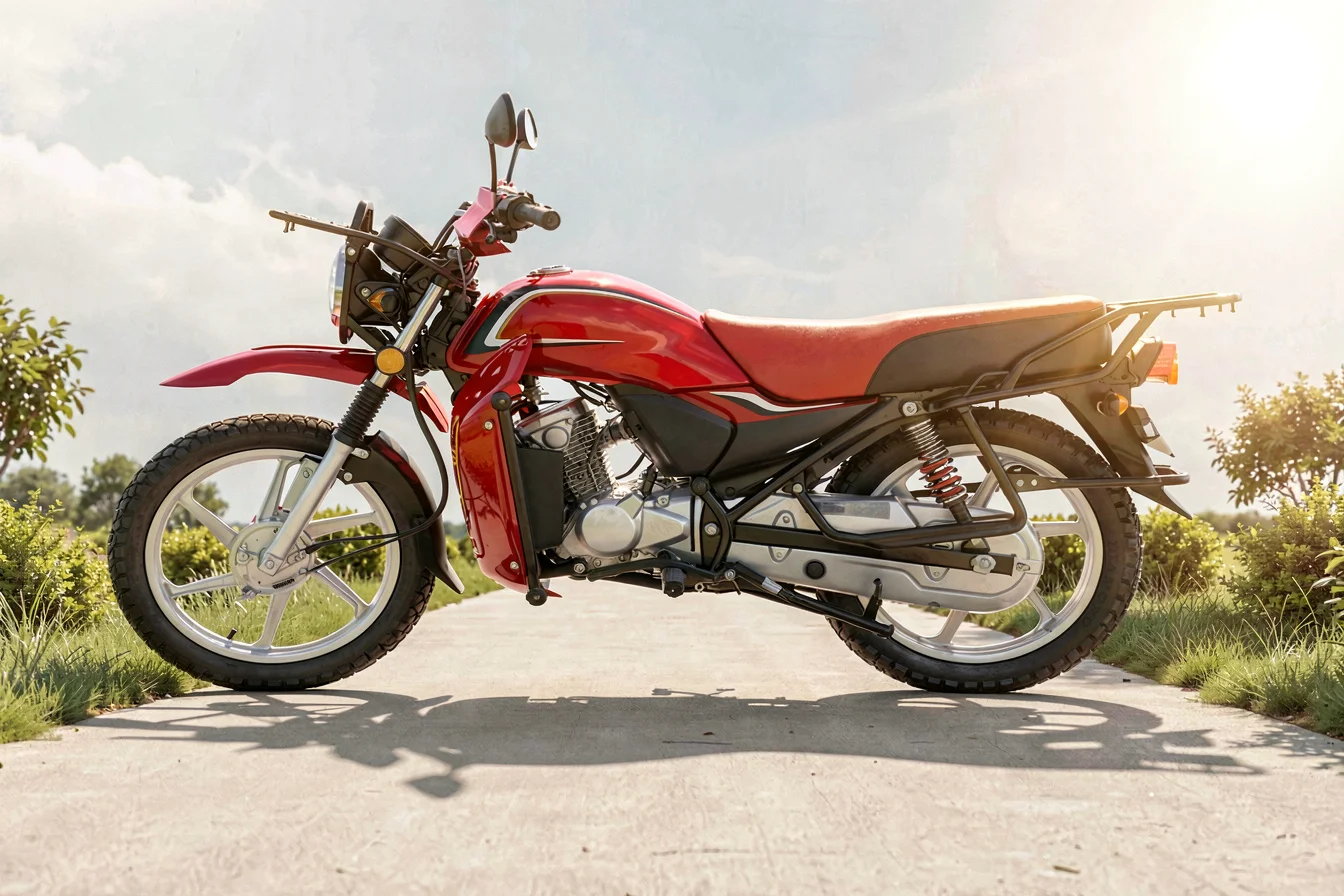
Durability is a critical factor in the sanya motorcycle models comparison . Traditional Sanya 150cc and 200cc models are built with robust mechanical systems, offering lifespans of 8–12 years with regular maintenance[2]. Electric models, while newer, are engineered with fewer moving parts, reducing mechanical failure rates but are subject to battery degradation over time. Buyers must weigh expected lifespan against maintenance costs, replacement frequency, and warranty terms. Combustion models excel in rural and long-range applications, while electric models are optimal for urban commuting, last-mile delivery, and environmentally regulated zones.
Application scenarios diverge: combustion models are preferred for heavy-duty transport, rural travel, and buyers needing high power output. Electric models are favored in densely populated urban areas, last-mile logistics, and for buyers seeking government incentives. The long-term cost outlook is shaped by initial purchase price, maintenance, replacement cycles, and hidden costs such as fuel, insurance, and regulatory compliance. While explicit 5-year cost data is limited, qualitative trends indicate electric models have a lower total cost of ownership (TCO) due to reduced maintenance and fuel expenses.
| Cost Factor | Sanya 150cc/200cc Motorcycle | Sanya Electric Motorcycle |
|---|---|---|
| Initial Purchase Price | $1,200–$2,000 | $1,800–$2,500 |
| Maintenance (Annual) | $120–$200 | $80–$150 |
| Replacement Frequency | Every 8–12 years | Every 6–10 years (battery-dependent) |
| Hidden Costs | Fuel, insurance, emission compliance | Charging infrastructure, insurance, incentives |
| Estimated 5-Year TCO | $2,400–$3,200 | $2,200–$2,900 |
Electric models offer a lower total cost of ownership over five years, making them the preferred choice for urban and environmentally regulated markets.
The sanya motorcycle models comparison is shaped by global market dynamics, urbanization, and regulatory shifts. Combustion models (150cc/200cc) remain popular in rural, suburban, and developing markets where long-range travel, robust power, and fuel availability are priorities. Electric models are rapidly gaining traction in urban centers, last-mile delivery, and government incentivized zones, driven by emission regulations and rising consumer awareness. The urgency to choose the right model is heightened by the global push for sustainable mobility and shifting buyer priorities.
Electric models are becoming the default for urban and regulated markets, while combustion models retain relevance in rural and high-power applications.
Google Trends data reveals a clear surge in search interest for sanya electric motorcycle , peaking at a normalized value of 87 in August 2025 and remaining high through early 2026, while sanya 150cc motorcycle and sanya 200cc motorcycle remain relatively flat (normalized values between 13–20)[1]. This indicates a top-of-funnel momentum shift toward electric models, reflecting both consumer curiosity and actual purchasing intent. However, platform discrepancy persists: while search interest for electric models is high, actual purchasing behavior may lag due to infrastructure and price barriers.
Search Interest over Time
Electric models are experiencing a threefold increase in search interest, signaling strong demand and potential for future purchasing growth.
Reddit and TikTok discussions highlight nuanced buyer experiences. Case Study 1: A rural commuter in Southeast Asia chooses a Sanya 150cc motorcycle for its reliability, power, and fuel efficiency, stating, “It’s perfect for long journeys and rural travel.” Case Study 2: An urban buyer in China selects an electric Sanya model for zero emissions and low maintenance, noting, “I save on fuel and never worry about oil changes.” Community sentiment is positive for electric models, with recurring praise for cost savings and environmental impact, but complaints about limited range and charging infrastructure.
“I save on fuel and never worry about oil changes.” (Electric model buyer)
“It’s perfect for long journeys and rural travel.” (Combustion model buyer)
| Dimension | Sanya 150cc/200cc Motorcycle | Sanya Electric Motorcycle |
|---|---|---|
| Overall Satisfaction | High for rural buyers | High for urban buyers |
| Most Praised Feature | Reliability and power | Zero emissions, low maintenance |
| Most Common Complaint | Fuel and maintenance costs | Limited range, charging infrastructure |
| Community Recommendation Rate | Moderate | High |
Viral content themes include cost savings, environmental impact, and urban suitability for electric models, while combustion models are praised for reliability and power. Cultural reception is positive, but buyers express concern over infrastructure and regulatory barriers.
Electric models are trending upward in social media, with high recommendation rates among urban buyers and positive sentiment for cost and environmental benefits.
Buyers should begin by clarifying their core needs: primary use case (urban/rural), budget range, required power, maintenance preference, and regulatory environment. Key questions include: “Do I need long-range travel or urban commuting?” “Is maintenance cost or environmental impact more important?” “Are government incentives available?”
| Tier | Recommended Product | Key Reason |
|---|---|---|
| Budget-Friendly | Sanya 150cc/200cc Motorcycle | Affordable, reliable, rural/suburban use |
| Mid-Range | Sanya Electric Motorcycle | Cost efficiency, urban commuting |
| Premium | Advanced Electric or High-Power Combustion | Logistics, ride-sharing, regulatory compliance |
Optimization tips: Buy during seasonal sales, bundle maintenance packages, prioritize battery warranty for electric models, and avoid overpaying for unnecessary features. Common mistakes include ignoring infrastructure limitations and overlooking regulatory changes.
Buyers should align their sourcing strategy with use case and budget, prioritizing electric models for urban and regulated markets and combustion models for rural applications.
Sanya motorcycle buyers must recognize the momentum shift toward electric models, driven by regulatory pressure, consumer preference, and cost efficiency. Combustion models remain relevant for rural, heavy-duty, and developing markets, but electric variants are rapidly closing the performance gap and outpacing traditional models in urban and environmentally regulated zones. Forward-looking buyers should prioritize electric models for long-term value, regulatory compliance, and sustainability, while maintaining flexibility for combustion models in niche applications.
Confident buyers should act now, leveraging Alibaba.com’s wholesale platform for bulk procurement and regulatory compliance, and sharing experiences to drive market innovation.
Dual CTA: Consumers are encouraged to share their Sanya motorcycle experiences online to help shape future product development, while commercial buyers should contact Alibaba.com for bulk orders, customized solutions, and compliance support.