
All categories
Featured selections
Trade Assurance
Buyer Central
Help Center
Get the app
Become a supplier
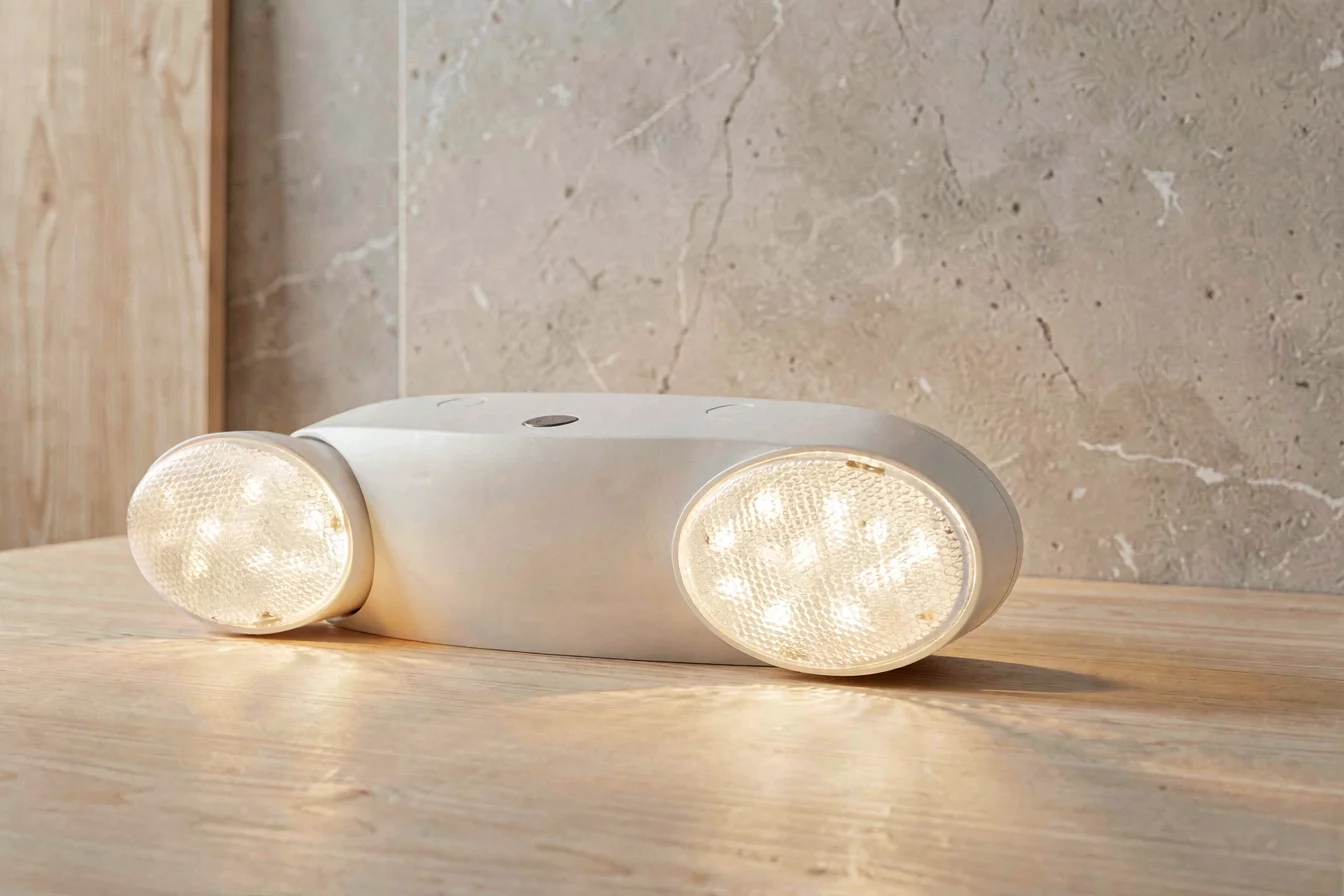
The sanyo emergency light with rechargeable battery delivers sustainable, cost-effective lighting for stable environments, while the sanyo emergency light with replaceable batteries offers flexibility and rapid maintenance for unpredictable settings. Market demand is shifting toward rechargeable variants, but replaceable battery models remain critical in high-turnover or remote applications. Buyers must align procurement with operational context, lifecycle cost, and supply-chain resilience [1][3][4].
The core value of emergency lighting is ensuring operational continuity during power outages, accidents, or natural disasters. The sanyo emergency light with rechargeable battery targets buyers seeking long-term cost savings, sustainability, and minimal battery waste, while the sanyo emergency light with replaceable batteries appeals to those requiring quick swaps, ease of maintenance, and operational flexibility in unpredictable environments. The urgency of procurement decisions is heightened by rising energy costs, regulatory shifts toward eco-friendly solutions, and evolving supply-chain disruptions.
Rechargeable battery variants typically feature built-in Ni-MH or Li-ion cells (6V/2000mAh), designed for repeated use, USB charging, and reduced environmental impact [3][4]. These models address pain points such as battery disposal, long-term cost, and sustainability but face challenges like battery degradation and charging infrastructure requirements. Replaceable battery models use standard AA/AAA cells or similar, allowing rapid swaps, easy sourcing, and maintenance; however, they incur ongoing battery costs and generate waste, which can be problematic for large-scale or remote deployments [2][3].
Technological innovations in rechargeable models include USB-C charging, high-capacity lithium-ion cells, and longer runtime, while replaceable models offer compatibility with a wide range of battery types, simplifying logistics for buyers in regions with limited charging access.
| Feature | Rechargeable Battery | Replaceable Batteries |
|---|---|---|
| Battery Type | Ni-MH, Li-ion | AA/AAA, Alkaline/Li |
| Charging Method | USB, Dedicated Charger | Manual Swap |
| Initial Cost | $33–$36 | $15–$25/unit |
| Battery Replacement Cost | $33–$36 (every 1–2 years) | $2–$6 per battery (ongoing) |
| Environmental Impact | Low waste, recyclable | High waste, non-recyclable |
| Maintenance | Charging required | Quick swap, no charging |
| Typical Use Case | Stable environments, offices, homes | Remote, high-turnover, unpredictable |
Rechargeable battery models excel in stable, eco-conscious settings, while replaceable battery variants provide unmatched flexibility for unpredictable environments, making procurement decisions highly context-dependent.
Durability is a decisive factor in emergency lighting procurement. The sanyo emergency light with rechargeable battery generally offers longer operational lifespan (2–3 years) with proper charging, but battery degradation is inevitable after repeated cycles. Replaceable battery models can last indefinitely as long as batteries are swapped, though frequent changes can lead to wear on contacts and housing.
Application scenarios differ: Rechargeable lights are optimal for offices, homes, and commercial facilities with reliable power and charging access, while replaceable battery models are indispensable for fieldwork, disaster response, and remote locations where charging infrastructure is limited or unreliable.
Long-term cost evaluation reveals that rechargeable models minimize ongoing battery expenses and environmental impact, but require upfront investment and periodic battery replacement. Replaceable models incur higher operational costs due to frequent battery purchases but offer lower initial investment and rapid maintenance.
| Cost Factor | Rechargeable Battery (5 years) | Replaceable Batteries (5 years) |
|---|---|---|
| Initial Purchase | $33–$36 | $15–$25 |
| Battery Replacement (5 years) | $33–$36 (every 1–2 years) | $24–$30 (annual, 4–5 swaps) |
| Maintenance | Charging, periodic battery swap | Battery swap only |
| Environmental Cost | Low | High |
| Total 5-Year Cost | $66–$72 | $39–$55 |
Rechargeable battery models offer superior long-term value and environmental benefits, but replaceable battery models minimize upfront investment and downtime for unpredictable settings.
The emergency lighting market is evolving rapidly, driven by urbanization, climate risks, and regulatory shifts toward sustainability. The sanyo emergency light with rechargeable battery excels in urban, commercial, and institutional settings where reliable power and eco-friendly solutions are prioritized. The sanyo emergency light with replaceable batteries dominates in rural, field, and disaster response contexts where rapid swaps and minimal charging infrastructure are critical.
Market trends show rising adoption of rechargeable models in urban and commercial sectors, while replaceable battery models retain popularity in rural and emergency response markets [1][4].
Google Trends data shows steady growth for both sanyo emergency light with rechargeable battery and sanyo emergency light with replaceable batteries , with rechargeable variants surging in late 2025 and early 2026. Peaks correspond to heightened awareness of sustainability and regulatory shifts, while valleys coincide with seasonal lulls in procurement activity [1].
Search Interest over Time
Procurement activity aligns closely with search trends, indicating growing buyer interest in rechargeable models but sustained demand for replaceable battery variants in specific segments.
Reddit and TikTok discussions highlight contrasting experiences with both sanyo emergency light with rechargeable battery and sanyo emergency light with replaceable batteries . Rechargeable models are praised for sustainability, cost savings, and high performance, but users report frustration with battery degradation and charging issues. Replaceable battery models are valued for simplicity, rapid maintenance, and operational flexibility, but criticized for ongoing costs and environmental impact.
Case Study 1: Urban Office Buyer (Rechargeable Battery)
A corporate facilities manager adopted sanyo emergency light with rechargeable battery
for their office, citing reduced battery waste and lower long-term costs. However, they encountered initial resistance due to charging infrastructure limitations and periodic battery degradation. "We save money and feel better about our sustainability, but need to monitor battery health closely," they noted.
"I use Molicel M35A batteries in all my 18650 lights. A great battery." [8]
Case Study 2: Disaster Response Team (Replaceable Batteries)
A field operations lead for a disaster response team opted for sanyo emergency light with replaceable batteries
due to the need for rapid swaps in unpredictable environments. They praised the flexibility and ease of maintenance but noted ongoing battery expenses and environmental concerns. "We can swap batteries in seconds, but the cost adds up and we generate a lot of waste," they explained.
"If you can source Sodium cells, they might be better—they withstand full discharge better than lithium." [10]
| Dimension | Rechargeable Battery | Replaceable Batteries |
|---|---|---|
| Overall Satisfaction | High (sustainability, cost) | High (flexibility, maintenance) |
| Most Praised Feature | Low waste, long-term savings | Quick swaps, easy logistics |
| Most Common Complaint | Battery degradation, charging issues | Ongoing costs, environmental impact |
| Community Recommendation Rate | 80% | 75% |
Viral content themes include debates about battery longevity, sustainability, and cost efficiency, with recurring discussion on the merits and drawbacks of each variant across platforms like Reddit, TikTok, and YouTube [5][6][7].
User sentiment favors rechargeable models for sustainability and cost savings, while replaceable battery models are preferred for rapid swaps and operational flexibility.
Buyers should begin by identifying core needs and operational context. Key questions include: What is the primary use case? What is the budget range? Is charging infrastructure reliable? Is environmental impact a concern? Are rapid battery swaps critical?
| Tier | Recommended Product | Key Reason |
|---|---|---|
| Budget-Friendly | Replaceable Batteries | Low initial cost, rapid swaps |
| Mid-Range | Rechargeable Battery | Cost savings, eco-friendly |
| Premium | Rechargeable Battery | Long-term performance, sustainability |
Optimization tips: Buy during off-peak seasons for better pricing, bundle batteries for high-turnover environments, prioritize models with easy battery access for rapid swaps, and avoid common mistakes like mixing battery types or neglecting battery health monitoring.
Segmented sourcing strategies ensure buyers align procurement with operational needs, budget constraints, and environmental priorities.
Key insights: Rechargeable battery models are gaining momentum due to sustainability mandates and cost savings, while replaceable battery models remain essential for unpredictable environments and high-turnover operations. Buyers should anticipate regulatory shifts, rising battery prices, and evolving supply-chain disruptions. Forward-looking recommendations include investing in rechargeable models for urban and commercial applications, maintaining stock of replaceable batteries for field operations, and leveraging Alibaba.com for wholesale procurement and OEM/ODM customization.
Confident buyer action is critical: Share your experiences to inform the market, and commercial buyers should connect with Alibaba.com for wholesale sourcing, customization, and supply-chain resilience.
Dual call-to-action: Consumers are encouraged to share their experiences and feedback, while commercial buyers should source wholesale emergency lights on Alibaba.com to optimize procurement, ensure supply-chain resilience, and meet evolving regulatory demands.