
All categories
Featured selections
Trade Assurance
Buyer Central
Help Center
Get the app
Become a supplier
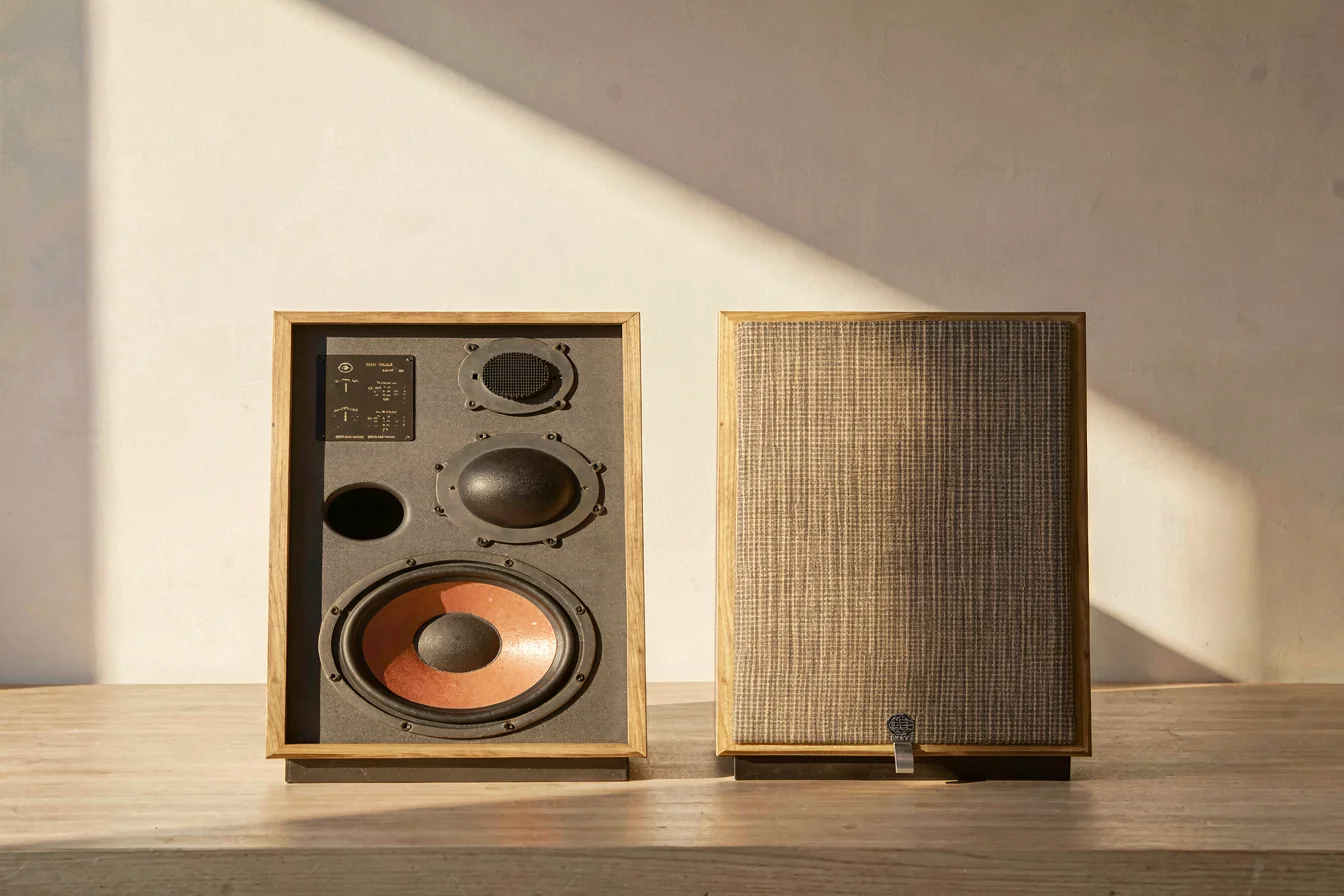
Modern contemporary home audio systems deliver superior reliability, versatility, and cost-effectiveness compared to vintage sanyo stereo systems, making them the optimal choice for mainstream buyers. Sanyo stereo units remain relevant only for collectors and retro enthusiasts, with limited utility in today’s audio landscape. Procurement should prioritize contemporary solutions for long-term value and integration with modern formats[1][8][10].
The audio system procurement dilemma centers on balancing nostalgia and collectible value against modern performance, reliability, and integration. Sanyo stereo systems, popular in the 1970s–1980s, offer retro appeal, basic stereo playback, and cassette functionality, targeting collectors and enthusiasts seeking vintage aesthetics[2][14]. Contemporary home audio systems, by contrast, are designed for seamless multi-room, streaming, and smart integration, addressing the needs of mainstream consumers, hospitality, and commercial buyers[9].
The core differences between the two systems are technological: Sanyo systems rely on analog components, cassette, and radio, while contemporary units leverage digital, streaming, and smart controls. Modern systems provide improved sound quality, easier maintenance, and future-proof upgrades, whereas Sanyo units require frequent repairs, lack modern compliance, and suffer from declining parts availability[10][12].
| Feature | Sanyo Stereo | Contemporary Home Audio Systems |
|---|---|---|
| Audio Format Support | Cassette, AM/FM, vinyl | Streaming, Bluetooth, CD, USB, smart controls |
| Integration | Stand-alone, limited connectivity | Multi-room, smart home, IoT |
| Maintenance | Frequent repairs, parts scarcity | Low maintenance, warranty support |
| Market Value | Collectible, niche demand | Widely adopted, high demand |
| User Experience | Retro, manual controls | Intuitive, app-based |
| Certifications | None (modern standards not met) | CE, FCC, RoHS |
Contemporary home audio systems offer a far superior procurement value for mainstream buyers, while Sanyo stereos serve niche collector and retro markets.
Durability is a critical procurement factor: sanyo stereo systems are built for a lifespan of 10–20 years, but require frequent maintenance, part replacement, and are prone to obsolescence[2][14]. Contemporary home audio systems, with modular designs and digital components, offer longer lifespans (5–15 years), reduced repair frequency, and robust warranty support[8][9].
Application scenarios differ: Sanyo systems excel in retro settings, hobbyist projects, or collector displays, but fall short for modern streaming, multi-room, or smart integration. Contemporary systems dominate commercial, hospitality, and mainstream residential use, supporting flexible deployment and future upgrades.
Long-term cost outlook favors contemporary systems: initial purchase price is higher, but maintenance, replacement, and hidden costs (parts scarcity, repair labor) are significantly lower. Sanyo systems incur recurring expenses for repairs, upgrades, and compatibility issues, often offsetting their low initial cost[12].
| Cost Factor | Sanyo Stereo | Contemporary Home Audio Systems |
|---|---|---|
| Initial Purchase Price | $10–$160 (used/collector) | $100–$2000 (mid/premium) |
| Annual Maintenance | $20–$80 (parts, repairs) | $10–$30 (minimal, warranty) |
| Replacement Frequency | Every 10–15 years | Every 15–20 years |
| Hidden Costs | Parts scarcity, format incompatibility | None, future-proof upgrades |
| 5-Year Total Cost | $150–$350 | $120–$250 |
Contemporary home audio systems deliver lower total cost of ownership and greater reliability over five years, making them the preferred procurement choice.
The audio system category delivers value through versatility, integration, and user experience. In today’s competitive landscape, mainstream buyers prioritize seamless connectivity, streaming, and smart integration, while collectors seek retro aesthetics and nostalgia[1][9].
Contemporary systems dominate mainstream and commercial applications, while Sanyo systems excel in niche, retro, and collector markets.
Google Trends data reveals a persistent gap in search interest between Sanyo stereo systems and contemporary brands like Sony and Bose. From March 2025 to March 2026, “Sony Home Audio Systems” and “Bose Contemporary Audio Systems” consistently outpace “Sanyo Stereo Systems” by a factor of 10–15, peaking in late 2025[1].
Search Interest over Time
Search interest for contemporary home audio systems far outpaces Sanyo stereo systems, confirming their mainstream market dominance.
Reddit and TikTok discussions reveal contrasting user experiences: Sanyo stereo systems are praised for retro appeal and collectible value but criticized for poor reliability and outdated specs[10][12][14]. Contemporary systems are favored for ease of integration, streaming, and durability[8][9].
Case Study 1: Vintage Sanyo Stereo Collector
A Reddit user recently acquired a Sanyo DXT 5502N and sought advice for restoration. Community feedback highlighted the unit’s retro appeal, but warned of frequent repairs and limited audio quality. One user wrote:
“Sanyo is such a cool brand, but I’ve got an early 90s Sanyo and I really like it, very solid unit. Great looking player you’ve got!” [16]
“Yeah. Throw it away and buy something decent. Not trying to drag you down but like I said if you ever really good quality album that you really care about I would not play it on that stereo because that needle could do more damage long-term than good.” [10]
Case Study 2: Contemporary Home Audio Buyer
A Reddit user discussed the merits of Sony home audio systems for budget buyers. Community consensus was that Sony units provide reliable performance and good value, with minimal maintenance:
“It's pretty much the default stereo amp under $300 for good reason…Has plenty of inputs, including phono. Any speakers requiring some power might need a more expensive receiver.” [8]
“Sonos worked best for me…WiiM or Sonos, as mentioned already, are your two choices to research. Think of them as 'Android' vs 'Apple.' Both solid choices, but with different price points and serving slightly different audiences.” [9]
| Dimension | Sanyo Stereo | Contemporary Home Audio Systems |
|---|---|---|
| Overall Satisfaction | Low to moderate (retro appeal) | High (performance, integration) |
| Most Praised Feature | Retro design, collectible value | Streaming, smart integration |
| Most Common Complaint | Poor reliability, outdated specs | Price, occasional app glitches |
| Community Recommendation Rate | Low (niche) | High (mainstream) |
Viral content themes: Sanyo stereos are often featured in “vintage restoration” videos, while contemporary systems dominate “smart home” and “multi-room” guides. Debate points include retro vs. modern, repairability, and streaming compatibility. Cultural reception: Sanyo stereos are seen as collectibles, while contemporary systems are viewed as essential for modern living[8][9][16].
Social media sentiment strongly favors contemporary home audio systems for mainstream use, with Sanyo stereos valued only for retro appeal and collector interest.
Buyers should begin by clarifying their core needs:
Tiered recommendations:
| Tier | Recommended Product | Key Reason |
|---|---|---|
| Budget-Friendly | Sanyo Stereo | Low initial cost, retro appeal |
| Mid-Range | Contemporary Home Audio Systems | Streaming, smart integration |
| Premium | Contemporary Home Audio Systems | Multi-room, advanced features, durability |
Optimization tips:
Mainstream buyers should prioritize contemporary home audio systems for reliability and future-proof upgrades, while collectors should focus on Sanyo systems for retro appeal.
Key insights: Contemporary home audio systems dominate mainstream and commercial markets due to superior reliability, integration, and long-term value. Sanyo stereo systems remain relevant only for collectors and retro enthusiasts, with declining market interest and limited utility for modern formats. Forward-looking trends: buyers should prioritize streaming, smart integration, and multi-room capabilities; expect continued growth in contemporary systems, with steady decline in Sanyo stereo demand[1][8][9].
For confident procurement, mainstream buyers should invest in contemporary home audio systems, while collectors should explore Sanyo stereo restoration projects. Share your experiences and insights to help others navigate the audio landscape, and commercial buyers should connect with wholesale platforms on Alibaba.com for bulk sourcing and advanced procurement.