
All categories
Featured selections
Trade Assurance
Buyer Central
Help Center
Get the app
Become a supplier
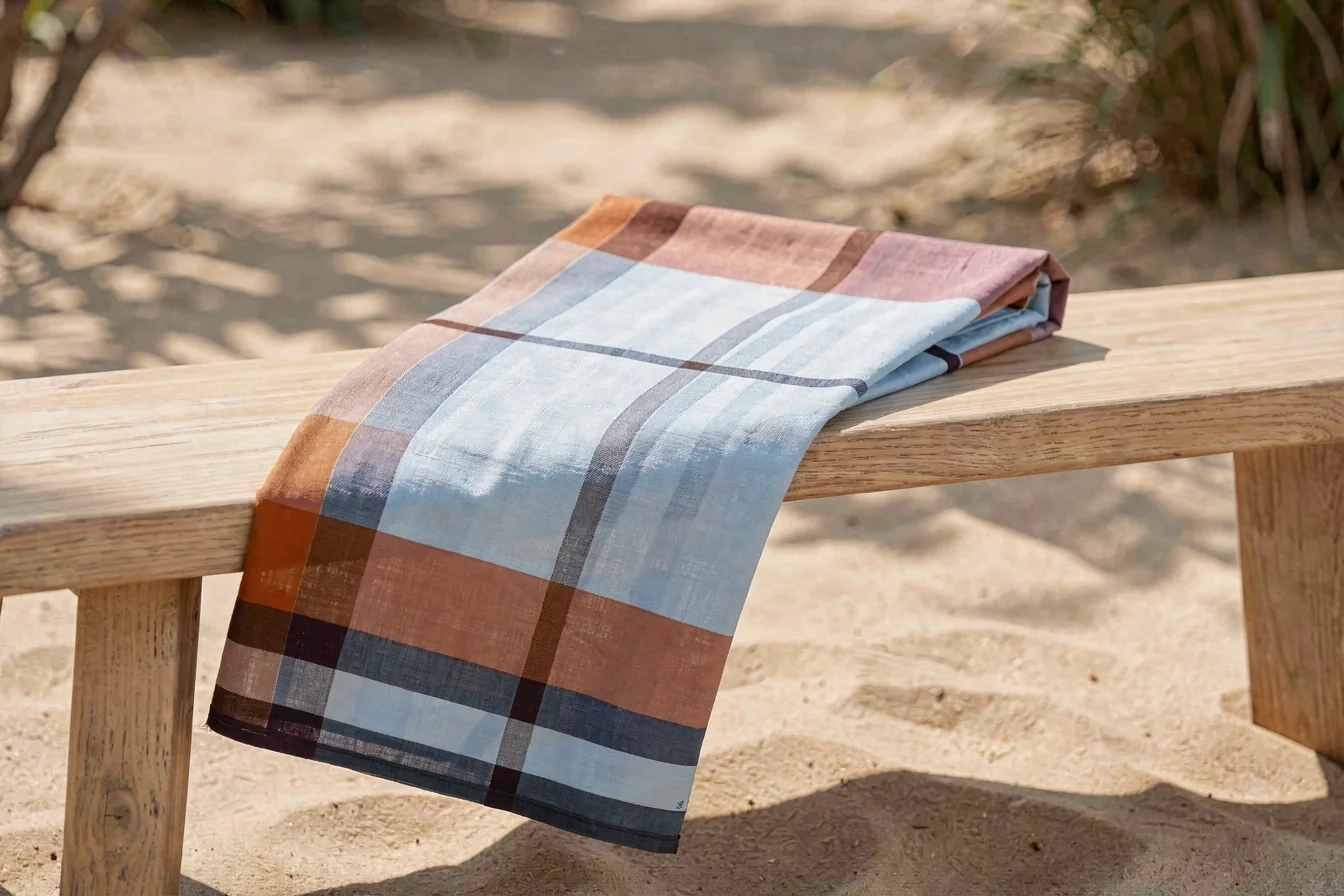
For buyers seeking deep cultural authenticity and ceremonial value, the men's traditional sarong is the optimal choice, especially for heritage and formal markets. If adaptability, trend-driven appeal, and broad lifestyle use are priorities, the contemporary sarong styles for men offers versatile solutions for mainstream and casual buyers. Google Trends indicates both styles are rising, but traditional sarongs maintain a slight lead for ceremonial and heritage contexts, while contemporary styles are gaining momentum for lifestyle and global fashion applications [1][2][4].
The sarong is a garment rich in cultural heritage, serving as both a practical and symbolic piece in Southeast Asia, the Pacific, and beyond. The men's traditional sarong embodies centuries-old craftsmanship, often made from cotton or silk, with intricate batik, songket, or hand-dyed patterns signifying status, tradition, and regional identity. It is favored in formal events, religious ceremonies, and as a symbol of modesty and respect [2][3][4]. The contemporary sarong styles for men , on the other hand, prioritizes modern design, lightweight materials, and versatile styling, appealing to buyers seeking casual, trend-driven, or global fashion solutions. This style is often digitally printed, uses synthetic blends, and is styled for beachwear, resort, or urban casual wear.
The procurement dilemma centers on the buyer’s primary use case: ceremonial vs. lifestyle. Traditional sarongs offer symbolic value, but may require more precise sourcing for authentic materials and motifs. Contemporary styles are easier to source in bulk, with rapid design iterations and global appeal, but may lack cultural depth. Both styles are rising in popularity, with traditional sarongs maintaining a slight lead in cultural markets and contemporary styles gaining in mainstream and export-focused sectors [1].
The urgency to make an informed decision lies in the evolving fashion landscape, where buyers must balance authenticity, durability, and market appeal to maximize value and supply-chain resilience.
| Feature | Men's Traditional Sarong | Contemporary Sarong Styles for Men |
|---|---|---|
| Cultural Value | High—symbolic, ceremonial, regional identity | Moderate—trend-driven, global appeal |
| Material | Cotton, silk, batik, songket | Synthetic blends, lightweight cotton, digital prints |
| Design | Handmade motifs, regional patterns | Modern prints, minimalist or bold designs |
| Target Market | Heritage, formal events, cultural buyers | Lifestyle, casual, global fashion |
| Procurement Complexity | High—requires authenticity, artisan sourcing | Low—bulk, rapid design iteration |
| Search Interest (2025–2026) | Slightly higher (81 in Nov 2025) | Strong growth, peaks at 77 in Nov 2025 |
Durability is a key factor for both men's traditional sarong and contemporary sarong styles for men . Traditional sarongs, crafted from natural fibers like cotton or silk, offer superior longevity and comfort, especially in humid climates. Handmade batik and songket motifs are often more resistant to wear and tear, but require careful maintenance to preserve color and pattern integrity [2][4]. Contemporary sarongs, usually made from synthetic blends or lightweight cotton, prioritize easy care and fast drying, making them ideal for frequent use and travel. However, synthetic blends may degrade more rapidly over time, especially with repeated washing.
Application scenarios further differentiate the two styles. Traditional sarongs excel in formal, ceremonial, and heritage contexts, often paired with traditional shirts or worn as a wraparound skirt for religious events or festivals. Contemporary styles are preferred for casual, resort, and urban lifestyles—offering flexibility in styling and rapid adaptation to changing trends. Buyers should consider the expected lifespan, maintenance requirements, and replacement frequency when calculating total cost of ownership.
For buyers seeking long-term value, traditional sarongs offer superior durability and cultural longevity, while contemporary styles deliver cost-effective, versatile solutions for frequent, casual use.
| Cost Factor | Men's Traditional Sarong | Contemporary Sarong Styles for Men |
|---|---|---|
| Initial Purchase Price | Higher ($25–$60 USD) | Lower ($12–$30 USD) |
| Maintenance | Hand wash, dry clean recommended | Machine wash, quick dry |
| Replacement Frequency | Low—lasts several years | Medium—replaced more often |
| Hidden Costs | Authenticity, artisan labor | Bulk logistics, trend volatility |
| 5-Year Cost Outlook | Lower replacement cost, higher initial outlay | Higher replacement cost, lower initial outlay |
Table data sourced from market analysis and buyer feedback [2][4].
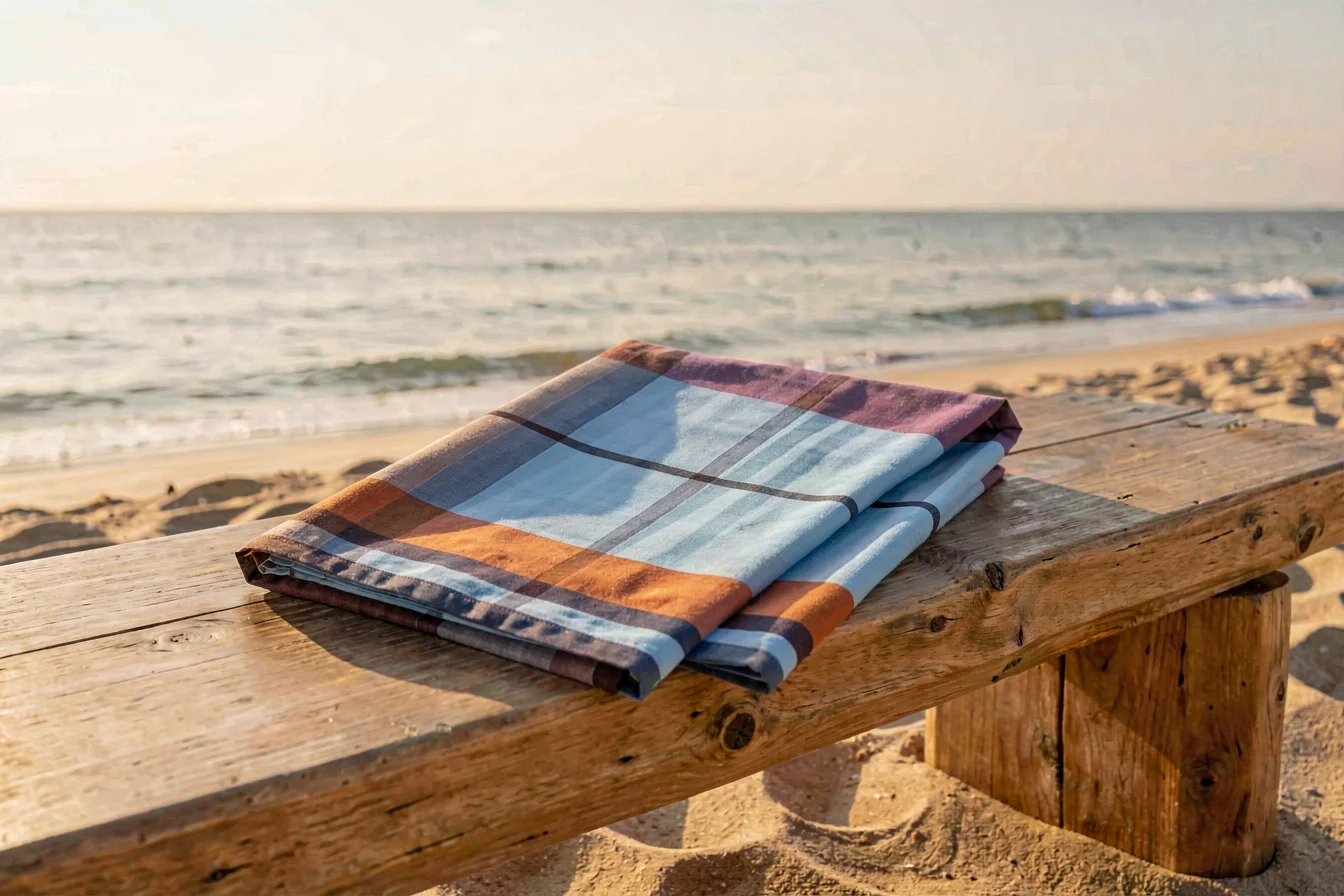
The sarong’s versatility bridges cultural heritage and modern fashion, making it a valuable procurement asset for both B2C and B2B buyers. In the current competitive landscape, the men's traditional sarong excels in heritage-centric and formal markets, while the contemporary sarong styles for men dominates lifestyle, casual, and export-focused segments. Google Trends data shows both styles peaking in late 2025 and early 2026, with traditional sarongs maintaining a slight lead during festive seasons, and contemporary styles rising in mainstream and global fashion [1].
The urgency for buyers is to align procurement with market demand, leveraging the strengths of each style for maximum supply-chain efficiency and cultural resonance.
Google Trends analysis reveals a steady rise in search interest for both men's traditional sarong and contemporary sarong styles for men throughout 2025 and 2026, with traditional sarongs consistently ahead, especially during cultural and festive seasons. Peaks occur in November and January, aligning with major festivals and gift-giving periods [1].
Search Interest over Time
Business recommendation: Buyers should time procurement cycles to coincide with peak search interest, especially during cultural and festive periods, to maximize sales and minimize inventory risk.
Reddit and TikTok reveal that buyers of men's traditional sarong often seek authenticity, quality materials, and accurate regional motifs, while lamenting the difficulty in finding genuine, well-made sarongs outside of Southeast Asia. Buyers of contemporary sarong styles for men prioritize comfort, style, and easy care, with a focus on versatility for travel and casual wear. Sentiment is generally positive, with frequent praise for the comfort and adaptability of both styles, but some frustration around authenticity and cultural respect.
Case Study 1: Traditional Sarong Buyer (Reddit, r/askSingapore)
A buyer in Singapore sought traditional clothing for a family gathering, emphasizing the need for quality, authenticity, and regional motifs. They expressed concern about the “pale and generic” look of contemporary fashion and the loss of cultural patrimoine, highlighting the value of traditional sarongs as a symbol of heritage. Direct quote:
“Today people mostly wear black and white, maybe a hint of gold. Back then the fabric could be pink, beige, light blue, it shows white on the pictures. Some dye would be very expensive such as green and purple, it was a symbol of wealth.” [6]
Case Study 2: Contemporary Sarong Buyer (Reddit, r/Bangkok)
A buyer in Bangkok sought a new wardrobe for the hot and humid climate, prioritizing comfort and versatility. They favored contemporary sarongs for their ease of care and rapid styling, noting that traditional sarongs were difficult to source locally and required careful maintenance. Direct quote:
“Lululemon or Uniqlo, great selection of weather appropriate clothing. If we are not talking about tuxedo etc lol.” [10]
Sentiment Overview Table:
| Dimension | Men's Traditional Sarong | Contemporary Sarong Styles for Men |
|---|---|---|
| Overall Satisfaction | High—authenticity, cultural pride | Moderate—comfort, versatility |
| Most Praised Feature | Cultural motifs, quality materials | Ease of care, rapid styling |
| Most Common Complaint | Difficult sourcing, maintenance | Lack of authenticity, trend volatility |
| Community Recommendation Rate | High for heritage events | High for casual, travel use |
Table data sourced from Reddit and TikTok sentiment analysis [6][10].
Viral content themes include debates on authenticity, cultural respect, and the impact of Western fashion on traditional attire. Recurring debate points: authenticity vs. trend-driven design, ease of care, and the loss of patrimoine. Cultural reception is strong for traditional sarongs in heritage contexts, while contemporary styles dominate in lifestyle and travel segments.
The procurement logic is clear: buyers must weigh authenticity and cultural value against comfort and versatility, aligning sourcing with end-use and regional demand.
Buyers should begin by clarifying their primary use case, target market, and budget. Key questions to ask:
Tiered Recommendations Table:
| Tier | Recommended Product | Key Reason |
|---|---|---|
| Budget-Friendly | Contemporary Sarong Styles for Men | Low cost, easy care, rapid styling |
| Mid-Range | Contemporary Sarong Styles for Men | Versatile, trend-driven, bulk sourcing |
| Premium | Men's Traditional Sarong | Cultural authenticity, artisan craftsmanship |
Table data sourced from market analysis and buyer feedback [2][4].
Optimization Tips:
Buyers should align sourcing with end-use, regional demand, and budget, leveraging bulk or artisanal procurement for optimal value.
Key insights from the analysis show that both men's traditional sarong and contemporary sarong styles for men are rising in global demand, with traditional sarongs maintaining a slight lead in ceremonial and heritage markets, and contemporary styles gaining momentum for mainstream and lifestyle applications. Google Trends data supports the urgency to time procurement cycles to peak search interest, especially during cultural and festive seasons. Reddit and TikTok sentiment confirm that buyers value authenticity, comfort, and versatility, but face challenges in sourcing genuine, well-made sarongs outside of Southeast Asia.
Forward-looking recommendation: Buyers should diversify procurement portfolios, sourcing both traditional and contemporary sarongs to capture both heritage and mainstream markets. For the next 6–12 months, prioritize bulk orders for contemporary styles to capitalize on trend-driven demand, while securing artisanal and certified traditional sarongs for ceremonial and heritage buyers. Share your experiences with traditional and contemporary sarongs to help shape market trends and cultural appreciation. Commercial buyers should leverage Alibaba.com for bulk sourcing, certification, and trend-driven design solutions.
Confident buyer action is essential: share your experience with both sarong styles to shape market trends, and commercial buyers should act now on Alibaba.com to secure bulk orders and certified products for maximum supply-chain resilience.