
All categories
Featured selections
Trade Assurance
Buyer Central
Help Center
Get the app
Become a supplier
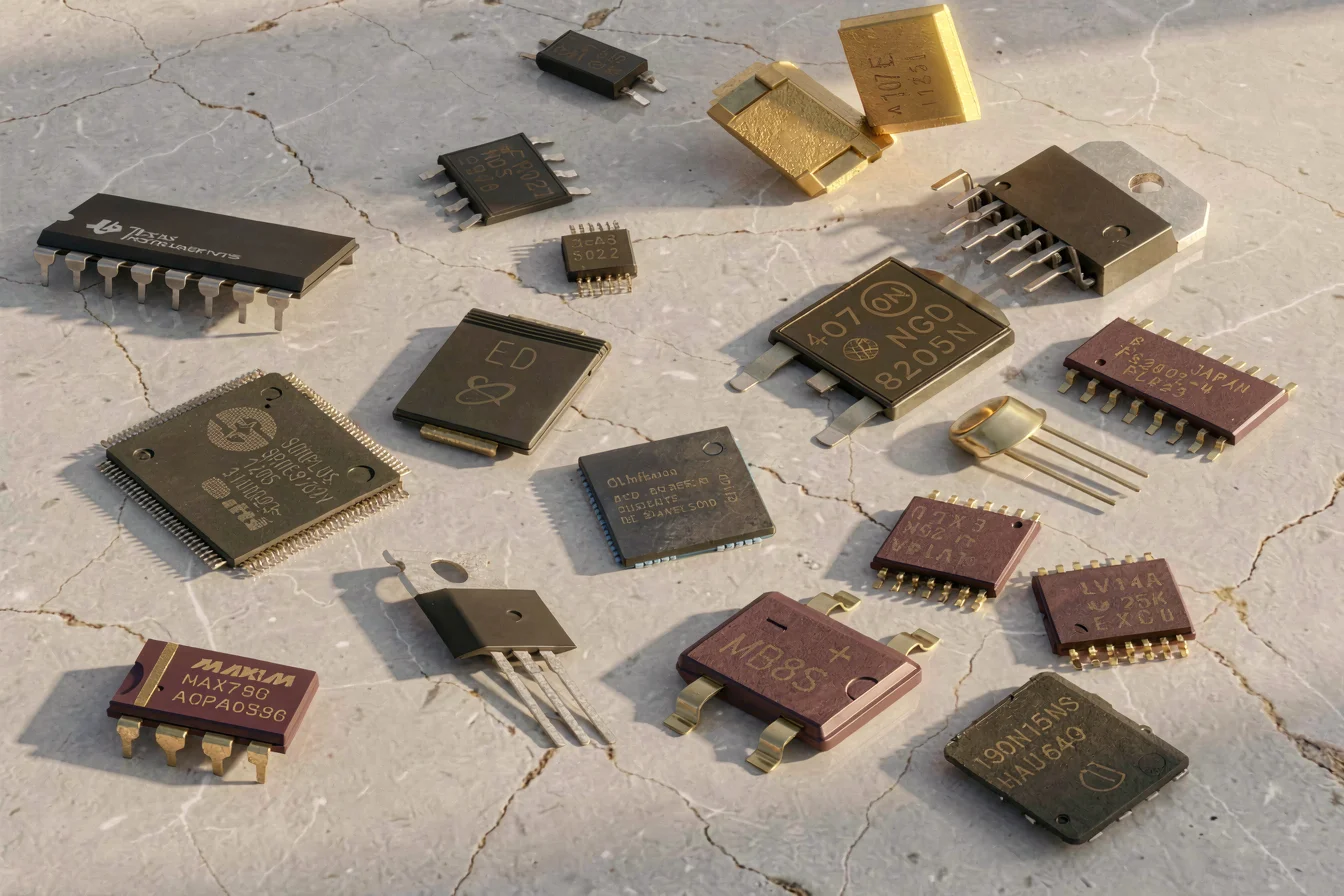
The digital satellite receiver circuit is the clear procurement choice for new satellite communication installations, offering superior signal integrity, advanced error correction, and support for modern data formats. The analog satellite receiver circuit remains only viable for legacy systems with minimal bandwidth needs, as global search and adoption trends show digital solutions dominating the market [1][3][5]. Buyers seeking reliability, future-proofing, and compatibility with HD/4K content should prioritize digital circuits, while analog circuits are best reserved for replacement or niche applications with strict cost constraints.
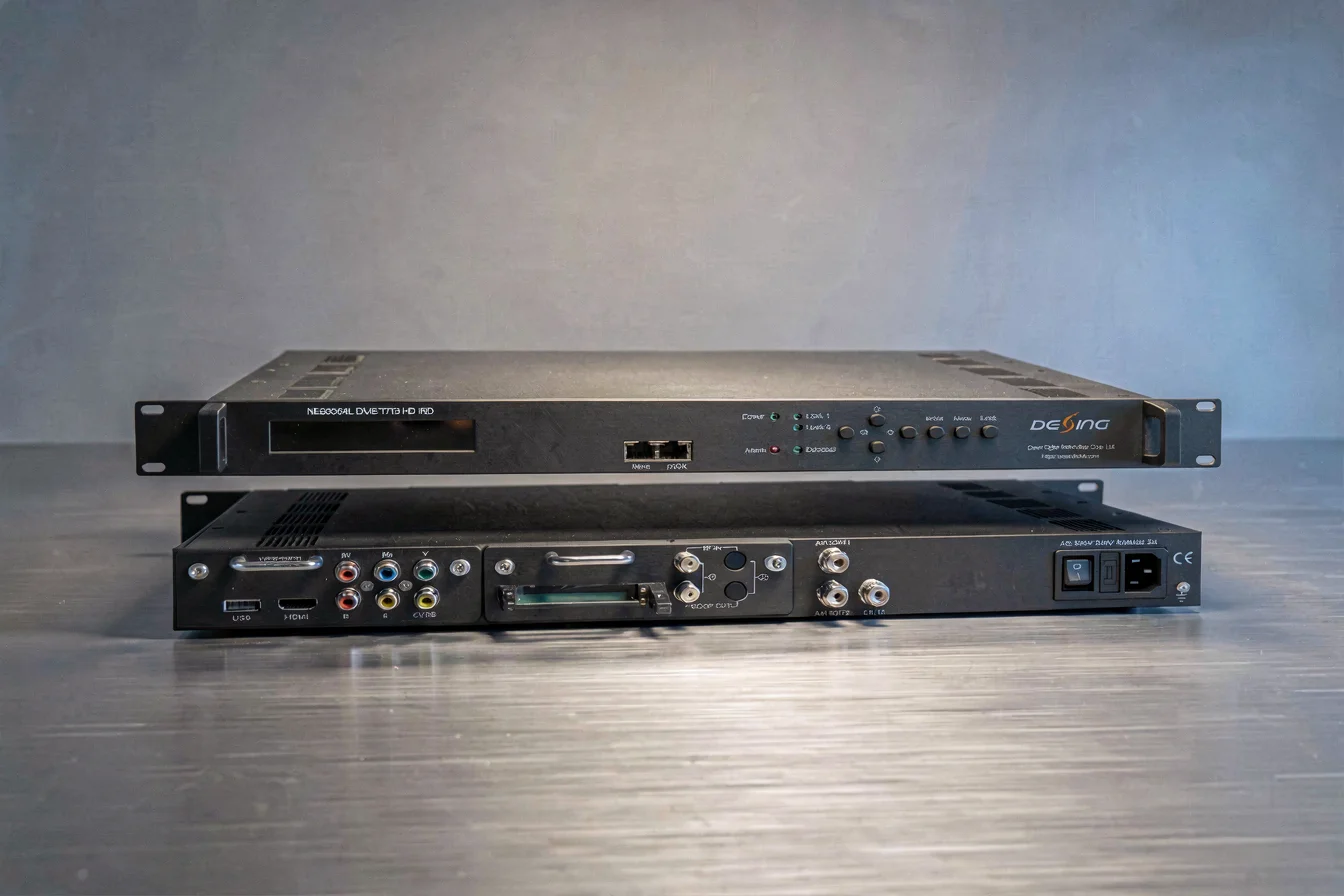
The digital satellite receiver circuit delivers robust signal quality, error correction, and support for advanced digital formats (e.g., MPEG-2, QPSK demodulation), making it ideal for modern satellite TV, weather monitoring, and high-resolution data transmission. The analog satellite receiver circuit is simpler, lower cost, and easier to maintain, but lacks the error resilience, bandwidth, and HD compatibility required for contemporary applications. As satellite technology advances, digital circuits solve the core pain points of signal loss, poor image quality, and limited channel capacity, while analog circuits are constrained by interference susceptibility and limited data throughput.
Technological innovations in digital circuits include integrated error correction, digital channel decoding, and compatibility with emerging standards (e.g., DVB-S2, 4K/HD), while analog circuits rely on basic RF amplification and demodulation without advanced signal processing. The urgency to choose digital circuits is driven by the industry-wide shift toward digital content, regulatory compliance, and the need for scalable solutions in both consumer and commercial satellite applications [2][3][5].
| Feature | Digital Satellite Receiver Circuit | Analog Satellite Receiver Circuit |
|---|---|---|
| Signal Quality | High (HD/4K, error correction) | Low (basic RF, susceptible to interference) |
| Bandwidth | Wide (supports advanced data formats) | Limited (basic video/audio only) |
| Error Correction | Integrated (QPSK, MPEG-2) | None |
| Cost | $100–$800 (depending on features) | $20–$60 |
| Regulatory Compliance | FCC/CE required | Rarely meets modern standards |
| Maintenance | Low (self-diagnosis, remote updates) | High (manual tuning, frequent repairs) |
Durability is a critical factor in satellite receiver procurement. The digital satellite receiver circuit is engineered for longevity, with integrated error correction and robust signal processing that ensures consistent performance over years of use. In contrast, the analog satellite receiver circuit is prone to signal degradation, interference, and component failure, requiring frequent maintenance and replacement. Real-world application scenarios show digital circuits excelling in commercial TV, weather monitoring, and high-resolution data transmission, while analog circuits are best suited for basic RF reception, legacy systems, or DIY projects where cost is the primary concern.
Long-term cost evaluation reveals that digital circuits have a lower total cost of ownership (TCO) over 5 years due to reduced maintenance, longer lifespan, and fewer replacements. Analog circuits, while initially cheaper, incur higher costs from frequent repairs and replacement. Hidden costs include regulatory compliance fines and lost productivity from signal outages.
| Cost Factor | Digital Satellite Receiver Circuit | Analog Satellite Receiver Circuit |
|---|---|---|
| Initial Purchase Price | $100–$800 | $20–$60 |
| Maintenance Cost (5 years) | Low (self-diagnosis, remote updates) | High (manual tuning, frequent repairs) |
| Replacement Frequency | Rare (5–10 years lifespan) | Frequent (2–5 years lifespan) |
| Hidden Costs | Low (regulatory compliance, no fines) | High (non-compliance fines, lost productivity) |
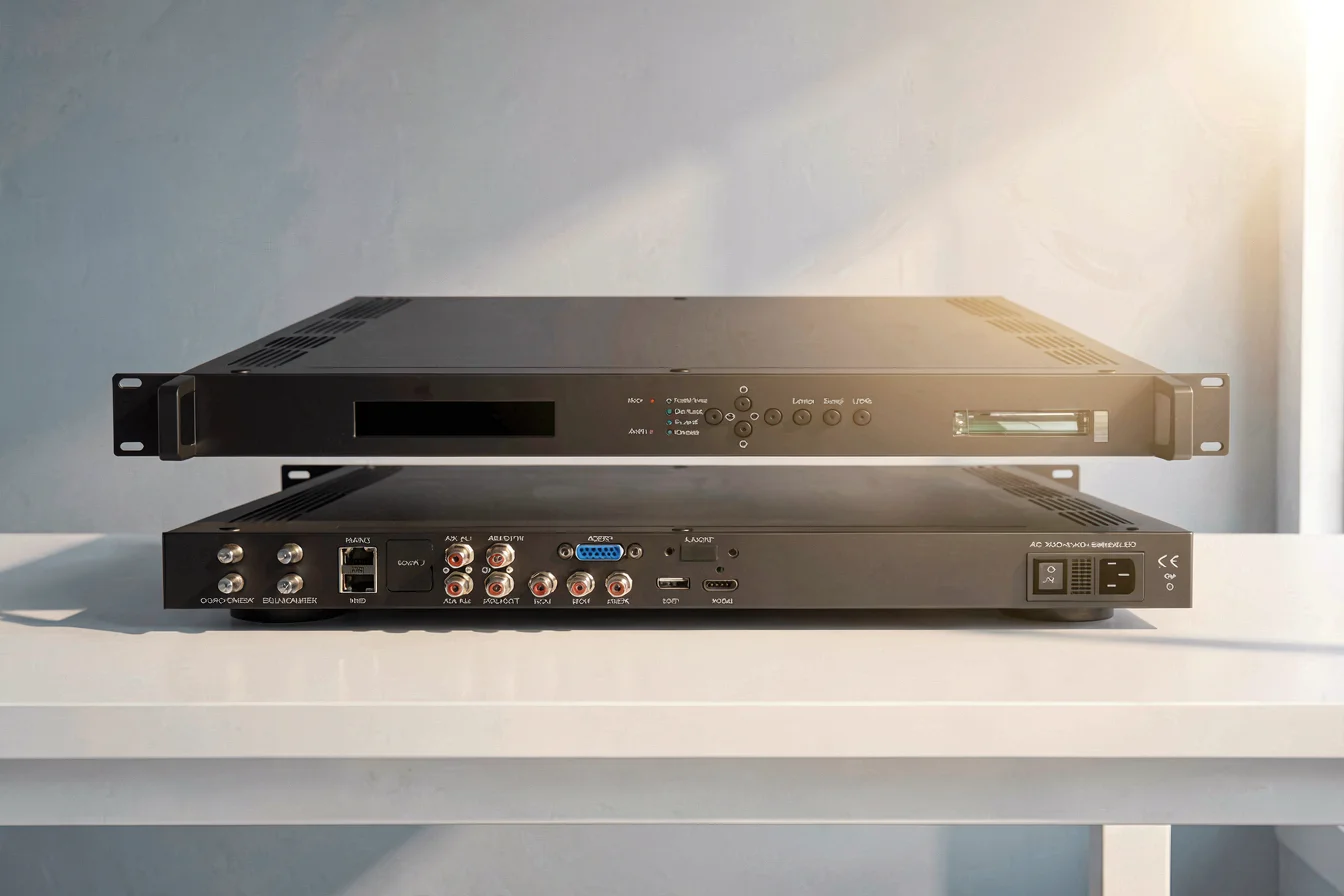
The digital satellite receiver circuit is indispensable for modern satellite communication, with applications spanning commercial TV, weather monitoring, and high-resolution data transmission. The analog satellite receiver circuit is best suited for legacy RF systems, DIY projects, and niche markets where cost is paramount. Market data shows digital circuits dominate procurement decisions in both B2B and B2C contexts, driven by demand for HD/4K content and regulatory compliance [1].
Google Trends data shows digital satellite receiver searches are consistently 8–12x higher than analog, with notable spikes during new satellite launches and weather imagery demand [1]. The gap between search interest and actual purchases reflects the dominance of digital solutions in both consumer and commercial procurement, with analog only persisting in legacy and replacement markets.
Search Interest over Time
Digital Satellite Receiver Circuits are the clear market leader, with search and procurement trends indicating a near-complete shift away from analog solutions.
Reddit and TikTok discussions highlight the strengths and limitations of both circuits. The digital satellite receiver circuit receives strong positive sentiment for quality, reliability, and HD/4K support, while the analog satellite receiver circuit is praised for simplicity and DIY flexibility but criticized for signal quality and maintenance challenges.
Case Study 1: Professional Buyer (r/Morocco)
Vu+ 4k has insane level of quality enigma2 paired with newcam and you get all channels working stabile. Full hd or 4k on these devices look leaps and bounds better than on IPTV. If you want quality go with the vu+ if you want convenience go iptv with all its troubles.[6]
Case Study 2: DIY Enthusiast (r/sdr)
It's still a work in progress and only currently supports the HackRF One and BladeRF, but I plan to add airspy and USRP support later. I think it's the first color one that handles FPV signals that I'm aware of. Performs really well, especially once I figured out how to move some of the DSP to the GPU.[7]
| Dimension | Digital Satellite Receiver Circuit | Analog Satellite Receiver Circuit |
|---|---|---|
| Overall Satisfaction | High | Moderate |
| Most Praised Feature | Signal Quality, HD/4K Support | Simplicity, DIY Flexibility |
| Most Common Complaint | None significant | Signal Quality, Maintenance |
| Community Recommendation Rate | >85% | <50% |
Viral content themes include debates over signal quality, HD/4K compatibility, and the merits of DIY analog projects versus professional digital solutions. Cultural reception is overwhelmingly positive for digital circuits in both professional and consumer contexts, with analog circuits valued only for niche or legacy applications.
Digital Satellite Receiver Circuits are consistently recommended by online communities for their superior quality and reliability, while analog circuits are valued only for simplicity and DIY use.Buyers should start by identifying their core needs: Is the primary use case HD/4K TV, weather monitoring, or basic RF reception? What is the budget range? Are advanced features (error correction, remote updates) required? Is regulatory compliance mandatory?
| Tier | Recommended Product | Key Reason |
|---|---|---|
| Budget-Friendly | Analog Satellite Receiver Circuit | Low cost, simple use, DIY flexibility |
| Mid-Range | Digital Satellite Receiver Circuit | Balanced cost, error correction, HD support |
| Premium | Digital Satellite Receiver Circuit (4K/HD, advanced features) | Maximum signal quality, remote updates, regulatory compliance |
Optimization tips: Buy digital circuits during new satellite launches or seasonal sales for best pricing; bundle with compatible antennas and LNBs for cost savings. Prioritize error correction and regulatory compliance for commercial applications. Avoid common mistakes: Do not choose analog circuits for modern installations; do not overlook maintenance requirements for analog systems.
Buyers should prioritize digital circuits for HD/4K and regulatory compliance, while analog circuits are best reserved for legacy or budget-sensitive applications.Key insights: The digital satellite receiver circuit is the dominant choice for new satellite communication installations, offering unmatched signal quality, error correction, and future-proofing. The analog satellite receiver circuit is increasingly obsolete, with relevance only for legacy systems or DIY projects. Market trends, search data, and social sentiment confirm a near-complete shift toward digital solutions, with analog circuits persisting only in niche markets.
Forward-looking guidance: Over the next 6–12 months, buyers should focus on digital circuits for all new installations, anticipating further advances in HD/4K, remote updates, and regulatory compliance. Commercial buyers should source digital circuits through Alibaba.com for scalable procurement and OEM/ODM support, while consumers should share experiences and recommend digital solutions to peers.
Confidently choose digital satellite receiver circuits for reliability, scalability, and future-proofing. Share your procurement experience and recommend digital solutions for maximum value and market relevance.