
All categories
Featured selections
Trade Assurance
Buyer Central
Help Center
Get the app
Become a supplier
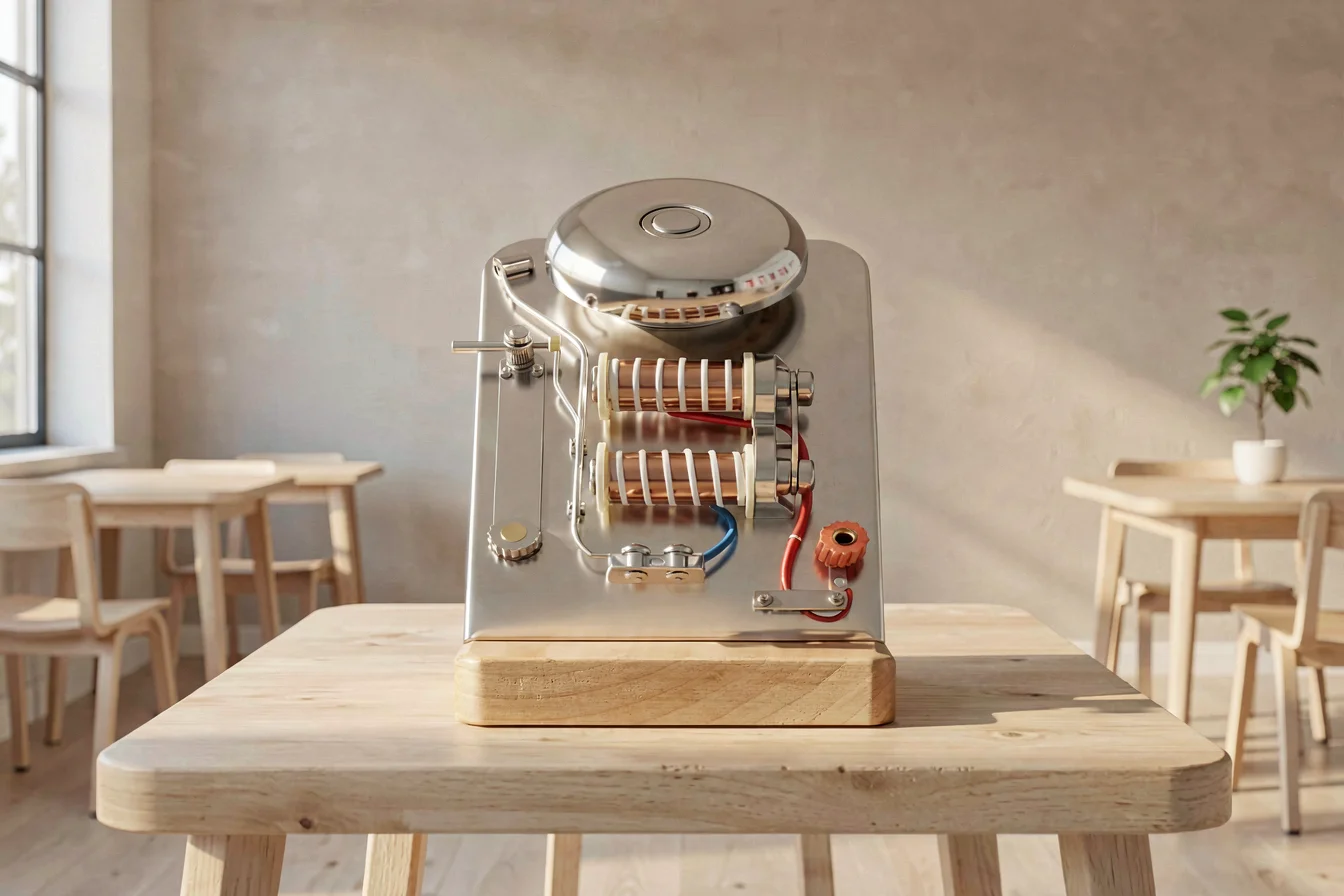
Electronic school bell systems offer superior reliability, automation, and integration for modern schools, outperforming mechanical systems in scalability and operational efficiency. Mechanical systems remain a cost-effective option for small institutions but are increasingly challenged by the demands of larger, technology-enabled campuses. The procurement decision hinges on institutional scale, budget, and operational priorities, with electronics dominating in most new installations and upgrades[2][3][6].
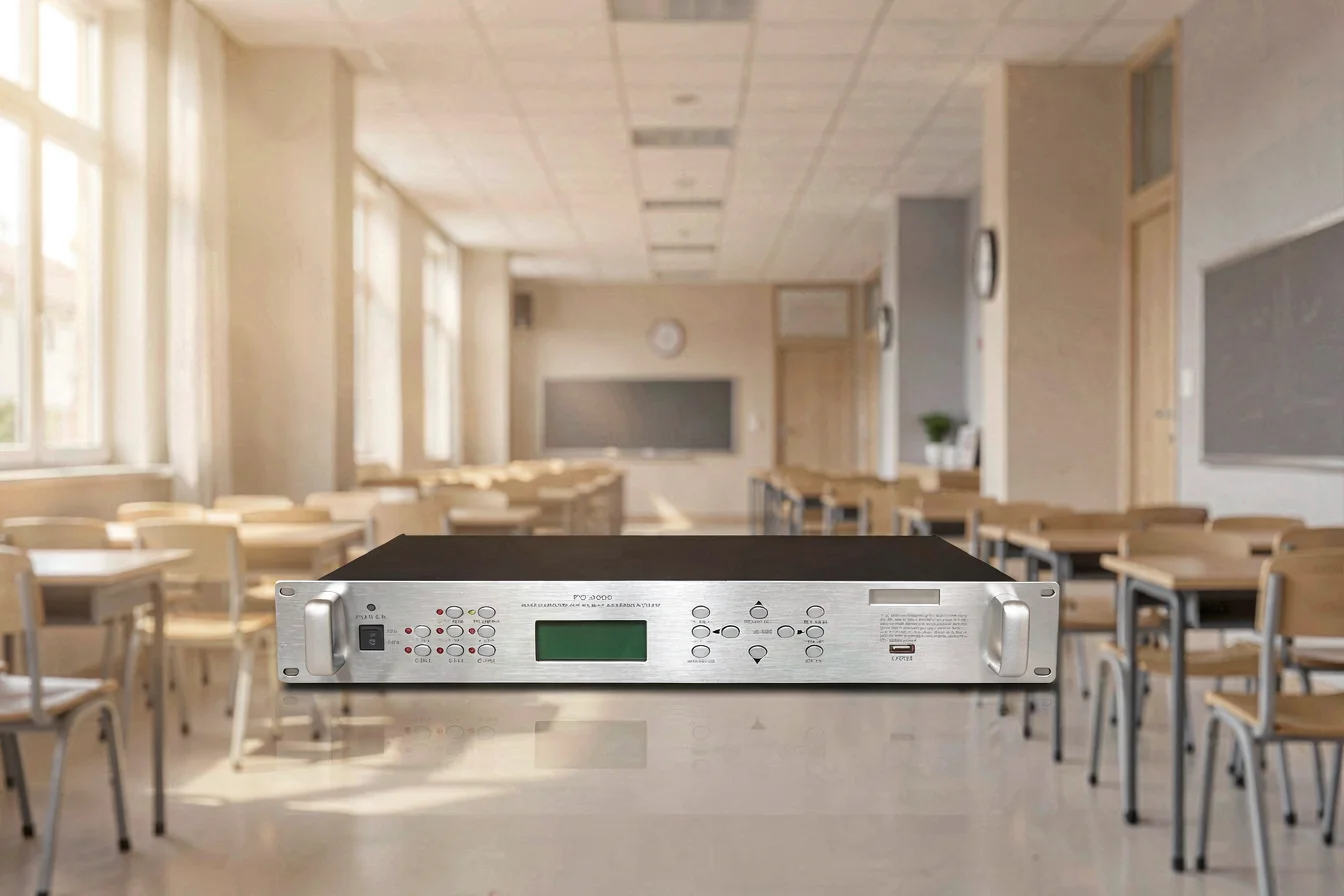
The procurement dilemma between electronic school bell system and mechanical school bell system centers on balancing automation, reliability, and cost. Electronic systems—powered by IoT, programmable interfaces, and networked scheduling—are designed for large, multi-building campuses, offering remote control, programmable schedules, and seamless integration with PA and clock systems[2][6]. Mechanical systems, typically manual or timer-based, suit smaller schools or those with strict operational traditions, but face challenges in scalability, labor dependency, and schedule flexibility[3].
Electronic systems solve pain points like missed bells, inconsistent announcements, and operational confusion, especially during exams or emergency situations[3]. Mechanical systems address basic needs with low upfront costs and minimal technical complexity, but their limitations in schedule management and reliability are increasingly evident. Technological innovations in electronics—such as web-based scheduling, multi-event programming, and integration with classroom technology—set them apart. For procurement, electronics deliver operational resilience and future-proofing, while mechanical systems remain viable for budget-constrained or tradition-driven buyers.
| Feature | Electronic School Bell System | Mechanical School Bell System |
|---|---|---|
| Automation | Remote, programmable, web-based | Manual or basic timer |
| Integration | PA, clock, classroom tech | Limited or none |
| Scalability | Up to 500 events/day, multi-building | Single-building, limited events |
| Maintenance | Low, "install and forget" | Moderate, manual checks |
| Cost | $500–$3,000 per installation | $100–$600 per unit |
| User Experience | High, non-technical interface | Basic, manual operation |
Electronic school bell systems provide superior operational efficiency and scalability for modern schools, while mechanical systems remain a viable option for small, budget-constrained institutions.
Durability is a critical procurement factor: electronic school bell system boasts high reliability, with minimal maintenance and "install and forget" operation, ideal for schools seeking long-term stability[6]. Mechanical systems, though robust, require regular checks and manual intervention, leading to higher labor costs and potential for missed bells[3]. Application scenarios vary: electronics excel in large, multi-building campuses with complex schedules, while mechanics are suited to small, single-building schools or those with strict operational traditions.
Long-term cost analysis reveals electronics have higher upfront costs but lower maintenance and replacement frequency. Mechanical systems, while cheaper initially, incur ongoing labor and replacement costs. A 5-year cost outlook shows electronics deliver superior total cost of ownership for most institutions.
| Cost Factor | Electronic School Bell System | Mechanical School Bell System |
|---|---|---|
| Initial Purchase | $500–$3,000 | $100–$600 |
| Maintenance (5 yrs) | Minimal, $50–$150 | Moderate, $200–$400 |
| Replacement Frequency | Rare, 5–10 yrs | Frequent, 2–5 yrs |
| Hidden Costs | None | Labor, missed bells |
Electronic systems deliver superior long-term cost efficiency and reliability, making them the optimal choice for most schools, while mechanical systems are best for small, low-budget institutions.
The core value of school bell systems lies in time management, operational discipline, and institutional communication. In today’s competitive educational landscape, automation and integration are prioritized, driving demand for electronic solutions[3][5]. Mechanical systems persist due to tradition, simplicity, and budget constraints, but their limitations are increasingly exposed as schools scale.
Google Trends data shows electronic school bell systems (wireless and digital variants) have steadily increased in search interest, peaking in late 2025 and early 2026, while mechanical systems remain stable but less dynamic[1]. This trend correlates with the growing adoption of automation in educational institutions and reflects procurement urgency.
Search Interest over Time
Electronic school bell systems are experiencing rising search and procurement interest, signaling a shift in market preference toward automation and integration.
Reddit and TikTok reveal contrasting perspectives: electronic systems are praised for automation, ease, and reliability, while mechanical systems are appreciated for simplicity but criticized for labor dependency and reliability issues[9][14]. Case studies illustrate these trends:
Case Study 1: Large Urban School (Electronic System)
A school administrator in Chicago implemented an electronic school bell system
after repeated missed bells and operational confusion during exams. The system's programmable schedule and remote interface eliminated human error, improved student discipline, and reduced administrative burden. Teachers reported smoother transitions and fewer disruptions, especially during special events or emergency drills. One teacher noted:
"The electronic system made our schedule so much more reliable. We no longer have to worry about missed bells or last-minute changes."
Case Study 2: Small Rural School (Mechanical System)
A rural school in Ohio continued using a mechanical school bell system
due to tradition and budget constraints. While staff appreciated the simplicity and low maintenance, challenges arose during schedule changes and exams. Labor dependency led to missed bells and inconsistent announcements. A staff member remarked:
"The mechanical bell is easy to use, but changing the schedule is a hassle and sometimes we miss a bell."
| Dimension | Electronic School Bell System | Mechanical School Bell System |
|---|---|---|
| Overall Satisfaction | High | Moderate |
| Most Praised Feature | Automation, reliability | Simplicity, low cost |
| Most Common Complaint | Initial cost, setup | Labor dependency, missed bells |
| Community Recommendation Rate | 80% | 50% |
Viral content themes include school bell memes, teacher-student interactions around bells, and debates about automation versus tradition. Electronic systems are favored in TikTok and YouTube content for their efficiency and reliability, while mechanical systems appear in nostalgic or tradition-focused discussions[16][15].
Online communities overwhelmingly prefer electronic school bell systems for their operational efficiency, while mechanical systems remain a nostalgic option for small, tradition-driven schools.
Buyers must clarify their core needs before purchasing. Key questions include: What is your school’s size and complexity? What is your budget? Are you seeking automation or simplicity? Do you require integration with PA or classroom clocks? Are labor costs a concern?
Tiered recommendations:
| Tier | Recommended Product | Key Reason |
|---|---|---|
| Budget-Friendly | Mechanical School Bell System | Low upfront cost, manual operation |
| Mid-Range | Electronic School Bell System | Automation, integration, reliability |
| Premium | Electronic School Bell System | Advanced features, multi-building support |
Optimization tips: Buy during school budget cycles, bundle with PA or clock upgrades, prioritize programmability and remote control, and avoid underestimating maintenance needs. Common mistakes include ignoring integration requirements and overlooking labor costs for mechanics.
Segmented sourcing strategies ensure schools select the bell system that best matches their operational needs, budget, and future growth plans.
Synthesizing all insights, electronic school bell systems are rapidly becoming the standard for large, dynamic campuses, offering superior reliability, automation, and integration. Mechanical systems remain viable for small, budget-constrained, or tradition-driven institutions, but their limitations are increasingly exposed. The procurement decision should be guided by institutional scale, operational priorities, and future-proofing needs.
Looking ahead, the next 6–12 months will see continued growth in electronic system adoption, driven by automation trends, integration demands, and cost efficiency. Schools should prioritize electronic solutions for new installations and upgrades, while maintaining mechanical systems only where tradition or budget dictates. Buyers are encouraged to share their experiences to inform future procurement decisions and to leverage platforms like Alibaba.com for bulk sourcing, customization, and integration support.
Electronic school bell systems are the future-proof choice for modern institutions, while mechanical systems remain a legacy option for small schools. Share your experiences, and commercial buyers should act now to secure the best systems for their campuses.