
All categories
Featured selections
Trade Assurance
Buyer Central
Help Center
Get the app
Become a supplier
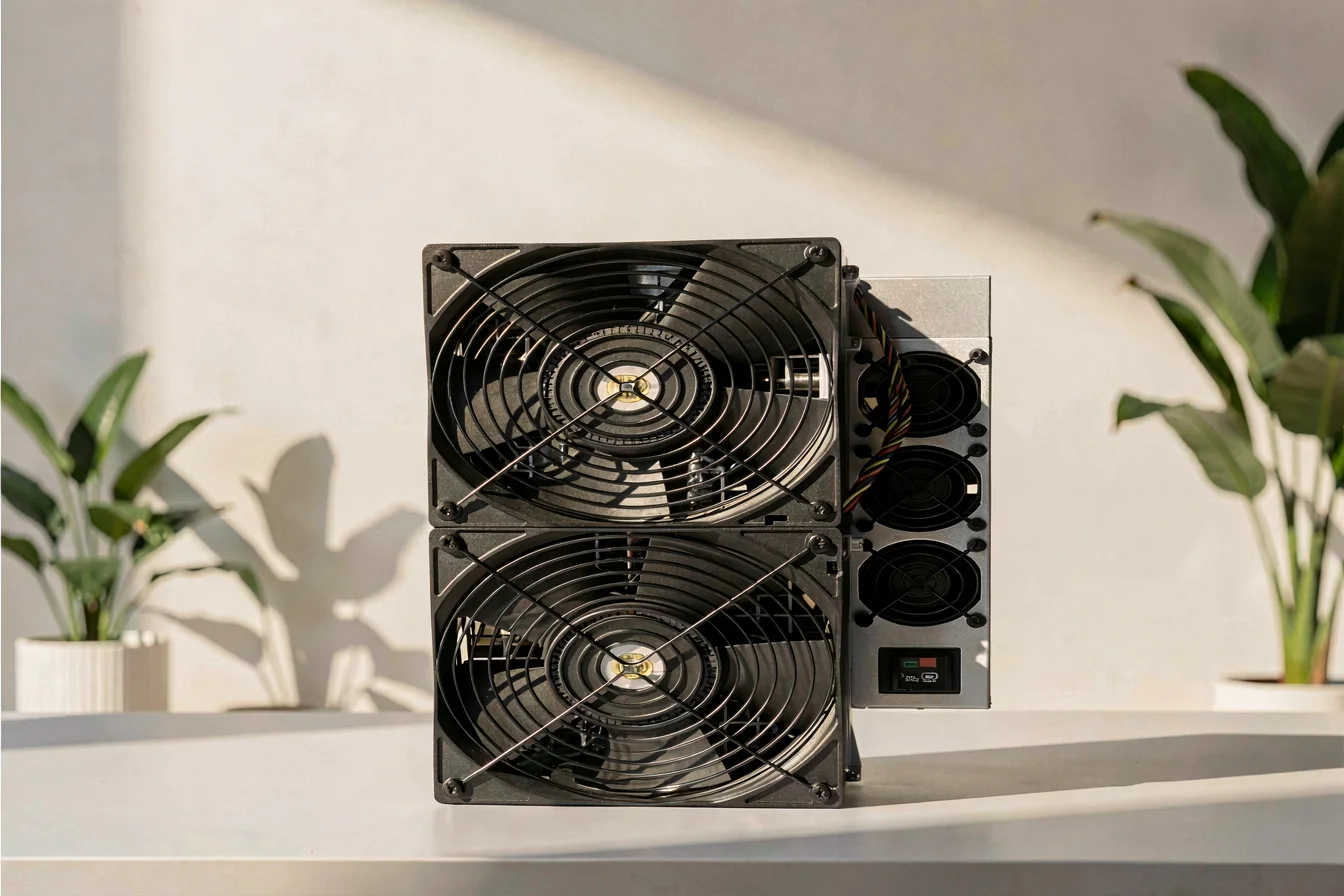
The procurement decision between a second hand bitcoin miner and a new bitcoin miner hinges on risk tolerance, efficiency, and long-term ROI. New miners deliver superior reliability, higher efficiency, and future-proofing, making them optimal for scalable operations. Second-hand miners offer immediate affordability but carry higher risk of hidden defects and shorter lifespan, appealing to budget-constrained or speculative buyers. Market momentum is clearly shifting toward new miners, especially as Bitcoin network difficulty rises and efficiency gaps widen [1][2][4].
The Bitcoin mining equipment market is highly competitive, with buyers weighing upfront cost, operational efficiency, and risk. Second hand bitcoin miner units are typically used by new entrants or small-scale operators seeking immediate access to mining, while new bitcoin miner models attract investors and large-scale miners prioritizing reliability, longevity, and future-proofing. The procurement dilemma lies in balancing cost with risk: second-hand units are cheaper but carry uncertainty regarding their actual condition, hidden defects, and warranty coverage. New units, though costly, offer verified performance, longer lifespan, and OEM support.
Technological innovations in ASIC chips have accelerated efficiency gains, with newer miners achieving 10–20% higher hash rates and lower power consumption than older models [4]. Second-hand miners, often running on older chipsets, may suffer from corrosion, hashboard failures, and firmware issues, especially if they have been operated in high-stress environments. New miners are designed for optimal thermal management and often include features like remote monitoring, advanced cooling, and modular upgrades. The urgency for buyers is to match their operational goals—whether rapid deployment or sustainable ROI—with the right procurement strategy.
| Feature | Second Hand Bitcoin Miner | New Bitcoin Miner |
|---|---|---|
| Upfront Cost | Low ($550–$850) | High ($2,000–$6,000) |
| Efficiency | Lower (10–20% less hash rate) | Higher (Latest ASIC chips) |
| Warranty | Rarely included | OEM warranty available |
| Failure Rate | Up to 15% within 12 months | Low (1–3% within 12 months) |
| Scalability | Limited by older chipsets | High (modular upgrades) |
New Bitcoin miners offer superior efficiency, reliability, and warranty, but second-hand units remain a viable option for risk-tolerant buyers seeking immediate affordability.
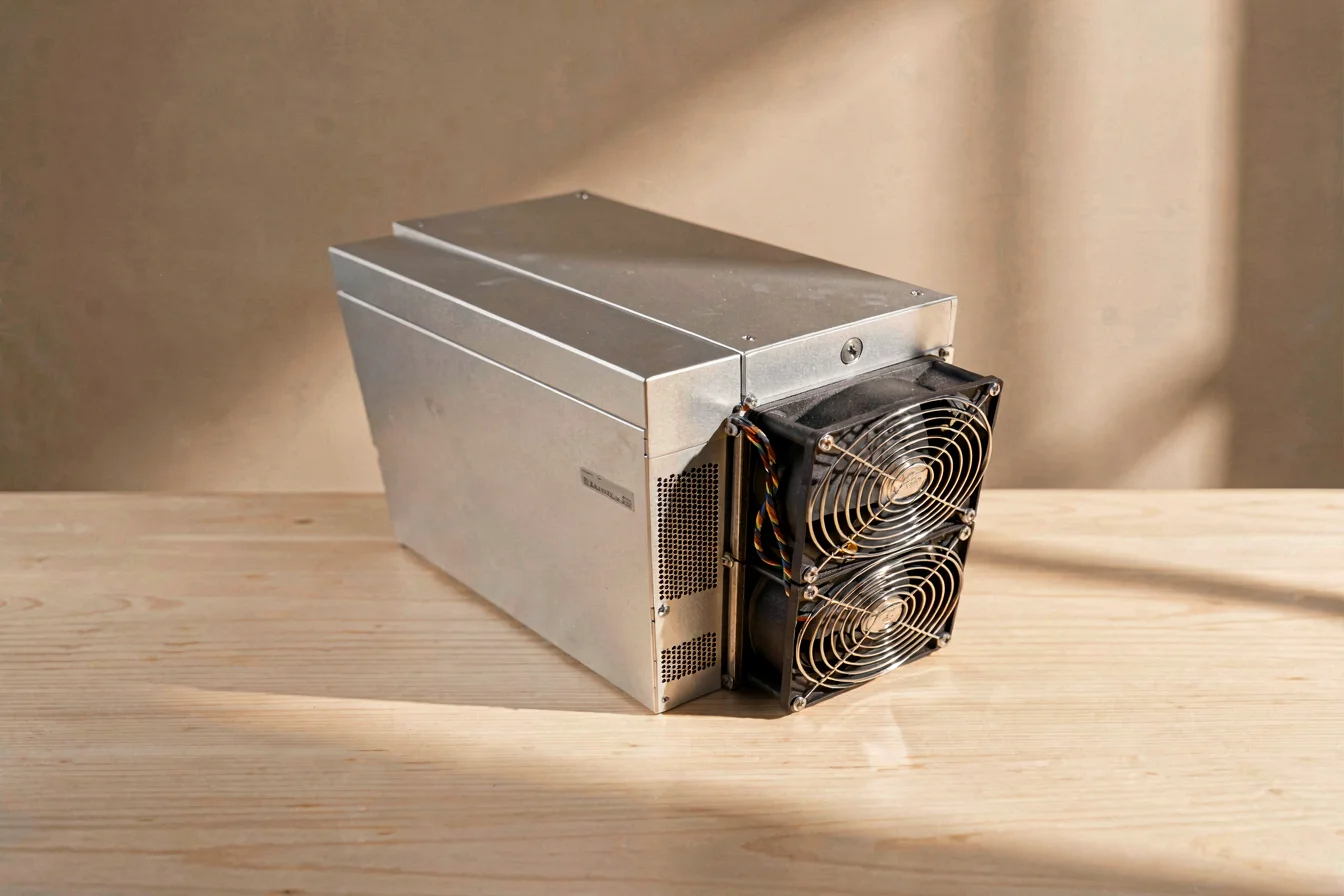
Durability is a critical procurement factor for both second hand bitcoin miner and new bitcoin miner buyers. Second-hand units often exhibit signs of wear from prior operation—corrosion, hashboard damage, and overheating are common, especially if they have been operated in poorly maintained environments [4]. New miners, by contrast, are engineered for optimal thermal management and long-term performance, with failure rates typically below 3% in the first year.
Application scenarios differ sharply. Second-hand miners are best suited for small-scale, low-risk operations, or for those seeking to enter the market with minimal capital. New miners are ideal for scalable operations, commercial farms, and buyers prioritizing ROI and reliability. Maintenance costs for second-hand units can be significantly higher, with frequent repairs and replacement cycles, while new miners require less intervention and offer predictable maintenance schedules.
A five-year cost outlook shows that while second-hand miners offer immediate savings, their higher maintenance, replacement, and downtime costs often offset the initial price advantage. New miners, despite higher upfront investment, deliver lower total cost of ownership and greater operational uptime, especially as Bitcoin network difficulty rises and efficiency gains compound.
| Cost Factor | Second Hand Bitcoin Miner | New Bitcoin Miner |
|---|---|---|
| Initial Purchase Price | $550–$850 | $2,000–$6,000 |
| Maintenance | $100–$300/year | $50–$150/year |
| Replacement Frequency | Every 2–3 years | Every 5–7 years |
| Downtime/ROI Loss | High (up to 15% failure rate) | Low (1–3% failure rate) |
| Hidden Costs | Warranty risk, repair unpredictability | OEM support, predictable maintenance |
Durability and long-term costs favor new miners for commercial buyers, but second-hand units may suit risk-tolerant, budget-constrained operators.
The Bitcoin mining equipment category delivers value by enabling rapid entry into cryptocurrency mining for both individual and commercial buyers. In today’s landscape, urgency is driven by Bitcoin’s rising network difficulty and the need for operational efficiency. Each product excels in distinct scenarios:
Market trends show a steady increase in search volume for new miners, reflecting their growing appeal amid Bitcoin’s network difficulty surge [1]. Second-hand miner interest remains steady but low, suggesting a niche market for risk-tolerant buyers.
Google Trends data reveals a sharp rise in search interest for “New ASIC Bitcoin Miner” (value 100 in Jan 2026), while “Second Hand ASIC Bitcoin Miner” remains steady but low (13–19) [1]. This indicates a clear shift in buyer intent toward new equipment, driven by rising efficiency demands and Bitcoin network difficulty.
Search Interest over Time
Search momentum for new miners is accelerating, signaling a market shift toward efficiency and reliability.
Social media and Reddit discussions reveal contrasting perspectives. Second-hand miner buyers often express skepticism about condition, warranty, and hidden defects. New miner buyers praise efficiency and reliability but lament high upfront costs. Viral content themes include debates over ROI, operational risks, and the practicality of using old miners for alternative purposes.
Case Study 1: Reddit user “MiningRig” purchased a used M31S+ for $550, citing the high price of new units and the risk of hidden defects. “New equipment costs 2 or 3 times more simply because they make more Bitcoin. They are usually more efficient, faster, or both.” Despite a one-month warranty, the user warned about potential hashboard failures and the need for careful seller vetting [5].
Case Study 2: Reddit user “CryptoMarkets” described a commercial miner selling 1000 old S9 units, highlighting the difficulty in salvaging value and the risk of “DOA” units. “Selling them is always possible. Just list the condition honestly and as a «for parts» listing without any warranty implied.” The user noted that scrap value and repurposing (e.g., space heating, pool mining) are common strategies for old miners [6].
“I have a Bitmain Antminer KS5 Pro for sale. Used 8 months. $850.” [5]
“Buying used equipment can be a shot in the dark unless you personally know the type of environment it's been running in or trust the seller/repair shop doing the ‘refurbishing’.” [5]
| Dimension | Second Hand Bitcoin Miner | New Bitcoin Miner |
|---|---|---|
| Overall Satisfaction | Mixed; risk of hidden defects | High; reliable performance |
| Most Praised Feature | Affordability | Efficiency, warranty |
| Most Common Complaint | Hidden defects, short lifespan | High upfront cost |
| Community Recommendation Rate | Low (risk-averse buyers) | High (commercial buyers) |
Community sentiment favors new miners for reliability, but second-hand units remain popular among risk-tolerant buyers seeking affordability.
Viral themes include debates over ROI, operational risks, and the practicality of using old miners for alternative purposes. TikTok and YouTube content often highlight repair challenges, hashboard failures, and the importance of careful seller vetting for second-hand units.
To optimize procurement, buyers should ask themselves:
Tiered recommendations:
| Tier | Recommended Product | Key Reason |
|---|---|---|
| Budget-Friendly | Second Hand Bitcoin Miner | Immediate affordability, low upfront cost |
| Mid-Range | Second Hand Bitcoin Miner (with warranty) | Balanced risk/reward, moderate efficiency |
| Premium | New Bitcoin Miner | Superior efficiency, reliability, future-proofing |
Optimization tips:
The Bitcoin mining equipment market will continue to favor new miners as network difficulty rises and efficiency gains compound. For the next 6–12 months, buyers should prioritize new miners for scalable operations, reliable ROI, and future-proofing, while second-hand units remain viable for risk-tolerant, budget-constrained buyers seeking immediate access. Commercial buyers should leverage wholesale platforms like Alibaba.com for volume discounts, OEM support, and supply-chain resilience.
Confident buyers should act decisively: share your experience with new or second-hand miners to inform the community, and commercial buyers should engage with Alibaba.com to secure reliable, future-proof equipment at competitive prices.