
All categories
Featured selections
Trade Assurance
Buyer Central
Help Center
Get the app
Become a supplier
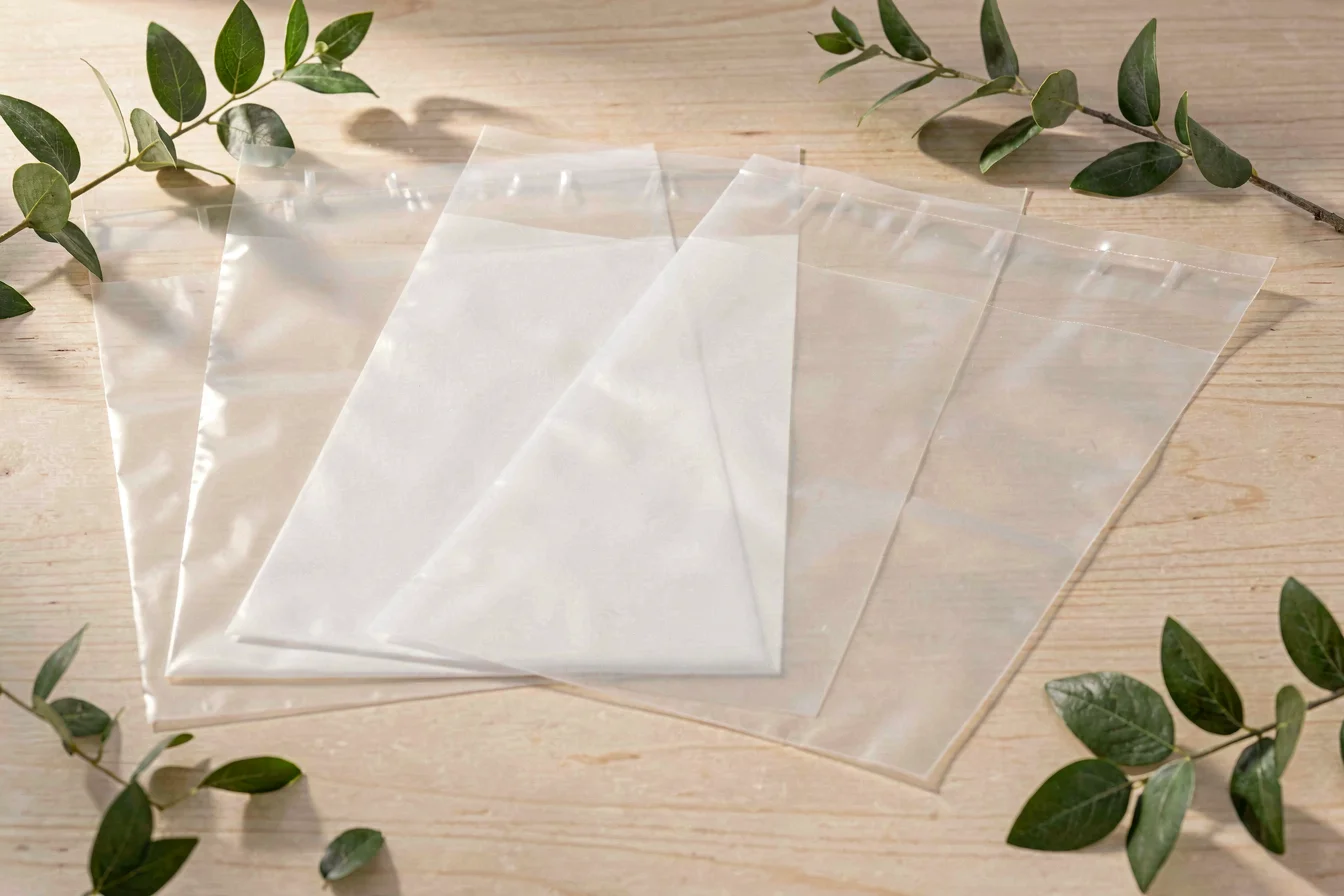
Retail packaging self adhesive plastic bags deliver strong sealing and display versatility, ideal for branding and bulk shipments, but face sustainability scrutiny and usability issues for disabled customers. Food storage variants prioritize freshness, airtight seals, and moisture resistance, with vacuum-sealed bags showing rising demand due to consumer concerns about shelf life and safety. Buyers must align procurement with end-use requirements, compliance standards, and market trends, as food storage bags outpace retail packaging in search interest and innovation[1][2][3].
The self adhesive plastic bag category addresses two core procurement dilemmas: visual branding and bulk distribution for retail packaging, versus freshness preservation and safety for food storage. Self adhesive plastic bag for retail packaging targets merchandising, shipping, and brand visibility, with features like hang holes and zippers for retail display and ease of use[2][3]. Self adhesive plastic bag for food storage focuses on moisture and oxygen barrier, often incorporating vacuum seal technology or reinforced adhesive layers for extended shelf life[4]. The urgency of decision-making is heightened by regulatory shifts, environmental concerns, and evolving consumer expectations.
Core differences include sealing method, material choice, and application focus. Retail packaging bags typically use polyethylene (LDPE/HDPE), delivering high clarity and flexibility for branded products, while food storage bags often use OPP with coatings for humidity and oxygen barrier[3][4]. Retail bags are designed for frequent reuse and bulk handling, while food storage bags must ensure airtight seals to prevent spoilage and contamination. Traditional challenges for retail packaging include sustainability regulations and usability for disabled shoppers, while food storage bags must pass safety certifications and address consumer concerns about plastic leaching[6][8].
Technological innovations include vacuum seal and adhesive strip technology for food storage, and custom hang holes and zippers for retail packaging. The procurement logic is shaped by the need to balance cost, compliance, and end-user experience. Buyers must weigh initial price, durability, and long-term replacement frequency against brand impact and regulatory risk.
| Feature | Retail Packaging Bag | Food Storage Bag |
|---|---|---|
| Material | LDPE/HDPE (Polyethylene) | OPP with moisture/oxygen barrier |
| Sealing Method | Zipper or hang hole, adhesive strip | Vacuum seal or reinforced adhesive |
| Primary Application | Branding, display, bulk shipping | Freshness, shelf life, moisture protection |
| Durability | Moderate, frequent reuse | High, airtight, longer shelf life |
| Certifications | Brandable, bulk shipping | FDA, BPA-free, compostable |
| Price Tier | Lower (bulk, frequent replacement) | Higher (specialized sealing, longer shelf life) |
The procurement decision hinges on matching bag features to end-use requirements, with food storage bags gaining momentum due to consumer demand for freshness and safety, while retail packaging bags must navigate sustainability and accessibility concerns.
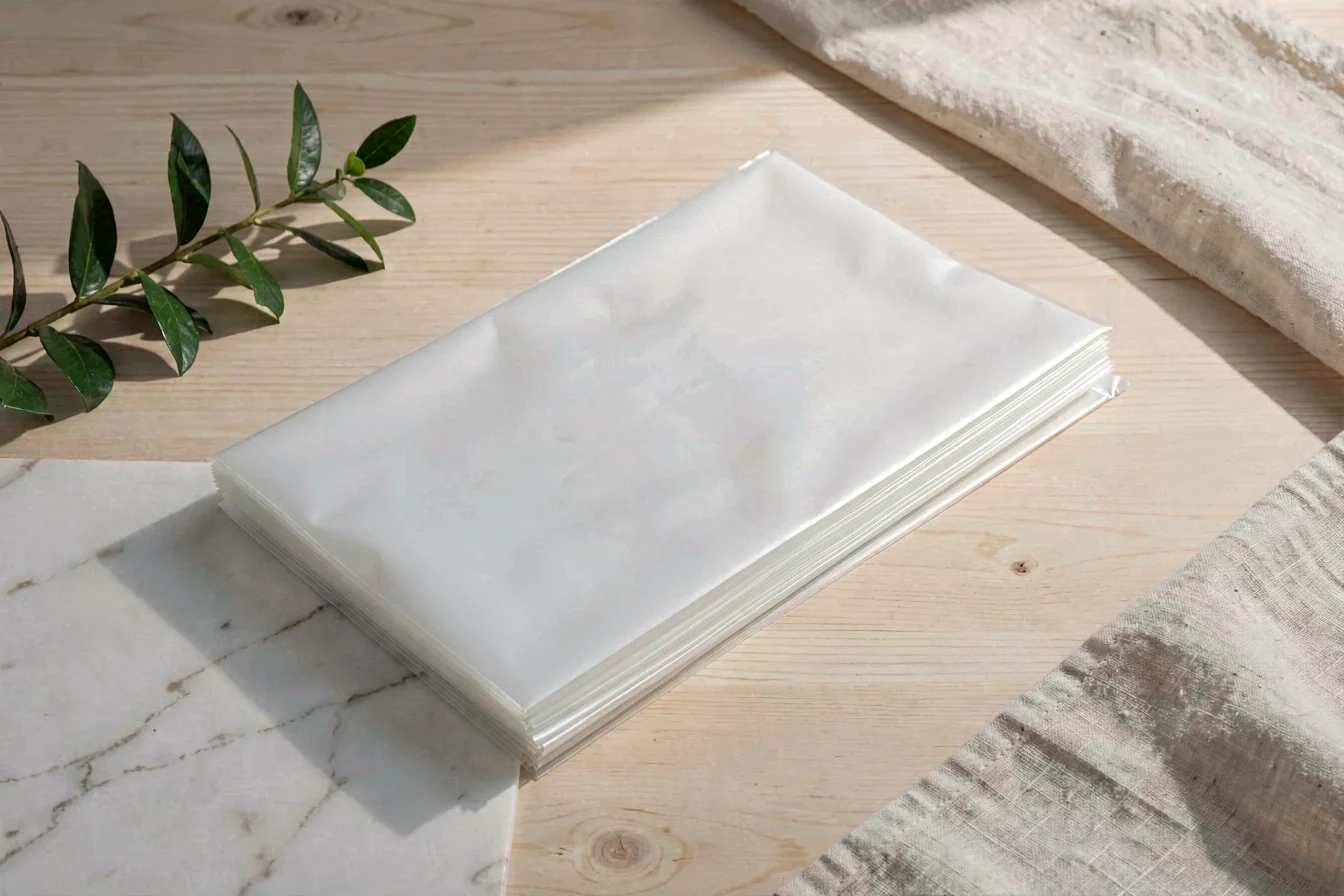
Durability is a critical procurement factor, as self adhesive plastic bag for retail packaging typically serves shorter cycles, with frequent reuse and exposure to handling, while self adhesive plastic bag for food storage must withstand extended periods of storage, often requiring airtight seals to prevent spoilage and contamination[4][6]. Retail packaging bags are engineered for clarity, flexibility, and branding, with thickness typically 1.4–2 mil and moisture resistance for short-term display[3]. Food storage bags use OPP with coatings for humidity and oxygen barrier, often with vacuum-seal technology for maximum shelf life[4]. Both types face challenges: retail bags must endure repeated handling, while food storage bags must resist punctures, moisture, and leaching.
Application scenarios diverge sharply: retail packaging bags excel in branded merchandising, bulk shipping, and retail display, while food storage bags are ideal for pantry organization, long-term preservation, and safekeeping perishables[6][9]. Hidden costs include replacement frequency (retail bags replaced more often due to wear), disposal regulations, and compliance with food safety standards for storage bags. Buyers must consider total cost of ownership, including initial purchase price, maintenance, replacement frequency, and hidden costs like recycling fees or regulatory fines.
| Cost Factor | Retail Packaging Bag | Food Storage Bag |
|---|---|---|
| Initial Purchase Price | Lower ($0.02–$0.06/unit) | Higher ($0.03–$0.10/unit) |
| Replacement Frequency | Frequent (every 6–12 months) | Less frequent (every 1–2 years) |
| Maintenance | Minimal (cleaning, reuse) | Moderate (cleaning, airtight checks) |
| Hidden Costs | Recycling fees, regulatory fines | Compliance, disposal, safety certifications |
| 5-Year Total Cost | $1.20–$3.00 (bulk retail) | $1.50–$5.00 (food storage, premium) |
Long-term cost is shaped by replacement frequency, compliance requirements, and hidden disposal fees, with food storage bags commanding higher upfront costs but lower replacement frequency and greater safety assurance.

The self adhesive plastic bag category delivers value by addressing distinct retail and food storage pain points. In the current market, urgency is driven by sustainability regulations, consumer demand for transparency, and the need for reliable packaging solutions. Self adhesive plastic bag for retail packaging excels in branded merchandising, display, and bulk shipping, while self adhesive plastic bag for food storage is critical for pantry organization, long-term preservation, and safekeeping perishables[6][9].
The optimal application depends on end-use requirements: retail packaging bags maximize brand impact and display, while food storage bags prioritize freshness and safety for long-term storage.
Google Trends data shows food storage bags with vacuum seal feature rising sharply in search interest, peaking at 94 in February 2026, while retail packaging bags with zipper or hang hole remain steady but face seasonal fluctuations[1]. This indicates growing consumer demand for food storage bags, especially those with advanced sealing technology, while retail packaging bags are subject to regulatory scrutiny and sustainability bans. Procurement behavior follows search interest, with buyers prioritizing food storage bags for shelf life and safety, and retail packaging bags for branding and bulk shipping.
Search Interest over Time
Procurement strategy should prioritize food storage bags with vacuum seal technology, as search interest and consumer demand are rising, while retail packaging bags face regulatory and sustainability challenges.
Reddit and TikTok data reveal contrasting user experiences: retail packaging bags face negative sentiment around plastic waste and usability for disabled shoppers, while food storage bags are praised for durability and shelf life but criticized for potential leaching and cleaning challenges[7][8][9]. Case studies illustrate these pain points and expectations.
Retail packaging bags are essential for disabled shoppers and bulk transport, but their environmental impact and usability challenges dominate user discussions. Food storage bags are valued for their freshness and safety but face skepticism about plastic leaching and cleaning.
Case Study 1: Retail Packaging Bag (r/retailhell)
A retail employee recounts the challenges of plastic bag bans, noting the impact on disabled shoppers and fixed-income customers. The sentiment is mixed: some support bans for environmental reasons, while others criticize the inconvenience and accessibility issues.
"I have had customers in the past come in in a wheelchair and if we didn't have bags for them to hang their stuff off their wheelchair to get out the door with it, then they wouldn't have been able to come and shop on their own." [7]
"I honestly wish we didn't have bags, that way these morons can suffer a bit too." [7]
Case Study 2: Food Storage Bag (r/PlantBasedDiet, r/preppers)
A plant-based dieter discusses pantry organization, emphasizing the need for durable, airtight bags for dry goods. Preppers highlight the importance of vacuum-sealed bags for long-term food storage, but express concerns about plastic leaching and cleaning.
"All dried goods, beans, lentils, rice and so on can be mixed up, date wise, if not older than a year. My pantry is full and the kitchen has all sorts of glass jars with the dried goods in it. If almost empty I replenish the jar with stock from the pantry." [6]
"Silicone is considered a plastic and can leach silicates into your food when heated up. I would use glass storage." [8]
| Dimension | Retail Packaging Bag | Food Storage Bag |
|---|---|---|
| Overall Satisfaction | Mixed (accessibility vs. environmental concerns) | Positive (durability, shelf life) |
| Most Praised Feature | Convenience for disabled shoppers | Airtight seal, freshness |
| Most Common Complaint | Environmental impact, usability | Plastic leaching, cleaning |
| Community Recommendation Rate | Low (due to bans and bans) | High (for pantry and preppers) |
Viral content themes include debates about plastic bans, accessibility, and the safety of silicone and plastic storage bags. Cultural reception shows retail packaging bags facing stricter scrutiny, while food storage bags are celebrated for their role in pantry organization and emergency preparedness[6][9].
Social pulse reveals retail packaging bags are essential but controversial, while food storage bags are valued for their durability and shelf life but face skepticism about plastic safety and cleaning.
Buyers must identify core needs through a checklist before purchasing:
Tiered recommendations:
| Tier | Recommended Product | Key Reason |
|---|---|---|
| Budget-Friendly | Retail Packaging Bag | Low cost, bulk shipping, branding |
| Mid-Range | Food Storage Bag | Airtight seal, moisture barrier, moderate price |
| Premium | Vacuum-Sealed Food Storage Bag | Maximum shelf life, safety, premium branding |
Optimization tips:
Buyers should match bag features to end-use requirements, budget, and compliance standards, with food storage bags commanding premium pricing but offering superior safety and shelf life.
Key insights from all sections reinforce the need for buyers to align procurement with end-use requirements, regulatory compliance, and consumer expectations. Food storage bags with vacuum seal technology are gaining momentum due to rising demand for freshness and safety, while retail packaging bags face stricter sustainability scrutiny and accessibility challenges. Forward-looking recommendations include prioritizing food storage bags for pantry organization and emergency preparedness, and sourcing retail packaging bags with branded features and accessibility enhancements. Buyers should monitor regulatory shifts, invest in compliance certifications, and leverage platform insights to optimize procurement decisions.
Confident buyer action is essential: share your experiences to shape market trends, and commercial buyers should source directly from Alibaba.com for tailored solutions, bulk pricing, and compliance assurance.