
All categories
Featured selections
Trade Assurance
Buyer Central
Help Center
Get the app
Become a supplier
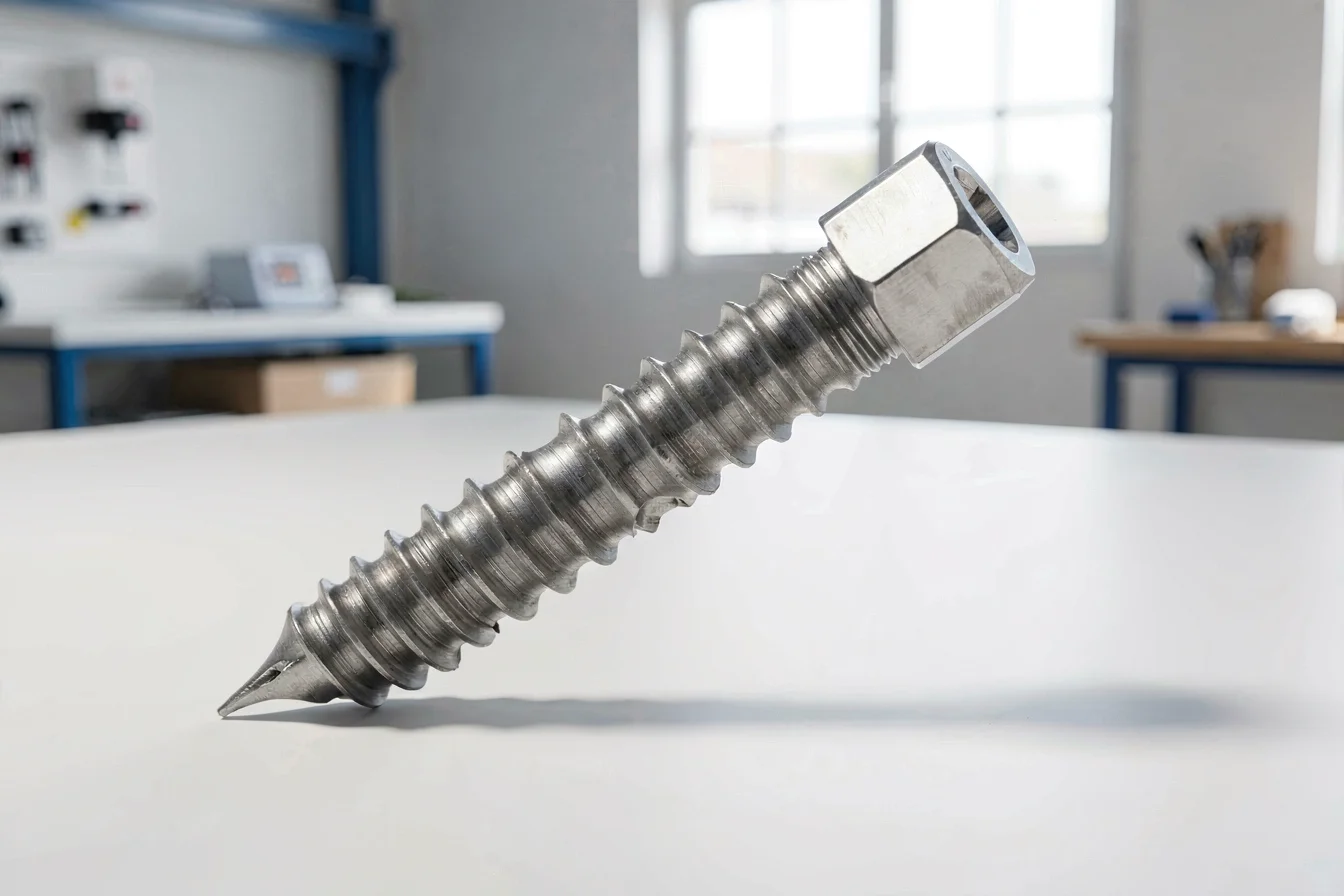
The choice between a self reversing screw and a standard screw depends on the application's need for motion control versus universal compatibility. Self reversing screws excel in winding, automation, and precision tasks, offering seamless reversal and reduced system complexity[2][3]. However, standard screws dominate mass-market procurement due to standardized sizing, interchangeability, and low cost[5]. Buyers must weigh specialized efficiency against universal compatibility when sourcing for their supply chain.
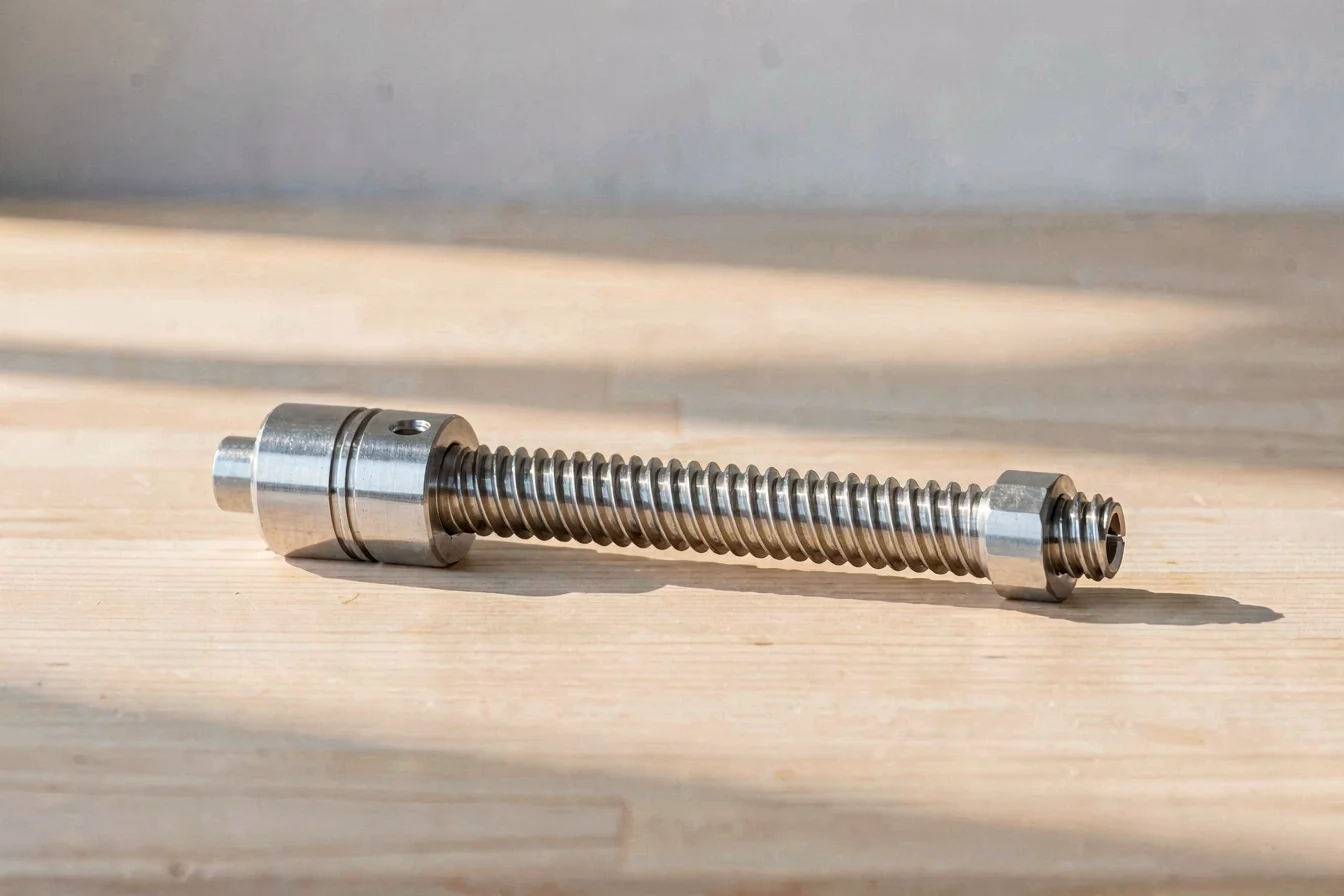
The fundamental value of this category lies in the ability to tailor mechanical motion solutions for diverse industrial and commercial needs. Self reversing screws are engineered for seamless direction reversal in winding, spooling, and automation, reducing system complexity and downtime by integrating the reversal mechanism directly into the screw assembly[3][4]. They are ideal for high-precision applications such as cable winding, textile layering, and offshore winching, where uniform layering and tension control are critical[3]. In contrast, standard screws offer universal compatibility, rapid procurement, and cost efficiency, serving as the backbone of general assembly across automotive, electronics, construction, and furniture sectors[5].
The procurement dilemma centers on balancing specialized efficiency with universal fit. Self reversing screws require custom manufacturing, longer lead times (5–7 weeks), and project-specific sourcing, while standard screws are mass-produced, immediately available, and universally compatible. Technological innovations in self reversing screws focus on compact design, reduced maintenance, and seamless reversal, whereas standard screws prioritize interchangeability and cost optimization[2][3][4].
| Feature | Self Reversing Screw | Standard Screw |
|---|---|---|
| Motion Control | Seamless reversal, integrated mechanism | Manual reversal, external control needed |
| Design Complexity | Compact, simplified, no external components | Standard, requires external clutches/switches |
| Maintenance | Low, reduced downtime | Moderate, frequent checks |
| Lead Time | 5–7 weeks (custom) | Immediate (mass-produced) |
| Application | Winding, automation, precision layering | General assembly, universal compatibility |
| Cost | Premium, project-driven | Low, mass-market |
Self Reversing Screws deliver superior motion control for specialized tasks, but Standard Screws remain the dominant choice for universal compatibility and cost efficiency.
Durability is a critical procurement factor: self reversing screws are typically manufactured in mild steel, stainless steel, bronze, or aluminum, offering high resistance to wear and corrosion in demanding environments[4]. Their integrated mechanism ensures consistent performance and long-term reliability in winding and automation, with minimal maintenance required. Standard screws are standardized and mass-produced, available in a wide range of materials and finishes, but their durability depends on application and environmental factors. Standard screws are often subject to stripping, corrosion, and thread wear, especially in high-frequency or heavy-load applications[5][6].
Application scenarios further define the optimal choice: self reversing screws excel in winding, spooling, textile layering, and offshore winching, where seamless reversal and precision are essential[3]. Standard screws are best for general assembly, furniture restoration, electronics, automotive, and construction, where universal compatibility and rapid procurement are paramount[5][6].
Long-term cost evaluation must account for initial purchase price, maintenance, replacement frequency, and hidden costs. Self reversing screws are premium and require custom manufacturing, but their reduced downtime and simplified design lower overall maintenance costs. Standard screws are low-cost, mass-produced, but may incur higher replacement and maintenance costs in demanding environments.
| Cost Factor | Self Reversing Screw | Standard Screw |
|---|---|---|
| Initial Purchase | Premium, custom pricing | Low, mass-market pricing |
| Maintenance | Low, reduced downtime | Moderate, frequent checks |
| Replacement Frequency | Low, robust design | High, environmental wear |
| Hidden Costs | Custom manufacturing, lead time | Compatibility, thread wear |
| 5-Year TCO | Lower (maintenance, downtime) | Higher (replacement, compatibility) |
Durability and application context strongly favor Self Reversing Screws for specialized tasks, while Standard Screws remain optimal for universal assembly and cost-sensitive projects.
The core value of this category is its ability to support diverse industrial and commercial needs with tailored mechanical solutions. In today's competitive landscape, self reversing screws are increasingly demanded in automation, precision winding, and offshore winching, where seamless reversal and reduced system complexity are essential[3]. Standard screws remain the backbone of mass-market assembly, serving universal compatibility and cost efficiency in automotive, electronics, construction, and furniture sectors[5].
Market trends show rising demand for Self Reversing Screws in automation and precision sectors, while Standard Screws remain dominant for universal compatibility and cost efficiency.
Google Trends data reveals that standard screws consistently lead in search volume, peaking at 92 in November 2025, while self reversing screws show moderate but rising interest, peaking at 66 in January 2026[1]. The gap indicates strong demand for universal compatibility, but increasing awareness of specialized motion control solutions.
Search Interest over Time
Standard Screws maintain dominant search interest, but Self Reversing Screws are gaining momentum in technical and automation markets.
Reddit and TikTok data highlight real-world pain points and use cases for both products. For standard screws , users report frustration with compatibility, measurement errors, and thread wear in furniture restoration and DIY projects[6][7]. In contrast, self reversing screws are praised for simplifying automation and reducing downtime in winding and precision layering, but custom manufacturing and lead times are noted as challenges[2][3][4].
Case Study 1: Furniture Restoration and DIY A Reddit user attempting to restore vintage chairs and tables encountered measurement errors and compatibility issues with standard screws, highlighting the importance of thread gauge and standard sizing[6]. Community advice emphasized measuring and checking compatibility, rather than assuming universal fit.
"The standards are designed that the part will match each other from manufacturer to manufacturer. That's why every manufacturer has its own standards, without considering other related standards. So, don't assume that the screws from one chair will 'fit' the other furniture pieces." — Reddit, r/furniturerestoration [6]
Case Study 2: Industrial Automation A Reddit user in the engineering memes community praised the concept of self-reversing screws for automation, noting their efficiency and simplicity in winding and layering. However, custom manufacturing and lead times were cited as challenges for project-driven buyers[9].
"Finally, a self-driving screw. So stupid, I love it 😹" — Reddit, r/engineeringmemes [9]
| Dimension | Self Reversing Screw | Standard Screw |
|---|---|---|
| Overall Satisfaction | High in automation, moderate in DIY | High in universal fit, moderate in precision |
| Most Praised Feature | Seamless reversal, reduced downtime | Universal compatibility, rapid procurement |
| Most Common Complaint | Custom manufacturing, lead time | Compatibility, thread wear |
| Community Recommendation Rate | High for automation, moderate for DIY | High for universal fit, moderate for precision |
Viral content themes include memes about self-driving screws, debates on thread standards, and practical tips for measuring and compatibility. Cultural reception is positive for automation and precision, but standard screws remain the go-to for universal fit and cost efficiency.
Social pulse confirms Self Reversing Screws are favored for automation and precision, while Standard Screws dominate universal fit and cost-sensitive applications.
Before purchasing, buyers should identify their core needs by asking:
Tiered recommendations:
| Tier | Recommended Product | Key Reason |
|---|---|---|
| Budget-Friendly | Standard Screw | Universal compatibility, low cost, rapid procurement |
| Mid-Range | Standard Screw | Universal fit, moderate maintenance, cost efficiency |
| Premium/Project-Driven | Self Reversing Screw | Precision automation, seamless reversal, reduced downtime |
Optimization tips:
Buyers should align sourcing strategy with application needs, budget, and lead time tolerance for optimal procurement outcomes.
Synthesizing key insights, self reversing screws are gaining traction in automation, precision winding, and offshore winching, offering seamless reversal and reduced downtime[2][3]. Standard screws remain dominant in universal compatibility, mass-market assembly, and cost efficiency[5]. Market trends show rising interest in self-reversing solutions, but standard screws maintain search and purchasing dominance[1].
Looking ahead, buyers should anticipate increased adoption of self reversing screws in automation and precision sectors, while standard screws will continue to serve universal assembly needs. Procurement strategies should prioritize application context, budget, and lead time tolerance, with custom sourcing for specialized projects and bulk purchasing for mass-market needs. Buyers are encouraged to share experiences, provide feedback, and leverage Alibaba.com for wholesale sourcing and technical support.
Confident procurement depends on aligning product choice with application context, budget, and market trends — buyers should act decisively, leveraging specialized sourcing for precision tasks and universal fit for cost-sensitive projects.