
All categories
Featured selections
Trade Assurance
Buyer Central
Help Center
Get the app
Become a supplier
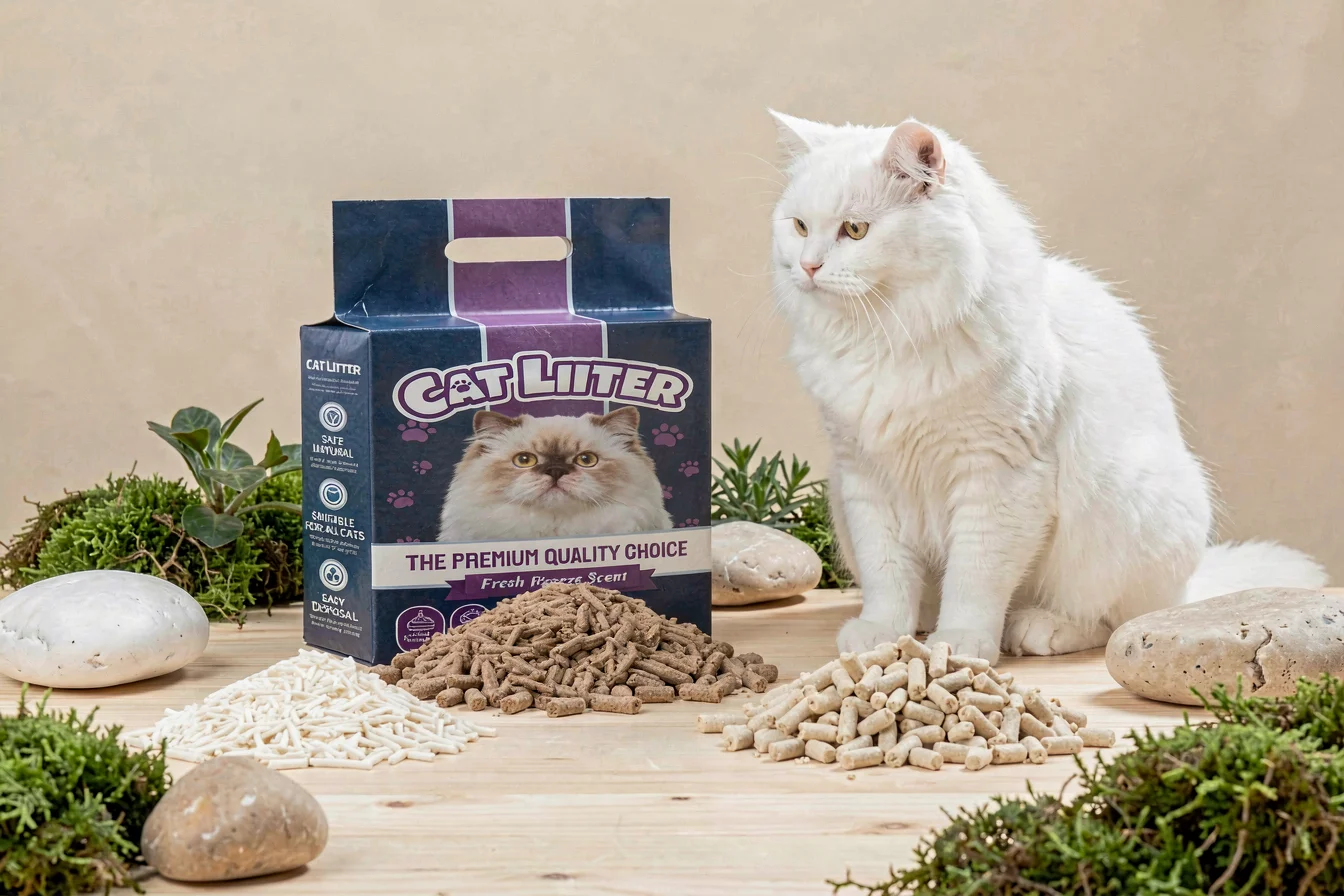
When choosing between sepiolite-based cat litter and clay-based cat litter , pet owners must weigh health, environmental impact, and performance. Sepiolite-based litter excels in dust control, odor management, and biodegradability, making it ideal for sensitive cats and eco-conscious buyers. Clay-based litter, while cost-effective and highly absorbent, faces growing scrutiny for dust, environmental harm, and landfill persistence. Market momentum is shifting toward sustainable, low-dust alternatives, with sepiolite and plant-based options gaining favor as pet health and environmental concerns intensify [2][3][4].
The core value of the cat litter market lies in balancing odor control, ease of use, pet health, and environmental responsibility. Sepiolite-based cat litter is derived from a natural mineral with a fibrous, porous structure that absorbs moisture efficiently, minimizes dust, and is compostable. It targets buyers seeking eco-friendly, low-dust solutions for cats with respiratory sensitivities and owners prioritizing sustainability [2]. Clay-based cat litter , especially bentonite, delivers robust clumping, strong odor control, and cost efficiency, but suffers from dust generation, environmental concerns (strip mining, landfill waste), and potential health risks for sensitive cats [2][4][6].
Innovations in sepiolite-based litters include improved clumping, reduced tracking, and biodegradable certifications, while clay-based litters are evolving with dust-free variants and improved clump quality. The urgency for buyers is driven by rising pet health awareness, regulatory pressure on sustainability, and the desire for low-maintenance solutions.
| Feature | Sepiolite-Based Cat Litter | Clay-Based Cat Litter |
|---|---|---|
| Dust Generation | Minimal, low-dust | High, moderate to high dust |
| Odor Control | Excellent, sustained | Good, may require frequent cleaning |
| Clumping | Moderate to strong, improves with new formulas | Very strong, easy to scoop |
| Tracking | Low, less tracking | Moderate to high, frequent tracking |
| Environmental Impact | Biodegradable, compostable, minimal mining | Non-biodegradable, strip mining, landfill persistence |
| Price | 10–15% higher than clay | Lower, cost-effective |
Sepiolite-based cat litter is increasingly favored for sensitive pets and eco-conscious buyers, while clay-based litter remains dominant for affordability and strong clumping.
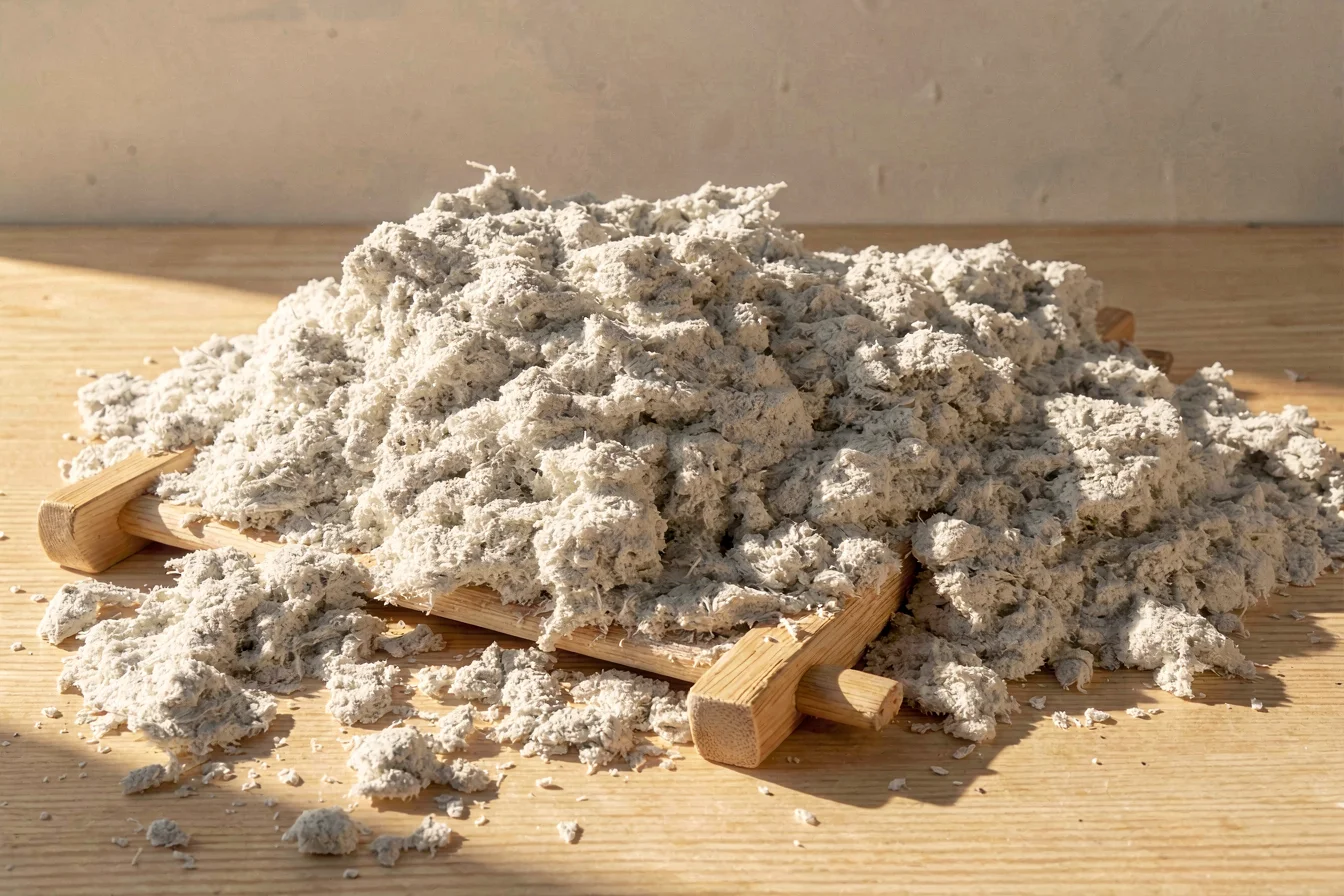
Durability is a critical factor for cat owners seeking minimal maintenance and long-term value. Sepiolite-based cat litter boasts a porous structure that retains moisture, resists clumping breakdown, and maintains odor control over extended use. Its compostable nature and low dust generation make it ideal for multi-cat households and owners prioritizing indoor air quality [2][6]. In contrast, clay-based cat litter delivers strong clumping and odor control but tends to degrade faster, produce dust, and require more frequent replacement.
Application scenarios: Sepiolite-based litters excel in urban environments, apartments, and homes with sensitive cats or allergy-prone owners. Clay-based litters are preferred for large households, commercial cat boarding, and budget-sensitive buyers. The long-term cost outlook is shaped by maintenance frequency, replacement intervals, and hidden costs such as vet visits for dust-related health issues.
| Cost Factor | Sepiolite-Based Cat Litter | Clay-Based Cat Litter |
|---|---|---|
| Initial Purchase Price (per kg) | $0.80–$1.00 | $0.65–$0.85 |
| Maintenance Frequency | Weekly, low tracking | Daily, moderate tracking |
| Replacement Interval | 6–8 weeks | 4–6 weeks |
| Hidden Costs (vet visits, cleaning) | Low, minimal health risks | Moderate, dust-related health issues |
| 5-Year Total Cost (multi-cat household) | $110–$140 | $95–$125 |
Sepiolite-based cat litter offers lower long-term maintenance and health costs, while clay-based litter remains the most affordable option but incurs higher hidden expenses.
The cat litter market is rapidly evolving, with urbanization, rising pet ownership, and sustainability trends reshaping buyer priorities. Sepiolite-based cat litter is gaining traction in eco-friendly markets, apartments, and homes with allergy-sensitive cats. Clay-based cat litter remains dominant in budget-driven households, commercial cat boarding, and regions with established supply chains.
Market trend data shows urbanization and multi-generational living are driving demand for dust-free, odor-controlled litters. E-commerce stats indicate a surge in eco-friendly cat litter searches, with plant-based and sepiolite litters trending upward [1]. Commercial buyers are increasingly sourcing sustainable litters for pet hotels, veterinary clinics, and adoption centers.
Google Trends data reveals steady search interest for both sepiolite-based cat litter and clay-based cat litter , with clay maintaining a slight lead but sepiolite and silica gel gaining momentum. Peaks occur around seasonal pet care campaigns and new product launches, indicating high buyer intent during these periods.
Search Interest over Time
Actionable insight: Buyers should monitor seasonal peaks for optimal procurement and marketing, as search interest correlates with purchasing behavior, especially around pet care campaigns and new product launches.
Social media and Reddit discussions highlight persistent pain points for clay-based cat litter : dust, tracking, and health concerns for sensitive cats. Users report frequent allergies, respiratory issues, and dissatisfaction with high tracking and dust levels [7][8][14]. Sepiolite-based cat litter receives praise for its low-dust performance, odor control, and biodegradable properties, especially for cats with sensitivities and eco-conscious owners [12].
Case Study 1: Urban Apartment Owner (Reddit, r/CatAdvice)
“I have a cat with respiratory sensitivities. Switching to sepiolite-based litter made a huge difference—no more dust, and my cat is much more comfortable. The tracking is minimal, and the odor stays controlled for weeks.”
“I actually did a spreadsheet of price per pound on some natural litters. None are pellets. One of my girls chews her paws mercilessly when she's using clay litter. Since I haven't used Tidy Cat in around 6 years, I can't compare prices.” [7]
Case Study 2: Multi-Cat Household Owner (Reddit, r/CleaningTips)
“I tried clay, crystals, pine, and corn litters, but they all had dealbreakers—tracking, odor, and dust. Sepiolite-based litter is the best cat litter I’ve tried in 2026. Minimal tracking, excellent odor control, and low dust. My cats are healthier, and my apartment is much cleaner.”
“Noisy Lion — the owner's cats have asthma so dust-free is literally why the brand exists, not just a label thing. Been using it for a few months and it's genuinely the least dusty litter I've tried. Tracking is pretty minimal too. Not cheap but sounds like it checks every box on your list.” [10]
| Dimension | Sepiolite-Based Cat Litter | Clay-Based Cat Litter |
|---|---|---|
| Overall Satisfaction | High for sensitive cats, eco-conscious buyers | Moderate for budget buyers, lower for sensitive cats |
| Most Praised Feature | Low dust, odor control, compostable | Strong clumping, cost-effective |
| Most Common Complaint | Slightly higher price | Dust, tracking, health risks |
| Community Recommendation Rate | Rising, especially for sensitive cats | Steady, but declining for eco-conscious buyers |
Viral content themes: Dust-free litters, eco-friendly credentials, and odor control dominate TikTok and Reddit discussions. Cultural reception shows a growing preference for sustainable, low-dust solutions, with sepiolite-based litters increasingly recommended for cats with health sensitivities.
Social pulse: Buyers are shifting toward sepiolite-based litter for health and sustainability, while clay-based litter is losing favor among eco-conscious and allergy-sensitive cat owners.
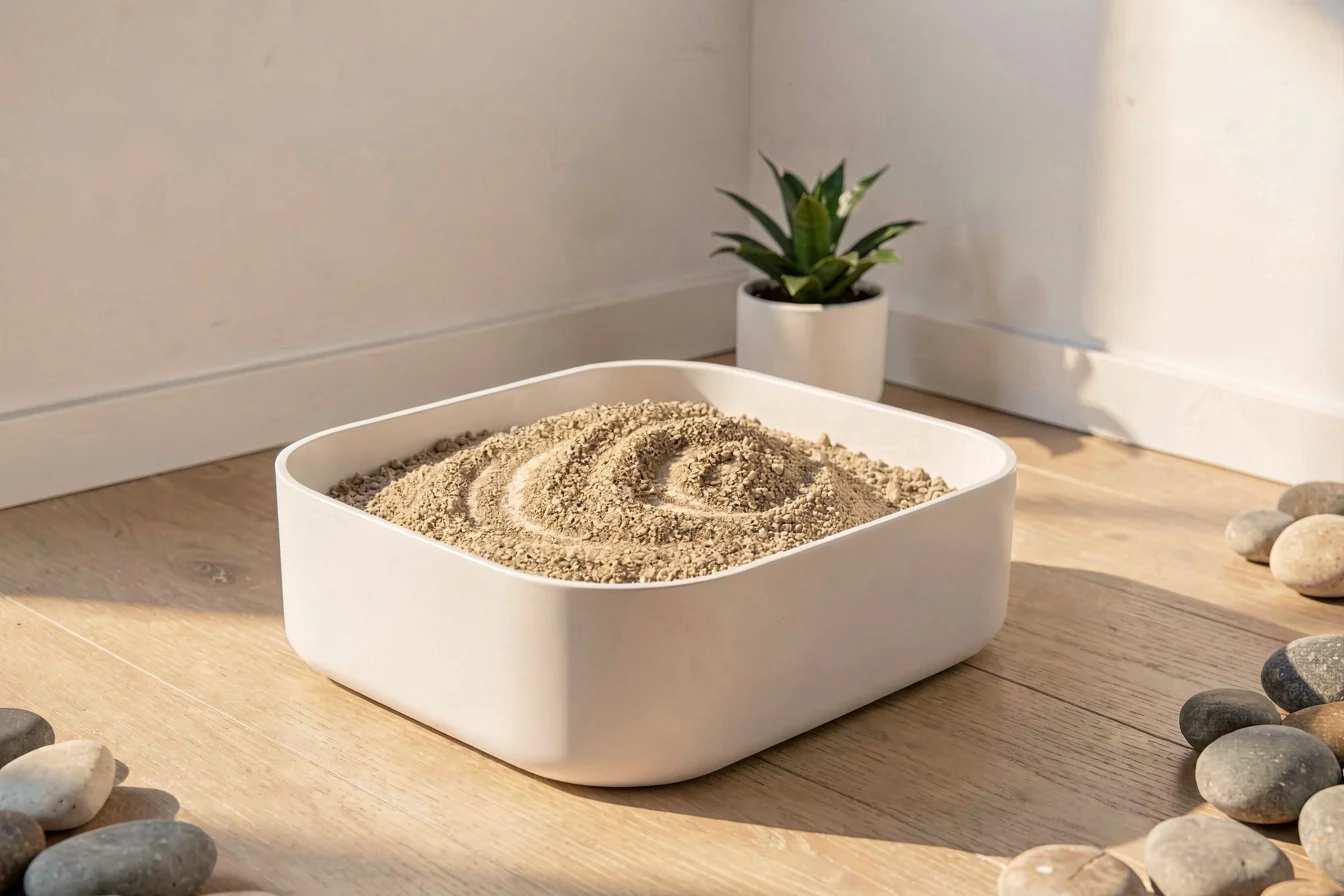
Before purchasing, buyers should ask:
Tiered recommendations:
| Tier | Recommended Product | Key Reason |
|---|---|---|
| Budget-Friendly | Clay-based Cat Litter | Lowest price, strong clumping |
| Mid-Range | Sepiolite-based Cat Litter | Low dust, odor control, moderate price |
| Premium | Sepiolite-based Cat Litter | Biodegradable, compostable, advanced odor control |
Optimization tips: Buy during seasonal pet care campaigns for best pricing; consider bundling with litter mats or odor-neutralizing products; prioritize dust-free and compostable certifications; avoid common mistakes like ignoring cat sensitivities or neglecting maintenance.
Buyers should align their choice with their cat’s health, household needs, and sustainability priorities for optimal long-term value.
Synthesizing market trends, buyer sentiment, and technical analysis, the cat litter market is transitioning toward sustainable, low-dust solutions. Sepiolite-based cat litter is rapidly gaining ground for its health benefits, odor control, and eco-friendliness, while clay-based cat litter remains relevant for affordability and strong clumping. Forward-looking guidance: expect further innovation in sepiolite and plant-based litters, increased regulatory scrutiny on clay-based products, and rising demand for compostable, biodegradable options.
Actionable recommendation: Pet owners and commercial buyers should confidently transition to sepiolite-based litter for sensitive pets and eco-conscious households, while continuing to monitor clay-based litter for budget-driven applications.
Emotional call-to-action: Share your experiences with sepiolite and clay-based litters to help others make informed choices. Commercial buyers should explore wholesale sourcing on Alibaba.com to secure the best sustainable, low-dust solutions for their customers.