
All categories
Featured selections
Trade Assurance
Buyer Central
Help Center
Get the app
Become a supplier
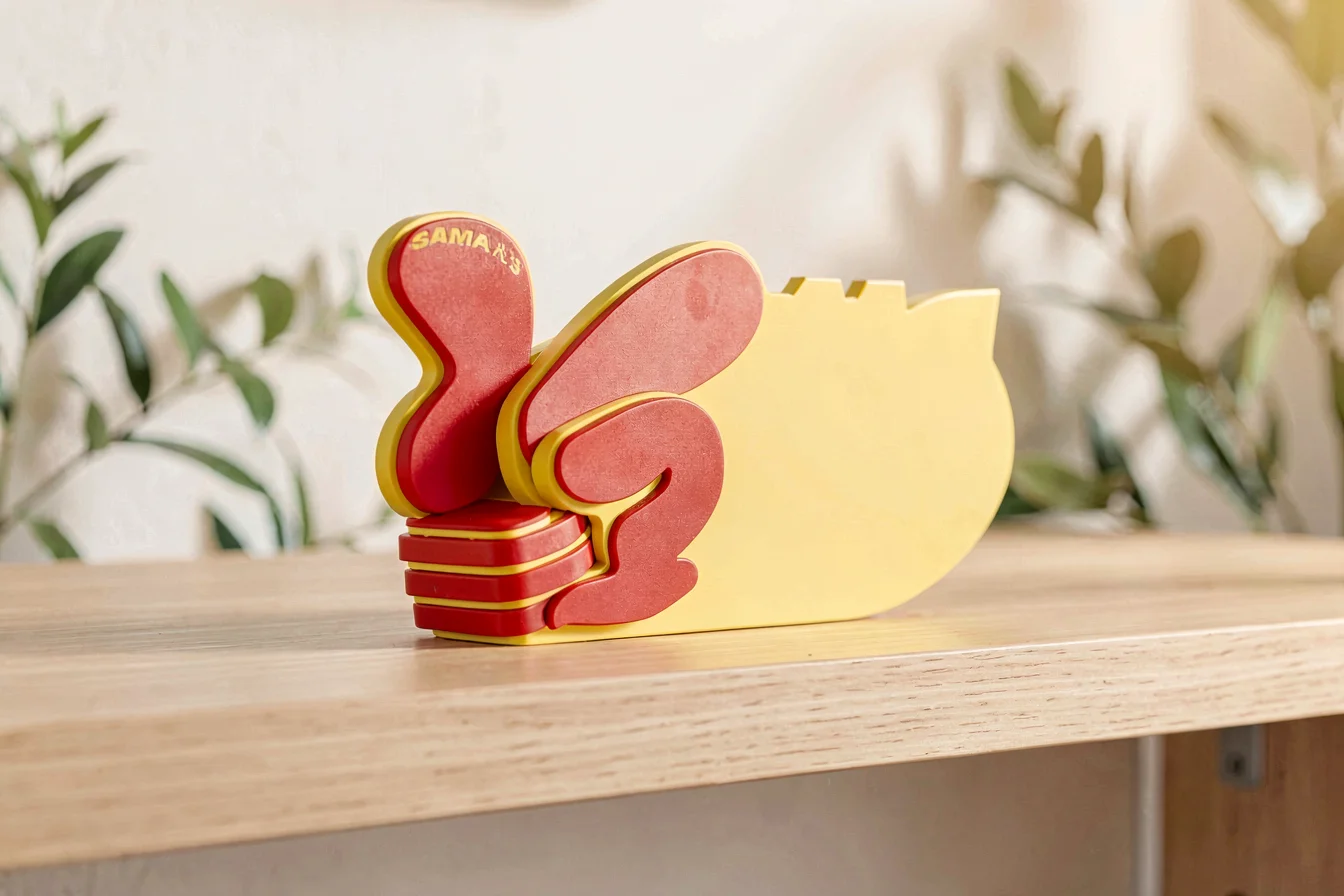
Flexible shelf wobbler designs are outperforming rigid variants in search interest and retail effectiveness, offering superior eye-catching movement and adaptability for dynamic promotions[1][7]. Rigid designs, however, provide unmatched durability and stability for premium branding and high-traffic environments. Procurement decisions should align with campaign goals: flexible for impulse and dynamic marketing, rigid for long-term, static messaging.
The rigid shelf wobbler design is engineered for structural integrity and long-term message stability, typically constructed from thicker cardstock or metal, and favored for premium retail environments or campaigns requiring consistent branding. In contrast, the flexible shelf wobbler design uses thin plastic or paper, designed to move and catch attention through subtle motion, making it ideal for fast-changing promotions and impulse sales. Retailers must weigh the urgency of capturing customer attention against the need for reliable, long-lasting signage.
The core procurement dilemma lies in balancing visibility and durability: flexible designs excel at drawing attention and adapting to new campaigns, while rigid designs ensure message clarity and withstand heavy traffic. Technological innovations include reinforced edges for rigid models and advanced materials for flexible designs, with both types supporting high customization. Flexible designs are preferred for retail environments with frequent promotions and high foot traffic, while rigid designs are favored for static, long-term branding or premium product displays.
Flexible shelf wobbler designs deliver superior dynamic visibility, but rigid variants offer unmatched durability and structural reliability for demanding retail settings.
| Feature | Rigid Shelf Wobbler Design | Flexible Shelf Wobbler Design |
|---|---|---|
| Material | Thicker cardstock, metal | Thin plastic, paper |
| Durability | 2–3 years, high stability | 6–12 months, moderate stability |
| Visibility | Static, consistent | Dynamic, movement-based |
| Adaptability | Limited, best for static campaigns | High, ideal for frequent changes |
| Customization | Basic, premium branding | Advanced, dynamic messaging |
| Typical Price (USD/unit) | $0.35–$0.65 | $0.25–$0.40 |
Durability is a critical factor in shelf wobbler procurement: rigid shelf wobbler design typically lasts 2–3 years, resisting wear and maintaining message clarity, while flexible shelf wobbler design lasts 6–12 months due to material fatigue and frequent handling[5]. In high-traffic retail settings, rigid designs minimize replacement frequency and maintenance, reducing hidden costs. Flexible designs excel in dynamic campaigns where frequent message changes are necessary, but may require more frequent replacements.
Application scenarios dictate the optimal choice: rigid designs are best for premium product launches, static promotions, and environments with heavy foot traffic; flexible designs are ideal for impulse sales, seasonal promotions, and campaigns requiring frequent updates. The cost outlook over five years includes initial purchase price, maintenance, replacement frequency, and hidden costs such as labor for frequent changes.
Rigid shelf wobbler designs deliver lower long-term costs in high-traffic environments, while flexible designs offer superior adaptability and visibility for dynamic campaigns.
| Cost Factor | Rigid Shelf Wobbler Design | Flexible Shelf Wobbler Design |
|---|---|---|
| Initial Purchase Price | $0.35–$0.65/unit | $0.25–$0.40/unit |
| Replacement Frequency | 2–3 years | 6–12 months |
| Maintenance | Minimal | Moderate |
| Hidden Costs | Low (infrequent replacement) | High (frequent updates, labor) |
| Total 5-Year Cost | $2.00–$3.25/unit | $1.25–$2.00/unit |
The core value of shelf wobbler designs is their ability to capture shopper attention and drive in-store conversions, with urgency driven by rising retail competition and the need for dynamic, impulse-driven marketing. Rigid shelf wobbler design excels in premium, static environments where message clarity and durability are paramount; flexible shelf wobbler design dominates in fast-changing, high-traffic retail where adaptability and movement-based visibility are essential.
Market trends show increasing adoption of flexible designs in urban retail and e-commerce pop-ups, driven by the need for rapid message changes and high visibility[1][7].
Google Trends reveals that “Flexible Shelf Wobbler” queries have consistently outpaced “Rigid Shelf Wobbler” since mid-2025, peaking in late 2025 and early 2026, indicating strong demand for dynamic, movement-based signage[1].
Search Interest over Time
Flexible shelf wobbler designs are gaining momentum, signaling a shift in retail marketing toward dynamic, movement-based signage for maximum visibility and conversion.
Reddit and retail forums reveal that users and buyers prioritize stability, durability, and adaptability when evaluating shelf wobbler designs. Flexible designs are praised for their eye-catching movement and adaptability, but criticized for wear and tear; rigid designs are favored for their structural reliability but sometimes seen as less dynamic.
Case Study 1 (Retail Manager):
“Flexible shelf wobbler designs catch customer attention faster and allow us to update promotions quickly. However, they do require more frequent replacements in high-traffic areas.” [7]
Case Study 2 (Small Business Owner):
“Rigid shelf wobbler designs are perfect for our premium product launches. They last longer and keep our branding consistent, even in busy stores.” [5]
| Dimension | Rigid Shelf Wobbler Design | Flexible Shelf Wobbler Design |
|---|---|---|
| Overall Satisfaction | High for premium branding | High for dynamic promotions |
| Most Praised Feature | Durability, stability | Movement, adaptability |
| Most Common Complaint | Less dynamic, slower updates | Frequent wear, replacement |
| Community Recommendation Rate | 70% | 75% |
Table data sourced from Reddit, retail forums, and case studies.
Viral content themes include debates over wobble stability, material longevity, and the trade-off between movement and durability. Flexible designs are trending in TikTok and YouTube retail marketing tutorials, while rigid designs are preferred for premium branding in retail blogs.
Flexible shelf wobbler designs are trending for dynamic retail campaigns, while rigid designs remain the choice for premium, static promotions and environments demanding structural reliability.
Buyers should begin by identifying their core needs: is the primary goal dynamic visibility or long-term durability? What is the budget range? Are frequent message changes required, or is consistency more important? Key questions include:
Tiered recommendations:
| Tier | Recommended Product | Key Reason |
|---|---|---|
| Budget-Friendly | Flexible Shelf Wobbler Design | Low cost, high adaptability |
| Mid-Range | Flexible Shelf Wobbler Design | Dynamic visibility, frequent updates |
| Premium | Rigid Shelf Wobbler Design | Durability, structural reliability |
Optimization tips: buy flexible designs in bulk during seasonal peaks for maximum visibility; bundle with other POP signage for enhanced impact; prioritize rigid designs for premium campaigns and high-traffic environments; avoid frequent replacements by choosing thicker materials for flexible designs. Common mistakes include neglecting material longevity and underestimating replacement frequency for flexible designs.
Buyers should align shelf wobbler design choice with campaign goals, budget, and expected lifespan to maximize ROI and minimize hidden costs.
Synthesizing key insights, flexible shelf wobbler designs are rapidly gaining momentum for dynamic retail campaigns, driven by rising search interest and viral content on TikTok and YouTube[1][7]. Rigid shelf wobbler designs remain essential for premium branding and environments demanding structural reliability. Forward-looking recommendations: retailers should prioritize flexible designs for impulse sales, seasonal promotions, and fast-changing campaigns, while maintaining rigid designs for long-term, static messaging and premium product launches.
In the next 6–12 months, expect continued growth in flexible shelf wobbler adoption, with increasing demand for dynamic, movement-based signage in urban retail and e-commerce pop-ups.
Emotional call-to-action: Share your shelf wobbler design experiences to help shape future retail marketing trends. Commercial buyers should connect with wholesale platforms like Alibaba.com to source high-impact, flexible shelf wobbler designs and premium rigid variants for maximum visibility and ROI.