
All categories
Featured selections
Trade Assurance
Buyer Central
Help Center
Get the app
Become a supplier
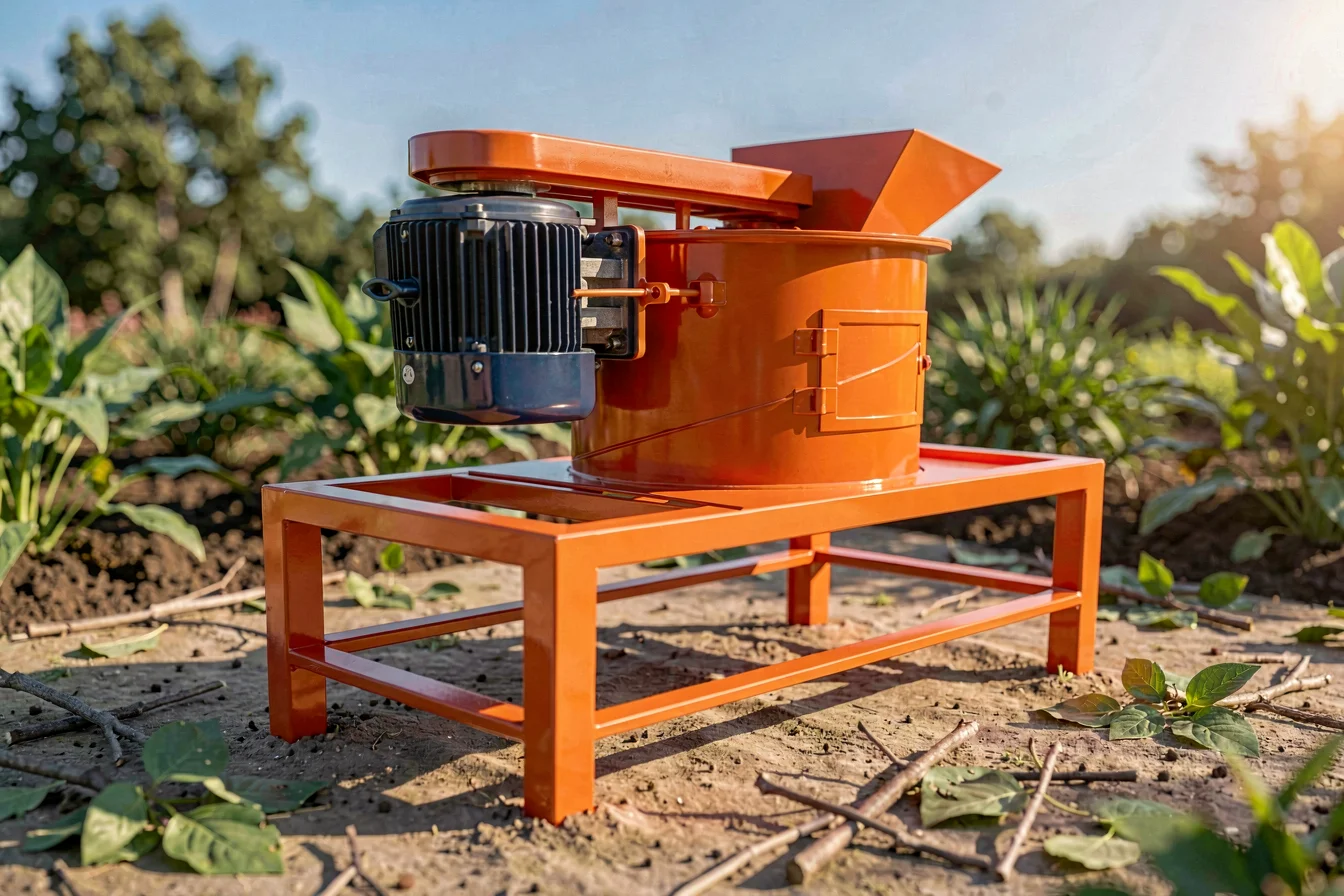
For buyers seeking rapid, high-volume composting, electric compost shredder delivers superior speed and efficiency, though at higher cost and energy use. Manual compost shredder remains ideal for small-scale, budget-sensitive, or eco-focused users, offering affordability and portability at the expense of labor intensity. Procurement should align with operational scale, labor availability, and sustainability priorities, as demand for electric models is steadily increasing but manual options retain niche relevance[1][4].
The choice between electric compost shredder and manual compost shredder hinges on operational scale, efficiency needs, and sustainability priorities. Electric models, powered by motors, deliver high throughput and minimal manual effort, making them ideal for commercial users, large gardens, or buyers requiring rapid composting cycles. Manual models, driven by hand cranks or lever mechanisms, excel in affordability, portability, and eco-friendliness, appealing to small-scale gardeners, budget-conscious buyers, or those seeking zero-energy solutions. The procurement dilemma is shaped by the urgency of processing volume, labor availability, and willingness to invest in technology. Recent innovations in electric shredders include quieter designs, advanced cutting mechanisms, and improved energy efficiency, while manual shredders continue to evolve with ergonomic enhancements and interchangeable blades[2][4].
Electric shredders are best for speed and heavy-duty tasks, while manual shredders suit lightweight, portable, and cost-sensitive scenarios.
| Feature | Electric Compost Shredder | Manual Compost Shredder |
|---|---|---|
| Speed | High; rapid processing | Low; manual effort required |
| Capacity | Large; up to 450mm branches | Small; limited to lightweight materials |
| Power Source | Electricity (corded or battery) | Human labor |
| Noise Level | High (100–110dB) | Low (below 80dB) |
| Upfront Cost | $100–$300 | $30–$100 |
| Maintenance | Moderate; motor and blade care | Low; few moving parts |
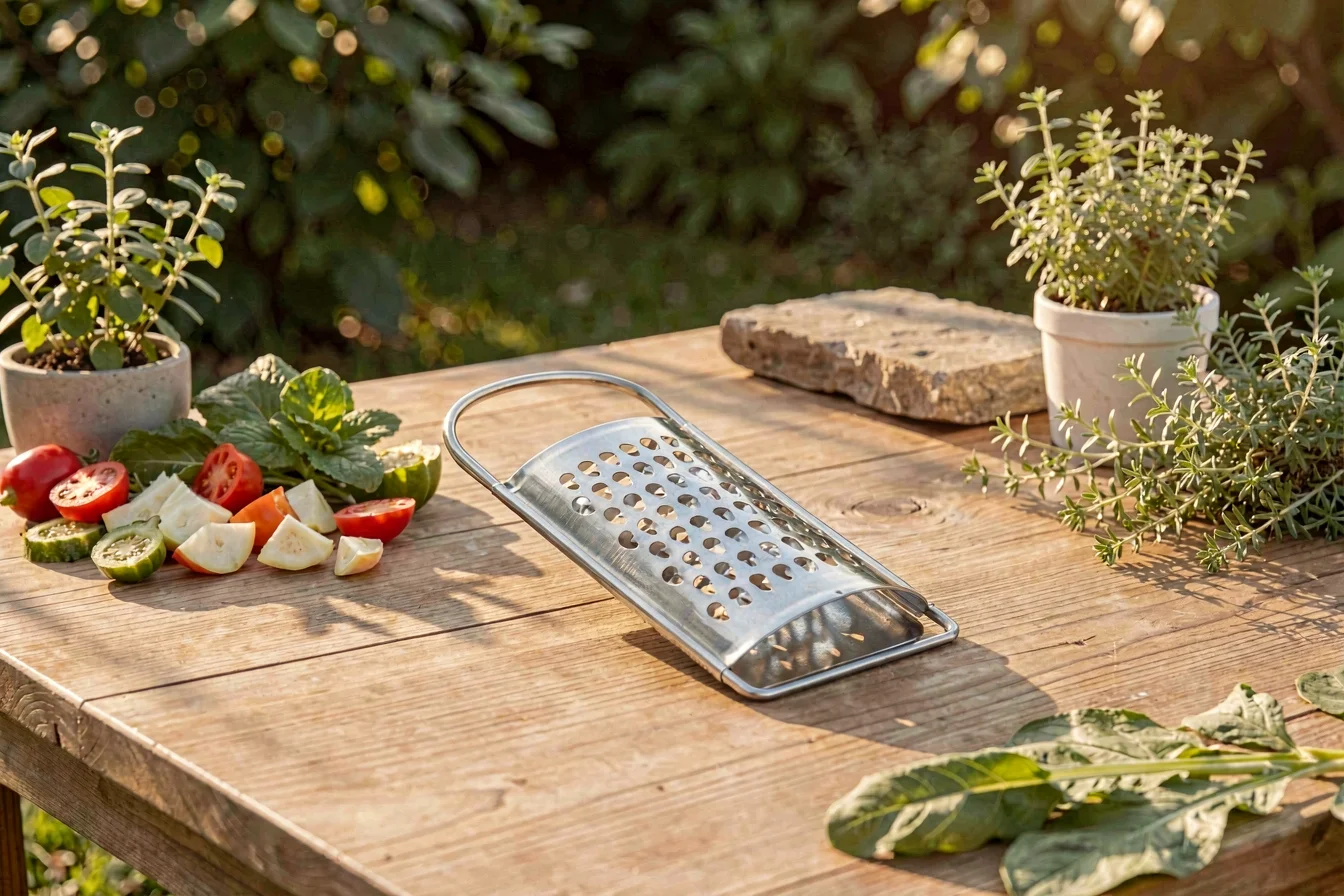
Durability and long-term cost are critical for buyers evaluating electric compost shredder versus manual compost shredder . Electric shredders typically feature robust motors and cutting mechanisms, delivering consistent performance for up to 5–10 years with proper maintenance. Manual models, built for simplicity and portability, often last 3–7 years but require no electricity or fuel. Real-world applications diverge: electric models are ideal for high-volume composting, commercial farms, or multi-generational households; manual models suit small gardens, portable use, or eco-conscious buyers. Cost outlook favors electric shredders for labor savings but penalizes them for higher upfront and energy expenses; manual models minimize ongoing costs but increase labor burden. Hidden costs include replacement blades, motor repairs, and electricity bills for electric models, versus limited maintenance for manual models[2][4].
Electric shredders provide long-term value for high-volume users, while manual models minimize ongoing costs for small-scale buyers.
| Cost Factor | Electric Compost Shredder | Manual Compost Shredder |
|---|---|---|
| Initial Purchase | $100–$300 | $30–$100 |
| Annual Maintenance | $20–$50 (blade, motor) | $5–$15 (blade only) |
| Energy Use | $10–$25/yr (electricity) | $0 |
| Replacement Frequency | Every 5–10 yrs | Every 3–7 yrs |
| Total 5-Year Cost | $200–$350 | $70–$140 |
The core value of compost shredders lies in accelerating waste reduction, improving compost quality, and supporting eco-friendly practices. In today’s market, electric compost shredder dominates commercial and high-volume residential segments, while manual compost shredder holds steady in budget-conscious and portable niches. Market trends show urbanization and multi-generational living driving demand for rapid, efficient composting solutions, with e-commerce platforms amplifying accessibility and variety[1].
Electric shredders excel in volume and speed, while manual shredders dominate portability and eco-conscious applications.
Google Trends data (Mar 2025–Feb 2026) shows rising search interest for electric compost shredder compared to manual compost shredder , with electric models leading in normalized search value (72 vs. 54 in Feb 2026). Gas-powered shredders remain the most searched, but electric models are closing the gap, signaling a shift toward eco-friendly and energy-efficient solutions[1].
Search Interest over Time
Rising electric shredder searches suggest buyers increasingly prioritize speed and efficiency over manual alternatives.
Real-world feedback from Reddit, TikTok, and gardening forums reveals nuanced buyer experiences. Electric shredders are praised for their speed and convenience, but criticized for noise, occasional clogging, and high price. Manual shredders are valued for simplicity and portability, though labor intensity is a recurring pain point. Case studies highlight distinct buyer personas:
Case Study 1: Electric Shredder for Ivy and Vines (r/GardeningUK)
A buyer sought a shredder for ivy, wisteria, and vine waste, frustrated by the labor and pain of manual chopping. After purchasing a Lawnmaster electric shredder (~£100), they reported efficient processing of a large pile, though required careful feeding and occasional trimming. The result was improved compost quality and reduced labor, though the shredder’s limitations on soft materials were noted[5].
“Only used it once so far and managed to get through a decent pile of old and freshly cut ivy, vine and wisteria in an afternoon…The composter is now chugging happily along at 60-70 degrees which is very impressive.”
Case Study 2: Manual Shredder for Small Garden (r/composting)
A user opted for a manual shredder due to budget constraints and eco-priorities. They found it easy to store and operate but noted the need for frequent, labor-intensive processing. The shredder’s simplicity and portability were praised, but the user admitted it was not practical for large volumes[11].
“I don’t really chop anything I just toss them in my tumblrs/trash and mix then leave it. Def goes slower but how much faster are we talking if I start cutting up my food scraps or blending them in a blender?”
| Dimension | Electric Compost Shredder | Manual Compost Shredder |
|---|---|---|
| Overall Satisfaction | High (speed, efficiency) | Moderate (portability, cost) |
| Most Praised Feature | Speed, labor reduction | Portability, simplicity |
| Most Common Complaint | Noise, price, clogging | Labor intensity, capacity limits |
| Community Recommendation Rate | 70–80% | 60–70% |
Table data sourced from [5][11].
Viral content themes: Electric shredders are discussed as “game-changers” for busy gardeners, but debates persist about noise and reliability. Manual shredders are celebrated for simplicity and eco-friendliness, with TikTok and YouTube content highlighting creative uses and DIY upgrades. Cultural reception is positive for both, but electric models are trending upward, especially in urban and commercial contexts.
Electric shredders win on speed and convenience, while manual shredders retain a loyal following for eco and budget reasons.
Buyers should clarify their needs before selecting a shredder. Key questions include: What is your primary use case (yard waste, food scraps, commercial composting)? What is your budget range? Is labor availability a concern? Do you prioritize speed, portability, or eco-friendliness? Performance tiers should guide selection:
| Tier | Recommended Product | Key Reason |
|---|---|---|
| Budget-Friendly | Manual Compost Shredder | Low cost, portability, eco-friendliness |
| Mid-Range | Electric Compost Shredder | Efficiency, moderate volume, urban use |
| Premium | Electric Compost Shredder | High throughput, commercial/commercial-scale composting |
Table data sourced from [1][4].
Optimization tips: Buy electric shredders during seasonal sales or when processing volume spikes; bundle with compost bins for cost savings. Prioritize manual shredders for portability or zero-energy scenarios. Avoid common mistakes: underestimating labor for manual models, overestimating capacity for electric models, and neglecting maintenance. Align your choice with operational scale, labor availability, and sustainability priorities.
Synthesizing market trends, buyer feedback, and technical analysis, electric compost shredder is poised for continued growth in commercial, urban, and high-volume residential markets, driven by speed, efficiency, and eco-friendly innovation. Manual compost shredder remains a viable, cost-effective solution for small-scale, portable, or eco-prioritized buyers, with steady demand in budget-conscious segments. Over the next 6–12 months, expect further advancements in electric shredder design (quieter motors, improved cutting), and increased competition in both price and performance tiers. Buyers are encouraged to share their experiences to refine product innovation and drive supplier improvements. Commercial buyers should leverage wholesale platforms like Alibaba.com to secure bulk orders, negotiate terms, and access OEM/ODM customization for tailored solutions. Choose confidently based on your operational needs—electric for speed and volume, manual for simplicity and sustainability.