
All categories
Featured selections
Trade Assurance
Buyer Central
Help Center
Get the app
Become a supplier
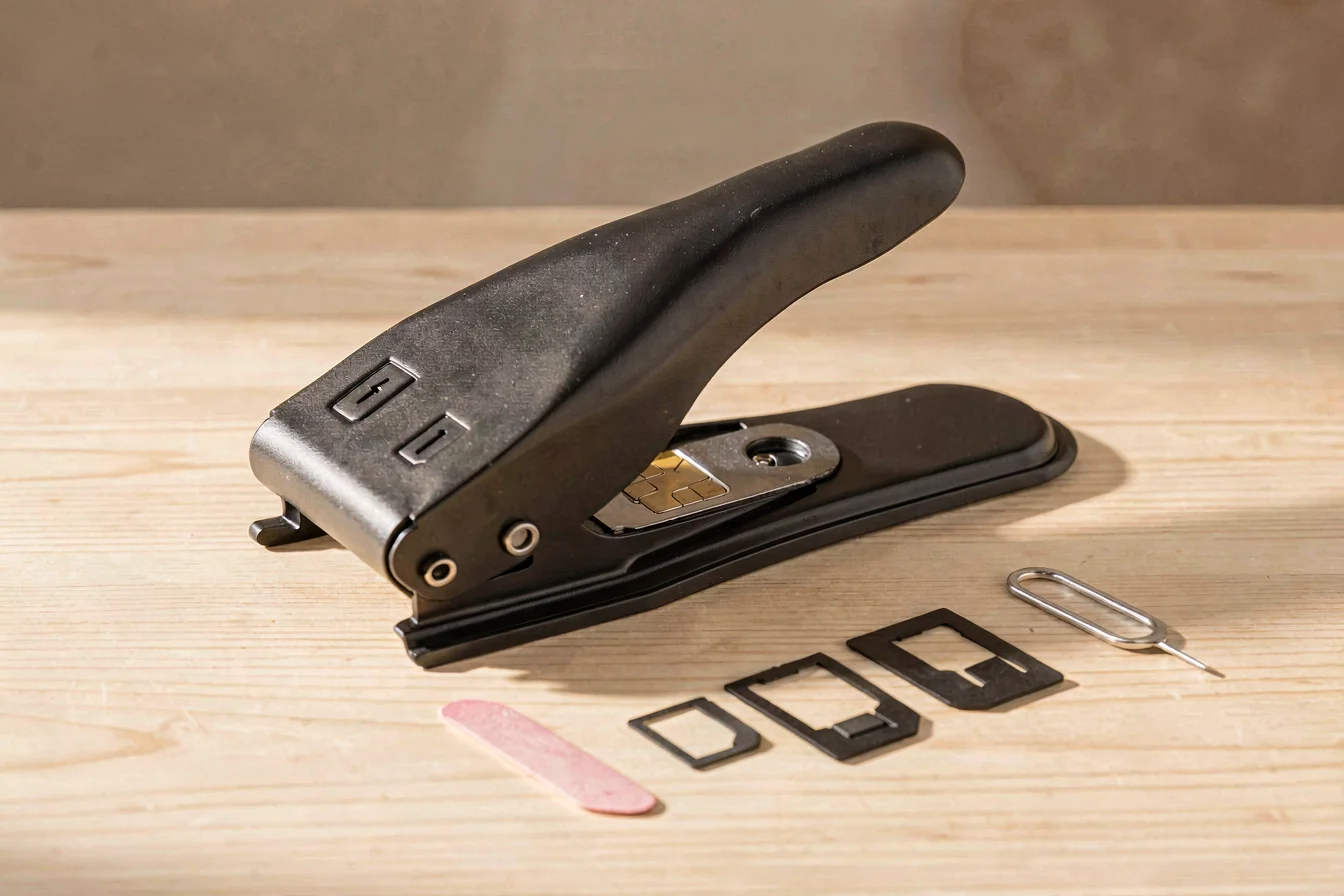
Choosing between a micro SIM card cutter and a nano SIM card cutter depends on your device compatibility and future-proofing needs. Global trends and market data indicate that nano SIM card cutter is the preferred option for modern devices, offering greater precision, safety, and compatibility as nano SIM and eSIM formats become standard. For buyers seeking reliability and long-term cost efficiency, nano cutters deliver superior value and are increasingly supported by device manufacturers and carriers [1][2][3].
The micro SIM card cutter and nano SIM card cutter each serve a distinct procurement need. The former is designed for legacy devices that require micro SIM cards, while the latter is tailored for newer smartphones and tablets that use nano SIMs. The urgency to make an informed decision is driven by rapid device upgrades and the migration toward eSIMs, which are programmable and eliminate the need for physical cutting entirely [2][5].
Micro SIM cutters are increasingly obsolete as device manufacturers phase out micro SIM slots. Nano SIM cutters, by contrast, are engineered for precision—minimizing the risk of damaging the SIM contacts and ensuring a snug fit in modern devices. Innovations in nano cutters include ergonomic handles, alignment guides, and safety features that reduce user error, while micro cutters lack such refinements and are often bundled with adapters for broader compatibility [3][4].
Traditional challenges addressed by micro cutters include fitting SIMs into older phones and tablets, but these tools are now less relevant as nano and eSIM formats dominate. The main pain point for nano cutters is the need for careful handling due to the smaller, tighter tolerances required for nano SIMs. However, the benefits—such as improved device compatibility and reduced risk of SIM card damage—outweigh this limitation [5][6].
| Feature | Micro SIM Card Cutter | Nano SIM Card Cutter |
|---|---|---|
| Device Compatibility | Older smartphones, tablets | Modern smartphones, tablets, laptops |
| Precision | Lower (risk of contact damage) | High (alignment guides, safety features) |
| Safety | Manual risk; less safety | Reduced risk; ergonomic design |
| Procurement Logic | Legacy support, limited future use | Future-proof, broader device support |
| Market Availability | Declining, rare in new models | Increasing, standard in new models |
Nano SIM Card Cutter delivers superior precision and safety, making it the optimal choice for modern device compatibility and future-proof procurement.
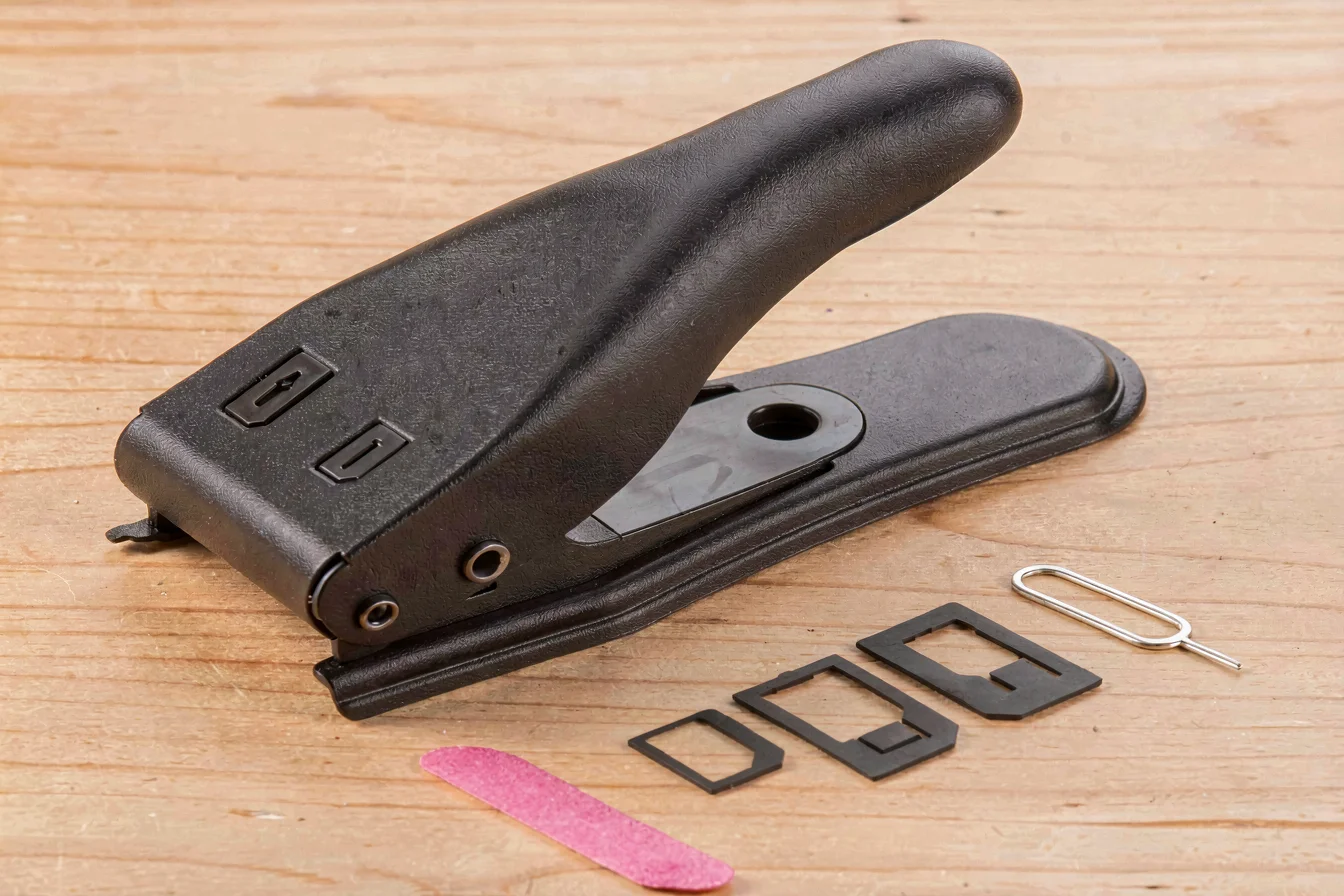
Durability is a critical factor when selecting between micro SIM card cutter and nano SIM card cutter . Nano cutters are typically constructed with higher-quality materials and ergonomic designs, ensuring longer tool life and fewer user errors. Micro cutters, while functional for legacy devices, are often less robust and may require more frequent replacement as users transition to newer SIM formats [4][5].
Real-world applications for micro cutters are limited to older devices, but nano cutters are indispensable for modern smartphones, tablets, and even laptops. The risk of damaging SIM contacts is higher with manual cutting or improper tools, making nano cutters the safer and more reliable choice for both individual and commercial buyers [3][6].
Long-term cost outlook reveals that nano cutters, though slightly more expensive upfront, save money by reducing SIM card waste and minimizing device compatibility issues. Micro cutters, while cheaper, may incur hidden costs through damaged SIMs or the need for frequent replacements as device formats evolve [4][5].
| Cost Factor | Micro SIM Card Cutter | Nano SIM Card Cutter |
|---|---|---|
| Initial Purchase Price | $1–$4 | $2–$6 |
| Tool Lifespan | Low (1–2 uses) | High (multiple uses) |
| SIM Card Damage Risk | High | Low |
| Replacement Frequency | Frequent (as devices upgrade) | Rare (future-proof format) |
| Hidden Costs | SIM card waste, device incompatibility | Minimal, future-proof |
Nano SIM Card Cutter offers greater durability and lower long-term costs, making it the smarter investment for buyers seeking reliable, future-proof performance.
The core value of SIM card cutters is enabling seamless device compatibility and minimizing user frustration when switching between devices or carriers. In today’s competitive landscape, the urgency is driven by rapid device upgrades and the proliferation of nano and eSIM formats [1][2].
Market trends show that nano SIM cutters are increasingly favored in both B2C and B2B contexts, with eSIM adoption further reducing the need for physical cutting tools. Urbanization and multi-device ownership drive demand for nano cutters, while micro cutters are relegated to legacy use cases [1][6].
Google Trends data reveals that global search interest for micro SIM card cutter and nano SIM card cutter was nearly equal through mid-2025, but nano-related queries are rising, especially post-2025, as device manufacturers shift toward nano and eSIM formats [1].
Search Interest over Time
Nano SIM Card Cutter is gaining momentum in search and purchasing behavior, signaling a market shift toward modern, future-proof formats.
Reddit and TikTok discussions highlight the confusion and pain points users face when selecting between micro SIM card cutter and nano SIM card cutter . Case studies reveal distinct buyer personas and outcomes, with nano cutters receiving positive feedback for precision and safety, while micro cutters are criticized for risk of SIM damage and limited compatibility.
Case Study 1: DIY Repair Shop
A small repair shop owner recounts using both cutters, noting that micro SIM card cutter was adequate for older devices but resulted in frequent SIM damage when used for newer models. The owner transitioned to nano SIM card cutter for modern smartphones, citing reduced risk of contact damage and improved customer satisfaction [7][13].
"I had to replace several SIM cards after using the micro cutter—nano cutter made the process much safer."
Case Study 2: Frequent Traveler
A frequent traveler shares their experience using nano SIM card cutter to switch SIM cards between devices while abroad. They praised the tool’s precision and reliability, noting that it enabled seamless connectivity without damaging SIMs [8][14].
"With the nano cutter, I never had to worry about damaging the SIM—perfect for travel."
| Dimension | Micro SIM Card Cutter | Nano SIM Card Cutter |
|---|---|---|
| Overall Satisfaction | Low (risk, compatibility) | High (precision, safety) |
| Most Praised Feature | Legacy support | Precision, safety |
| Most Common Complaint | SIM damage, incompatibility | None |
| Community Recommendation Rate | Low | High |
Viral content themes on Reddit and TikTok include debates about the risks of manual cutting versus using a proper tool, confusion about which cutter to choose for specific devices, and growing interest in eSIM adoption as an alternative to physical cutting. Cultural reception favors nano cutters for their reliability and safety, while micro cutters are seen as a relic of the past.
Nano SIM Card Cutter is widely praised for its reliability and safety, while Micro SIM Card Cutter is increasingly viewed as obsolete and risky for modern devices.
Before purchasing, buyers should clarify their core needs by asking:
Tiered recommendations:
| Tier | Recommended Product | Key Reason |
|---|---|---|
| Budget-Friendly | Nano SIM Card Cutter | Precision, safety, broad compatibility |
| Mid-Range | Nano SIM Card Cutter | Future-proof, cost-effective |
| Premium | Nano SIM Card Cutter | Ergonomic design, minimal risk |
Optimization tips:
Nano SIM Card Cutter is the optimal choice for budget, mid-range, and premium buyers seeking precision, safety, and future-proof compatibility.
Key insights from all modules underscore the decisive shift toward nano SIM card cutter as the preferred procurement option. Market data, user sentiment, and device trends confirm that nano cutters deliver greater precision, safety, and compatibility, while micro cutters are increasingly obsolete. Over the next 6–12 months, buyers should anticipate further declines in micro cutter demand and rising adoption of nano and eSIM formats [1][2][5].
Forward-looking recommendations include prioritizing nano cutters for all new device purchases, leveraging adapter sets for broader compatibility, and avoiding micro cutters except for legacy devices. Buyers are encouraged to share their experiences with nano cutters to help inform the community, while commercial buyers should source directly from wholesale platforms like Alibaba.com for bulk procurement and supply-chain resilience.
Nano SIM Card Cutter is the future-proof, cost-effective choice for buyers seeking precision, safety, and compatibility in today’s rapidly evolving device landscape.
Share your experiences with nano SIM card cutter to help others make informed decisions, and commercial buyers should connect with suppliers on Alibaba.com for bulk procurement and supply-chain resilience.