
All categories
Featured selections
Trade Assurance
Buyer Central
Help Center
Get the app
Become a supplier
Universal TV remote controls are increasingly favored for their versatility, ease of integration, and ability to manage multiple devices, delivering greater long-term value and reducing operational complexity[1][3]. Single function TV remote control remains viable for basic or specialized applications, but universal TV remote control dominates procurement logic in multi-device households and commercial settings. Buyers should prioritize universal remotes for scalable, future-proof solutions, while single function remotes suit environments requiring simplicity and minimal maintenance.
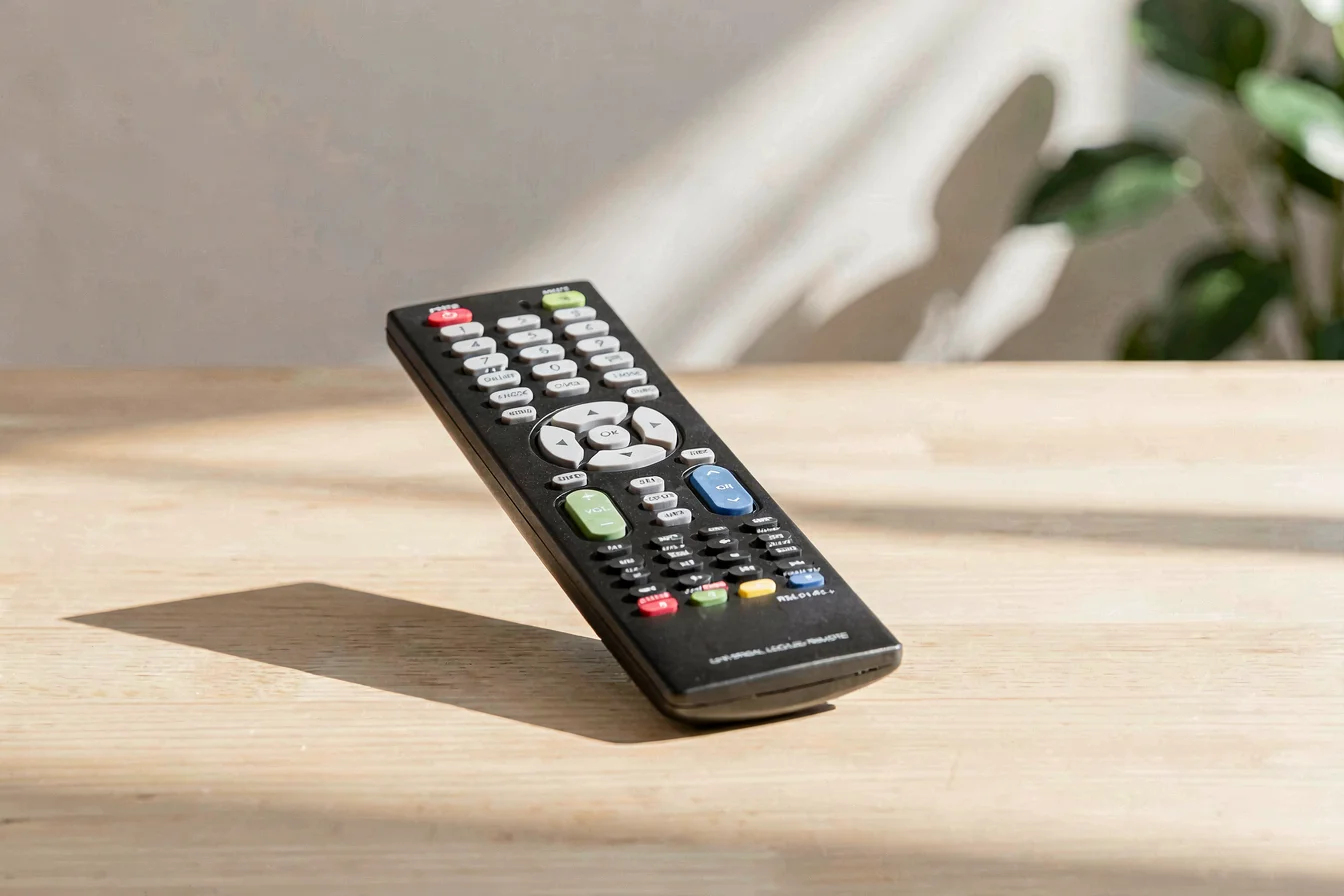
The procurement dilemma between single function TV remote control and universal TV remote control centers on operational flexibility, integration complexity, and total cost of ownership. Single function remotes are engineered for simplicity and reliability, excelling in environments where only basic TV functions (power, volume, channel) are required. Universal remotes, by contrast, are designed to control multiple devices—TVs, set-top boxes, soundbars, media streamers—offering advanced features such as activity keys, learning functions, and macro commands[3][4].
The urgency for an informed decision is driven by the rise of multi-device households and hospitality settings, where universal remotes streamline management and reduce clutter. Single function remotes are favored in senior care, dementia support, and high-traffic environments, where simplicity and reliability outweigh the need for multi-device control[11]. Universal remotes, however, deliver greater long-term value through their adaptability and integration capabilities, especially as smart TV adoption accelerates.
| Feature | Single Function TV Remote Control | Universal TV Remote Control |
|---|---|---|
| Device Compatibility | Limited to one TV brand/model | Works with most major brands and devices |
| Feature Set | Basic functions only (power, volume, channel) | Advanced: voice, activity keys, learning, macro commands |
| Setup Complexity | Minimal; plug-and-play | Requires programming/configuration |
| Price Range | $2–$5/unit | $5–$18/unit |
| Target Audience | Seniors, dementia care, high-traffic hospitality | Multi-device households, B2B commercial, smart homes |
| Market Trend | Stable, niche demand | Rising, broad adoption |
Universal TV remote controls offer superior flexibility and future-proofing, while single function remotes remain essential for environments prioritizing simplicity and reliability.
Durability and application scenarios are critical when sourcing single function TV remote control or universal TV remote control . Single function remotes typically feature robust construction, minimal moving parts, and fewer points of failure, resulting in longer lifespan and lower maintenance requirements. They are well-suited for high-traffic environments, senior care, and settings where reliability and ease of replacement are paramount[11]. Universal remotes, while more feature-rich, may have more complex circuitry, programmable keys, and higher susceptibility to battery drain or software glitches, requiring more frequent maintenance and occasional reprogramming[3].
Application scenarios further differentiate the two: single function remotes excel in dementia care, hospitality, and multi-room setups where simplicity and quick replacement are valued. Universal remotes are indispensable in multi-device households, smart homes, and B2B commercial settings requiring centralized control and advanced features. The total cost of ownership over five years includes not just the initial purchase price, but also maintenance, battery replacement, and potential reprogramming costs.
| Cost Factor | Single Function TV Remote Control | Universal TV Remote Control |
|---|---|---|
| Initial Purchase | $2–$5/unit | $5–$18/unit |
| Battery Replacement (Annual) | $1–$2/unit | $1–$2/unit |
| Maintenance/Repair | Rare; minimal cost | Occasional reprogramming; $10–$20/unit |
| Replacement Frequency | Every 5–7 years | Every 3–5 years |
| Hidden Costs | None | Setup time, potential lost productivity |
Universal remotes may require more frequent maintenance and reprogramming, but their ability to manage multiple devices offsets these costs in multi-device environments.
The core value of single function TV remote control and universal TV remote control lies in their ability to simplify device management and enhance user experience. Universal remotes are trending upward due to the proliferation of smart TVs, streaming devices, and multi-device households, while single function remotes retain relevance in specialized markets such as senior care, dementia support, and hospitality[11].
Universal remotes are indispensable for environments with multiple devices, while single function remotes shine where simplicity and reliability are critical.
Google Trends data reveals that single function TV remote control experienced a surge in search interest during late 2025, peaking at 93, while universal TV remote control steadily rose, peaking at 86 in early 2026[1]. Universal remotes showed more consistent growth, indicating broader adoption and increasing preference for multi-device integration.
Search Interest over Time
Universal TV remote controls are gaining momentum, reflecting increased demand for integration and convenience, while single function remotes remain stable but niche.
Reddit and TikTok discussions highlight both the strengths and weaknesses of single function TV remote control and universal TV remote control . Universal remotes are praised for their versatility, ease of integration, and ability to manage multiple devices, but often criticized for setup complexity and occasional software glitches[6][7]. Single function remotes are valued in senior care and dementia support for their simplicity, reliability, and ease of use, with users reporting fewer frustrations and faster learning curves[11].
Case Study 1: Universal Remote in Multi-TV Hospitality
A nursing home manager faced challenges with two TVs per room, where remotes activated both devices simultaneously, causing confusion. The solution involved universal remotes programmed for isolation, but setup proved expensive and complex[8]. “You can get a universal remote solution to isolate the TV's but that's expensive and will be troublesome,” noted a Reddit user.
Case Study 2: Single Function Remote for Senior Care
A caregiver for a dementia patient found single function remotes easier to use and less prone to confusion. “I bought a remote that is specifically for seniors. On/off, volume/channels. That’s it,” the user wrote, emphasizing the need for simplicity and reliability in care settings[11].
“Universal remotes reduce clutter and simplify multi-device management, but setup can be frustrating.” — r/DataRecoveryHelp
“Single function remotes are essential for seniors and dementia patients, where simplicity is key.” — r/DementiaHelp
| Dimension | Single Function TV Remote Control | Universal TV Remote Control |
|---|---|---|
| Overall Satisfaction | High in senior care and hospitality | High in multi-device households |
| Most Praised Feature | Simplicity, reliability | Versatility, multi-device control |
| Most Common Complaint | Limited functions | Setup complexity, occasional glitches |
| Community Recommendation Rate | Moderate (niche use) | High (broad adoption) |
Viral content themes include universal remotes as “life-savers” for multi-device management, while single function remotes are celebrated in senior care and dementia support. Common debate points revolve around setup complexity, reliability, and the trade-off between simplicity and versatility.
Universal remotes are praised for convenience, while single function remotes remain indispensable in care and hospitality due to their simplicity and reliability.
Before purchasing, buyers should ask themselves:
Tiered recommendations:
| Tier | Recommended Product | Key Reason |
|---|---|---|
| Budget-Friendly | Single Function TV Remote Control | Low cost, simple setup, minimal maintenance |
| Mid-Range | Universal TV Remote Control | Versatile, multi-device support, moderate price |
| Premium | Universal TV Remote Control (Advanced Features) | Activity keys, learning, macro commands, voice control |
Optimization tips:
Choose single function remotes for simplicity and reliability; universal remotes for versatility and integration, matching your needs and budget for optimal procurement.
The market for single function TV remote control and universal TV remote control is evolving rapidly, with universal remotes poised for continued growth as smart TV and streaming device adoption accelerates. Buyers should prioritize universal remotes for scalable, future-proof solutions, especially in multi-device households and B2B commercial settings. Single function remotes will remain essential in senior care, dementia support, and hospitality, where simplicity and reliability are paramount.
Over the next 6–12 months, expect universal remotes to integrate more advanced features such as voice control, learning functions, and macro commands, further solidifying their dominance. Buyers should act confidently—share your experiences with both remotes to inform others, and commercial buyers should leverage wholesale platforms like Alibaba.com to source advanced universal remotes with verified compatibility and certifications.
Universal TV remote controls are the logical choice for future-proof, scalable procurement; single function remotes remain vital for specialized environments. Share your experiences, and commercial buyers should act now to secure advanced universal remotes for optimal operational efficiency.