
All categories
Featured selections
Trade Assurance
Buyer Central
Help Center
Get the app
Become a supplier
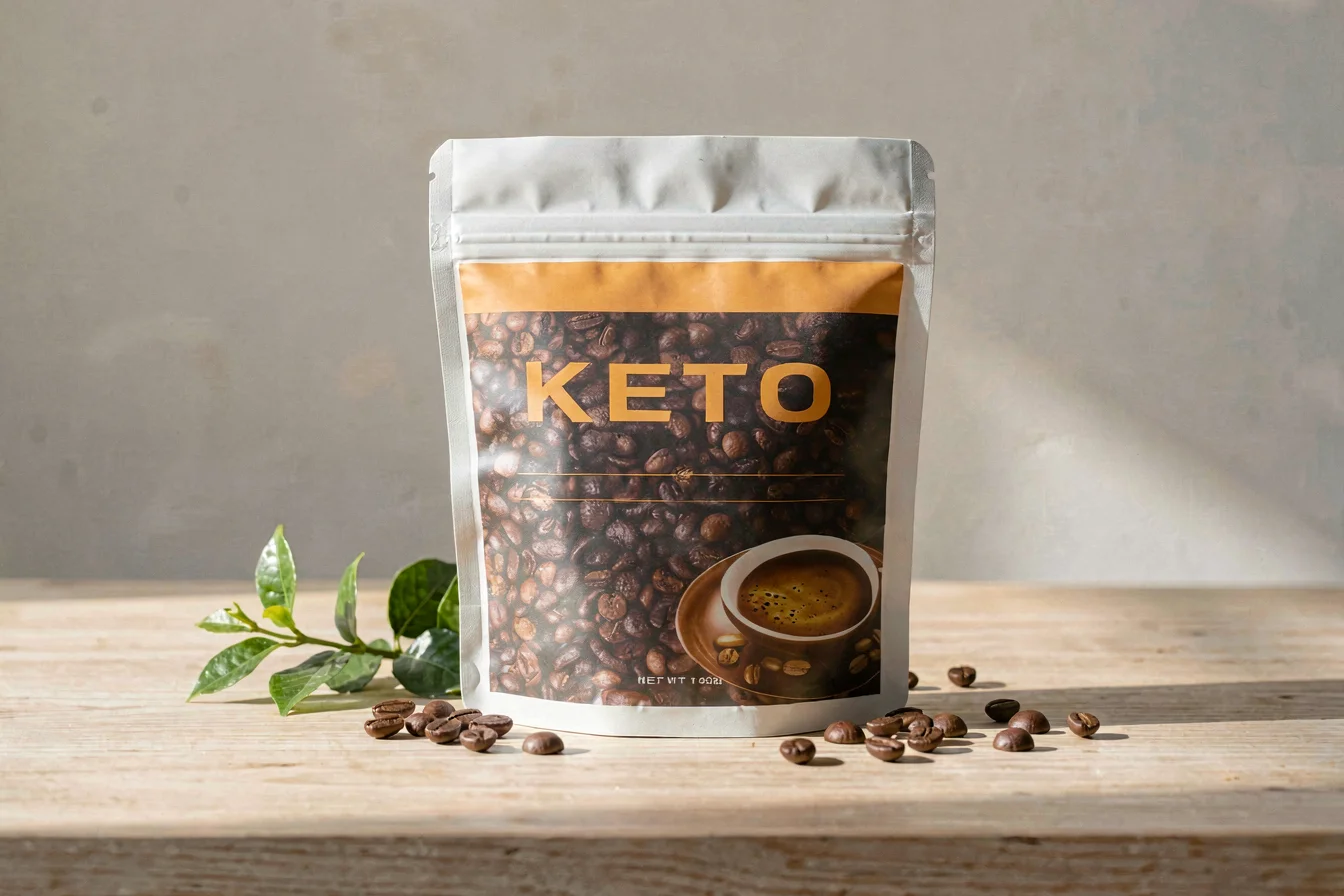
Neither slimming coffee nor lishou coffee is recommended for weight management due to FDA warnings about hidden pharmaceutical ingredients, including sibutramine and desmethylsibutramine, which pose serious cardiovascular risks [2][3]. Procurement should focus on safe, FDA-compliant alternatives to mitigate health hazards and supply-chain liability. Buyers must prioritize products with transparent ingredient lists and verified safety certifications.
Both slimming coffee and lishou coffee are marketed as weight management solutions, targeting consumers seeking rapid weight loss through dietary supplements. However, their core value proposition is undermined by serious safety concerns. The FDA has issued public warnings for both brands, confirming they contain banned pharmaceutical ingredients (sibutramine/desmethylsibutramine) that increase blood pressure, heart rate, and pose cardiovascular risks [2][3]. These ingredients were removed from the market in 2010 due to life-threatening side effects, yet both products persist as unregulated dietary supplements, often sold online.
The procurement dilemma centers on balancing consumer demand for weight loss solutions with supply-chain safety and regulatory compliance. Traditional challenges include lack of transparency in ingredient sourcing, absence of clinical efficacy data, and high risk of adverse health effects. Technological innovations—such as ingredient verification, batch testing, and digital traceability—are critical for mitigating these risks. In contrast, safe alternatives (e.g., black coffee, green tea) offer metabolic support and appetite suppression without pharmaceutical additives, aligning with regulatory requirements and consumer safety expectations.
| Feature | Slimming Coffee | Lishou Coffee |
|---|---|---|
| Active Ingredients | Sibutramine (banned drug) | Sibutramine/Desmethylsibutramine (banned drugs) |
| FDA Status | Publicly warned, banned | Publicly warned, banned |
| Health Risk | Cardiovascular, life-threatening | Cardiovascular, life-threatening |
| Clinical Efficacy | No evidence | No evidence |
| Supply Chain Compliance | Non-compliant | Non-compliant |
| Consumer Demand | Low, skeptical | Low, skeptical |
Both products are banned and unsafe; procurement should prioritize FDA-compliant alternatives with transparent ingredient lists.
Durability and reliability are not primary concerns for slimming coffee products since they are single-use dietary supplements, not consumer goods. The core issue is safety and long-term health impact. Both slimming coffee and lishou coffee pose immediate and chronic health risks due to hidden pharmaceutical ingredients [2][3]. Their application is limited to short-term weight loss attempts, with no proven long-term efficacy or safety. Real-world scenarios show that users may experience rapid weight loss, but this is often due to water/muscle loss rather than fat reduction, and can trigger dependency, metabolic disruption, and cardiovascular complications.
Long-term cost evaluation reveals hidden dangers: medical treatment for adverse effects, legal liability for suppliers, and reputational damage. Safe alternatives (black coffee, green tea, dietary supplements with verified ingredients) offer cost-effective, sustainable weight management with minimal risk. Procurement must factor in not only upfront price but also compliance costs, recall risks, and potential regulatory fines.
| Cost Factor | Slimming Coffee | Lishou Coffee |
|---|---|---|
| Initial Price | $10–$25/bottle | $10–$25/bottle |
| Maintenance | None | None |
| Replacement Frequency | Single-use | Single-use |
| Hidden Costs | Medical, legal, reputational | Medical, legal, reputational |
| Total 5-Year Cost | High (due to risk) | High (due to risk) |
Long-term cost is dominated by health and legal risks, not product price; safe alternatives offer sustainable value.
Weight management coffee products address a global demand for quick, accessible solutions, but their market relevance is constrained by regulatory scrutiny and health concerns. Urbanization and e-commerce have expanded access to slimming coffee products, yet consumer skepticism and FDA warnings have dampened demand [1]. Both slimming coffee and lishou coffee are primarily used by individuals seeking rapid weight loss, often without medical supervision.
Neither product excels in safety or compliance; market demand is driven by desperation and lack of alternatives.
Google Trends data shows steady, low-level global interest in both slimming coffee and lishou coffee , with “Weight Management Coffee” consistently trending higher, indicating consumer preference for safer, non-pharmaceutical alternatives [1]. Peaks in search interest correlate with regulatory warnings and public health campaigns, not actual product launches.
Search Interest over Time
Search interest in safe alternatives outpaces slimming coffee products, signaling a shift toward compliance and health-focused solutions.
Social media and Reddit discussions reveal widespread skepticism and caution around slimming coffee products. Users report rapid weight loss, but warn about dependency, metabolic disruption, and cardiovascular risks. Community sentiment favors black coffee, green tea, and dietary changes as safer alternatives [10]. Viral content themes include “detox drinks,” “appetite suppressants,” and “weight loss shortcuts,” but recurring debate points emphasize health risks and regulatory non-compliance.
Case Study 1: Rapid Weight Loss and Health Risks
A Reddit user shared their experience with slimming coffee, noting a 10kg loss in one month. Community responses emphasized the dangers of extreme weight loss, warning of water/muscle loss, dependency, and adverse health effects [10].
“I get why it sounds tempting, but be careful with ‘detox’ drinks or appetite-suppressing coffees especially ones promising extreme weight loss in a month. Losing 10 kg that fast is usually not safe and can mess with your metabolism, hydration, and nutrient intake.”
“Black coffee has same effect naman. It'll suppress yung appetite mo plus increase metabolism. Kahit di ako nagkakape, yan tinake ko instead of yung mga slimming drinks na yan.”
Case Study 2: Metabolic Effects and Appetite Suppression
Another Reddit user described losing 5 pounds a month while drinking coffee extensively, attributing weight loss to increased alertness and reduced snacking. Community responses highlighted the diuretic effect and calorie deficit as primary drivers, not the coffee itself [11].
“Well, coffee is a diuretic so that might be why.”
“If you're up to 3 to 4 in the morning and aren't usually, being awake burns more calories than sleeping. Combined with caffeine reducing appetite means…”
| Dimension | Slimming Coffee | Lishou Coffee |
|---|---|---|
| Overall Satisfaction | Very low (health risks) | Very low (health risks) |
| Most Praised Feature | Rapid weight loss | Rapid weight loss |
| Most Common Complaint | Health risks, dependency | Health risks, dependency |
| Community Recommendation Rate | Very low | Very low |
Social media sentiment overwhelmingly favors safe, natural alternatives for weight management.
Buyers should start by clarifying their core needs: Is rapid weight loss the primary goal, or is sustainable, safe weight management more important? What is the budget range, and are there must-have features (e.g., FDA compliance, ingredient transparency)? Are there regulatory constraints or liability concerns?
| Tier | Recommended Product | Key Reason |
|---|---|---|
| Budget-Friendly | Black Coffee | Low cost, safe, supports metabolism |
| Mid-Range | Green Tea | Appetite suppression, safe, clinical support |
| Premium | FDA-Compliant Dietary Supplements | Ingredient transparency, safety, efficacy |
Optimization tips: Buy during regulatory off-season to avoid recalls; bundle safe alternatives for cost savings; prioritize products with clinical validation and transparent ingredient lists. Common mistakes include ignoring health risks, relying on unverified claims, and overlooking regulatory compliance.
Safe, FDA-compliant products offer sustainable value and minimize procurement risk.
Key insights: Both slimming coffee and lishou coffee are banned and unsafe, posing serious health risks and supply-chain liability. Procurement should pivot to FDA-compliant alternatives, prioritizing transparency, clinical validation, and ingredient safety. Market trends indicate growing demand for natural, sustainable weight management solutions, with regulatory scrutiny intensifying. Over the next 6–12 months, buyers should expect stricter compliance requirements, increased recall risks, and greater consumer preference for safe, transparent products.
Procurement leaders should act now: Share your experiences to inform the community, and connect with wholesale platforms for safe, FDA-compliant weight management solutions.
Confident buyer action: Consumers should prioritize health and safety by avoiding banned products and sharing feedback with regulatory authorities. Commercial buyers should engage Alibaba.com to source FDA-compliant alternatives, ensuring supply-chain resilience and compliance.