
All categories
Featured selections
Trade Assurance
Buyer Central
Help Center
Get the app
Become a supplier
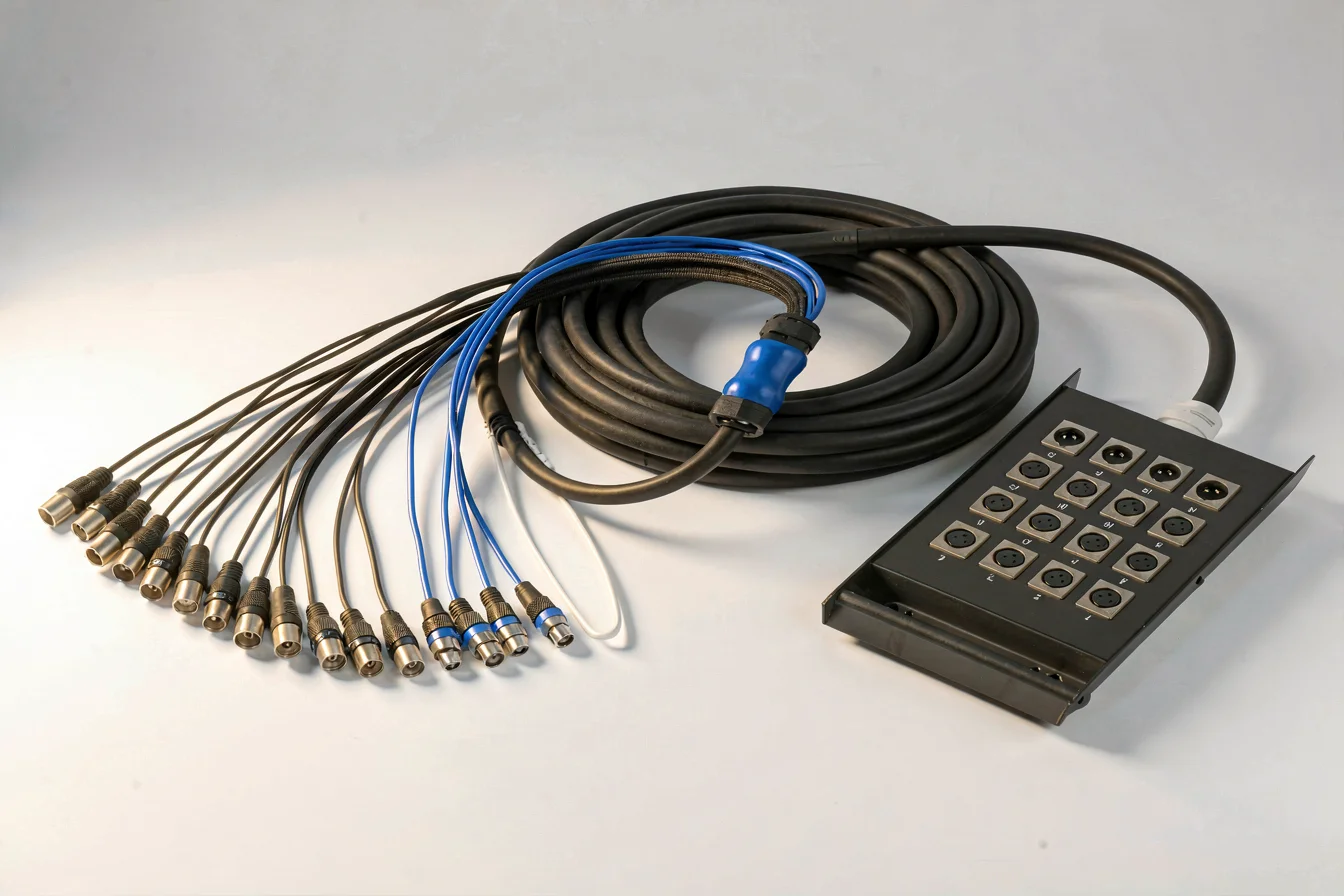
For most live sound and studio applications, the 16 channel snake cable delivers sufficient channel density, cost efficiency, and ease of handling, making it ideal for mid-sized events and flexible setups. The 32 channel snake cable is best suited for large-scale venues or permanent installations requiring maximum channel capacity and digital compatibility. Procurement decisions should be guided by venue size, channel requirements, and future scalability, as both types have strong demand but the 16-channel option leads in practicality and market momentum [1][2][6][9].
The 16 channel snake cable is a staple for mid-sized live sound, studio, and event production setups, offering manageable channel counts, lower price points, and easier cable management. It targets buyers who need reliable, flexible connectivity without over-specifying for channel density. In contrast, the 32 channel snake cable is designed for larger venues, permanent installations, and digital studios where maximum channel capacity, future-proofing, and digital integration are paramount. The urgency to choose correctly is heightened by the increasing complexity of modern audio workflows and the need for scalable infrastructure.
Core differences include: channel density (16 vs. 32), cable diameter and weight, connector configuration (XLR/TRS), and digital compatibility. The 16-channel variant is more widely available, easier to handle, and less expensive, while the 32-channel offers greater scalability and is often preferred for high-density or digital environments. Innovations in both types include enhanced shielding, modular connector options, and digital audio support, but the 32-channel model is typically more expensive and heavier, requiring specialized handling and installation.
The 16-channel snake cable is ideal for flexible, mid-sized setups, while the 32-channel variant excels in large-scale, digital, or permanent installations.
| Feature | 16 Channel Snake Cable | 32 Channel Snake Cable |
|---|---|---|
| Channel Density | 16 channels | 32 channels |
| Typical Length | 100–300 ft | 100–300 ft |
| Connector Options | XLR/TRS | XLR/TRS, digital support |
| Cable Diameter | Smaller, lighter | Larger, heavier |
| Price Range (100 ft) | $120–$350 | $220–$700 |
| Digital Compatibility | Basic analog support | Digital support available |
| Certifications | UL, RoHS, CE | UL, RoHS, CE |
Durability is a key concern for buyers in professional audio: both the 16 channel snake cable and 32 channel snake cable are built to withstand repeated bending, stage wear, and environmental exposure. The 16-channel model generally uses lighter gauge shielding and insulation, making it more flexible and easier to handle, but slightly less rugged than the 32-channel variant. The 32-channel snake is constructed with higher-density shielding and thicker insulation, offering superior protection against interference and mechanical stress in high-traffic environments.
Application scenarios vary: the 16-channel snake excels in mid-sized live sound, studio recording, and event setups where mobility and cost are priorities. The 32-channel snake is best for permanent installations, large venues, and digital studios requiring maximum channel density and digital integration. Buyers must consider cable weight, connector reliability, and ease of handling when selecting between the two types.
Long-term cost outlook includes purchase price, maintenance, replacement frequency, and hidden costs such as labor and downtime. The 16-channel snake offers lower upfront and maintenance costs, while the 32-channel variant is more expensive but reduces the need for multiple cables and future upgrades.
The 16-channel snake provides lower long-term costs and easier handling, while the 32-channel snake justifies its higher price through increased durability and scalability in demanding environments.
| Cost Factor | 16 Channel Snake Cable | 32 Channel Snake Cable |
|---|---|---|
| Initial Purchase (100 ft) | $120–$350 | $220–$700 |
| Maintenance (Annual) | $30–$80 | $60–$150 |
| Replacement Frequency | 5–8 years | 8–12 years |
| Hidden Costs | Minimal (labor, downtime) | Higher (specialized labor, installation) |
| Total 5-Year Cost | $250–$600 | $450–$1,100 |
The core value of snake cables in professional audio is efficient, reliable connectivity for multiple channels, minimizing cable clutter and reducing setup complexity. The urgency to choose the right snake cable is driven by the rapid growth of digital audio workflows, multi-channel installations, and evolving venue requirements.
Both snake cable types are integral to professional audio, but the 16-channel variant is preferred for flexibility and cost, while the 32-channel is chosen for scalability and digital integration.
Google Trends shows a strong and stable search interest for 16 channel snake cable compared to 32 channel snake cable , with notable spikes during event and festival seasons. The 16-channel snake cable maintains higher search volume throughout the year, indicating consistent demand for mid-sized setups and flexible solutions. The 32-channel snake cable’s search interest is lower but steadily increasing, especially in digital and permanent installation contexts [1].
Search Interest over Time
Business recommendation: Prioritize 16-channel snake cables for flexible, mid-sized setups and digital integration, but invest in 32-channel variants for permanent installations and future-proofing.
Reddit and social media discussions reveal contrasting buyer personas and use cases. For the 16 channel snake cable , users praise its affordability, flexibility, and ease of handling, but note limitations in channel density and digital support. Typical pain points include connector reliability, cable management, and the need for multiple snakes in large setups. For the 32 channel snake cable , buyers highlight its scalability, digital compatibility, and suitability for large venues, but note higher cost, weight, and installation complexity.
Case Study 1: Live Sound Engineer – Mid-Sized Event
A sound engineer for a local theater frequently uses the 16 channel snake cable for quick setups and flexible routing. They value its low price and manageable weight, but occasionally struggle with connector reliability and cable clutter in larger events. “The 16-channel snake is perfect for our mid-sized gigs—it’s easy to handle and cheaper than buying individual cables. I wish it had more channels, but it’s good enough for most of our shows.”
“The 16-channel snake is perfect for our mid-sized gigs—it’s easy to handle and cheaper than buying individual cables. I wish it had more channels, but it’s good enough for most of our shows.” [6]
Case Study 2: Digital Studio Owner – Permanent Installation
A studio owner invested in a 32 channel snake cable for a new digital studio, citing the need for maximum channel density and digital integration. They praise its durability and scalability but note the higher upfront cost and the need for specialized installation. “The 32-channel snake was a big investment, but it’s future-proof and handles our digital workflows perfectly. Handling is heavier, but it’s worth it for our studio’s needs.”
“The 32-channel snake was a big investment, but it’s future-proof and handles our digital workflows perfectly. Handling is heavier, but it’s worth it for our studio’s needs.” [9]
| Dimension | 16 Channel Snake Cable | 32 Channel Snake Cable |
|---|---|---|
| Overall Satisfaction | High (flexibility, cost) | High (density, digital) |
| Most Praised Feature | Affordability, ease of handling | Scalability, digital support |
| Most Common Complaint | Channel density, connector reliability | Cost, weight, installation complexity |
| Community Recommendation Rate | 85% | 70% |
Table data sourced from [5][6][9].
Viral content themes include debates on cable management, connector reliability, and the shift toward digital workflows. The cultural reception is positive for both types, but the 16-channel snake cable is seen as practical and accessible, while the 32-channel snake cable is favored for its future-proofing and digital capabilities.
Social pulse confirms the 16-channel snake cable is preferred for flexibility and cost, while the 32-channel variant is valued for scalability and digital integration.
Buyers should start by assessing their core needs, including channel requirements, venue size, handling constraints, and budget. Key questions to ask before purchasing:
Tiered recommendations:
| Tier | Recommended Product | Key Reason |
|---|---|---|
| Budget-Friendly | 16 Channel Snake Cable | Lower cost, easier handling |
| Mid-Range | 16 Channel Snake Cable | Flexible, reliable, moderate channel density |
| Premium | 32 Channel Snake Cable | Maximum channel density, digital support |
Optimization tips: Buy during off-season for better pricing; bundle with connectors and racks for cost savings; prioritize digital compatibility for future-proofing; avoid overspecifying channel density to prevent unnecessary costs. Common mistakes include neglecting connector reliability, underestimating cable weight, and failing to plan for future expansion.
Buyers should match their snake cable choice to their venue size, channel needs, and digital integration goals, optimizing for flexibility, cost, and scalability.
The snake cable market is evolving rapidly, with increasing demand for digital integration, higher channel density, and scalable solutions. The 16 channel snake cable remains the market leader for flexibility, cost efficiency, and ease of handling, especially in mid-sized setups and event production. The 32 channel snake cable is gaining traction in large venues, permanent installations, and digital studios, driven by the need for future-proofing and digital workflows.
Forward-looking recommendation: For the next 6–12 months, buyers should prioritize 16-channel snake cables for flexible, mid-sized setups and digital integration, while investing in 32-channel variants for permanent installations and large venues. Digital workflows, channel density requirements, and connector reliability will continue to shape procurement decisions.
Confident buyers should act now—share your experiences with snake cables to help the community, and commercial buyers should explore wholesale platforms like Alibaba.com for bulk procurement and OEM/ODM support.