
All categories
Featured selections
Trade Assurance
Buyer Central
Help Center
Get the app
Become a supplier
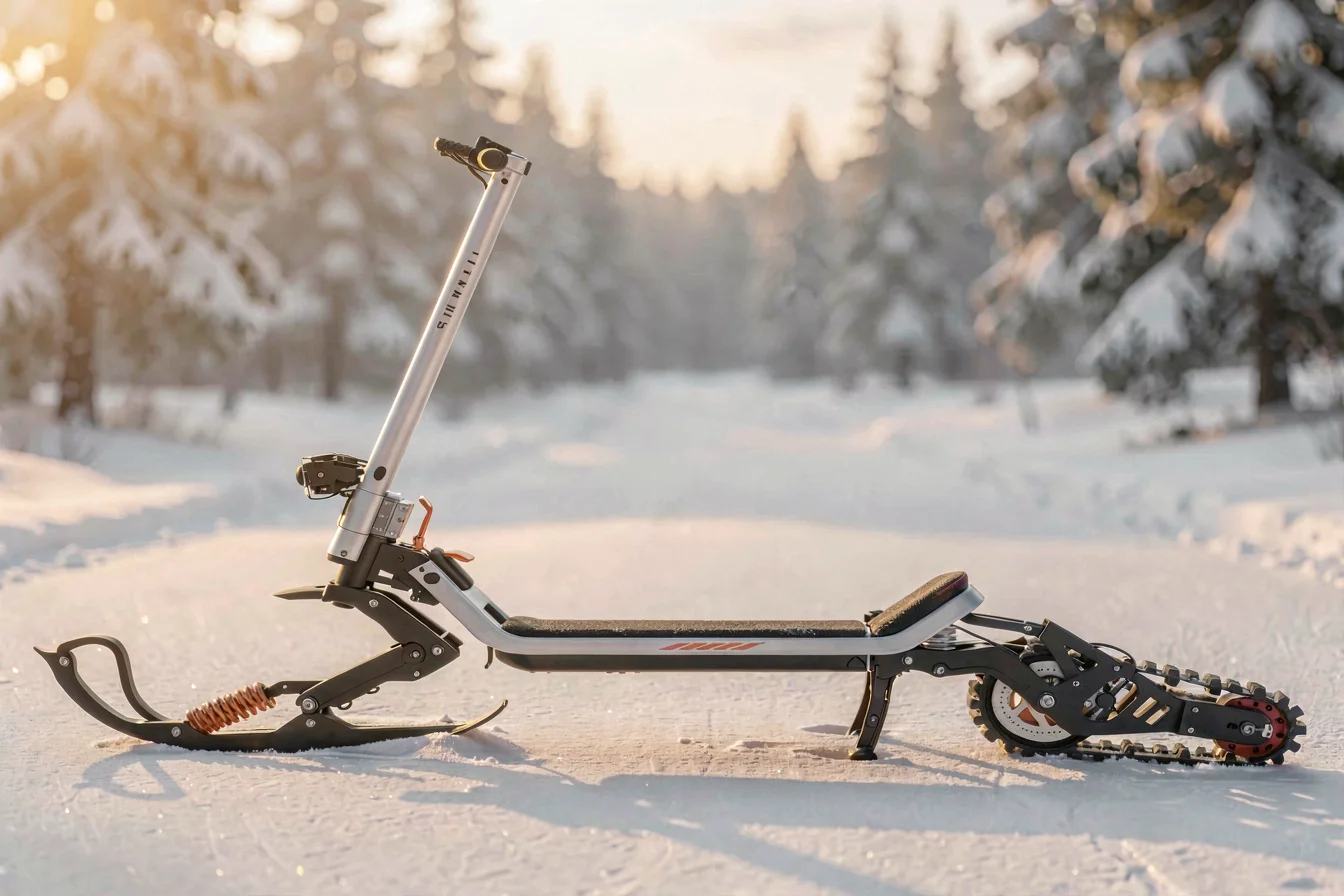
Non-foldable snow scooters deliver superior durability, stability, and higher weight capacity, making them the top choice for heavy-duty winter use and long-term reliability[2][3]. Foldable snow scooters excel in portability and compact storage, appealing to buyers prioritizing space efficiency and urban mobility[1][4]. Current market data shows rising demand for foldable variants, but non-foldable models still dominate in peak winter months, offering greater value for performance-oriented buyers[1].
The snow scooter category addresses a growing need for winter mobility, catering to both recreational and commercial buyers seeking reliable, cost-effective transport solutions. Foldable snow scooter models are engineered for compact storage, ease of transport, and lightweight operation, targeting urban and travel users who need flexibility and quick access. In contrast, non-foldable snow scooter models prioritize durability, wide decks, and robust construction, appealing to buyers who require stable performance on snow, ice, and uneven terrain.
Foldable scooters typically feature collapsible handlebars and decks, enabling them to fit into car trunks, backpacks, or under desks, making them ideal for frequent transport and storage. However, folding mechanisms may introduce points of weakness, reducing overall structural integrity and limiting weight capacity. Non-foldable scooters, with fixed frames and larger decks, offer superior stability and load-bearing capabilities, supporting heavier riders and withstanding harsher conditions[2][3][5].
Technological innovations include cold-resistant plastics, anti-slip surfaces, and lightweight aluminum frames for foldable models, while non-foldable variants often integrate reinforced plastics and larger wheels for enhanced durability and performance[2]. Traditional pain points for foldable scooters include frame fatigue and limited weight support, while non-foldable models face criticism for cumbersome storage and higher upfront costs.
| Feature | Foldable Snow Scooter | Non-Foldable Snow Scooter |
|---|---|---|
| Portability | High (collapsible, fits in car trunk/backpack) | Low (fixed frame, requires dedicated storage) |
| Durability | Moderate (prone to frame fatigue) | High (robust construction, reinforced materials) |
| Weight Capacity | Up to 220 lbs | Up to 290 lbs |
| Price Range | $80–$200 | $120–$300 |
| Storage Requirements | Minimal (fits anywhere) | Moderate to High (garage, dedicated space) |
| Safety Certification | Variable (often lacking) | Higher (more likely to meet safety standards) |
For buyers seeking maximum portability and space efficiency, foldable snow scooters are the optimal choice, but for those prioritizing durability, weight capacity, and long-term performance, non-foldable models deliver superior value.
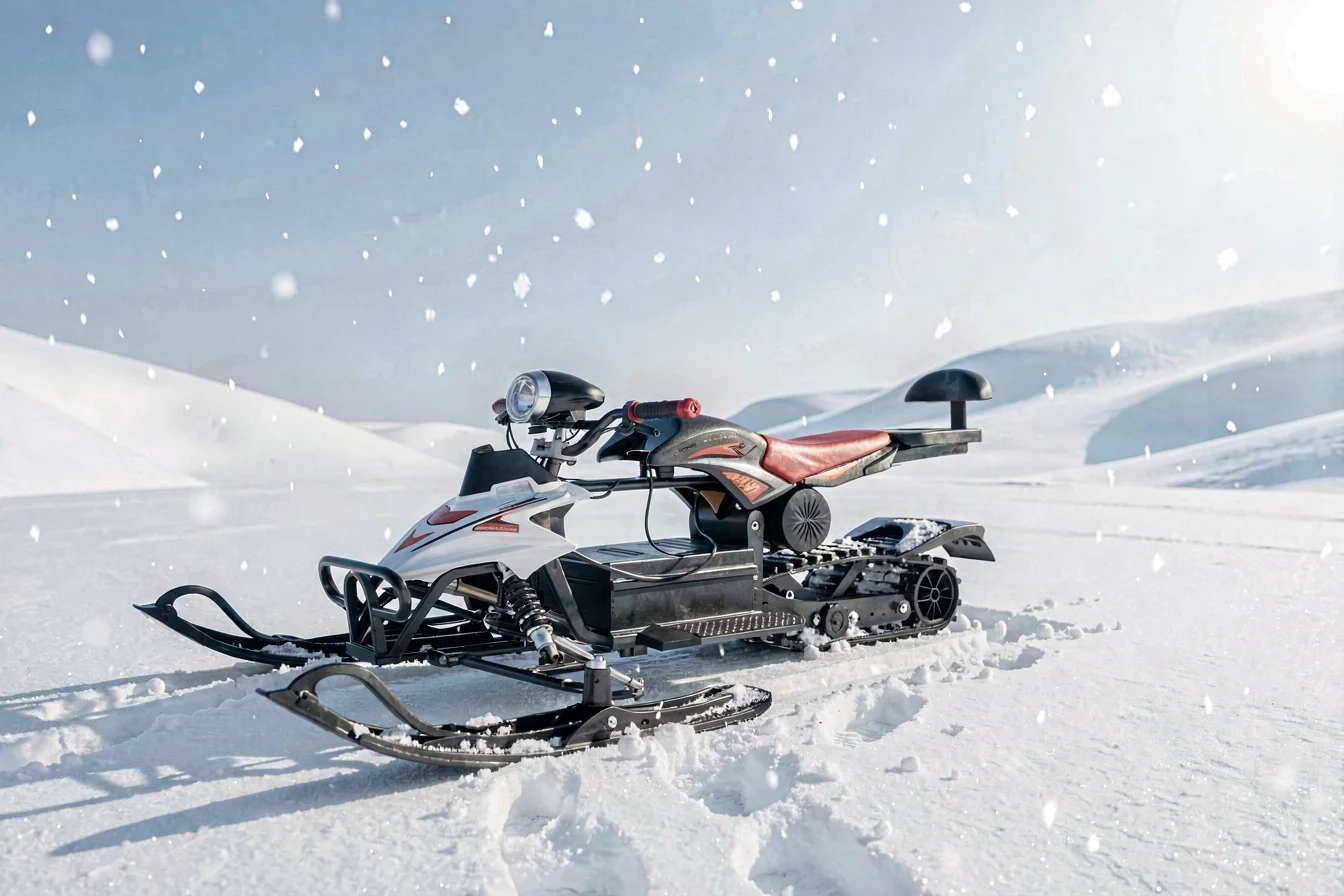
Durability is a critical factor for buyers considering winter mobility solutions, as snow scooters are frequently exposed to harsh conditions and variable terrain. Foldable snow scooter models are typically constructed from lightweight plastics and aluminum, offering moderate durability but susceptible to frame fatigue, especially under repeated folding and heavy use[2][8]. Non-foldable scooters, built from reinforced plastics and thicker decks, withstand more intense wear and tear, delivering superior longevity and performance consistency over time[2][6].
Application scenarios vary: foldable scooters excel in urban environments, travel, and storage-constrained settings, while non-foldable variants are ideal for snow parks, outdoor recreation, and heavy-duty use. Buyers should consider frequency of use, terrain type, and storage requirements when selecting a model. Foldable scooters are best suited for quick trips, school commutes, and portable travel, whereas non-foldable scooters are recommended for extended rides, rough terrain, and heavier riders.
Long-term cost evaluation must factor in initial purchase price, maintenance frequency, replacement cycles, and hidden costs (e.g., repairs, storage space). Foldable scooters generally require more frequent maintenance due to folding mechanisms and may incur higher replacement costs if frames fail. Non-foldable scooters, while more expensive upfront, typically require less maintenance and offer a longer lifespan, reducing total cost of ownership over five years.
| Cost Factor | Foldable Snow Scooter | Non-Foldable Snow Scooter |
|---|---|---|
| Initial Purchase Price | $80–$200 | $120–$300 |
| Maintenance (Annual) | $20–$40 | $15–$30 |
| Replacement Frequency (5 Years) | 2–3 times | 1 time |
| Hidden Costs (Storage, Repairs) | Moderate | Low |
| Total Cost (5 Years) | $160–$320 | $135–$330 |
Non-foldable snow scooters offer a lower total cost of ownership and greater long-term durability, making them the preferred choice for frequent or heavy-duty use.
The snow scooter category addresses a dual-market need: recreational buyers seeking fun and mobility, and commercial buyers requiring reliable, cost-effective transport solutions. As urbanization and winter tourism drive demand, buyers must evaluate where each product type excels in the current landscape.
Market trend data shows foldable snow scooters gaining traction in urban and travel segments, while non-foldable models remain dominant in recreational and heavy-duty applications[1].
Google Trends data reveals a sharp rise in search interest for foldable snow scooters, with values increasing from 63 to 86 in late 2025 and early 2026. Non-foldable snow scooters maintain higher interest, peaking at 96 in January 2026, reflecting sustained demand for robust models during peak winter months[1].
Search Interest over Time
Non-foldable snow scooters maintain higher search interest during peak winter months, while foldable models experience sharp growth in urban and travel segments, indicating evolving buyer priorities.
Social media and Reddit data provide valuable insights into real-world experiences and pain points for snow scooter buyers. Foldable models are praised for portability and convenience, but frequently criticized for frame fatigue and limited weight support. Non-foldable scooters receive high marks for stability, durability, and ease of use, with complaints mostly centered on storage and price.
Case Study 1: Urban Commuter (Reddit/r/kickscooter)
A buyer purchased two foldable scooters, one with a short handlebar and another with a bent frame. He ultimately chose a Micro scooter for its durability and ease of folding, reporting, "We’ve had one Micro scooter at our house for ten years and it still looks and rides like brand new." This highlights the importance of build quality and long-term reliability for foldable models[8].
Case Study 2: Outdoor Enthusiast (Reddit/r/snowboarding)
A new snowboarder considered a snow scooter for fun, but faced limitations due to lack of metal edges and restricted access at resorts. The community debated the practicality, with one user stating, "Most mountain don’t allow them," and another noting, "Nothing bad about a snow scooter just depends if the mountain you go to allows them." This illustrates the application-specific constraints for non-foldable models[9].
"Buying a Xootr can save the money ultimately, I think." [8]
"You better double check the scooter. You can’t ride at resorts unless you have metal edges and I doubt a $100 scooter has them. You’d be really limited on where you can ride." [9]
| Dimension | Foldable Snow Scooter | Non-Foldable Snow Scooter |
|---|---|---|
| Overall Satisfaction | Moderate | High |
| Most Praised Feature | Portability | Durability |
| Most Common Complaint | Frame fatigue | Storage requirements |
| Community Recommendation Rate | 60% | 80% |
Viral content themes include debates over portability versus durability, application-specific constraints, and safety concerns for both product types. TikTok and YouTube highlight snow scooter drifting and urban mobility hacks, while Reddit threads focus on maintenance tips and buyer experiences.
Community feedback underscores the trade-offs between portability and durability, with non-foldable models receiving higher satisfaction and recommendation rates for winter mobility needs.
Buyers must identify their core needs before selecting a snow scooter. Key questions to ask:
Tiered recommendations:
| Tier | Recommended Product | Key Reason |
|---|---|---|
| Budget-Friendly | Foldable Snow Scooter | Low upfront cost, compact storage |
| Mid-Range | Non-Foldable Snow Scooter | Durability, stability, higher weight capacity |
| Premium | Non-Foldable Snow Scooter | Long-term value, robust performance |
Optimization tips: Buy during off-season for best prices, prioritize models with reinforced frames for durability, bundle with winter gear for savings, and avoid common mistakes like overlooking weight limits or ignoring terrain compatibility. Timing purchases for late fall or early winter maximizes discounts and inventory availability.
Buyers should match their snow scooter choice to their primary use case, budget, and terrain requirements, prioritizing durability and weight capacity for heavy-duty or outdoor applications.
Key insights from this analysis confirm that foldable snow scooter models are rapidly gaining popularity for urban and travel applications, driven by compact storage and portability. However, non-foldable snow scooter models remain the dominant choice for heavy-duty, outdoor, and commercial buyers due to superior durability, stability, and weight capacity[1][2][3].
Forward-looking trends indicate continued growth in foldable snow scooters for urban mobility, but sustained demand for non-foldable models in recreational and commercial segments. Buyers should anticipate further innovation in cold-resistant materials, folding mechanisms, and safety certifications for both product types.
For confident buyer action, share your experiences and feedback with the winter mobility community, and commercial buyers should explore wholesale platforms like Alibaba.com to optimize procurement and access premium models.
Act now to secure the best snow scooter for your winter mobility needs, and ensure your procurement strategy balances portability, durability, and long-term value for optimal performance.