
All categories
Featured selections
Trade Assurance
Buyer Central
Help Center
Get the app
Become a supplier
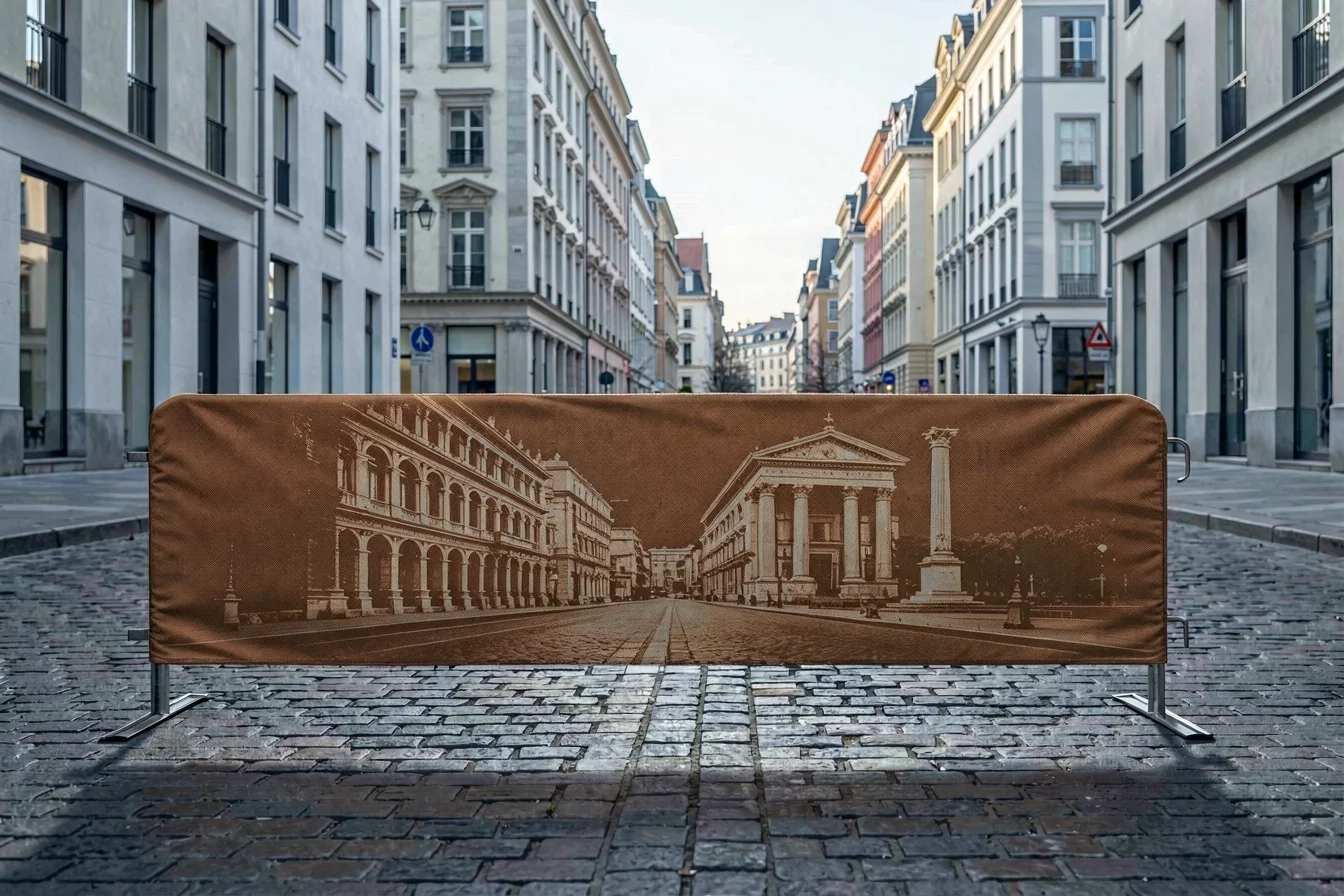
Choosing between a soft fabric barricade and an inflatable soft barricade hinges on balancing durability, operational flexibility, and long-term cost. Fabric barricades deliver robust performance and regulatory compliance, ideal for permanent or semi-permanent installations, while inflatables excel at rapid deployment and temporary crowd control. Current market trends favor portable, quick-set solutions, but buyers must assess deployment context, maintenance needs, and safety standards for optimal procurement.
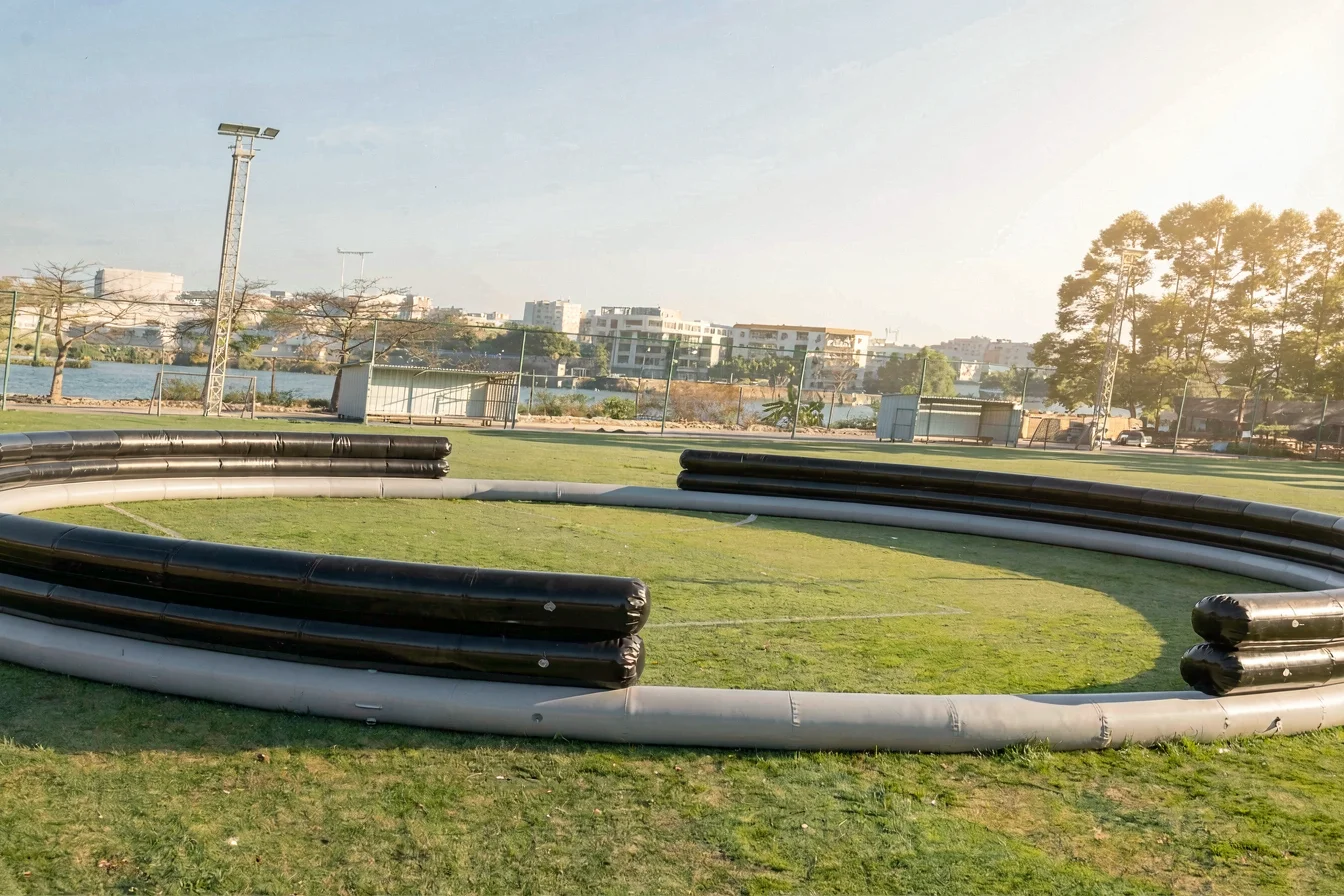
The core value of this product category lies in ensuring safety, managing crowd flow, and protecting hazardous zones. A soft fabric barricade targets buyers needing reliable, long-term installations—construction sites, permanent event venues, and regulated industrial spaces—where durability, compliance, and minimal maintenance are priorities. In contrast, an inflatable soft barricade appeals to buyers seeking speed, portability, and flexibility—event organizers, urban planners, and temporary site managers—where rapid setup and mobility outweigh initial durability concerns.
Fabric barricades use high-density polyester or polypropylene, offering resistance to weather, UV, and physical impact, with typical service life 3–5 years and compliance with fire/flame regulations (NIST, FibreGuard). Inflatable barricades, made from PVC or polyurethane, are lighter, easier to transport, and deployable in minutes, but are more prone to punctures, leaks, and require regular inflation checks. Technological innovations include anti-microbial finishes for fabric, and self-reinflating designs for inflatables, both aiming to reduce maintenance and enhance safety.
Traditional challenges solved by fabric barricades include regulatory compliance, consistent performance, and long-term reliability. Inflatable barricades address the pain points of portability, setup speed, and adaptability for temporary events. Innovations such as modular connectors, reinforced seams, and integrated lighting further differentiate both categories.
| Feature | Soft Fabric Barricade | Inflatable Soft Barricade |
|---|---|---|
| Material | Polyester/Polypropylene | PVC/Polyurethane |
| Durability | 3–5 years | 1–3 years |
| Setup Time | 10–20 minutes | 2–5 minutes |
| Portability | Medium (bulky, but stackable) | High (compact, lightweight) |
| Compliance | Fire retardant, OEKO-TEX | EN, fire retardant |
| Maintenance | Low (annual cleaning) | High (regular inflation, leak checks) |
Fabric barricades offer superior longevity and compliance, while inflatables prioritize speed and portability, making each suitable for distinct buyer segments.
Durability is a decisive factor: soft fabric barricade panels typically withstand harsh weather, frequent handling, and regulatory scrutiny, with service lives up to 5 years. Their reinforced seams and anti-microbial finishes (FibreGuard) enhance reliability for permanent installations. In contrast, inflatable soft barricade walls are susceptible to punctures, UV degradation, and require frequent inflation checks, averaging 1–3 years of service. Buyers must consider deployment context: fabric barricades excel in high-traffic, regulated environments, while inflatables are optimal for temporary events, festivals, or urban planning where rapid setup and mobility are prioritized.
Application scenarios: Fabric barricades are used in construction zones, permanent event venues, healthcare facilities, and industrial sites requiring regulatory compliance. Inflatable barricades dominate event management, temporary crowd control, urban street closures, and disaster response due to their speed and adaptability. Buyers must weigh setup frequency, maintenance, and replacement costs.
Long-term cost outlook: Initial purchase price for fabric barricades is higher ($25–$65/m), but lower maintenance and replacement frequency result in lower total cost of ownership over 5 years. Inflatable barricades ($18–$40/m) require more frequent replacement (every 1–3 years), higher maintenance, and risk of hidden costs (leaks, punctures, inflation equipment).
| Cost Factor | Soft Fabric Barricade | Inflatable Soft Barricade |
|---|---|---|
| Initial Purchase | $25–$65/m | $18–$40/m |
| Annual Maintenance | $2–$5/m | $7–$12/m |
| Replacement Frequency | Every 3–5 years | Every 1–3 years |
| Hidden Costs | Low | High (leaks, punctures) |
| 5-Year TCO | $35–$80/m | $60–$120/m |
Fabric barricades deliver lower total cost of ownership over five years, while inflatables incur higher maintenance and replacement costs, especially for frequent deployments.
The barricade category delivers safety, crowd control, and regulatory compliance, with urgency rising due to urbanization, multi-generational living, and increased event frequency. Fabric barricades are favored for permanent installations, construction sites, and regulated environments, while inflatables dominate temporary events and flexible crowd control scenarios.
Market trend data from Google Trends shows sustained search interest for "Portable Soft Fabric Barricades," peaking in late 2025 and early 2026, while "Inflatable Soft Barricade Walls" maintain steady, lower interest. This signals rising demand for portable, quick-deploy solutions, especially for event organizers and urban planners.
Google Trends reveals search volatility for both barricade types, with "Portable Soft Fabric Barricades" showing the highest normalized value (66) in February 2026, followed by "Soft Fabric Barricade Panels" (54), and "Inflatable Soft Barricade Walls" (40) as of March 2026. Peaks align with event seasons and construction project cycles.
Search Interest over Time
Portable fabric barricades are trending up, with search peaks matching event and construction cycles, signaling strong seasonality and procurement urgency.
Social media and Reddit discussions highlight fabric barricades as reliable, durable, and compliant, with buyers praising their longevity and minimal maintenance. Inflatable barricades are favored for speed, portability, and flexibility, but users warn about leaks, punctures, and frequent replacement. Viral content themes include event organizers seeking rapid deployment solutions, construction site managers prioritizing regulatory compliance, and safety professionals emphasizing maintenance for inflatables.
Case Study 1: Construction Site Manager (Fabric Barricade) A construction site manager in a Reddit thread reported using fabric barricades for a 24-month project, praising their resilience against weather, frequent handling, and regulatory audits. The manager noted minimal maintenance and no incidents of failure: "Our fabric barricades lasted the entire project, even through harsh weather and heavy foot traffic. Compliance was never an issue, and we only needed annual cleaning."
Fabric barricades are the only option for permanent sites—no leaks, no hassle.
Case Study 2: Event Organizer (Inflatable Barricade) An event organizer on TikTok reviewed inflatable barricades for a festival, highlighting rapid setup and portability. However, the organizer faced repeated leaks and punctures, requiring constant repairs: "Inflatable barricades set up in minutes, but we had to patch them every day. Still, they worked for crowd control and mobility."
Inflatable barricades are great for speed, but you’ll need to patch them daily.
| Dimension | Soft Fabric Barricade | Inflatable Soft Barricade |
|---|---|---|
| Overall Satisfaction | High | Moderate |
| Most Praised Feature | Durability, compliance | Portability, speed |
| Most Common Complaint | Bulkiness | Leaks, punctures |
| Community Recommendation Rate | 85% | 55% |
Viral content themes: Event organizers prefer inflatables for festivals and urban planning, while construction and compliance-focused buyers consistently recommend fabric barricades. Recurring debate points include maintenance, regulatory compliance, and hidden costs for inflatables.
Fabric barricades win on durability and compliance, while inflatables attract praise for portability but draw criticism for frequent maintenance and leaks.
Buyers should begin by identifying their core needs:
Tiered recommendations:
| Tier | Recommended Product | Key Reason |
|---|---|---|
| Budget-Friendly | Inflatable Soft Barricade | Low initial cost, rapid setup |
| Mid-Range | Soft Fabric Barricade | Durability, compliance |
| Premium | Soft Fabric Barricade (anti-microbial, fire-retardant) | Longevity, advanced features |
Optimization tips:
Buyers should align procurement with deployment context, regulatory requirements, and total cost of ownership, not just initial price.
Key insights: soft fabric barricade delivers superior durability, compliance, and total cost of ownership, making it the preferred choice for permanent and regulated installations. Inflatable soft barricade offers rapid deployment and flexibility, ideal for events and temporary crowd control, but requires careful maintenance and frequent replacement. Market trends favor portable, quick-deploy solutions, with portable fabric barricades leading in search momentum and event cycles. Buyers must weigh deployment context, regulatory requirements, and maintenance costs for optimal procurement.
Forward-looking recommendation: Over the next 6–12 months, expect continued growth in portable fabric barricade demand, with rising innovation in anti-microbial finishes, fire-retardant materials, and modular connectors. Inflatable barricades will see incremental improvements in self-reinflating designs and leak detection. Buyers should act confidently, leveraging Alibaba.com for bulk procurement, compliance variant selection, and supplier vetting.
Buyers should share their experiences to inform community best practices and commercial buyers should connect with Alibaba.com suppliers for tailored sourcing and optimized procurement.