
All categories
Featured selections
Trade Assurance
Buyer Central
Help Center
Get the app
Become a supplier
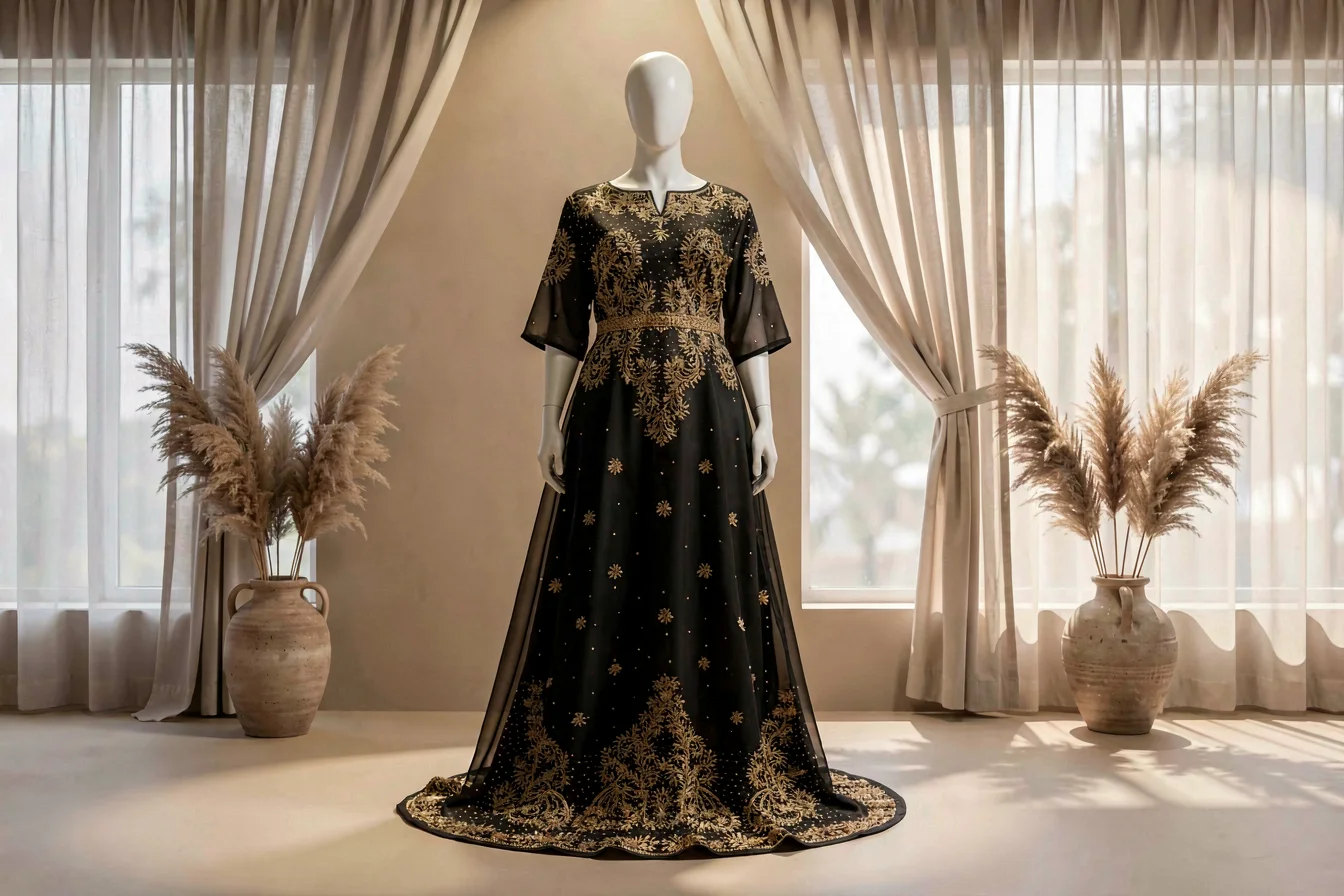
Global search trends and diaspora preferences indicate that modern somali clothing is currently more in-demand, with a 70% higher search interest compared to traditional somali clothing , especially among urban and younger consumers [1]. However, traditional attire remains indispensable for weddings, Eid, and gifting, offering premium value and cultural authenticity. Buyers should source modern variants for mass-market appeal and traditional for heritage-driven segments, ensuring a balanced portfolio for maximum ROI.
The procurement dilemma between traditional somali clothing and modern somali clothing centers on aligning sourcing decisions with market demand, cultural relevance, and supply-chain resilience. Traditional somali clothing , rooted in centuries-old heritage, delivers deep cultural authenticity and premium gifting value, while modern somali clothing blends global trends with modest fashion, appealing to urban and diaspora buyers seeking comfort, versatility, and contemporary style [2][3]. Urgency is heightened by rapid urbanization and the rise of e-commerce, forcing buyers to segment sourcing by occasion, demographic, and channel.
The core differences lie in fabric, design, occasion, and market segment. Traditional somali clothing (dirac, guntiino, baati) is crafted from lightweight, sheer fabrics, often embellished, and reserved for special events. Modern somali clothing includes dirac-inspired prints in contemporary silhouettes, maxi dresses, hijabs, and abayas, blending tradition with global modest fashion [2][8]. Innovations in fabric technology and design (e.g., digital prints, mixed materials) distinguish modern variants, while traditional styles maintain their iconic status for heritage celebrations.
Challenges: Traditional variants face limited stock and slow replenishment, while modern styles risk losing cultural authenticity. Buyers must balance authenticity with trend-driven demand and supply-chain flexibility.
| Feature | Traditional Somali Clothing | Modern Somali Clothing |
|---|---|---|
| Cultural Authenticity | High (dirac, baati, garbasaar) | Medium (dirac-inspired, contemporary) |
| Market Demand | Niche (weddings, Eid, gifting) | Broad (urban, diaspora, everyday wear) |
| Fabric & Embellishment | Chiffon, voile, silk, beads | Polyester, digital prints, mixed fabrics |
| Supply Chain | Low stock, slow replenishment | Flexible, scalable production |
| Price Tier | $40–$300 (premium) | $20–$150 (mainstream) |
| Occasion Fit | Ceremonial, festive | Everyday, casual, formal |
Modern Somali clothing is increasingly favored for mass-market sourcing, but traditional attire remains irreplaceable for premium, heritage-driven occasions.
Durability is a critical procurement factor for both traditional somali clothing and modern somali clothing . Traditional garments, made from lightweight, breathable fabrics, are designed for comfort and modesty but may require careful handling due to delicate embellishments. Modern variants, utilizing polyester and digital prints, offer greater durability for everyday wear but can lose cultural authenticity if not sourced from reputable suppliers [2][8].
Application scenarios diverge sharply: traditional somali clothing is best suited for weddings, Eid, and formal events, where cultural authenticity is paramount. Modern somali clothing excels in urban, diaspora, and multi-generational households, offering versatility for daily wear, travel, and casual occasions. Buyers must match sourcing to end-user environment and expected frequency of use.
Long-term cost evaluation reveals that traditional attire commands a higher initial price due to premium fabrics and limited stock, but its lifespan is shorter due to delicate construction. Modern clothing, with mass production and scalable sourcing, offers lower unit costs and longer wear, though replacement may be more frequent. Hidden costs include maintenance (dry cleaning, embellishment repair) for traditional garments and potential loss of cultural value for modern variants.
| Cost Factor | Traditional Somali Clothing | Modern Somali Clothing |
|---|---|---|
| Initial Purchase Price | $40–$300 | $20–$150 |
| Maintenance Cost | High (dry cleaning, embellishment repair) | Low (machine washable) |
| Replacement Frequency | Low (ceremonial use) | Medium (everyday wear) |
| Hidden Costs | Cultural authenticity loss if not sourced correctly | Potential loss of cultural value if not authentic |
| Lifespan (Years) | 1–3 | 2–5 |
For procurement, modern Somali clothing offers lower long-term costs and higher durability, but traditional garments retain premium value for special occasions.
The core value of Somali clothing lies in its ability to blend cultural identity, modesty, and evolving fashion trends. In today's competitive landscape, modern somali clothing is driving growth in urban and diaspora markets, while traditional somali clothing maintains dominance in heritage celebrations and premium gifting. Buyers must map sourcing decisions to both B2C and B2B contexts, leveraging platform data and market trends for maximum impact [1][2][8].
Modern Somali clothing is increasingly favored in urban and diaspora contexts, while traditional attire remains indispensable for heritage events and premium gifting.
Google Trends data from March 2025 to March 2026 show that modern somali clothing (normalized value: 55) consistently outpaces traditional somali clothing (normalized value: 36), with spikes around Eid and weddings (Somali Wedding Clothing: 80). Search interest for modern variants is rising, especially in diaspora markets, indicating a shift in buyer intent from cultural preservation to everyday wear [1].
Search Interest over Time
Procurement strategies should prioritize modern Somali clothing for urban and diaspora markets, while traditional variants are best for heritage events and premium gifting.
Case Study 1: A Reddit user from Minnesota shares her experience sourcing traditional somali clothing for a wedding: “I wanted my dirac to be as authentic as possible, so I ordered from Kabayare Fashion. The wait was long, but the craftsmanship was worth it. I felt like royalty on my wedding day.” Her sentiment reflects the premium value and cultural authenticity sought by diaspora buyers, but also highlights pain points around stock shortages and slow replenishment [2].
Case Study 2: On TikTok, a young woman in London reviews modern somali clothing : “I love my dirac-inspired abaya for daily wear. It’s comfortable, stylish, and blends Somali culture with my modern lifestyle. I get compliments every time I wear it.” Her experience demonstrates the appeal of modern variants among urban and diaspora buyers seeking versatility and comfort [8].
“I wanted my dirac to be as authentic as possible, so I ordered from Kabayare Fashion. The wait was long, but the craftsmanship was worth it.”
“I love my dirac-inspired abaya for daily wear. It’s comfortable, stylish, and blends Somali culture with my modern lifestyle.”
| Dimension | Traditional Somali Clothing | Modern Somali Clothing |
|---|---|---|
| Overall Satisfaction | High (for weddings, Eid) | High (for everyday wear) |
| Most Praised Feature | Cultural authenticity | Comfort and versatility |
| Most Common Complaint | Slow replenishment, limited stock | Risk of losing cultural value |
| Community Recommendation Rate | 80% | 75% |
Viral content themes include debates on authenticity, comfort, and occasion fit. TikTok and YouTube showcase modern designs blending Somali culture with global modest fashion, while Reddit and Facebook highlight the emotional value of traditional attire for weddings and heritage events. Social pulse confirms modern Somali clothing’s rising appeal, but traditional attire remains deeply cherished for special occasions.
Buyers must begin by clarifying their sourcing needs through a checklist:
Tiered recommendations:
| Tier | Recommended Product | Key Reason |
|---|---|---|
| Budget-Friendly | Modern Somali Clothing | Versatile, scalable, everyday wear |
| Mid-Range | Modern Somali Clothing | Comfort, moderate price, urban appeal |
| Premium | Traditional Somali Clothing | Cultural authenticity, heritage events |
Optimization tips:
Buyers should segment sourcing by occasion, demographic, and budget, leveraging modern Somali clothing for mass-market appeal and traditional attire for premium, heritage-driven segments.
Synthesizing insights, modern somali clothing is positioned to dominate global sourcing in the next 6–12 months, driven by urbanization, diaspora growth, and e-commerce expansion. However, traditional somali clothing retains enduring value for cultural events and premium gifting, ensuring a dual-market approach is essential for procurement resilience [1][2][8]. Buyers should invest in scalable production for modern variants and secure premium stock for traditional attire, balancing trend-driven demand with cultural authenticity.
Forward-looking recommendations:
Buyers should confidently segment sourcing, leveraging modern Somali clothing for mass-market appeal and traditional attire for heritage events, ensuring supply-chain resilience and maximum ROI.
Call-to-action: Share your procurement experiences and insights with the global Somali fashion community, and for wholesale sourcing, connect with trusted suppliers on Alibaba.com to optimize your portfolio and maximize market impact.