
All categories
Featured selections
Trade Assurance
Buyer Central
Help Center
Get the app
Become a supplier
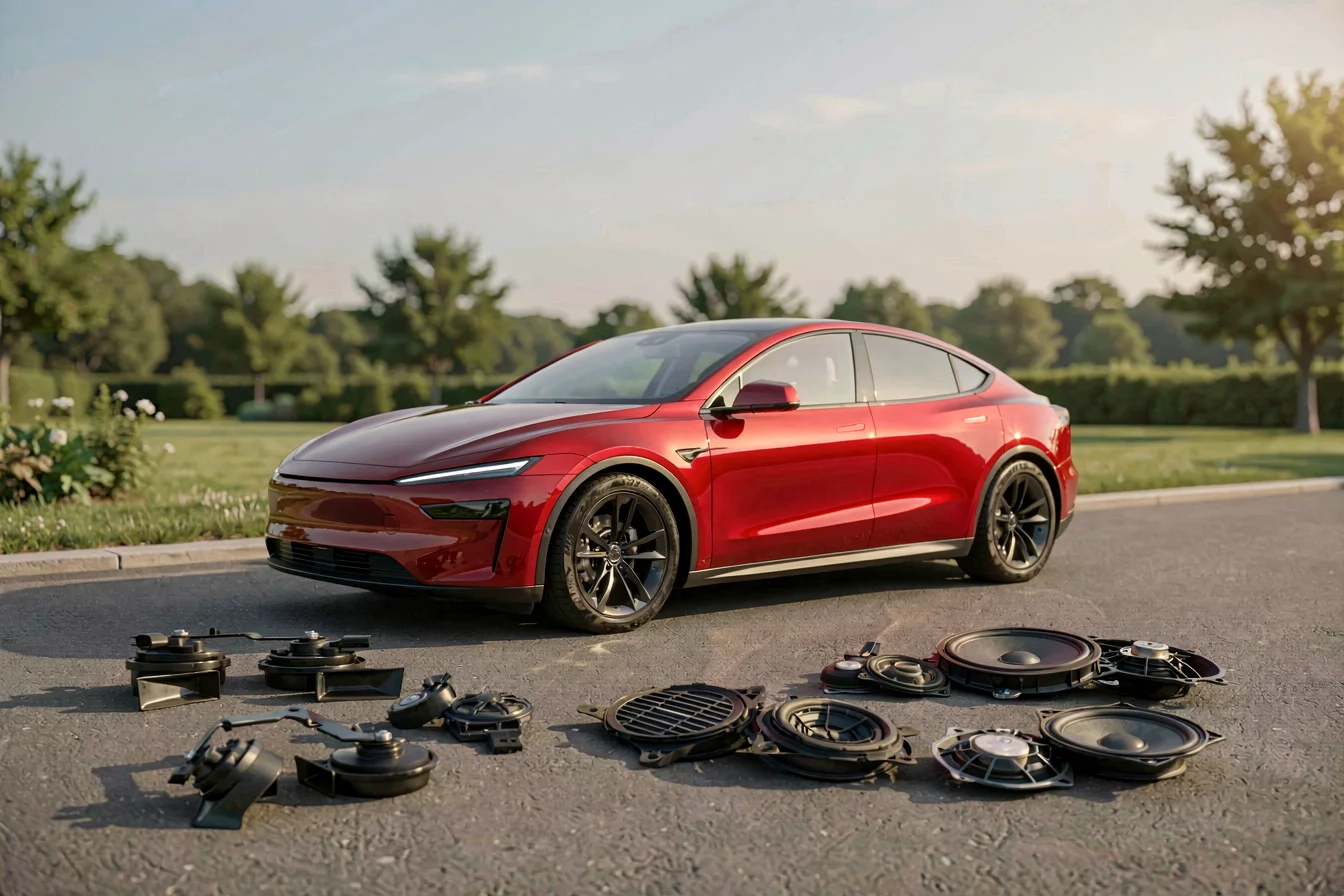
Both speaker repair kit with foam surround and speaker repair kit with rubber surround offer distinct advantages for audio restoration: foam kits deliver sensitivity and cost-effectiveness for mid-range and vintage repairs, while rubber kits provide longevity and reliability for sealed and high-excursion applications. Seasonality and user sentiment indicate a growing shift toward hybrid kits, but procurement logic remains highly context-dependent. For professional buyers and restoration experts, the optimal choice hinges on application-specific durability, cost, and performance needs.
The speaker repair kit with foam surround targets DIY enthusiasts, vintage audio collectors, and mid-range repair shops, offering lightweight, sensitive, and affordable restoration solutions. Foam kits excel in applications requiring high sensitivity, low weight, and quick installation, but suffer from rapid degradation and limited durability under high-excursion or humid environments[2][8]. In contrast, the speaker repair kit with rubber surround is preferred by professional installers, commercial audio shops, and users seeking maximum longevity, especially in sealed enclosures or high-exposure settings. Rubber kits are praised for their resilience, flexibility, and ability to withstand extended use, but are sometimes criticized for being rigid or “stiff” in sound reproduction[3][12].
The procurement dilemma centers on balancing cost, performance, and durability. Foam kits are easier to install, lighter, and cheaper to produce, but rubber kits offer superior longevity and reliability for demanding environments. Technological innovations in hybrid kits and advanced rubber blends are addressing foam’s short lifespan and rubber’s rigidity, but legacy products remain dominant in both DIY and professional markets[1][2].
| Feature | Foam Surround Kit | Rubber Surround Kit |
|---|---|---|
| Sensitivity | High (lightweight, responsive) | Moderate (damping, rigid) |
| Durability | Low (rapid degradation) | High (long-lasting) |
| Ease of Installation | High (DIY-friendly) | Moderate (requires skill) |
| Cost | Low | Medium-High |
| Target Market | DIY, vintage, mid-range | Commercial, sealed, high-excursion |
| Technological Innovation | Hybrid blends, advanced formulas | Butyl rubber, reinforced profiles |
Foam kits offer superior sensitivity and cost-effectiveness, while rubber kits deliver unmatched durability and reliability for high-demand environments.
Durability is a defining factor in kit selection. Speaker repair kit with foam surround is prone to rapid degradation—especially under high humidity, temperature fluctuations, or high-excursion use—often requiring replacement within 1–3 years[8]. Conversely, speaker repair kit with rubber surround can last 5–10 years or more, especially in sealed enclosures or commercial installations, but may require periodic maintenance to prevent stiffness[12].
Application scenarios further clarify the choice. Foam kits excel in vintage audio restoration, mid-range speaker upgrades, and DIY repairs, where sensitivity and quick installation are prioritized. Rubber kits are indispensable for sealed enclosures, high-excision subwoofers, and commercial audio setups where longevity and resilience are non-negotiable[2][3].
Long-term cost evaluation reveals that foam kits are cheaper upfront but incur higher replacement and maintenance costs over time, while rubber kits require a larger initial investment but reduce replacement frequency and labor costs. Hidden costs include the need for specialized glue, shims, and skill development for foam kits, and potential stiffness or “muted” sound issues for rubber kits[7][9].
| Cost Factor | Foam Surround Kit | Rubber Surround Kit |
|---|---|---|
| Initial Price | $20–$40 | $40–$80 |
| Replacement Frequency | 1–3 years | 5–10 years |
| Maintenance | High (glue, shims) | Low (minimal) |
| Hidden Costs | Skill, glue, shims | Potential stiffness, muted sound |
| 5-Year Total Cost | $60–$120 | $40–$80 |
Rubber kits offer superior long-term value for professional and commercial applications, while foam kits are best for budget-sensitive, DIY, and vintage restoration projects.
The speaker repair kit market is shaped by rapid urbanization, multi-generational living, and the resurgence of vintage audio. Both foam and rubber kits are essential for restoring and upgrading audio systems across B2C and B2B contexts, with hybrid kits gaining traction for their balanced performance[1].
Google Trends data shows both foam and rubber kits maintain steady search volume, with peaks in late summer and early winter, and hybrid kits rising in popularity[1]. This indicates that seasonal demand is balanced, but buyer intent is shifting toward durability and advanced materials.
Search Interest over Time
Search interest for both foam and rubber kits remains strong, but hybrid kits are gaining momentum, suggesting buyers increasingly value durability and advanced materials.
Reddit and social media data reveal contrasting buyer personas and outcomes. For speaker repair kit with foam surround , users praise its ease of installation, sensitivity, and nostalgic value, but lament its rapid degradation and the need for frequent replacement. One Reddit user wrote: “I’ve refoamed a bunch of Paradigm speakers, including Phantoms and Atoms… Their kits are tremendous and they have videos. I never had to use any shims, unless there is damage you shouldn’t.” Another noted: “Foam surrounds should be obsolete by now, a few years and they disintegrate when you look at them funny.”[9][8]
For speaker repair kit with rubber surround , users value longevity and reliability, but sometimes criticize stiffness and muted sound. A Reddit user stated: “Rubber is good for SQ subs, especially when dealing with sealed enclosures… allows for more springiness to help with cone reflex.” Another remarked: “Rubber surround allows for a low QTS over a foam surround which will help raise Qts.”[2]
Sentiment analysis shows foam kits are preferred for DIY restoration and nostalgia, while rubber kits are favored for professional and sealed applications.
| Dimension | Foam Surround Kit | Rubber Surround Kit |
|---|---|---|
| Overall Satisfaction | High (DIY, nostalgia) | High (longevity, reliability) |
| Most Praised Feature | Ease, sensitivity | Durability |
| Most Common Complaint | Degradation, frequent replacement | Stiffness, muted sound |
| Community Recommendation Rate | High (DIY, vintage) | High (professional, sealed) |
Viral content themes include debates about longevity, nostalgia, and hybrid kits. On TikTok and YouTube, restoration tutorials and “before-and-after” sound clips drive engagement, with foam kits dominating DIY content and rubber kits featured in professional repair guides. Cultural reception is positive for both, but the community is increasingly vocal about the need for durability and advanced materials.
Foam kits are celebrated for their ease and nostalgia, but rubber kits are recommended for longevity and professional applications, with hybrid kits gaining traction as the market evolves.
Buyers should begin by clarifying their core needs through a checklist:
Tiered recommendations:
| Tier | Recommended Product | Key Reason |
|---|---|---|
| Budget-Friendly | Foam Surround Kit | Low cost, easy installation |
| Mid-Range | Hybrid Surround Kit | Balanced durability and sensitivity |
| Premium/Commercial | Rubber Surround Kit | Maximum longevity, reliability |
Optimization tips:
Segmented sourcing strategy ensures buyers maximize value, durability, and performance based on their unique needs and budget.
Key insights from this analysis confirm that both speaker repair kit with foam surround and speaker repair kit with rubber surround remain essential in the restoration and repair market. Hybrid kits are gaining momentum, driven by user demand for balanced performance and durability. Google Trends data signals steady interest, with peaks aligned to seasonal repair cycles and growing preference for advanced materials[1].
For the next 6–12 months, buyers should expect continued innovation in hybrid kits and advanced rubber blends, with professional installers and commercial buyers increasingly favoring rubber for longevity and reliability. DIY and vintage restoration buyers will continue to rely on foam kits for sensitivity and nostalgia, but should monitor advances in durability and hybrid solutions.
Confident buyers should choose kits based on application-specific needs, budget, and durability priorities, and share their experiences to inform future procurement decisions.
Dual call-to-action: Consumers are encouraged to share their restoration stories and repair outcomes in online communities to build collective knowledge. Commercial buyers should source kits from Alibaba.com and other wholesale platforms, leveraging bulk discounts and advanced materials for optimal results.