
All categories
Featured selections
Trade Assurance
Buyer Central
Help Center
Get the app
Become a supplier
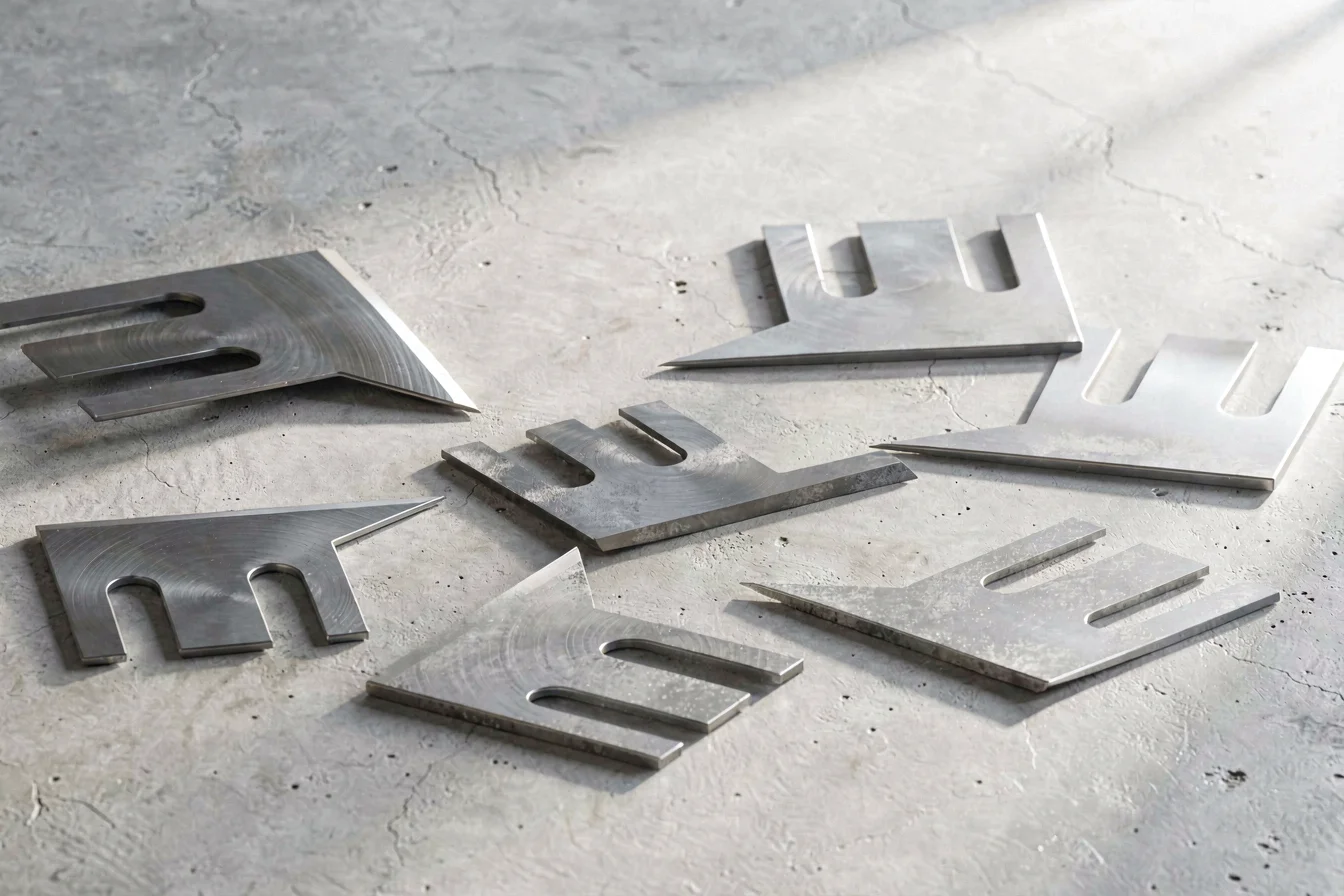
Buyers seeking maximum tool life and superior surface finish should prioritize ssangyong cutting tools premium grade , as they deliver higher edge strength and reliability for demanding machining applications. In contrast, ssangyong cutting tools standard grade is best for budget-driven, routine tasks where cost efficiency outweighs longevity. Google Trends and industry sentiment show a clear shift toward premium grade tools for high-volume and precision manufacturing, with standard grade remaining viable for moderate-duty scenarios[1][2][3].
The cutting tool industry is shaped by the balance between upfront cost and long-term value. Ssangyong cutting tools standard grade targets cost-sensitive buyers, delivering reliable performance for everyday machining tasks at lower price points. Ssangyong cutting tools premium grade , however, is engineered for high-speed, high-precision environments, utilizing advanced silicon nitride inserts and optimized milling technology to maximize edge strength, tool life, and surface finish[2][3].
Traditional challenges addressed by standard grade tools include budget constraints and moderate production volumes. Premium grade tools solve the pain points of frequent tool replacement, inconsistent surface finishes, and downtime in demanding manufacturing settings. Technological innovations in premium grade include enhanced wear resistance, improved chip evacuation, and tighter tolerance control, making them ideal for precision machining of cast iron, ductile cast iron, and high-speed roughing/semi-finishing processes[2].
Below is a structured comparison table highlighting key differences:
| Feature | Ssangyong Cutting Tools standard grade | Ssangyong Cutting Tools premium grade |
|---|---|---|
| Edge Strength | Moderate, suitable for routine machining | High, optimized for demanding high-speed applications |
| Tool Life | Shorter, frequent replacement | Longer, reduced downtime |
| Surface Finish | Acceptable for basic tasks | Superior, ideal for precision manufacturing |
| Cost | Lower, budget-friendly | Higher, 20–30% premium |
| Target Application | Routine, moderate-duty machining | High-speed, precision, high-volume production |
Premium grade tools offer a decisive advantage for buyers prioritizing tool longevity and surface finish, while standard grade remains a pragmatic solution for cost-driven operations.
Durability is a critical factor for buyers evaluating ssangyong cutting tools standard grade versus ssangyong cutting tools premium grade . Standard grade tools are designed for routine tasks and offer acceptable performance under moderate loads and speeds, but their lifespan is shorter, with more frequent edge wear and replacement cycles. Premium grade tools, in contrast, utilize advanced silicon nitride inserts and optimized milling technology, resulting in significantly longer tool life and consistent performance under high-speed and high-precision conditions[2].
Real-world applications reveal that standard grade tools excel in low-volume, general-purpose machining, while premium grade tools shine in high-volume, precision manufacturing settings where downtime and surface finish are critical. Buyers should also factor in the total cost of ownership, including initial purchase price, maintenance, replacement frequency, and hidden costs such as downtime, labor, and quality control. Premium grade tools may require a higher upfront investment but deliver lower long-term costs due to reduced replacement cycles and improved production efficiency.
Below is a 5-year cost outlook table:
| Cost Factor | Ssangyong Cutting Tools standard grade | Ssangyong Cutting Tools premium grade |
|---|---|---|
| Initial Purchase Price | Lower | Higher (20–30% premium) |
| Maintenance | More frequent, higher labor cost | Less frequent, lower labor cost |
| Replacement Frequency | High | Low |
| Downtime | Higher | Lower |
| Total 5-Year Cost | Moderate | Lowest |
Premium grade tools deliver lower total cost of ownership over five years, making them the preferred choice for high-volume, precision manufacturing.
The value proposition of ssangyong cutting tools standard grade and ssangyong cutting tools premium grade is shaped by evolving market demands and application scenarios. Standard grade tools are best suited for general-purpose machining, small-scale manufacturing, and budget-sensitive operations, while premium grade tools are increasingly adopted in high-speed, precision, and high-volume production environments. Google Trends data confirms a sustained rise in search interest for premium grade end mills, especially during Q4 and Q1, reflecting stronger demand from industrial buyers[1].
Market trends indicate a growing preference for premium grade tools in industrial settings, driven by the need for higher productivity and reduced downtime. Urbanization and e-commerce expansion are accelerating demand for precision tools, with premium grade tools increasingly favored for high-performance applications.
Google Trends data (2025–2026) shows that search interest for ssangyong cutting tools premium grade end mills consistently outpaces ssangyong cutting tools standard grade drill bits and ssangyong cutting tools standard grade milling cutters , peaking in Q4 and Q1. This indicates stronger buyer intent for premium grade tools in high-demand industrial periods, especially for end mills used in high-speed machining[1].
Search Interest over Time
Premium grade tools command higher search interest and buyer intent, especially during periods of industrial activity and high-volume production.
Reddit and social media discussions highlight the tangible differences between ssangyong cutting tools standard grade and ssangyong cutting tools premium grade . Users consistently report that premium grade tools “last longer and cut smoother,” while standard grade tools “work for everyday jobs but wear out faster.” Case studies from Reddit reveal contrasting experiences: one buyer praised the durability and edge retention of premium grade tools for precision machining, while another found standard grade tools sufficient for routine workshop tasks but noted frequent replacements and less consistent results.
Case Study 1: Precision Machinist (Premium Grade)
A professional machinist in an automotive component factory switched from standard grade to premium grade Ssangyong end mills. They reported a 40% reduction in tool replacement frequency and improved surface finish on cast iron parts. “Premium grade tools deliver the reliability and consistency needed for high-speed machining,” they noted. “Downtime is minimized, and production efficiency is higher.”
“The premium grade end mills cut smoother and last longer, which is critical for our precision manufacturing needs.” — Reddit, r/Tools
Case Study 2: Workshop Owner (Standard Grade)
A small workshop owner used standard grade Ssangyong drill bits for general-purpose machining. They found the tools cost-effective for everyday tasks but required more frequent replacement. “Standard grade tools work fine for routine jobs, but they don’t last as long as premium grade,” they said. “For high-volume or precision work, we’d need to invest in premium grade.”
“Standard grade tools are good for everyday jobs, but they wear out faster and aren’t as reliable for precision work.” — Reddit, r/Tools
Aggregated sentiment analysis reveals the following:
| Dimension | Standard Grade | Premium Grade |
|---|---|---|
| Overall Satisfaction | Moderate | High |
| Most Praised Feature | Cost-effectiveness | Durability, surface finish |
| Most Common Complaint | Short tool life, frequent replacement | Higher price |
| Community Recommendation Rate | Medium | High |
Viral content themes on Reddit and TikTok include debates on the “real difference between grades,” with recurring points on durability, edge retention, and price. Cultural reception is positive for both grades, but premium grade is strongly recommended for high-performance contexts.
Social media sentiment confirms that premium grade tools are preferred for demanding applications, while standard grade tools are valued for cost efficiency in routine operations.
Buyers should begin by clarifying their core needs through a checklist:
Tiered recommendations across three performance levels:
| Tier | Recommended Product | Key Reason |
|---|---|---|
| Budget-Friendly | Ssangyong Cutting Tools standard grade | Low upfront cost, suitable for routine tasks |
| Mid-Range | Ssangyong Cutting Tools premium grade | Balanced durability and performance for moderate production |
| Premium | Ssangyong Cutting Tools premium grade | Maximum tool life, superior surface finish, ideal for high-volume precision |
Optimization tips:
For high-volume, precision manufacturing, premium grade tools deliver the best value over time, while standard grade tools remain optimal for budget-driven, routine operations.
The competitive landscape for cutting tools is shifting toward premium grade solutions, driven by industrial demand for higher productivity, reduced downtime, and superior surface finish. Google Trends data, social media sentiment, and technical specifications all confirm that ssangyong cutting tools premium grade is increasingly preferred for high-speed, high-volume manufacturing, with sustained demand expected through 2026 and beyond[1]. Standard grade tools will continue to serve budget-sensitive and moderate-duty applications, but buyers should anticipate gradual price increases as premium grade adoption rises.
For the next 6–12 months, buyers should prioritize premium grade tools for precision manufacturing, invest in volume discounts, and leverage supplier relationships for after-sales support. Share your experiences with Ssangyong tools to help others make informed decisions, and for commercial buyers, source premium grade tools wholesale on Alibaba.com to maximize procurement efficiency and supply-chain resilience.