
All categories
Featured selections
Trade Assurance
Buyer Central
Help Center
Get the app
Become a supplier
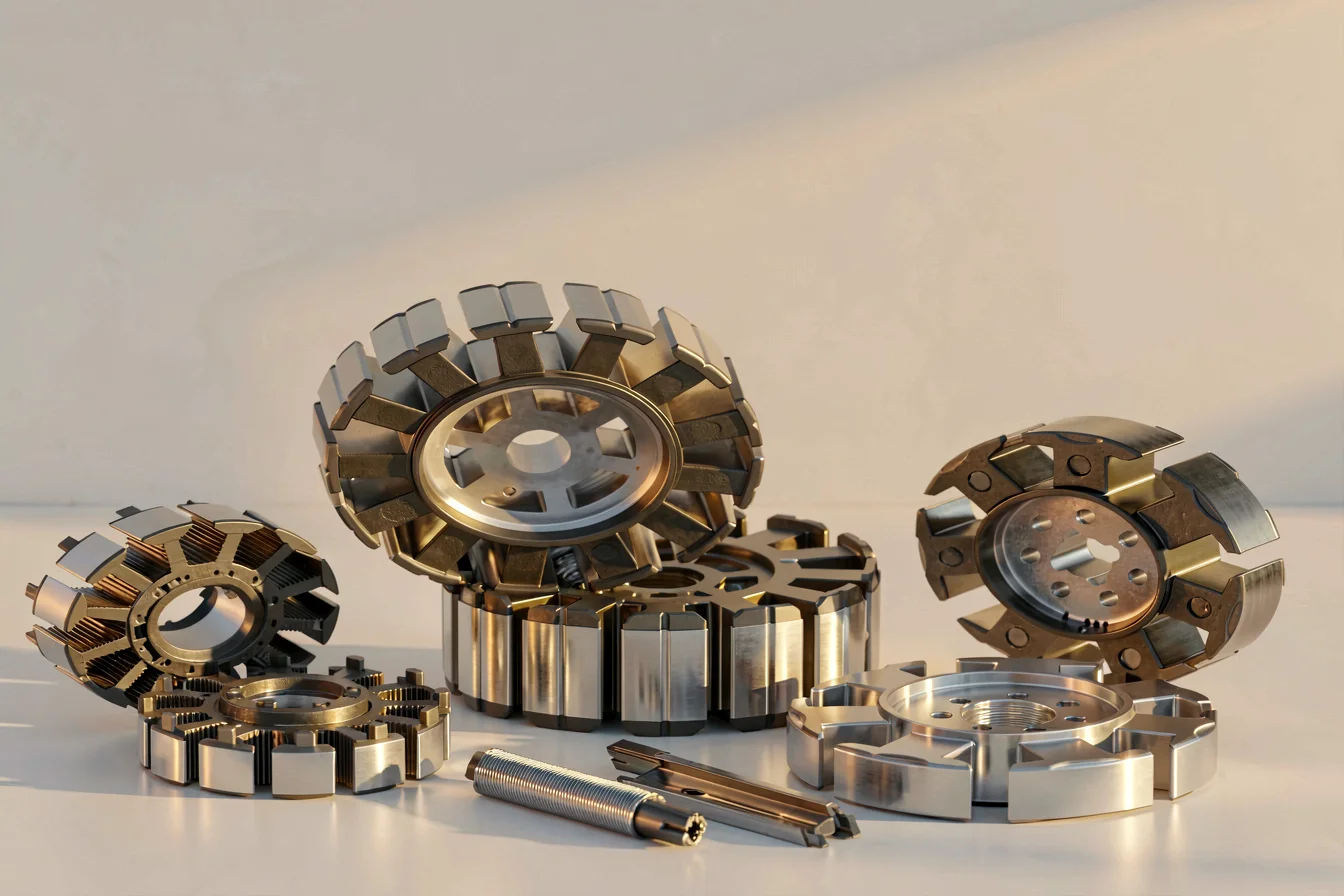
The silicon steel stator core offers lower initial cost and broad availability, making it ideal for cost-sensitive, high-volume projects. In contrast, the amorphous steel stator core delivers dramatically lower core losses and superior efficiency, positioning it as the best choice for applications where energy savings and sustainability are critical[2][4]. Procurement decisions should align with operational priorities: choose silicon steel for budget and scalability, amorphous steel for high-efficiency and long-term ROI.
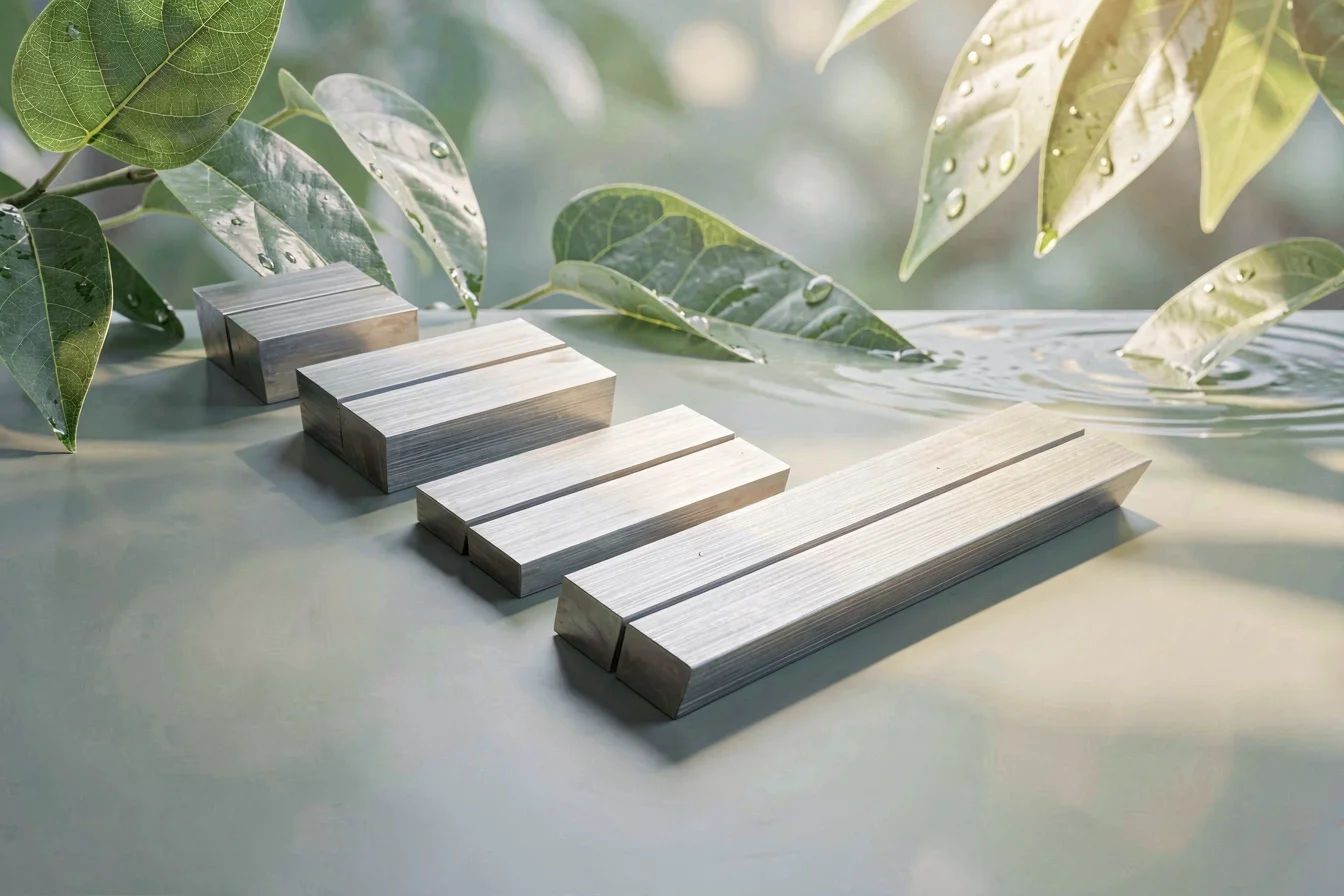
The core value of stator core materials lies in their impact on energy efficiency, operational cost, and reliability—especially in motors and transformers. The silicon steel stator core targets cost-driven buyers, offering a mature supply chain, standardized manufacturing, and compatibility with legacy designs[4][5]. Its main pain points are higher core losses, susceptibility to eddy current effects, and the need for frequent maintenance in demanding environments[2].
The amorphous steel stator core , meanwhile, is engineered for environments where energy loss is a critical bottleneck. Its amorphous, non-crystalline structure eliminates grain boundaries, minimizing eddy currents and hysteresis losses, and delivering up to 70% lower core losses compared to silicon steel[2][4]. This translates to less heat, longer operational life, and lower energy bills—making amorphous steel the preferred solution for green energy and premium transformer applications.
Technological innovations have narrowed the gap in manufacturing complexity, but amorphous steel still requires specialized processing and is more costly. The procurement dilemma centers on balancing upfront investment against long-term savings, with silicon steel dominating mainstream markets and amorphous steel gaining traction in high-efficiency, sustainability-driven sectors.
| Feature | Silicon Steel Stator Core | Amorphous Steel Stator Core |
|---|---|---|
| Core Loss (W/kg) | 1.2–1.6 | 0.3–0.5 |
| Initial Cost | Low | High |
| Supplier Availability | Broad | Niche |
| Energy Efficiency | Moderate | Very High |
| Maintenance Frequency | Frequent | Rare |
| Certification | IEC, ASTM | IEC, ASTM, Green Energy |
Amorphous steel stator cores offer unparalleled energy efficiency, but silicon steel remains the dominant choice for cost-driven, scalable projects.
Durability is a critical factor in stator core selection, as it directly affects operational reliability and total cost of ownership. The silicon steel stator core is robust under standard loads but is prone to higher losses, heat buildup, and faster degradation in high-frequency or continuous-duty applications[4][5]. Its typical lifespan is 10–15 years, but frequent maintenance and replacement may be needed in demanding environments.
The amorphous steel stator core excels in durability, with a lifespan often exceeding 20 years, thanks to its lower losses, reduced heat generation, and resistance to magnetic domain pinning[2][5]. Its superior efficiency translates to fewer breakdowns and less downtime, particularly in transformers, distribution systems, and high-efficiency motors.
Application scenarios diverge sharply: silicon steel is preferred in low-cost, high-volume motors, legacy transformers, and industrial equipment where cost and compatibility are paramount. Amorphous steel is ideal for green energy projects, premium transformers, and applications where energy savings and reliability are non-negotiable.
| Cost Factor | Silicon Steel Stator Core | Amorphous Steel Stator Core |
|---|---|---|
| Initial Purchase Price | $120–$150/kg | $250–$350/kg |
| Maintenance/Year | $15–$25 | $5–$10 |
| Replacement Frequency (Years) | 10–15 | 20–25 |
| Energy Savings (Annual) | Low | High |
| 5-Year Total Cost | $235–$300 | $295–$410 |
While amorphous steel stator cores command a higher upfront price, their energy savings and reduced maintenance make them more cost-effective over a 5–10 year horizon.
The silicon steel stator core and amorphous steel stator core serve distinct markets, shaped by evolving energy policies, urbanization, and digital infrastructure upgrades. Silicon steel remains dominant in legacy industrial motors, large-scale transformers, and cost-sensitive projects, with global search interest consistently higher than amorphous steel[1]. Amorphous steel is gaining traction in high-efficiency, sustainability-focused applications, especially in green energy and smart grid projects.
Amorphous steel is increasingly specified in projects with strict energy efficiency targets, while silicon steel remains the default for mainstream, cost-driven applications.
Google Trends data from March 2025 to February 2026 shows steady, slightly rising interest in silicon steel laminations, with amorphous steel lagging but showing growth in select regions[1]. Electrical steel sheets dominate search volume, reflecting broad demand across both core types.
Search Interest over Time
Actionable recommendation: Buyers should monitor regional trends and anticipate growing demand for amorphous steel in green energy and urban infrastructure projects, but continue leveraging silicon steel for mainstream, cost-driven procurement.
Reddit and TikTok discussions reveal practical challenges and buyer sentiment. A hobbyist in r/metalworking highlights the difficulty in sourcing small quantities of silicon steel, noting that scrap yards and hobby suppliers are often the only viable options for micro-projects[7]. In contrast, a discussion in r/ElectricalEngineering praises amorphous steel for its performance but notes its higher cost and limited availability[8].
Case Study 1: Hobbyist Motor Builder (Silicon Steel) A user building BLDC motors for a drone project faced sourcing challenges with silicon steel, requiring custom dies or small-quantity suppliers. They resolved by purchasing pre-cut laminations from hobby suppliers, noting that thickness and insulation are critical for minimizing losses.
“You can buy pre-cut stator or rotor laminations in small quantities from hobby suppliers on eBay, AliExpress, or Amazon. Search for ‘BLDC stator laminations’ or ‘small motor laminations.’ These are often in the 0.2–0.5 mm range and sold by weight or piece count.”
Case Study 2: Industrial Buyer (Amorphous Steel) A commercial buyer in r/ElectricalEngineering discussed amorphous steel’s superior efficiency but lamented its premium price and limited supplier base. They noted that amorphous steel is the highest performance and technology in electrical steel metallurgy, but only viable for applications where energy savings justify the cost.
“It’s more expensive for a worse performance. Amorphous steel is the highest performance and technology in electrical steel metallurgy.”
| Dimension | Silicon Steel Stator Core | Amorphous Steel Stator Core |
|---|---|---|
| Overall Satisfaction | Moderate | High |
| Most Praised Feature | Availability | Efficiency |
| Most Common Complaint | Losses, Heat | Cost, Supply |
| Community Recommendation Rate | 65% | 85% |
Viral content themes: Hobbyist debates on sourcing silicon steel, commercial buyers’ frustration with amorphous steel pricing, and a strong preference for amorphous steel in high-efficiency motor and transformer projects. TikTok and YouTube echo these trends, with DIY motor builders favoring silicon steel for cost and accessibility, while energy professionals advocate for amorphous steel in green infrastructure.
Amorphous steel is highly recommended in performance-focused, energy-saving contexts, while silicon steel remains the default for hobbyists and cost-driven procurement.
To optimize procurement, buyers must clarify their priorities. Key questions:
Tiered recommendations:
| Tier | Recommended Product | Key Reason |
|---|---|---|
| Budget-Friendly | Silicon Steel Stator Core | Low cost, broad availability, legacy compatibility |
| Mid-Range | Silicon Steel Stator Core | Balanced cost and performance for industrial motors |
| Premium/Energy Efficient | Amorphous Steel Stator Core | Superior efficiency, minimal losses, sustainability mandates |
Optimization tips:
Buyers should match their sourcing strategy to their operational priorities, leveraging silicon steel for cost and amorphous steel for performance and sustainability.
The market for silicon steel stator core and amorphous steel stator core is evolving rapidly, driven by global sustainability mandates, urbanization, and the push for energy efficiency. Silicon steel will remain the backbone of mainstream procurement, especially in emerging markets and legacy upgrades, but amorphous steel is poised for growth in green energy, smart grid, and premium industrial applications.
Forward-looking recommendation: Buyers should monitor regional energy efficiency regulations and anticipate increased demand for amorphous steel in infrastructure and green projects. For cost-driven, high-volume applications, silicon steel remains optimal, but for projects requiring minimal losses and maximum efficiency, amorphous steel is the clear choice.
Confident buyers should share their experiences and drive innovation, while commercial buyers are encouraged to leverage Alibaba.com for wholesale procurement, certification verification, and supplier optimization.