
All categories
Featured selections
Trade Assurance
Buyer Central
Help Center
Get the app
Become a supplier
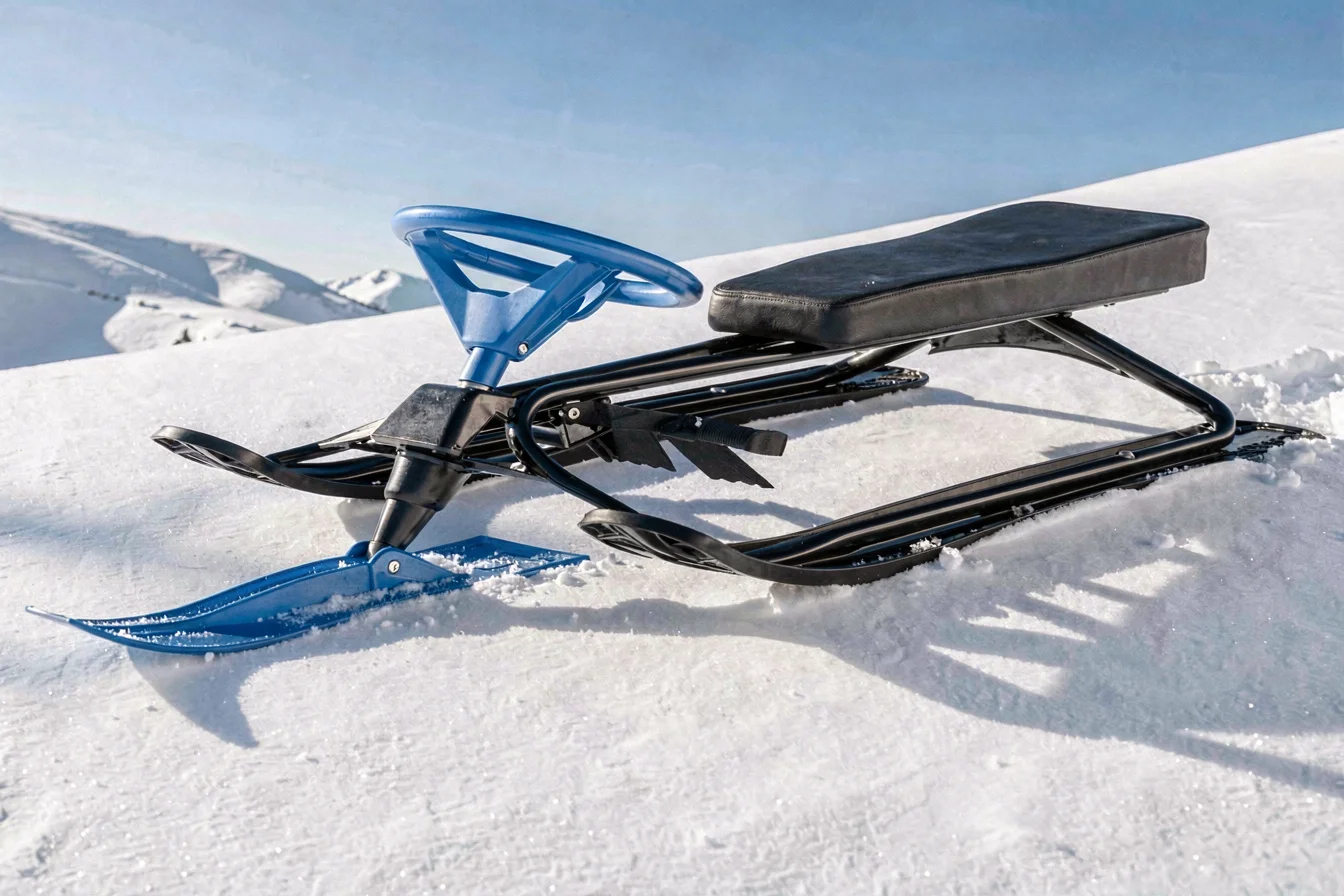
The steerable snow sled offers advanced control and thrill, ideal for enthusiasts and high-adrenaline buyers, while the traditional non-steerable snow sled remains dominant for family events and mass distribution due to its affordability and safety. Market data shows steady demand for non-steerable sleds, but rising interest in steerable models as urbanization and winter sports diversify[1][2]. Buyers should choose based on intended use, safety requirements, and budget—non-steerable sleds suit broad accessibility, while steerable sleds target specialty markets seeking superior maneuverability.
The core value of the steerable snow sled lies in its ability to provide control and maneuverability, making it appealing to advanced users and those seeking adrenaline. In contrast, the traditional non-steerable snow sled delivers simplicity, affordability, and safety, making it the go-to choice for families, schools, and mass-market events. Non-steerable sleds are typically lighter, easier to manufacture, and require minimal maintenance, while steerable sleds feature handlebars, braking systems, and reinforced frames, enabling users to navigate complex terrain and avoid obstacles[2][3][6].
Steerable sleds address the pain point of limited control in crowded or technical slopes, offering a more engaging and safer experience for experienced riders. Non-steerable sleds, however, are favored for their ease of use, lower price point, and universal appeal. The urgency in decision-making arises from evolving consumer preferences: as winter sports diversify and urbanization increases, demand for steerable sleds is rising, especially among younger demographics seeking adventure and personalization[1][2].
Technological innovations in steerable sleds include ergonomic designs, improved braking, and modular frames, while non-steerable sleds focus on lightweight materials and broad compatibility. The main limitations of steerable sleds are higher complexity, increased cost, and a steeper learning curve, whereas non-steerable sleds face criticism for their limited maneuverability and risk of collisions in busy environments.
| Feature | Steerable Snow Sled | Traditional Non-Steerable Snow Sled |
|---|---|---|
| Control & Maneuverability | Full control, handlebars, braking | No control, fixed path |
| Safety | Moderate; depends on user skill | High; minimal risk of collision |
| Price | $120–$300 | $20–$60 |
| Target Audience | Enthusiasts, advanced users | Families, casual users |
| Maintenance | Moderate; requires periodic checks | Low; minimal upkeep |
| Market Demand | Rising, specialty segment | Dominant, mass-market |
Steerable sleds excel in advanced control and thrill-seeking, while non-steerable sleds dominate mass-market safety and affordability.
(Justification: Bulk buyers and event organizers need durability and cost-efficiency.)
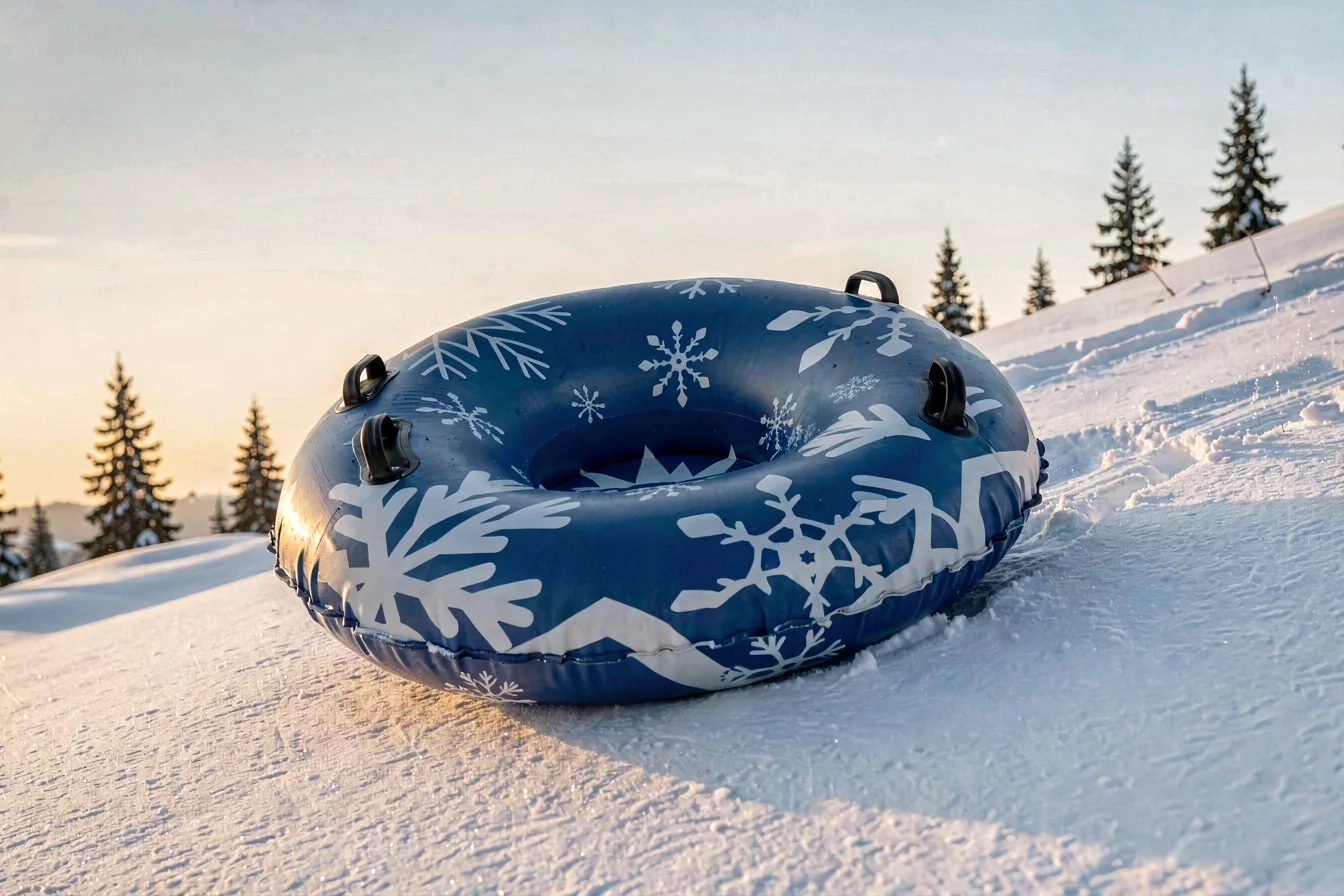
Durability is a critical factor in selecting a steerable snow sled or traditional non-steerable snow sled . Steerable sleds generally have reinforced frames, ergonomic handles, and advanced braking systems, which increase their lifespan but also raise maintenance requirements. Non-steerable sleds, constructed from lightweight plastic or aluminum, are highly durable under basic conditions but may degrade faster in extreme weather or heavy use[3][4].
Application scenarios reveal where each sled excels: steerable sleds are ideal for technical slopes, group rides, and urban parks where obstacle navigation is required; non-steerable sleds are best suited for open, safe areas, school events, and family outings. The expected lifespan of a steerable sled is typically 3–5 years with regular maintenance, while non-steerable sleds can last 2–4 years with minimal upkeep.
Long-term cost outlook shows that non-steerable sleds offer lower initial purchase price and minimal maintenance, making them cost-effective for mass distribution and frequent use. Steerable sleds, while more expensive upfront, may reduce replacement frequency and provide superior safety in high-risk environments, offsetting costs for specialty buyers. Hidden costs include periodic repairs, safety certifications, and storage requirements for steerable models.
| Cost Factor | Steerable Snow Sled | Traditional Non-Steerable Snow Sled |
|---|---|---|
| Initial Purchase Price | $120–$300 | $20–$60 |
| Annual Maintenance | $20–$50 | $10–$20 |
| Replacement Frequency | Every 3–5 years | Every 2–4 years |
| Safety Certifications | Required, annual renewal | Not required |
| Hidden Costs | Repairs, storage, certifications | Minimal |
Non-steerable sleds are the most cost-efficient for bulk buyers and event organizers, while steerable sleds offer long-term value for specialty and high-risk applications.
The steerable snow sled and traditional non-steerable snow sled each serve distinct segments of the winter recreation market. Steerable sleds are gaining traction in urban parks, technical slopes, and adventure events, appealing to thrill-seekers and younger demographics. Non-steerable sleds remain the backbone of mass-market sales, dominating family events, school activities, and budget-friendly bulk purchases[1][2].
Google Trends data from Mar 2025–Mar 2026 shows that traditional non-steerable snow sled consistently outpaces steerable snow sled in search volume, peaking at a ratio of 70:37 in December 2025[1]. However, steerable sleds show steady growth, especially in late winter and early spring, reflecting rising interest among enthusiasts and specialty buyers.
Search Interest over Time
Non-steerable sleds dominate search interest, but steerable sleds show rising demand, especially among specialty buyers and urban users.
Case Study 1: An urban family in Atlanta, Georgia, used a traditional non-steerable snow sled for their first snow event, citing ease of use and safety as their main priorities. Social media posts reflected excitement and nostalgia, but also highlighted the learning curve for younger children. Reddit comments emphasized the joy of simple sled rides and the importance of safe, controlled environments[12].
Case Study 2: A snow sports club in Colorado opted for steerable snow sled models for their advanced winter events. Club members praised the control and maneuverability, but noted the higher cost and maintenance requirements. TikTok and Reddit discussions revealed a split in sentiment: enthusiasts loved the thrill, while casual users found the complexity daunting[2][9].
“Sledding on Steerable Sleds isn't one of them. To enjoy sledding Steerable Sleds, you simply get yourself to the top of a snow covered slope, then sit, belly flop or kneel on your conveyance and slide down. Repeat as many times as necessary to fill your fun reservoir.” [2]
“I thought nothing could be as temperamental as a motorboat that lives in salt water but boy was I wrong. Every time I take the damn sled out something needs fixing whether it be the trailer or the snow machine itself and that's AFTER preemptive maintenance on both. Finally the sled is constantly trying to buck me the fuck off or roll over on me.” [10]
| Dimension | Steerable Snow Sled | Traditional Non-Steerable Snow Sled |
|---|---|---|
| Overall Satisfaction | Moderate–High (enthusiasts) | High (casual users) |
| Most Praised Feature | Control, maneuverability | Ease of use, safety |
| Most Common Complaint | Complexity, maintenance | Limited control, risk of collision |
| Community Recommendation Rate | Moderate–High (specialty clubs) | High (family, school events) |
Viral content themes on TikTok and YouTube center around “first-time sled rides,” “advanced maneuvers,” and “group adventure events.” Cultural reception is positive for both, but steerable sleds spark debate on complexity and cost, while non-steerable sleds are celebrated for their simplicity and nostalgia.
Non-steerable sleds are widely recommended for family and school events, while steerable sleds attract enthusiasts and adventure seekers despite complexity and cost concerns.
Buyers should begin by clarifying their core needs: primary use case, budget range, must-have vs. nice-to-have features, and safety requirements. Key questions include:
Tiered recommendations:
| Tier | Recommended Product | Key Reason |
|---|---|---|
| Budget-Friendly | Traditional Non-Steerable Snow Sled | Low price, high accessibility, minimal maintenance |
| Mid-Range | Traditional Non-Steerable Snow Sled | Balanced durability, broad compatibility, easy to source |
| Premium/Advanced | Steerable Snow Sled | Superior control, maneuverability, safety certifications |
Optimization tips:
Buyers should align their sourcing strategy with primary use case, budget, and safety requirements to maximize value and minimize risk.
The steerable snow sled and traditional non-steerable snow sled each offer unique value, but market trends suggest a growing role for steerable sleds as urbanization and winter sports diversify. Buyers should anticipate rising demand for steerable sleds in specialty clubs, adventure events, and commercial operations, while non-steerable sleds will remain dominant for family and school events[1].
Forward-looking guidance: invest in steerable sleds for advanced, high-risk applications, and continue sourcing non-steerable sleds for mass-market, budget-sensitive buyers. Monitor supply chain innovations, safety certifications, and emerging trends in urban recreation to stay ahead of the market.
Confidently choose the sled that matches your use case and priorities—share your experiences with the community, and commercial buyers should source wholesale on Alibaba.com to optimize procurement and supply-chain resilience.