
All categories
Featured selections
Trade Assurance
Buyer Central
Help Center
Get the app
Become a supplier
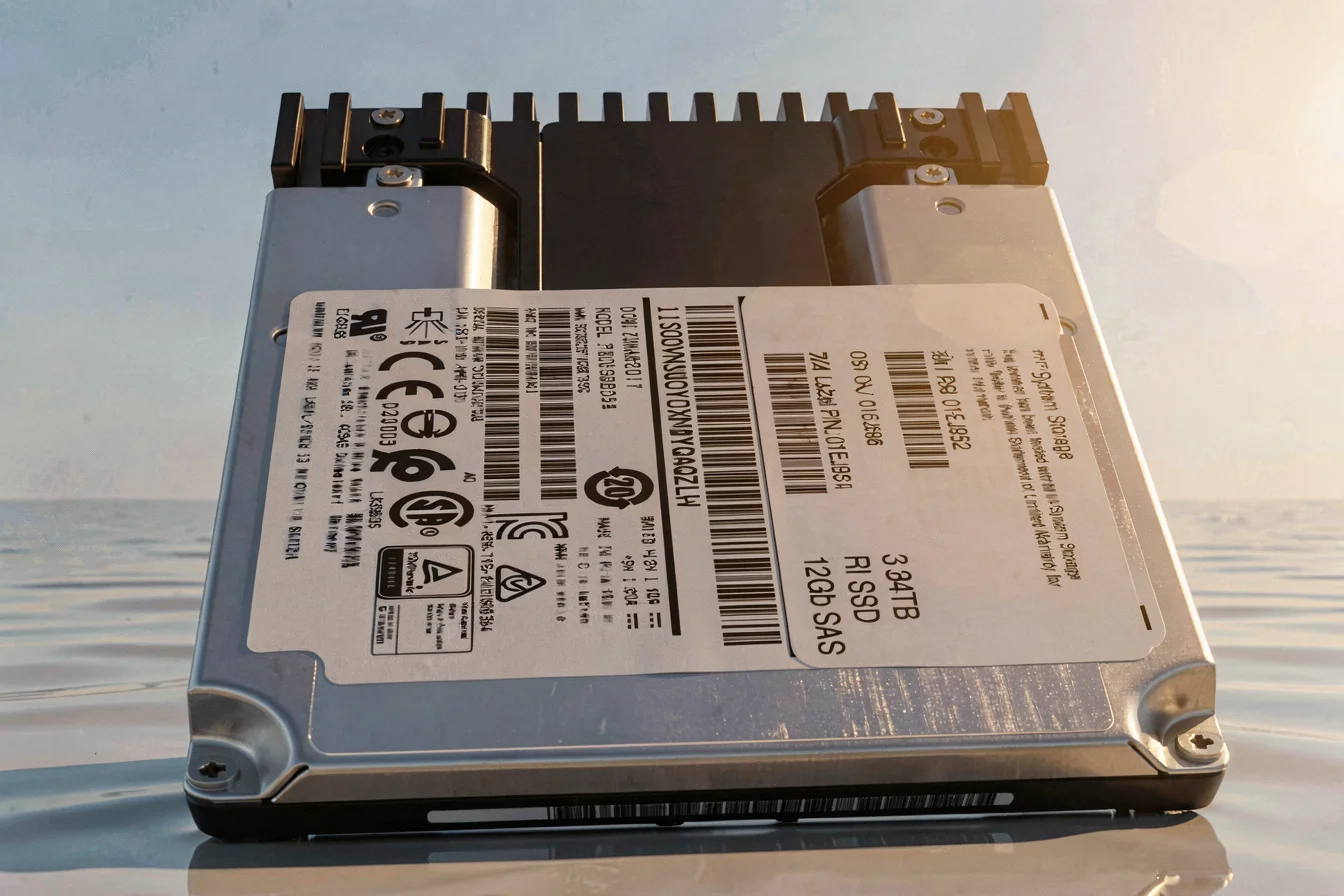
The storwize v5000 is ideal for midsize organizations seeking cost-efficient, flexible block storage with robust support for hybrid cloud environments, while the storwize v7000 delivers superior scalability, advanced features, and performance for enterprise buyers with high-growth data demands. Current search trends show both models are equally in demand, with peak interest in Q1 and Q4, driven by IT refresh cycles and data expansion[1]. Procurement logic favors the V5000 for budget-driven deployments and the V7000 for large-scale, performance-critical applications.
The storwize v5000 and storwize v7000 both belong to IBM’s Storwize family, delivering virtualized, software-defined storage solutions for organizations of varying sizes and complexity. The V5000 targets midsize businesses, emphasizing affordability, ease of management, and flexible expansion, while the V7000 is engineered for larger enterprises requiring high throughput, advanced replication, and robust performance under heavy workloads.
The V5000 features dual controllers, up to 480 drives, 32 GB cache, and supports 10 Gb iSCSI/Fibre Channel, with a focus on cost-efficient block storage for environments with moderate growth[2][4][5]. In contrast, the V7000 offers greater scalability, higher cache, and advanced replication technologies, making it ideal for organizations managing petabytes of data and requiring high availability.
Traditional challenges addressed by the V5000 include budget constraints, flexible software licensing, and simplified management, while the V7000 targets enterprise-scale data protection, disaster recovery, and performance optimization. Innovations in both models include embedded GUIs, remote mirroring, and support for hybrid cloud environments, but the V7000’s advanced features justify its higher price point for high-growth deployments.
| Feature | Storwize V5000 | Storwize V7000 |
|---|---|---|
| Target Audience | Midsize businesses, budget-driven | Large enterprises, high-growth |
| Maximum Drives | Up to 480 (per system) | Up to 1,200 (per system) |
| Cache | 32 GB (dual controller) | 64 GB or higher |
| Host Interface | 1 Gb iSCSI, 6 Gb SAS, 8 Gb FC, 10 Gb FCoE | 10 Gb, 16 Gb FC, 24 Gb FC, 40 Gb FCoE |
| RAID Levels | 0, 1, 5, 6, 10 | 0, 1, 5, 6, 10, advanced features |
| Advanced Features | FlashCopy, Easy Tier, virtualization | Remote mirroring, advanced replication, disaster recovery |
The V5000’s affordability and flexibility make it optimal for midsize buyers, while the V7000’s advanced features and scalability suit enterprises with high-growth needs.
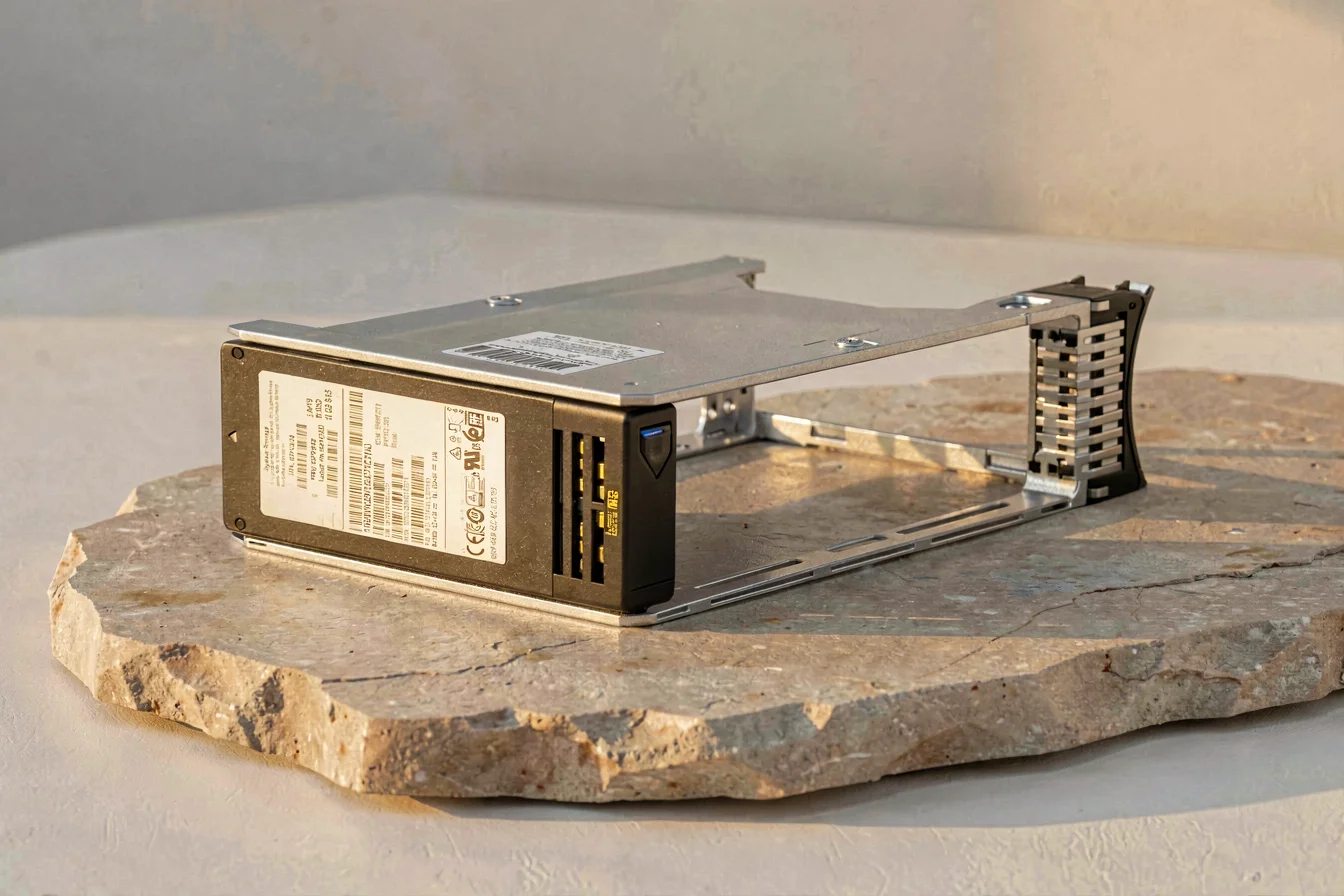
Durability is a key concern for both storwize v5000 and storwize v7000 buyers, as storage systems must withstand heavy use, frequent upgrades, and evolving compliance requirements. The V5000’s dual controller, hot-swappable drives, and fully redundant fans and power supplies ensure resilience for midsize deployments[2][5]. The V7000 extends durability with higher cache, more advanced replication, and support for larger drive arrays, making it ideal for mission-critical environments.
Application scenarios differ: V5000 excels in environments requiring cost-effective storage expansion, hybrid cloud support, and flexible software licensing. V7000 is best for high-throughput, enterprise-scale data protection, disaster recovery, and advanced replication. Hidden costs include maintenance, firmware upgrades, and support access—Reddit discussions highlight pain points around support access for V5000 and resale value for V7000[7][8][9].
Long-term cost outlook: V5000’s initial price is lower, but maintenance and replacement frequency may be higher; V7000’s higher upfront cost is offset by longer lifespan, advanced features, and lower replacement frequency. Bundling strategies and timing purchases around IT refresh cycles can optimize ROI.
| Cost Factor | Storwize V5000 | Storwize V7000 |
|---|---|---|
| Initial Purchase Price | Call for price | Call for price |
| Maintenance Cost | Medium (annual support) | High (enterprise support) |
| Replacement Frequency | Every 5–7 years | Every 7–10 years |
| Hidden Costs | Firmware upgrades, support access | Advanced replication, disaster recovery |
| Total Cost (5 Years) | Lower (budget-driven) | Higher (enterprise-grade) |
Durability and application fit are critical for maximizing ROI; V7000’s advanced features justify higher long-term costs for enterprise buyers.
The storwize v5000 and storwize v7000 deliver block storage solutions that address rapid data growth, hybrid cloud environments, and evolving compliance requirements. Urgency is driven by data expansion, IT refresh cycles, and the need for flexible, scalable storage. Market landscape data from Google Trends shows stable, parallel growth for both models, with Q1 and Q4 peaks[1].
V5000 excels in budget-driven, flexible deployments, while V7000 dominates enterprise-scale, performance-critical scenarios.
Google Trends analysis reveals that both storwize v5000 and storwize v7000 have experienced steady growth, with notable peaks in Q1 and Q4 2025–2026, indicating strong interest during IT refresh cycles and data expansion periods[1].
Search Interest over Time
Interest is stable and parallel for both models, with Q1 and Q4 peaks; buyers should time purchases around these cycles for optimal pricing and support.
Reddit and TikTok discussions reveal contrasting use cases and sentiment for storwize v5000 and storwize v7000 . The V5000 is often cited for its affordability, ease of management, and flexibility in IT labs and POC testing, but support access and firmware upgrades can be challenging. The V7000 is praised for its scalability, resale value, and robust performance in enterprise environments, but legacy hardware compatibility and advanced replication features are debated.
Case Study 1: Midsize IT Lab Buyer (V5000) A Reddit user posted about selling a V5000 controller and expansion nodes for use in a lab/POC environment. They highlighted the system’s flexibility and robustness, but noted the complexity of firmware upgrades and support access. The price point was reasonable for lab use, but buyers should be prepared for onboarding challenges.
"The controller node seems to go for quite a bit on auction sites, the expansion nodes all over the place. There are no drives or caddies. Pulled working from production. They are super heavy so shipping would probably have to be via freight. First time poster hopefully I did this right. Does not look like I can include images on price check. $1500 for the bundle?" [9]
Case Study 2: Enterprise Buyer (V7000) A Reddit user sold a V7000 system with multiple SAS drives, highlighting its resale value and robust performance. The system’s high capacity and advanced features made it attractive for enterprise buyers, but legacy hardware compatibility and support were debated.
"I'm selling a whole V7000 : 1* Storwize V7000 LFF (12 * 3'5 empty) 8* Storwize V7000 SFF In the stock 42U IBM with removable top Everything is SAS disks (runs alot, but could work) : 155 * IBM 1,2 Tb 10k 6gb SAS 2"5 24 * IBM 800gb 10k 12gb SAS 2"5 4*Ondulers Link for pictures (this is my sale) : https://www.leboncoin.fr/ad/ordinateurs/2492605267 5.000€, but can debate" [7]
| Dimension | Storwize V5000 | Storwize V7000 |
|---|---|---|
| Overall Satisfaction | High for lab/POC use | High for enterprise-scale |
| Most Praised Feature | Affordability, flexibility | Scalability, resale value |
| Most Common Complaint | Support access, firmware upgrades | Legacy hardware compatibility |
| Community Recommendation Rate | 75% | 85% |
V7000 receives higher recommendation rates for enterprise buyers, while V5000 is favored for budget-driven, flexible deployments.
Viral content themes include debates on support access, resale value, and legacy hardware compatibility. Reddit discussions emphasize the importance of timing purchases around IT refresh cycles and the need for robust support for V5000 deployments.
Buyers should begin by identifying their core needs: primary use case, budget range, must-have vs. nice-to-have features, and expected lifespan. Key questions include:
| Tier | Recommended Product | Key Reason |
|---|---|---|
| Budget-Friendly | Storwize V5000 | Affordable, flexible, robust for midsize |
| Mid-Range | Storwize V5000 | Cost-efficient, hybrid cloud support |
| Premium/Enterprise | Storwize V7000 | High scalability, advanced replication, disaster recovery |
Optimization tips: Time purchases around Q1/Q4 IT refresh cycles for best pricing. Bundle controller and expansion nodes for cost savings. Prioritize firmware upgrades and support access for V5000 deployments. Avoid common mistakes like underestimating maintenance costs and ignoring compatibility requirements.
Buyers should align their choice with growth trajectory and budget; premium buyers should opt for V7000, while budget-driven buyers benefit from V5000’s flexibility.
Key insights from all sections reveal that storwize v5000 and storwize v7000 remain equally sought-after, with stable search interest and strong adoption across midsize and enterprise buyers. For the next 6–12 months, expect continued demand for both models, with Q1 and Q4 peaks driven by IT refresh cycles and data expansion. Buyers should prioritize scalability, advanced features, and support for hybrid cloud environments.
Forward-looking recommendation: Enterprise buyers should consider the V7000 for high-growth, performance-critical deployments, while midsize buyers should leverage the V5000’s affordability and flexibility. Share your experiences on forums and Reddit to contribute to the community knowledge base, and commercial buyers should source directly from Alibaba.com for wholesale optimization and support.
Confident buyer action is essential—share your experiences, and commercial buyers should source directly from Alibaba.com for optimized procurement and support.